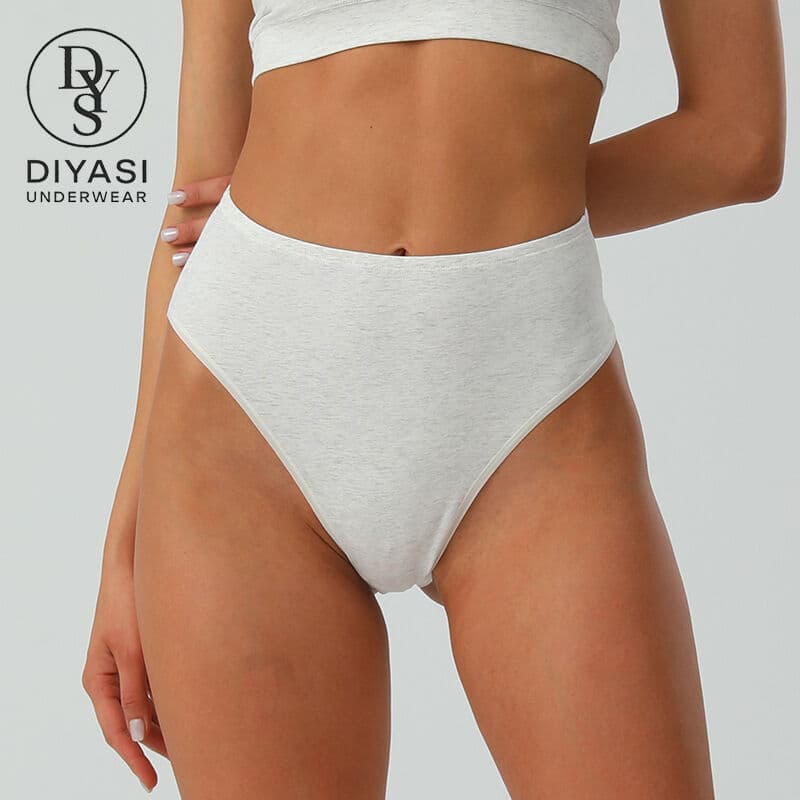
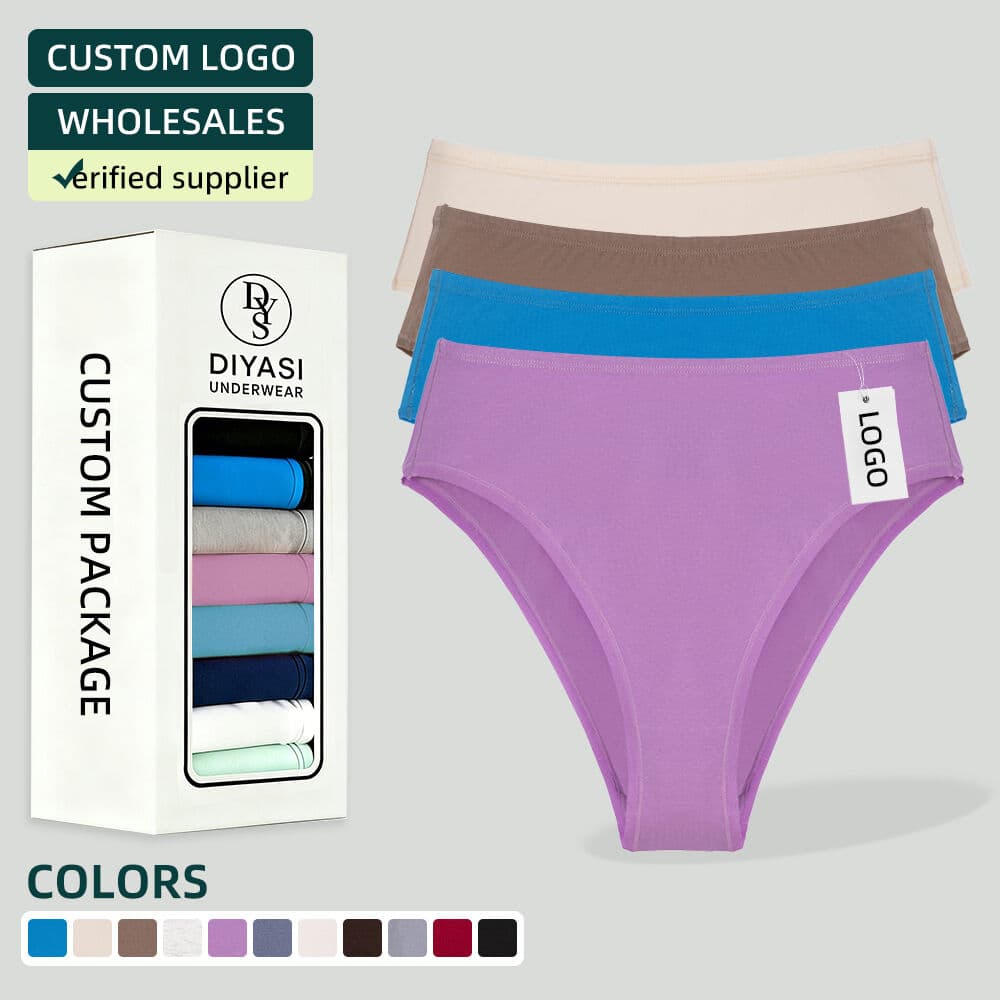
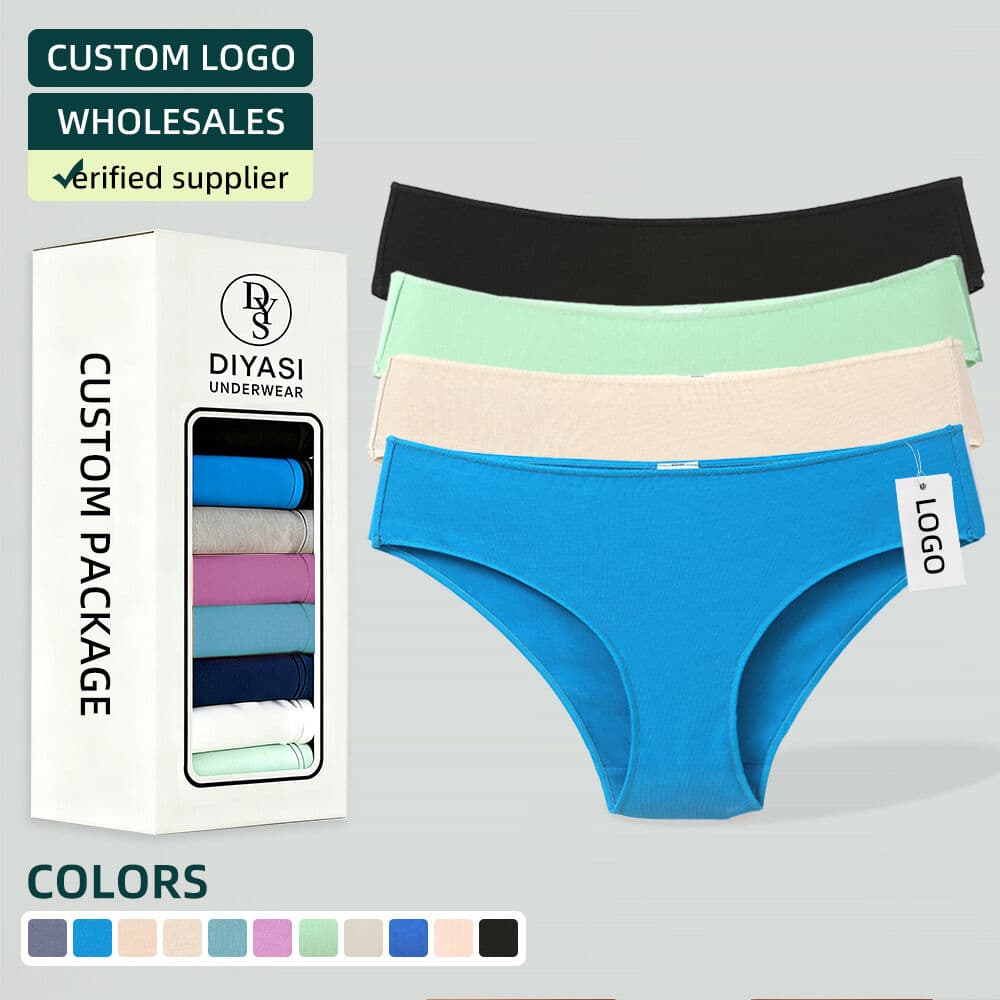
Use this private label cotton underwear sampling guide to specify cotton-spandex composition, fit, care checks and the first sample brief. For an everyday cotton collection, compare the actual cotton/elastane blend, fabric weight, rise, leg coverage and waistband. Cotton-rich is not the same as 100% cotton; the body and gusset may also have different compositions.
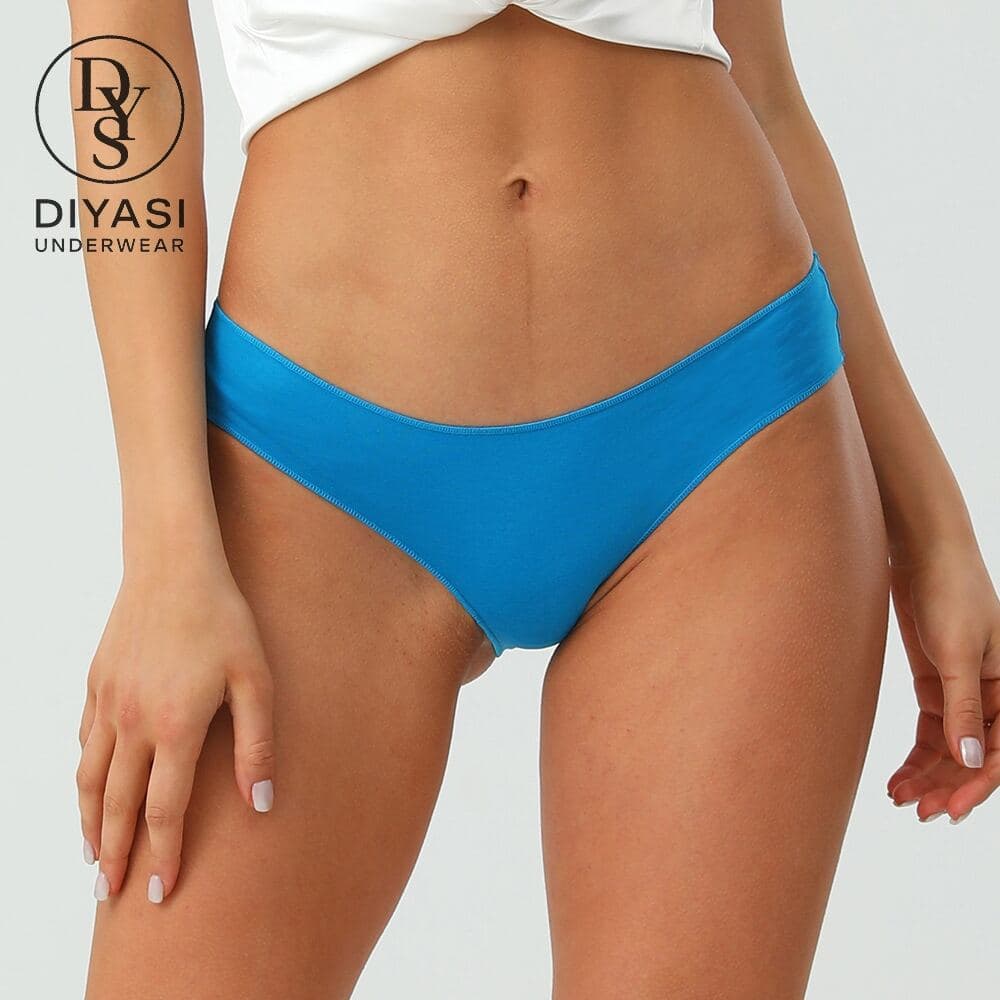
Begin with the silhouette
DYS201 is a low-rise cotton bikini starting point, while DYS219 offers a high-waist, high-leg direction. Select a fit for a specific customer before adding colors. A broad assortment does not compensate for an untested size chart.
| Specification | Why it matters |
|---|---|
| Body composition | Identifies cotton and stretch-fiber content |
| Fabric weight and hand feel | Affects perceived substance and opacity |
| Rise and coverage | Defines where the garment sits and what it covers |
| Waistband | Affects pressure and recovery |
| Gusset | Needs its own composition and construction check |
| Wash result | Shows shrinkage, twisting and color change |
Review comfort with a physical sample
Check seam bulk, label edges, waistband tension and the fit while sitting and moving. Use a consistent fitting form or documented wearer measurements. A soft fabric alone cannot correct a tight leg opening or a short rise.
Write claims from evidence
Use the verified composition and construction in product copy. Do not infer organic certification, antibacterial performance or environmental superiority from a cotton image or supplier keyword. If a certification matters, request documentation with a valid scope covering the material or product you will sell.
Turn a cotton sample into a production reference
Review more than the fiber percentage. Two fabrics with the same cotton-spandex blend can differ in weight, knit, finish and recovery. Agree a physical fabric reference and measurement method so a reorder can be checked against the same standard.
| Sample check | Keep a record of |
|---|---|
| Fabric | Composition, agreed weight if specified and swatch |
| Fit | Waist, rise, leg openings and measuring points |
| Washing | Care method and before/after measurements |
| Reorder | Approved fabric and trim versions, not only the style name |
Cotton bikini underwear private label
For cotton bikini underwear private label development, DYS201 is a low-rise 95% cotton / 5% spandex catalogue reference. Record the fit sample, agreed care procedure and measurement points before the order. Keeping those records together lets the buyer distinguish a fiber claim from actual observed changes in the reviewed sample.
| Reference | Record before approval |
|---|---|
| Composition | The selected model and confirmed body blend |
| Fit | Size, rise and coverage measurements |
| Care review | Procedure and before/after observations |
One more thing
Does cotton underwear need stretch fiber?
That depends on the intended construction and fit. Many current catalogue styles use cotton with spandex. Confirm the exact blend for each selected style rather than substituting a general category description.
How should I perform a cotton underwear shrinkage sample check?
Measure the sample at agreed points before and after the specified care procedure using the same method. Record changes and compare them with the written tolerance; this guide does not provide a tested shrinkage percentage.
What should 95% cotton / 5% spandex underwear labeling confirm?
Confirm that 95% cotton / 5% spandex describes the actual component and order. Record any separate trim or gusset composition before approving label wording; the blend is not a 100% cotton or organic claim.
Sources & further reading
Product examples refer to the DIYASI catalogue. External standards explain their own scope; a reference is not a claim that a specific garment or factory is certified.
DIYASI cotton style specifications ↗OEKO-TEX STANDARD 100: scope of testing ↗Put the details into practice.
Share your selected styles, target market, planned quantity and branding needs.
Start a Project