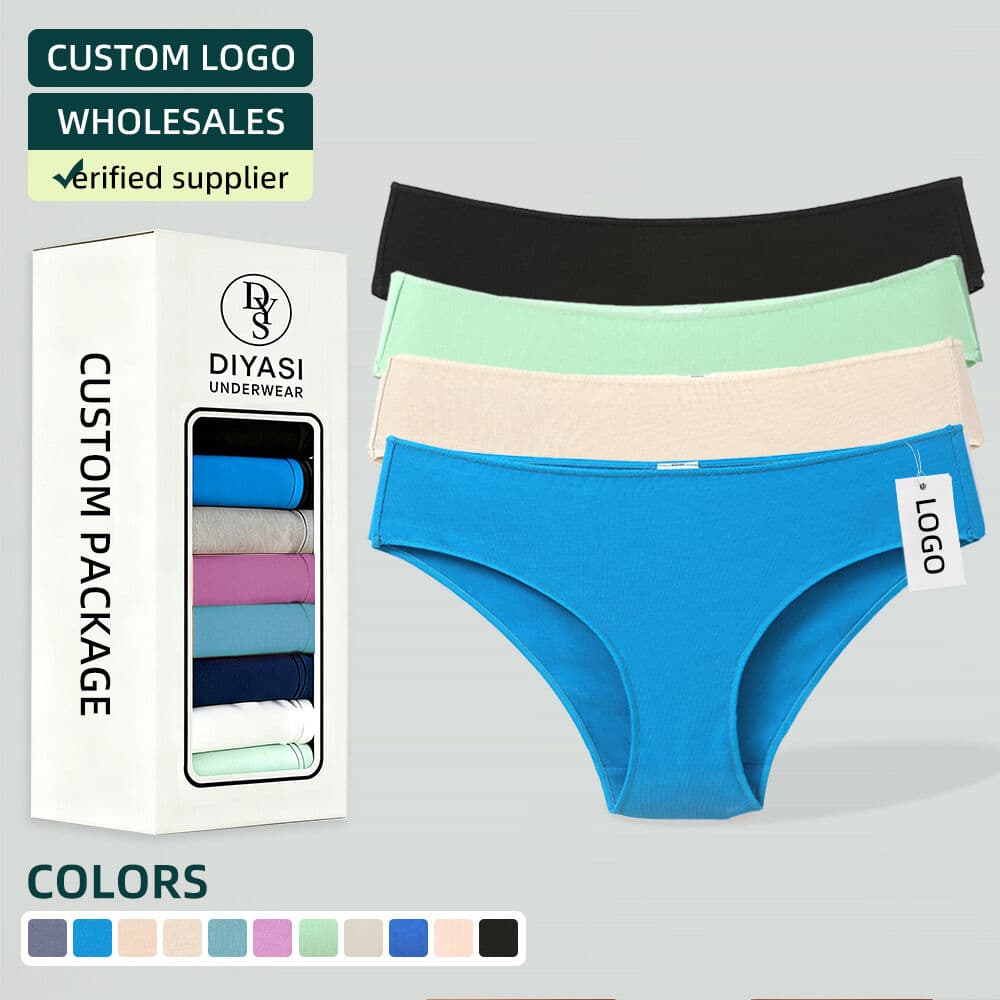
Use an underwear reorder planning guide to review size/color demand, approved samples, material consistency and the written production schedule. Plan a reorder by style, color and size using sales, returns, available stock and confirmed replenishment time. Do not reorder the original size mix automatically: a first run is evidence about demand and fit.

Read the first run at SKU level
A popular style can still hide slow colors or poorly fitting sizes. Review units sold, available stock, exchanges and the reasons customers give for returns. Separate a stockout from low demand: a size that sold out early did not have the same selling window.
| Signal | Possible action |
|---|---|
| Repeated size exchange | Review the chart, grading and product guidance |
| One color selling faster | Adjust the color mix after checking stockout effects |
| Wash or seam complaint | Inspect samples and resolve construction issues |
| Strong sales with low returns | Consider replenishment after confirming lead time |
Calculate a provisional reorder point
A simple planning model is average weekly demand multiplied by replenishment lead time in weeks, plus safety stock. Subtract usable stock and confirmed inbound units when estimating the order quantity. Replace the assumptions with your own sales history and the factory's current schedule.
Control changes between runs
Reference the approved sample, fabric, trims and packaging. Ask whether any component or process has changed. If you change the fit or branding, approve a revised sample and keep the revision distinct from the earlier production.
Make the reorder decision at SKU level
Review sales and returns by size and color before repeating the first assortment. For planning, reorder demand can be estimated from expected sales during replenishment time plus a chosen stock buffer, less usable stock and confirmed incoming units. The buffer is a business decision, not a fixed factory requirement.
| Input | Why it matters |
|---|---|
| Size/color sales | Shows where replenishment is needed |
| Fit returns | Identifies whether repeating the same specification is appropriate |
| Confirmed lead time | Includes fabric, artwork, production and transit milestones |
| Remaining components | Shows whether labels or packaging can be reused |
Underwear reorder by size and color
Plan an underwear reorder by size and color rather than copying the first style total. Separate observed sales, usable stock, confirmed inbound units and returns for each SKU. Review component or artwork changes against the retained sample before asking for a new quote; a repeat model name does not establish an unchanged order specification.
| SKU record | Decision use |
|---|---|
| Size/color sales | Identify which combinations need replenishment |
| Usable stock and inbound | Avoid counting unavailable or unconfirmed units |
| Sample revision | Identify any fabric, trim, packing or artwork change |
One more thing
Can the second order use the same price and delivery time?
Reconfirm both. Material availability, quantity, assortment and freight conditions can change, even when the style number stays the same.
What belongs in a private label underwear reorder specification?
Reference the approved model sample, measurements, component blends, artwork revisions and packing record. List any proposed change and request fresh price and schedule confirmation; a reorder does not automatically preserve prior terms.
How do I calculate an underwear reorder point using weekly demand?
A planning model is average weekly demand multiplied by confirmed replenishment lead time in weeks, plus a chosen safety stock. Use the same units and record assumptions; the calculation is a planning estimate, not a delivery promise.
Sources & further reading
Product examples refer to the DIYASI catalogue. External standards explain their own scope; a reference is not a claim that a specific garment or factory is certified.
DIYASI catalogue and source specifications ↗Put the details into practice.
Share your selected styles, target market, planned quantity and branding needs.
Start a Project