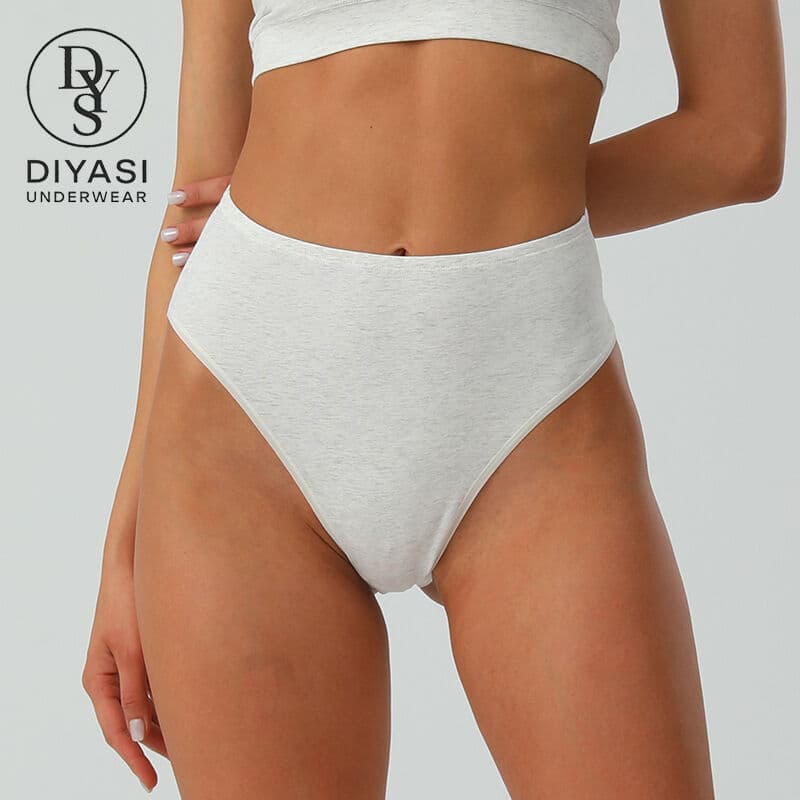
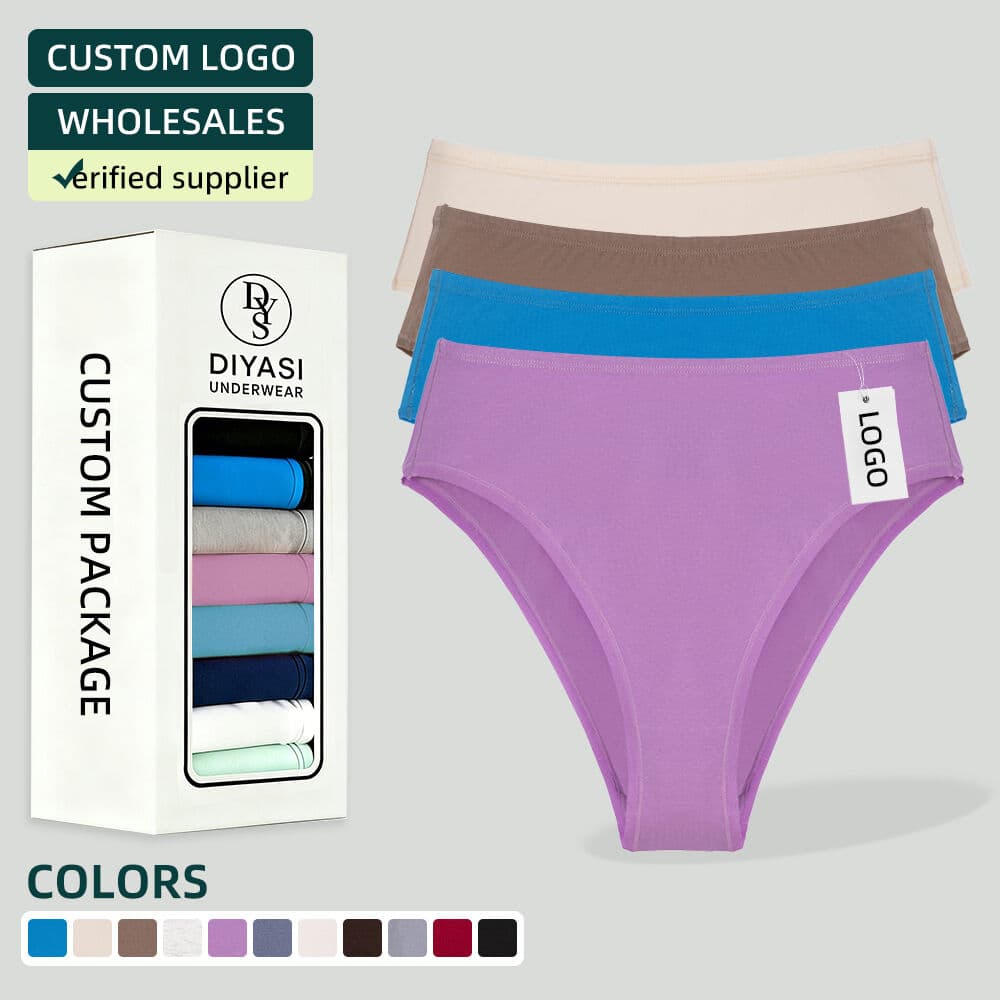
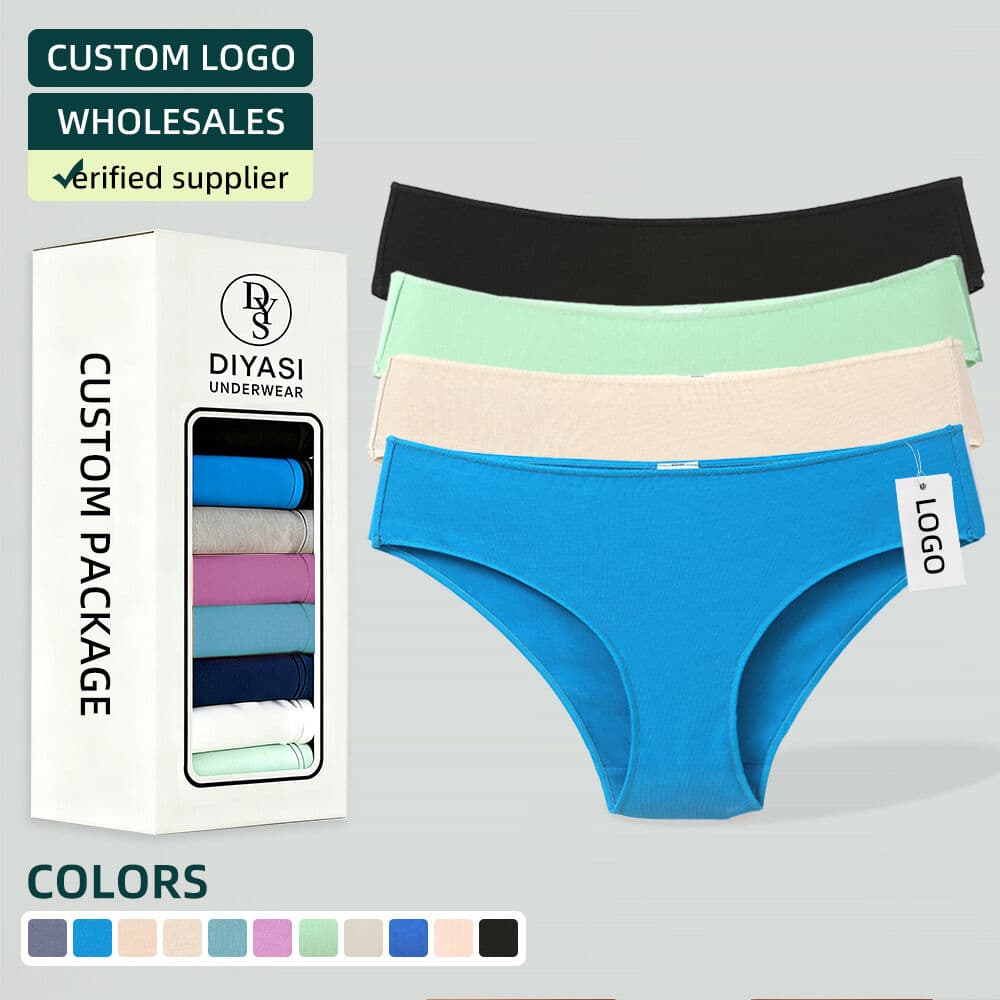
Prepare an underwear sizing chart US EU brief using finished measurements, source charts and label requirements rather than assumed universal conversions. Build a measurement-based size chart and confirm labeling requirements for the destination market. A size letter alone does not establish a US or EU fit. Fiber composition, care instructions and other required information should be reviewed for the finished garment before printing.
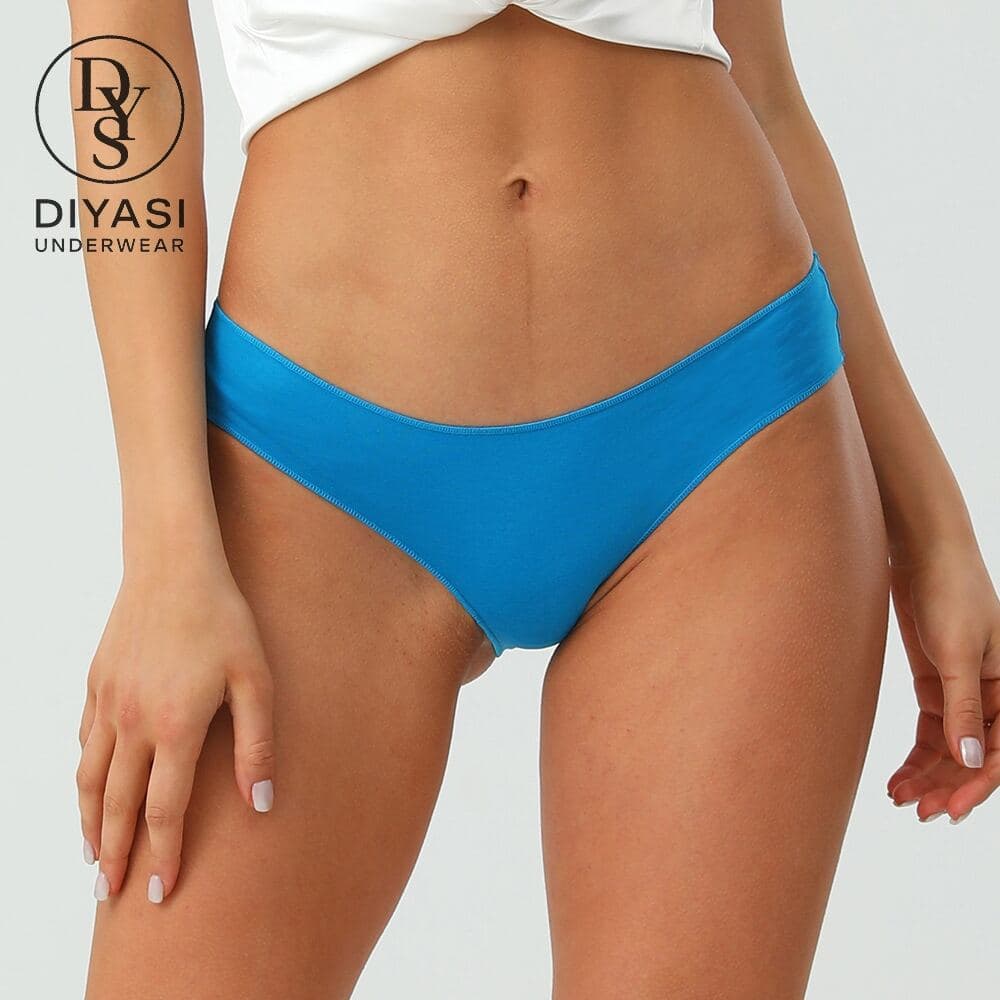
Use measurements rather than conversion guesses
Define body measurements, finished-garment measurements, measurement methods and tolerances. Fit-check the intended size range and translate the instructions clearly. Do not relabel an existing S/M/L range as US or EU sizing without checking the actual measurements.
| Prepare | Verify before printing |
|---|---|
| Size chart | Body vs garment measurements, units and tolerances |
| Fiber label | Component composition and applicable fiber names |
| Care information | Instructions appropriate to the finished garment |
| Business and origin details | Requirements applicable to the destination |
| Packaging artwork | Readable text, SKU/barcode and approved translations |
Use official market guidance
For the United States, review FTC textile labeling and care-label guidance. For the European Union, review the textile fiber labeling regulation and the obligations relevant to your sales markets. These references cover different requirements; a symbol sheet or supplier declaration is not a complete compliance assessment.
Approve the actual label sample
Check wording, legibility, placement and comfort on the garment. Confirm that the body, lace and gusset descriptions match the final specification. Keep dated artwork and an approved physical sample with the production record.
Keep sizing and labeling approvals separate
A size label such as M is not a measurement specification. Keep one approved measurement sheet for the garment and a separate artwork sheet for required labeling. Confirm the current rules for the destination, the responsible business and the actual fiber components before production.
| Approval file | Include |
|---|---|
| Measurement chart | Measuring points, units, size grading and tolerance |
| Fiber label | Confirmed component composition and required terminology |
| Care artwork | Instructions appropriate to the finished garment |
| Market artwork | Required language, origin and responsible-business information |
Underwear size chart by model
Use an underwear size chart by model rather than a universal letter-size conversion. Keep wearer body measurements separate from finished-garment measurements, and identify the measuring method for waist, hip, rise and leg opening. Match the requested size set to the actual catalogue model before approving fit or the size label.
| Record | Keep explicit |
|---|---|
| Wearer measurements | Body measuring points and intended fit |
| Garment measurements | Model, size and relaxed/stretched method |
| Tolerance | Agreed units and permitted variation by measuring point |
One more thing
Can I use the same care symbols in every market?
Do not assume so. Check the applicable market rules and any symbol licensing requirements, then validate the care instructions against the finished garment.
What belongs in an underwear garment measurement tolerance sheet?
Name the model and specification revision, sample size, measuring points, method, units and agreed tolerances. Add the reviewed sample results. Distinguish a measurement requirement from the letter printed on a size label.
Can I use US EU underwear size conversion measurements without a sample?
Use a conversion only as a preliminary reference. Compare actual body and garment measurements and review the intended fit on model-specific samples before approving sizes; letter labels alone do not prove equivalence.
Sources & further reading
Product examples refer to the DIYASI catalogue. External standards explain their own scope; a reference is not a claim that a specific garment or factory is certified.
FTC textile labeling guidance ↗EU Regulation 1007/2011 on textile fiber names and labeling ↗GINETEX care-label information ↗Put the details into practice.
Share your selected styles, target market, planned quantity and branding needs.
Start a Project