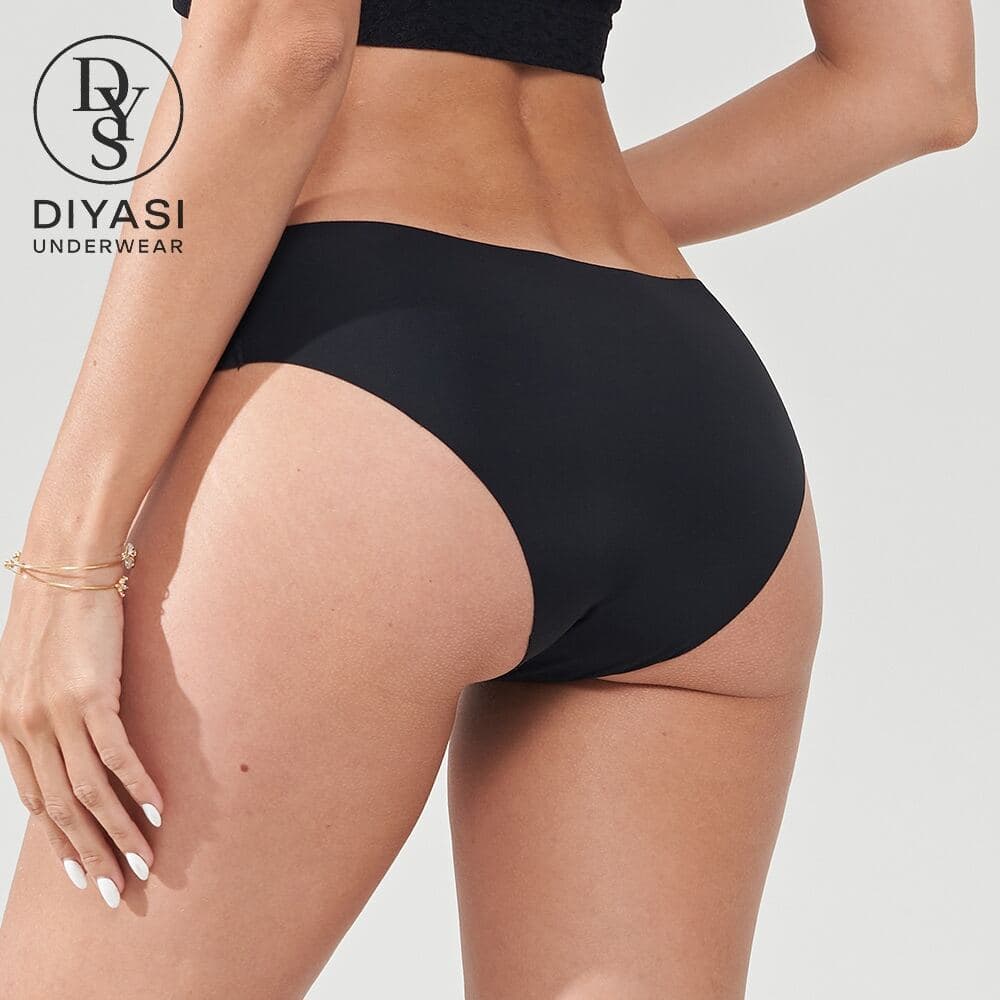
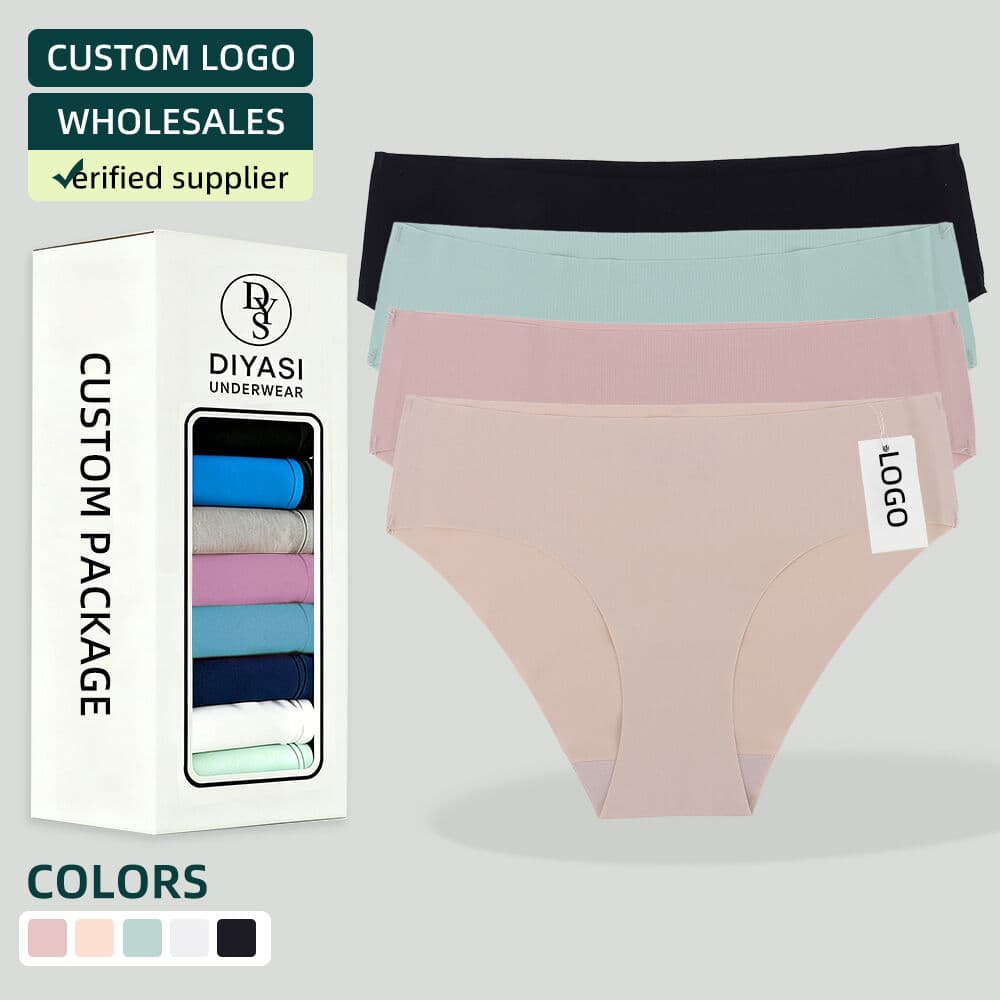
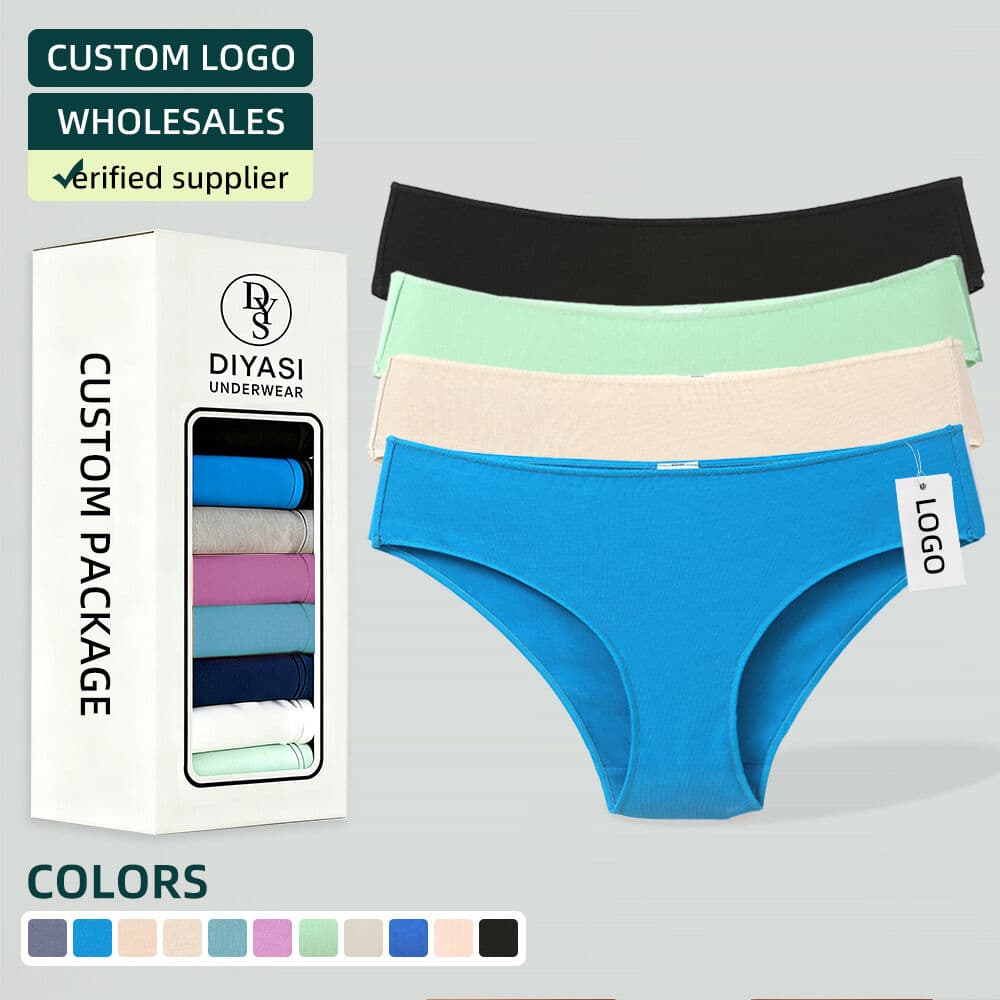
Use an underwear gusset materials guide to separate body and lining composition, attachment methods and sample quality checks. Review the gusset as a separate component: its fiber composition, length, width, placement and attachment affect fit and comfort. The body fabric description does not automatically describe the gusset.
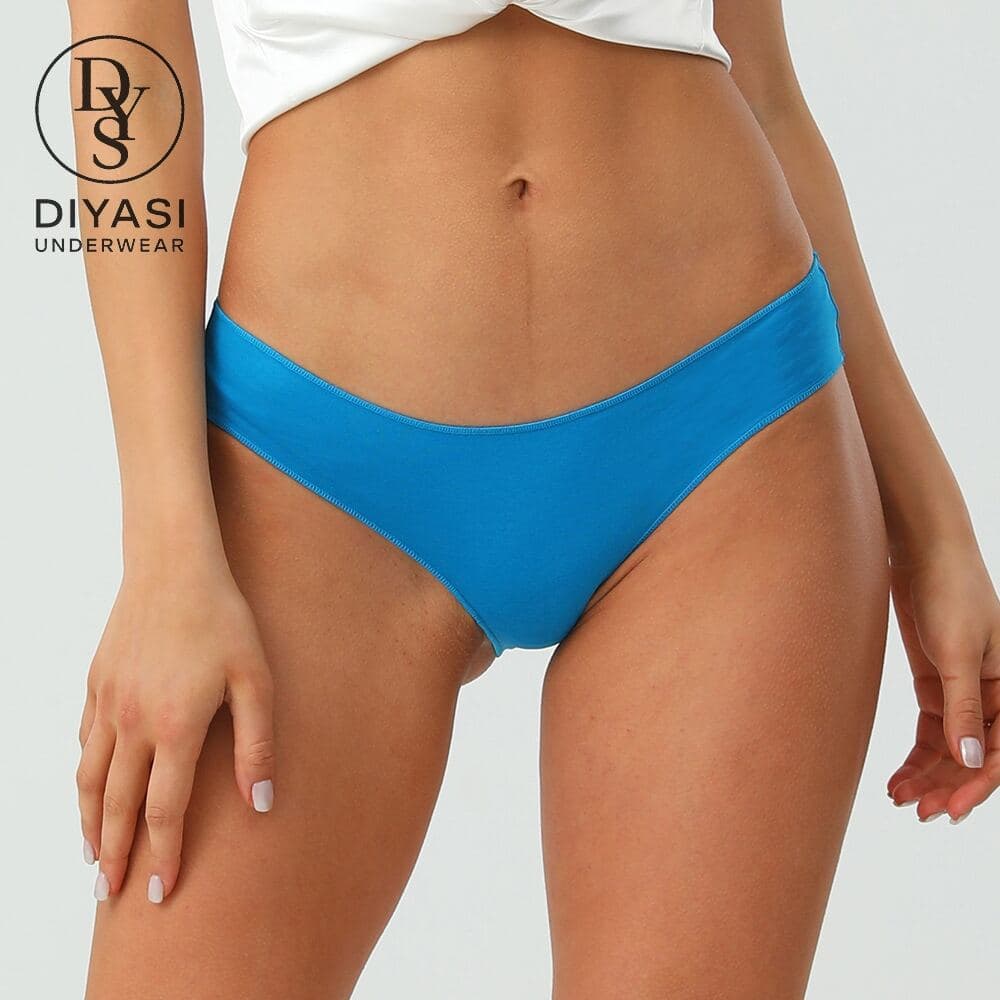
Separate material from assembly
A cotton-lined gusset can be stitched, bonded or attached using a combination of methods. Ask for an inside photograph and the component specification. Look for exposed adhesive, bulky seams or uneven edges rather than judging only the outside of the garment.
| Check | Record on the approved sample |
|---|---|
| Composition | Fiber percentages for the lining |
| Coverage | Length, width and position across sizes |
| Attachment | Stitching or bonding method and edge finish |
| Fit | Bunching, shifting or tension during movement |
| After washing | Shrinkage, bond integrity and seam condition |
Review the whole size range
Confirm whether gusset dimensions are graded between sizes. Check placement relative to the front and back rise, not only its length measured flat. Keep the fitting comments tied to the style, size and sample revision.
Avoid unsupported health claims
Cotton content or a double-layer construction does not establish antibacterial protection or prevention of irritation. Describe the verified material and construction, and support any performance claim with appropriate evidence for the finished product.
Write a gusset inspection sheet
Use the same inspection points for the approved sample and production checks. A cotton composition alone does not establish comfort or durability; placement, edge finish and attachment also need to match the selected garment.
| Inspection point | Question to resolve |
|---|---|
| Material | What is the confirmed gusset composition? |
| Placement | Does coverage match the approved size and fit? |
| Attachment | Are bonded edges or seams flat and secure? |
| Care | Does the gusset keep its shape after the agreed wash method? |
Cotton gusset underwear specification
A cotton gusset underwear specification needs composition, dimensions, placement and attachment as separate fields. DYS201 and DYS323 are different catalogue construction references; the presence of cotton does not establish identical assembly. Record the selected sample and approved inside view so future checks use the same garment revision.
| Specification field | Approval evidence |
|---|---|
| Material | Order-specific gusset composition |
| Dimensions and placement | Measuring points for the selected size |
| Attachment | Inside photograph and agreed inspection criteria |
One more thing
Is a bonded gusset always more comfortable than a stitched one?
No universal result follows from the method alone. Fit, edge finish, adhesive or thread choice and wash durability all matter. Compare physical samples for the intended use.
What should an underwear gusset placement sample check compare?
Record gusset length, width and its position relative to front/back rise in the intended sample size. Review placement on the assembled garment and mark changes needed before grading or sample approval.
What should underwear gusset attachment inspection record?
Identify whether the model uses stitching, bonding or combined attachment, then inspect edge lifting, seam condition and placement against the approved sample. Use the agreed care check where required; no attachment method alone proves a health benefit.
Sources & further reading
Product examples refer to the DIYASI catalogue. External standards explain their own scope; a reference is not a claim that a specific garment or factory is certified.
Current DIYASI garment specifications ↗OEKO-TEX STANDARD 100 information ↗Put the details into practice.
Share your selected styles, target market, planned quantity and branding needs.
Start a Project