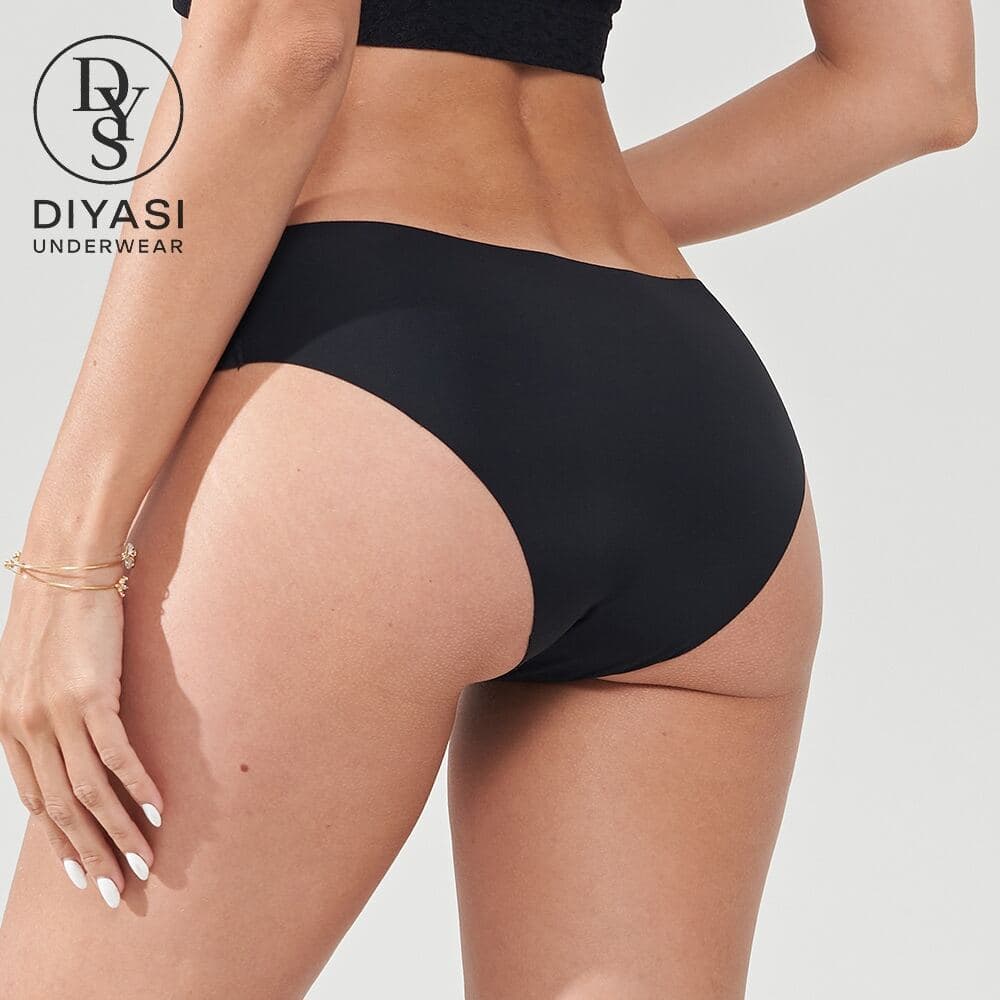
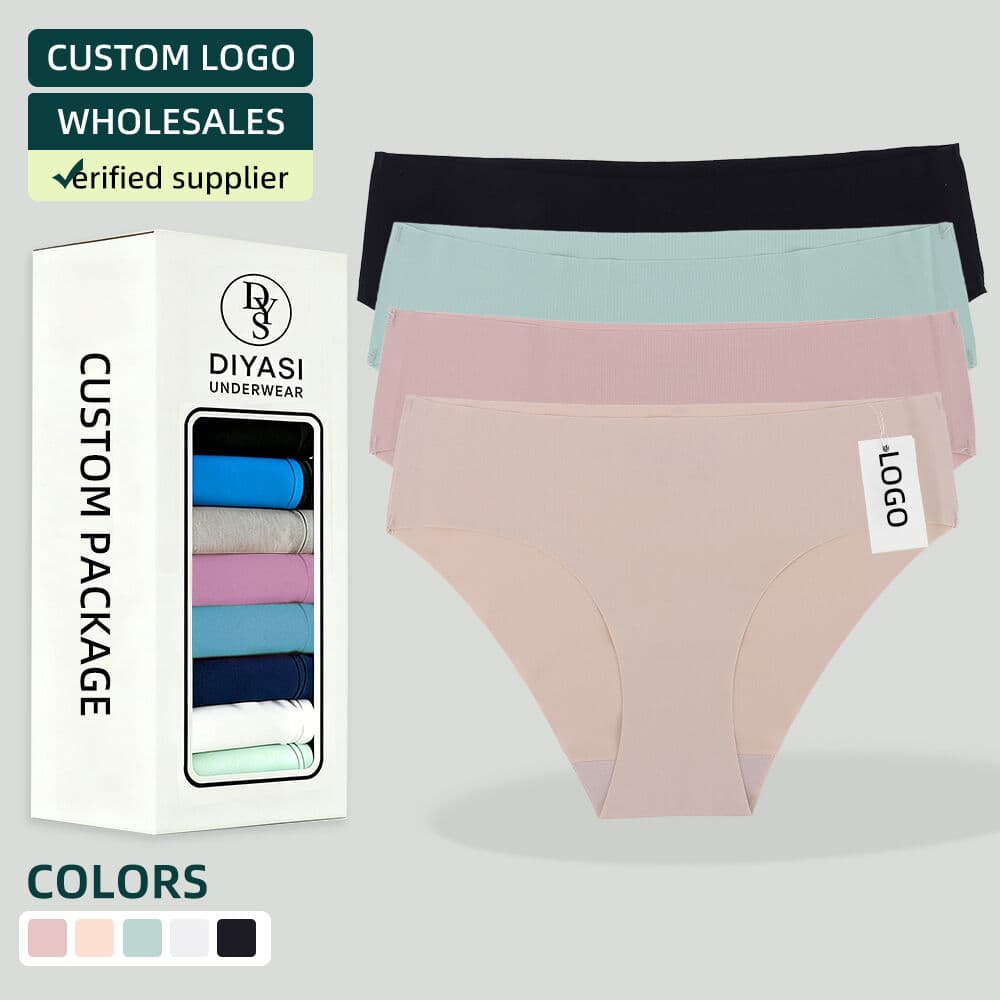
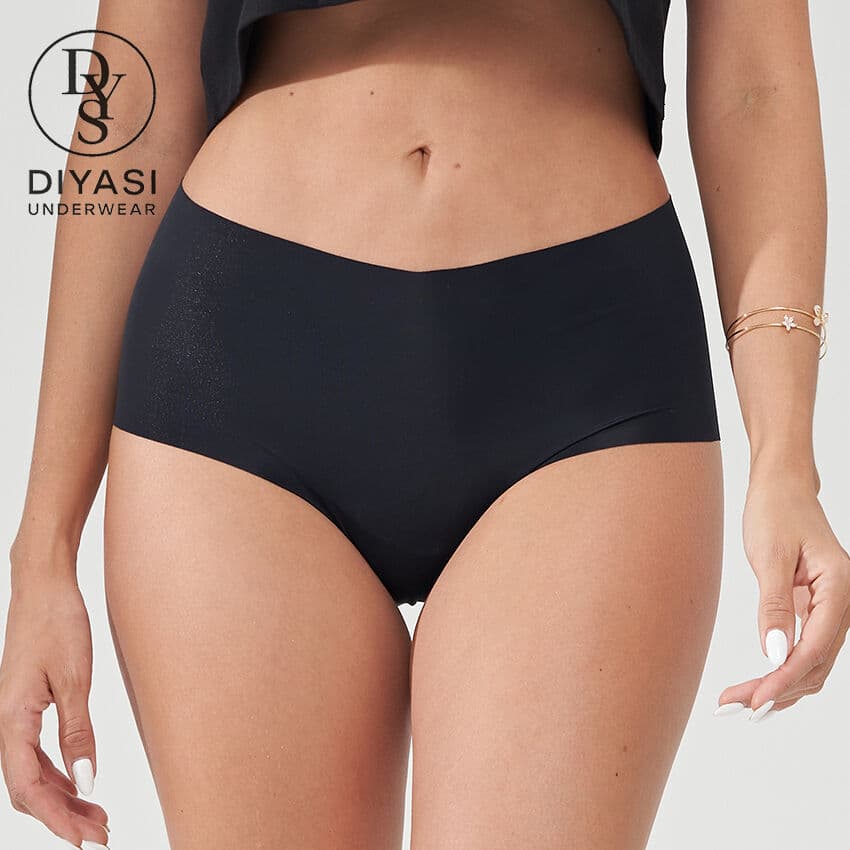
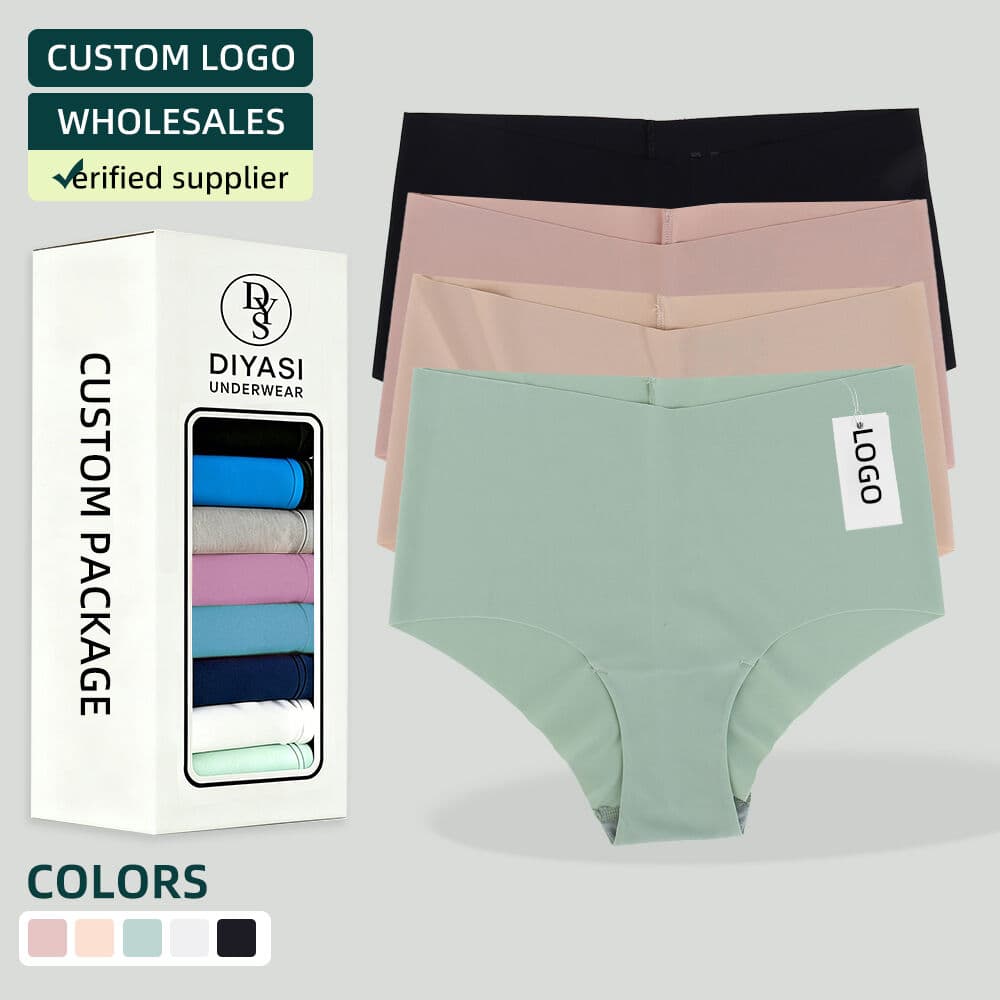
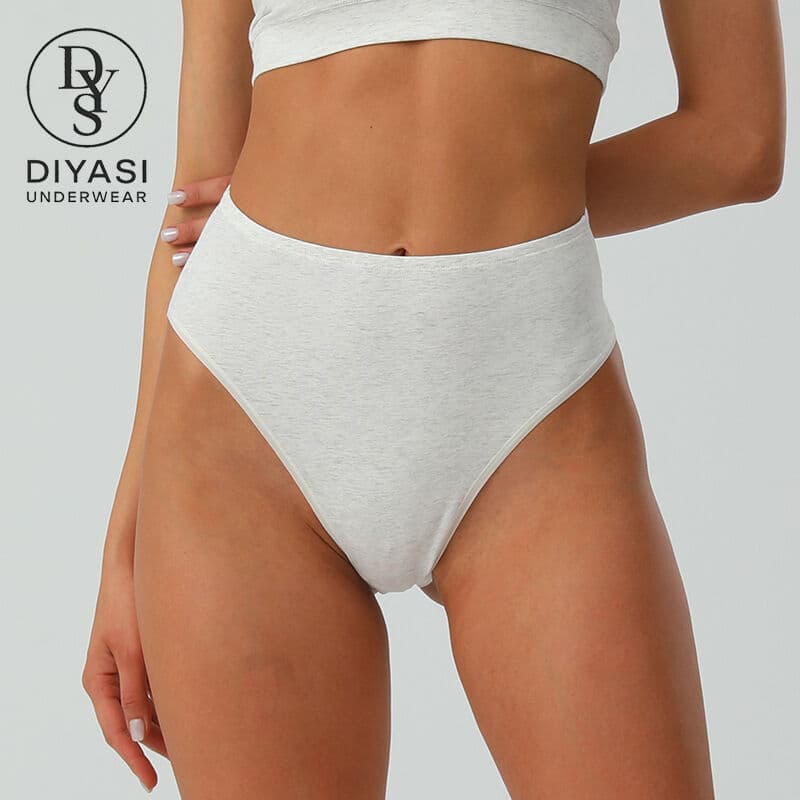
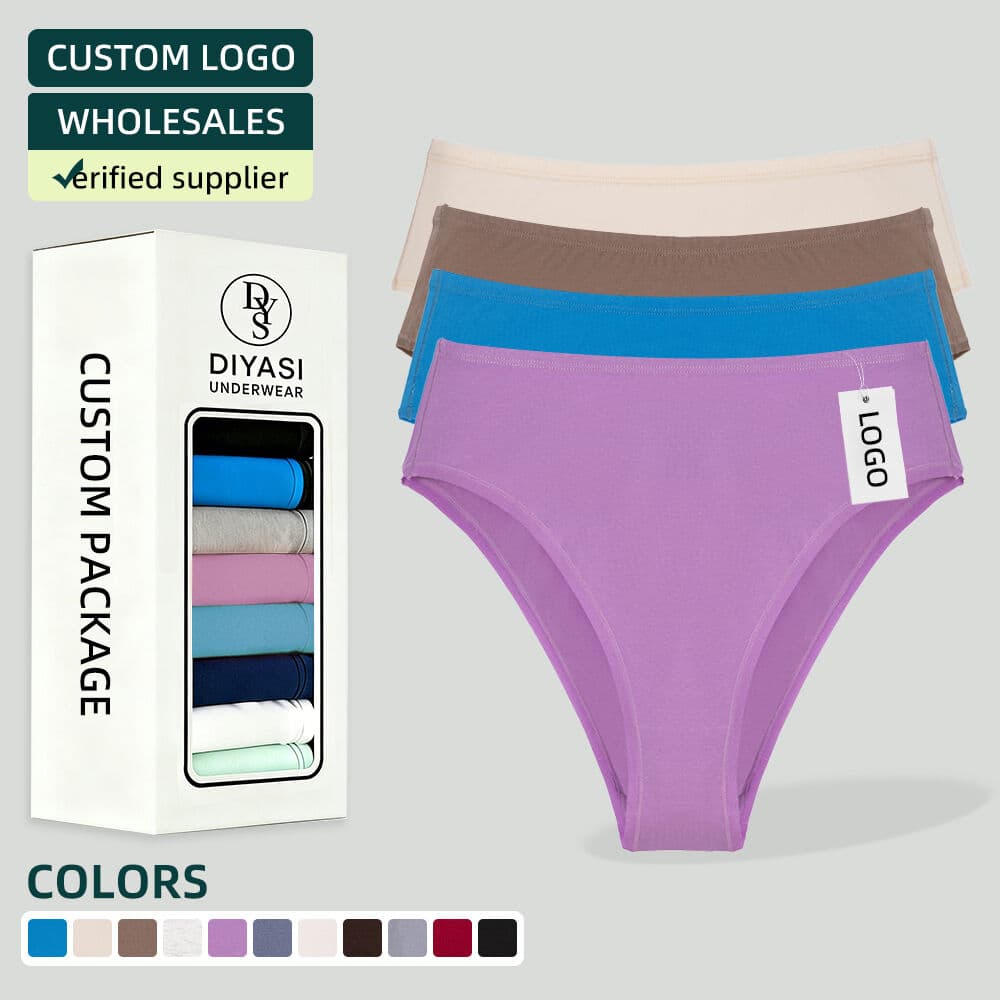
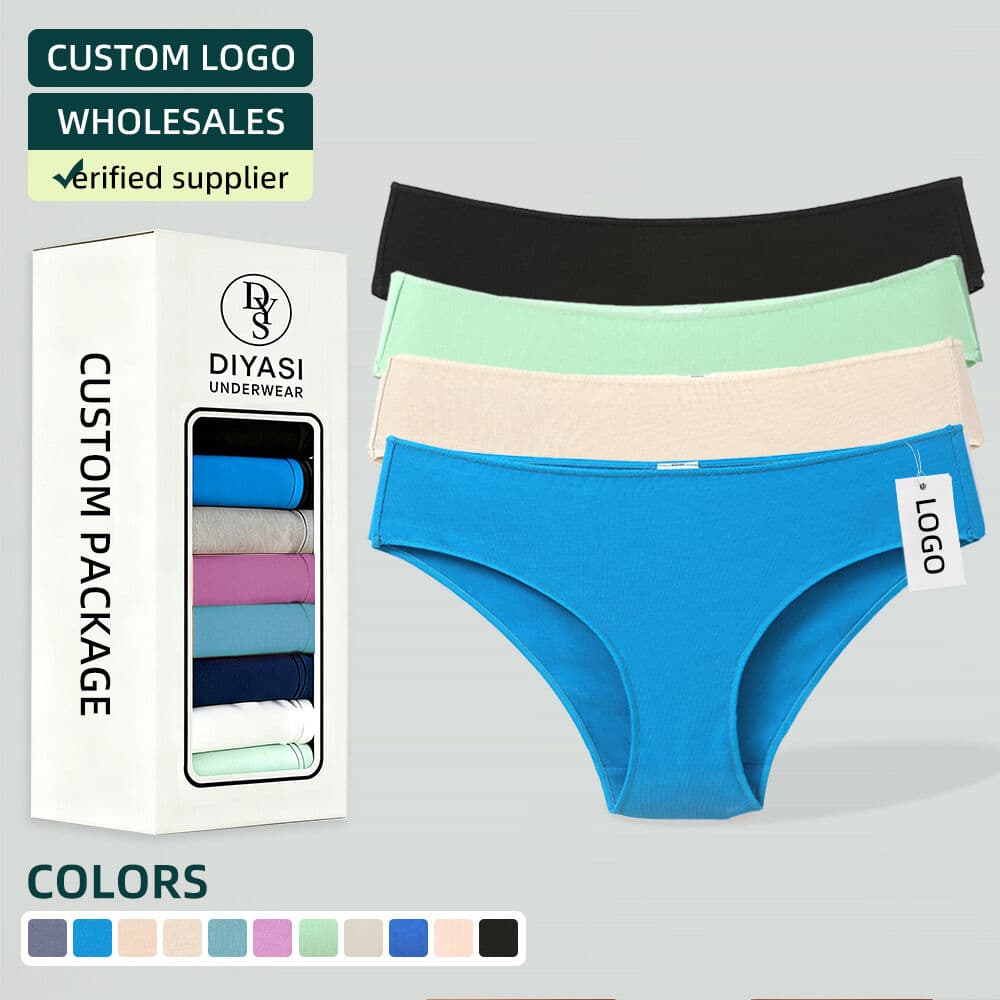
This cotton vs seamless underwear buyers guide separates a fiber choice from a construction choice. DIYASI cotton references commonly list 95% cotton / 5% spandex bodies, while the listed seamless references use 80% polyamide / 20% spandex bodies with cotton gussets. Neither category is universally better. Compare intended fit, coverage, component materials and the sample’s result under your planned clothing and care method.
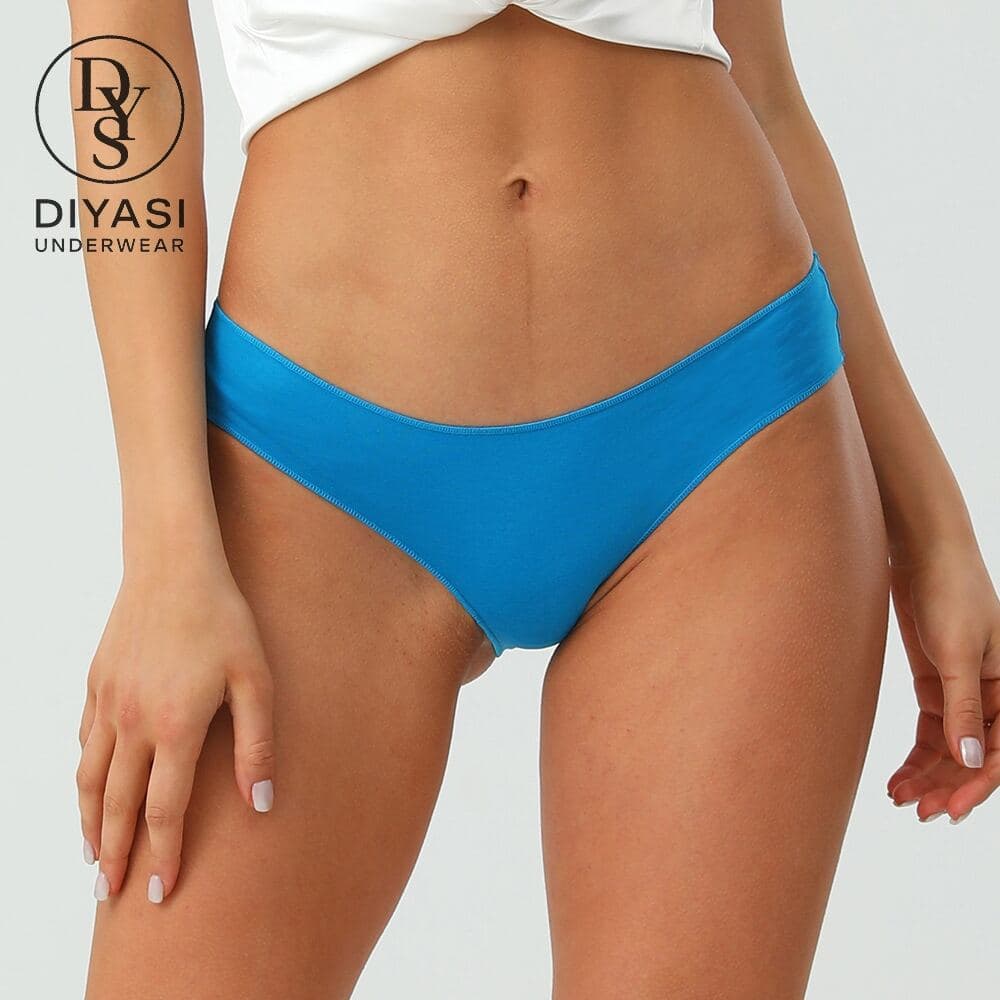
Everyday cotton underwear manufacturer: compare the real blend
DYS201 gives a low-rise bikini reference and DYS219 a high-waist, high-leg reference. Both are cotton-spandex styles, not all-cotton garments. Ask for the exact body and gusset specification and review stretch recovery, measurements and shrinkage after the agreed wash method. Differences in rise and coverage should be recorded separately from material differences.
| Selection point | Cotton references | Seamless references |
|---|---|---|
| Body blend | Listed 95% cotton / 5% spandex | Listed 80% polyamide / 20% spandex |
| Coverage | Bikini, briefs, boyshorts and thongs by model | Brazilian, full brief and thong by model |
| Gusset | Confirm the selected model’s component | Cotton; bonded or sewn by model |
| Review | Fit, elastic, care and measurements | Fit, cut edge, attachment and clothing visibility |
Seamless panties manufacturer OEM: review construction too
DYS323 is a bonded Brazilian example and DYS314 a sewn-gusset full brief. Compare edge stability and attachment after washing and movement. If the target is reduced visibility, review the sample under the actual outer clothing. The fiber blend alone cannot prove a no-show outcome.
Underwear gusset materials guide: separate the components
A cotton gusset can appear in a polyamide-spandex body, while a lace-trim garment can combine a cotton-spandex body with a separate lace blend. Describe each relevant component in the quotation and care-label brief. Do not turn a lining statement into a claim that the entire garment is cotton.
Select the material with a documented sample comparison
Define the wearer, coverage and care needs first, then shortlist a cotton and a seamless model with comparable measurements. Record any pattern differences and the review outcome. Catalogue MOQ is 120 pieces per style; sample guidance is 5–7 days after brief review. Confirm component availability, branding and the final order specification before purchasing.
One more thing
Is cotton always more suitable than seamless for everyday underwear?
No universal result is established here. Fit, knit or fabric, finish, coverage and care all affect the outcome. Compare the selected physical samples for your wearer and use.
Does a cotton gusset mean the whole garment is cotton?
No. It describes one component. The listed seamless examples have polyamide-spandex bodies and cotton gussets.
Can I compare only the material if the patterns differ?
Record the pattern difference explicitly. Where practical, compare similar rise and coverage so a fit difference is not mistaken for a material effect.
Sources & further reading
Product examples refer to the DIYASI catalogue. External standards explain their own scope; a reference is not a claim that a specific garment or factory is certified.
DYS201 original manufacturer specification ↗DYS219 original manufacturer specification ↗DYS323 original manufacturer specification ↗DYS314 original manufacturer specification ↗Put the details into practice.
Share your selected styles, target market, planned quantity and branding needs.
Start a Project