DIYASI is a Yiwu underwear manufacturer with a catalogue starting reference of 120 pieces per style. A low MOQ underwear manufacturer must still check the proposed size and colour allocation, fabric availability and branded components before accepting an order. The reference is not a promise to divide one quantity across unrelated designs, and it is not a universal minimum for every custom development. Use this page to decide which model to test, how to write an allocation grid and what needs separate quotation. Sample guidance is 5–7 days after brief review, with timing confirmed for the actual project.
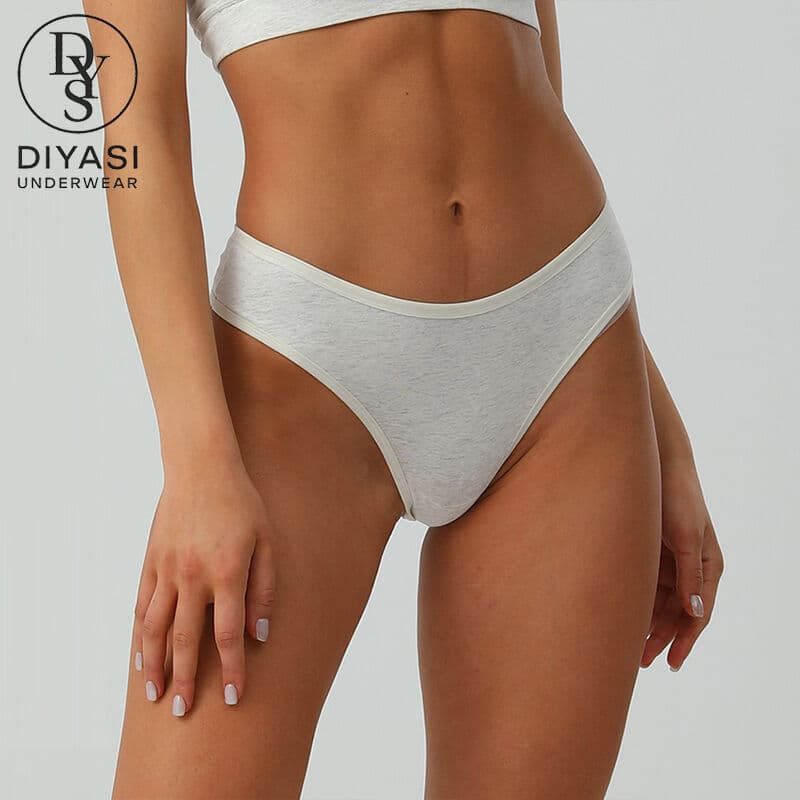
Count by style before counting by colour
Write one line for each selected model. Under the catalogue reference, two separate styles create two separate quantity decisions; a bikini and a thong do not become one style because the fabric colour matches. Build the size-by-colour grid beneath each model and reconcile its total. Ask which combinations are available before allocating a marketing budget to them. If a requested combination cannot be supplied, review the alternative explicitly rather than allowing a supplier to rebalance the assortment without approval.
Identify the component that sets the practical minimum
The garment minimum and the minimum for a custom component answer different questions. A selected base style may be compatible with a small order while a specially woven waistband or printed box requires a separate purchasing quantity. Ask whether unused components are charged to the first order, retained for a later order or excluded from the proposal. Do not assume any of these arrangements is offered until it appears in the quotation. An available label method can be a more practical first-run choice than redesigning every part of the product.
Use the first run to answer a buying question
Choose what you need to learn: the preferred rise, the acceptance of a fabric hand feel, or demand across sizes. Keep the number of changes manageable so results can be interpreted. A small run with many unrecorded differences creates little useful evidence for the reorder. Track returns or fit feedback against the correct style and size, then revise the allocation rather than changing the entire product automatically. Confirm current material availability and component charges again before treating a repeat order as identical to the first.
Specifications to verify before sampling
| Specification | Published reference / confirmation needed |
|---|---|
| Category | Low MOQ Underwear Manufacturer |
| DYS224: composition | 95% Combed Cotton / 5% Spandex |
| DYS201: composition | 95%cotton 5%spandex |
| DYS224: source size range | Standard American / European size - S / M / L / XL / 2XL |
| DYS201: source size range | Standard American / European Size - S / M / L/ XL |
| Fabric weight (gsm) | No verified model-specific weight published; request a measured specification |
| Colour and process | Confirm model-specific availability, dye/print method and approved colour reference; do not infer a stock colour count |
| Minimum quantity | Catalogue reference: 120 pieces per style; custom fabric and components reviewed separately |
| Sampling | 5–7 day catalogue guidance, subject to brief and material review; courier time separate |
| Bulk production | 20-35 days depending on quantity and customization; order-specific confirmation required |
MOQ and a comparable written quotation
A quantity reference describes the garment order, not an all-inclusive service package. Keep the sample fee, development work, labels, custom elastic, packing and freight visible as separate quotation questions. No verified price ladder is available for this page, so it does not publish invented unit costs or volume discounts. Ask for like-for-like quotations using the same specification and destination assumptions. For an assessment-only category, even the garment minimum remains open until the team confirms feasibility.
The website does not publish a verified unit-price ladder. Request your actual quantity and specification through the enquiry form; a quotation is required before making a cost or discount assumption.
Private-label components and their limits
DIYASI's existing private-label information lists waistband artwork, care labels, heat-transfer logos, hangtags and packaging as options for review. Each option must work with the selected construction and materials. Ask what can be retained from the source model and what changes require another sample or component purchase. The list is not a promise that every combination is available at the catalogue minimum. Approve placement, content and physical application; a brand file alone is not a complete manufacturing instruction.
| Component | Available review route | Approval boundary |
|---|---|---|
| Waistband | Custom artwork on a suitable selected style | Method, stretch, placement and component MOQ must be confirmed |
| Woven / care label | Submit artwork and destination requirements | No automatic certification, composition or legal claim |
| Heat-transfer logo | Review with the actual fabric and construction | Do not assume every material accepts the same process |
| Hangtag | Approve text, dimensions and attachment | Brand artwork rights and final information remain explicit |
| Bag / box / stickers | Review the requested packing format | Printed components may have a separate minimum and charge |
Quality checks and certification evidence
The published factory process describes incoming-material, inline-production and final checks. Use the approved measurements, construction, labels and packing instruction to define what those checks need to cover for your order. An AQL guide explains how a buyer can prepare an inspection plan; it is not a factory certificate or a universal acceptance threshold. No current certificate number or product-specific test report is asserted here. Request the relevant document, its validity and its product or facility scope before using a certification or performance claim.
Factory information and inspection stages · Prepare an AQL inspection and defect checklist
Six decisions from brief to dispatch
1. Define the project and its boundaries
Timing: Timing confirmed after brief review
Send the destination market, intended garment, model references and quantity by style. Separate confirmed requirements from questions that need the factory's response. Include the proposed size and colour allocation rather than only a total quantity. This gives the team a basis for identifying missing information, checking category feasibility and explaining which development or component decisions are still open. Keep the enquiry and its revisions together so a later quotation can be traced to the brief it actually answers.
2. Review materials and branded components
Timing: Availability and component schedule confirmed in the quotation
Compare the proposed composition, construction, colours and trims with the source model or technical specification. Review artwork, label information and packaging as separate inputs. Ask the team to identify any material substitution, component minimum or development charge before treating the proposal as accepted. A digital proof can settle artwork details but does not prove the feel or behaviour of a finished garment. Record the agreed material references and request a physical sample appropriate to the project.
3. Request and assess the sample
Timing: Catalogue reference 5–7 days; not a promise for unconfirmed categories or new development
Confirm when sampling begins and what the sample will represent. Review fit, finished measurements, construction, component composition and branding against the agreed brief. Note which details are final and which still need a revised sample or proof. Courier delivery and review rounds are separate from sample-making guidance. Use a dated comments record and retain the physical reference so the production decision is based on a specific version rather than a general impression from a photograph.
4. Approve the specification and commercial terms
Timing: Buyer and factory approval milestone; no fixed duration published
Reconcile the garment quantity with the size-by-colour grid, then confirm unit pricing and all separately charged items in writing. Identify the approved sample, artwork files, labels, packing method and delivery terms. Ask how changes or unavailable components will be handled after approval. Do not allow a missing measurement, unclear material description or unresolved category question to become an assumed manufacturing instruction. Both sides should be able to identify exactly which version has been released for production.
5. Produce and inspect against the approved record
Timing: Underwear reference 20–35 days, subject to quantity and customization; other categories require confirmation
Agree the production milestones and inspection scope for the actual order. Incoming material checks, inline checks and final inspection serve different purposes and should reference the same specification. If a defect, shade difference or packing issue is found, document the affected lot and the agreed action. A general process description is not proof that a particular batch passed. Request the records required by your purchasing procedure and keep them associated with the correct product and order version.
6. Confirm packing, dispatch and reorder information
Timing: Dispatch and transit quoted separately for the chosen route
Check final quantities, labels, carton markings and packing documents before dispatch. Confirm the delivery arrangement and which party is responsible for each transport step. Retain the approved sample and the final specification after shipment because they are useful references for any question about the received goods. A reorder still needs current availability, price and schedule confirmation. Use feedback by style and size to prepare that request instead of assuming that every earlier commercial or material condition remains unchanged.
Detailed buying notes retained from the sourcing guide
A 120 pcs MOQ underwear manufacturer gives you a style-level starting quantity, not a total spread across unrelated designs. DIYASI catalogue orders start at 120 pieces per style. List the model, requested sizes and colors together; mixed sizes and colors are confirmed for the actual assortment. Review custom components separately before treating a catalogue sample as a finished private-label order.
Underwear private label low MOQ: separate garments and components
Keep the garment quantity and branding requirements in separate lines of the brief. A selected catalogue pattern can be a starting point, while a woven waistband, care label or printed box needs its own availability and minimum review. Ask whether the proposed components work with your 120-piece style order before approving artwork.
| Brief line | What to confirm |
|---|---|
| Garment | 120 pieces per style; selected model and assortment |
| Branding | Logo method, placement, artwork version and component minimums |
| Packaging | Bag or box material, print proof and packing method |
| Schedule | 5–7 day sampling guidance; confirmed start and dispatch plan |
Mixed sizes colors MOQ underwear: record the allocation
Use a size-by-color grid for each model. The total for that model must reconcile with the order quantity, and each requested combination must be checked for availability. A request to mix DYS201 and LS006 is two style requests, not one style with two names. Do not replace unavailable combinations without written approval.
Small batch underwear production China: choose the base style
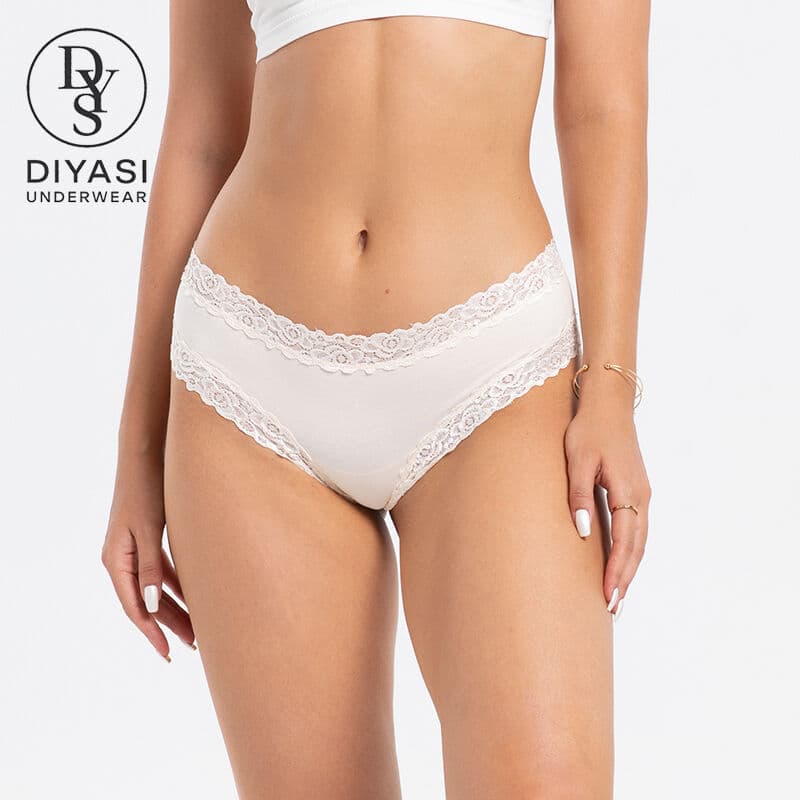
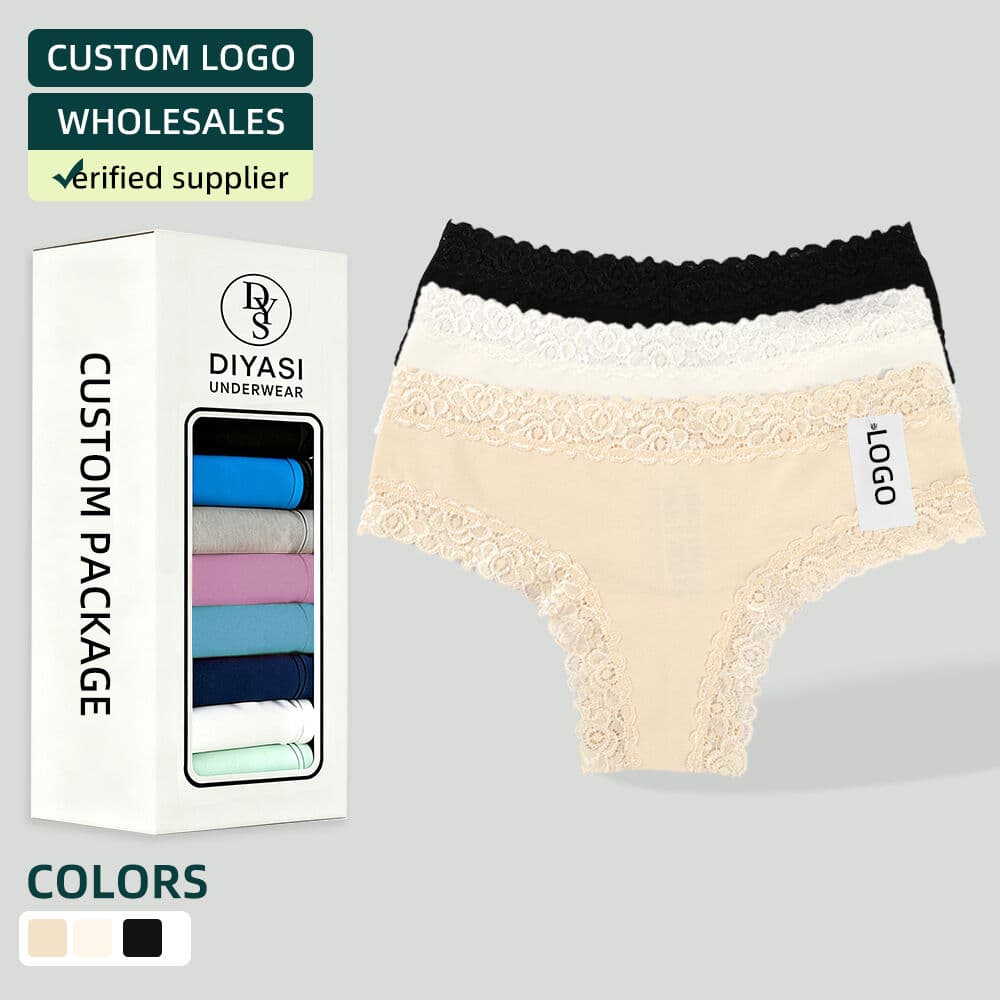
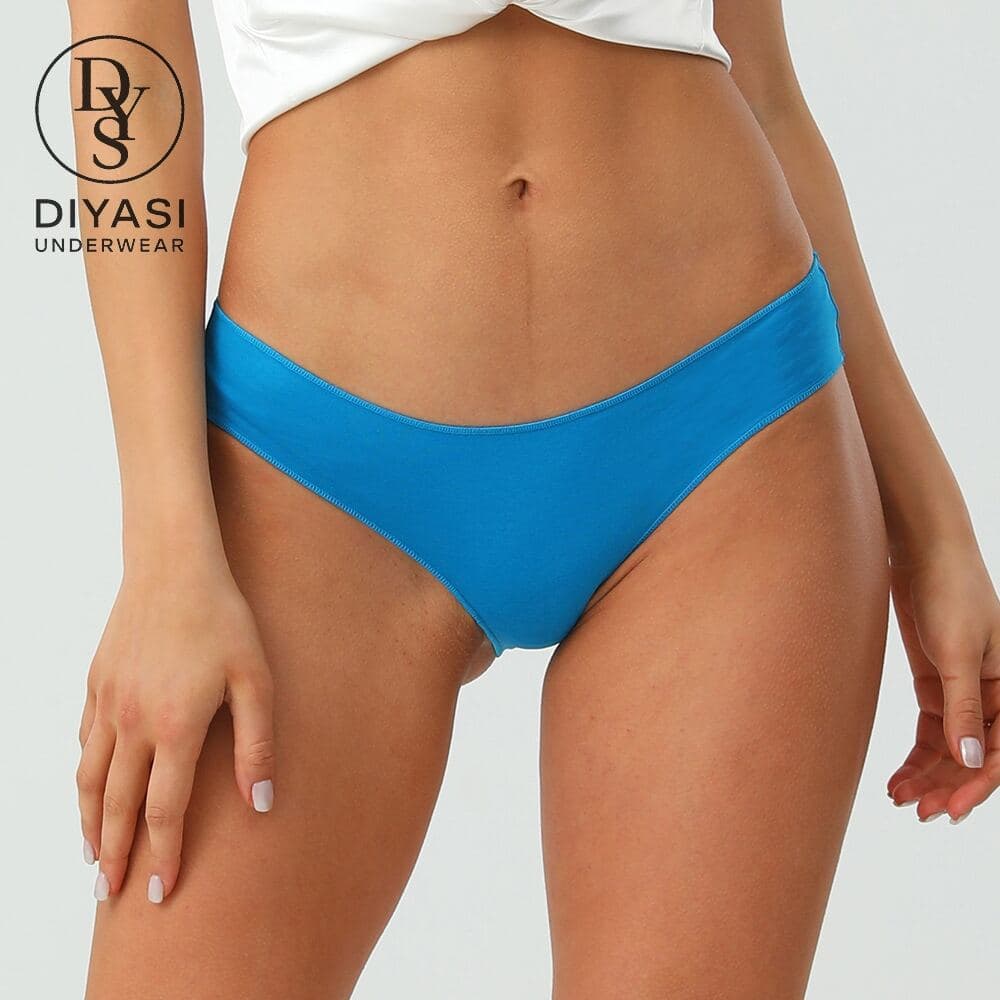
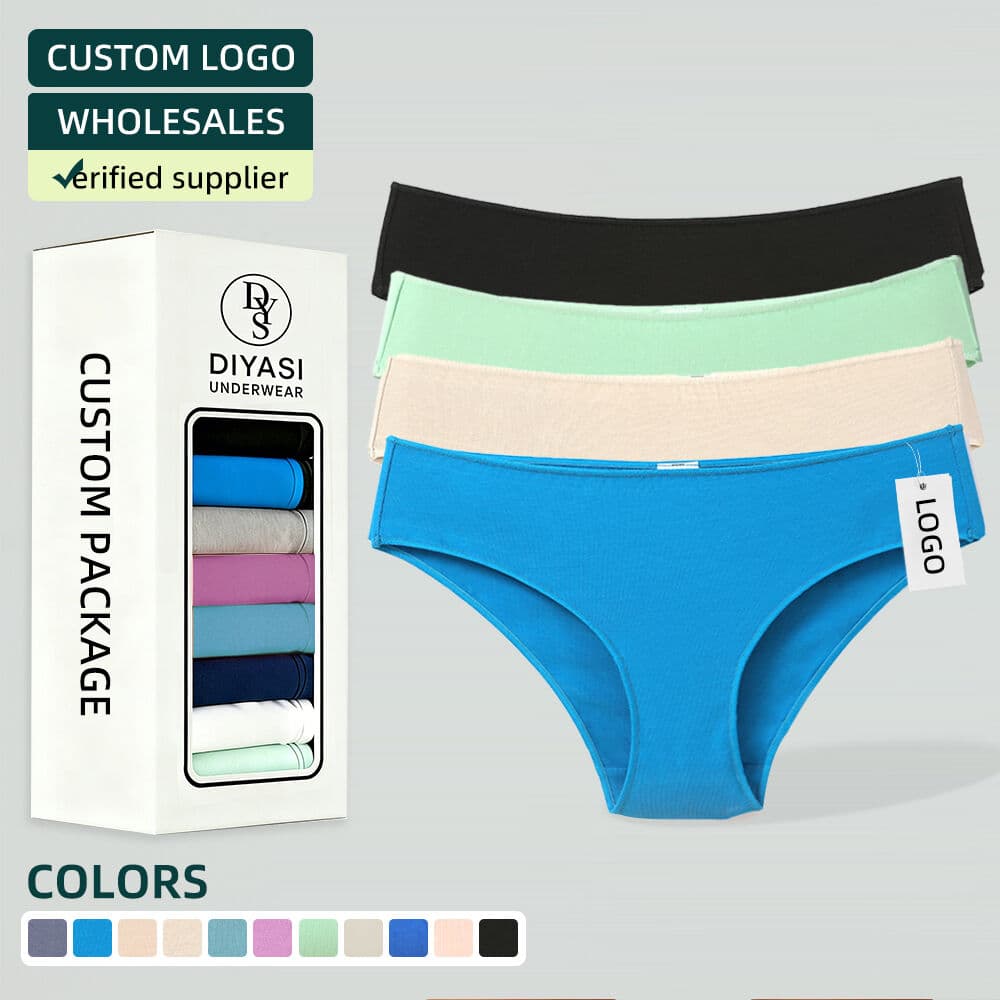
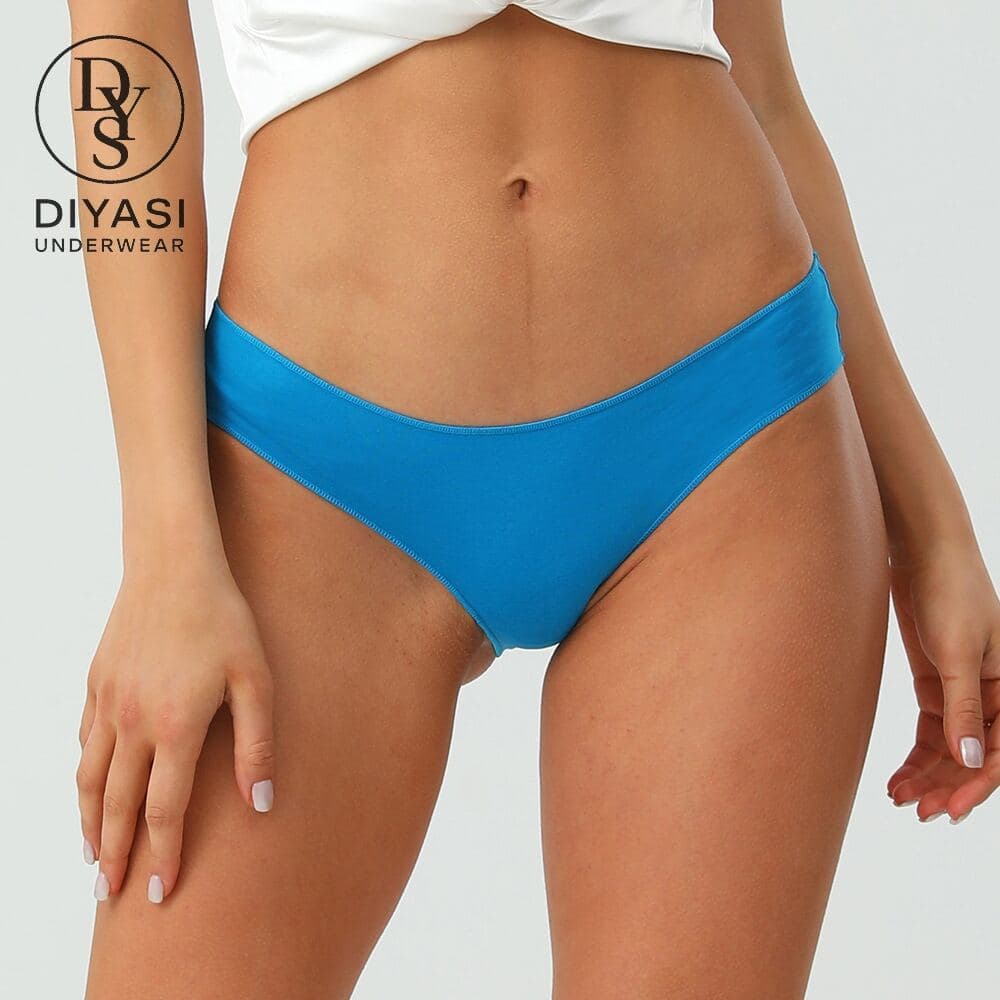
Start with an existing model when the fit and construction meet your brief. DYS201 is a low-rise cotton-spandex bikini; LS006 has a cotton-spandex body with lace trim and Brazilian coverage. Sample them for their different construction and coverage rather than treating fabric, silhouette and branding as interchangeable choices.
Underwear MOQ explained before sample approval
Retain the approved sample and a specification covering measurements, component composition, logo and packaging. Sample guidance is 5–7 days after the team reviews the brief and material availability. Request sample fees, component charges, freight and bulk timing in the quotation; this website does not publish a unit price.
Low MOQ underwear with custom labels
A request for low MOQ underwear with custom labels needs two approvals: the garment assortment and the branded components. Write each model on its own order line, then reconcile the size/color quantities with 120 pieces per style. Keep the label or packaging requirement beside that line so an unavailable component cannot silently change the garment order.
| Approval line | Buyer record |
|---|---|
| Style | Model and total garment quantity |
| Allocation | Units by size and color; total reconciled by style |
| Custom component | Artwork version, component availability and written minimum confirmation |
Additional questions from the original guide
Does 120 pieces mean one order across several styles?
No. The catalogue reference is 120 pieces per style. Confirm a separate quantity and size/color allocation for each selected model.
Can I mix sizes and colors within the MOQ?
Propose the allocation for each style. Mixed sizes and colors are subject to the actual model, available materials and written order confirmation.
Does the garment MOQ automatically cover custom packaging?
No. Ask the team to review labels, waistband and packaging components separately against the selected garment order.
How should I record a mixed color underwear order per style?
Use one size-by-color grid for each model. Add its quantities before combining style totals. Confirm every requested combination and any proposed substitution in writing.
What should a wholesale underwear manufacturer confirm before an order?
Ask for a quotation naming the model, component specification, size/color split, branding, packing and delivery basis. DIYASI catalogue MOQ is 120 pieces per style; custom components require separate review.
Sources and further reading
External standards explain their own scope; these references do not establish certification of a garment or factory.
DYS201 original manufacturer specification ↗
LS006 original manufacturer specification ↗
Start a ProjectPurchasing questions
Can the order be lower than 120 pieces per style?
The published catalogue reference is 120 pieces per style. Ask the team to assess a different quantity; this page does not promise acceptance below that reference or apply it to every custom component.
How is the sample schedule confirmed?
Catalogue sample guidance is 5–7 days after the team reviews the brief and material availability. Confirm the start point, charges, revision rounds and courier delivery separately. A new pattern or component can require a different plan.
Are published unit prices or automatic quantity discounts available?
No verified unit-price ladder is published here. Request a written quotation identifying the style, composition, quantity, size and colour allocation, branding, packing and delivery terms. Ask for development, component and freight charges separately so offers can be compared on the same basis.
What payment and approval terms apply?
Request the current payment terms in your written quotation; no universal deposit percentage is stated here. Approve the physical sample, final specification, artwork, packing instruction and agreed schedule before authorising production. Use the existing contact form to submit the project brief.
Related manufacturing services
Private Label Underwear Manufacturer
Go deeper before requesting a quote
private label underwear moq guide
reorder planning after low moq first run
OEM / ODM process · Material information · Company identity and evidence
Specifications above come from the published DIYASI catalogue and company pages. They are supplier information, not an independent audit or a substitute for order-specific confirmation.