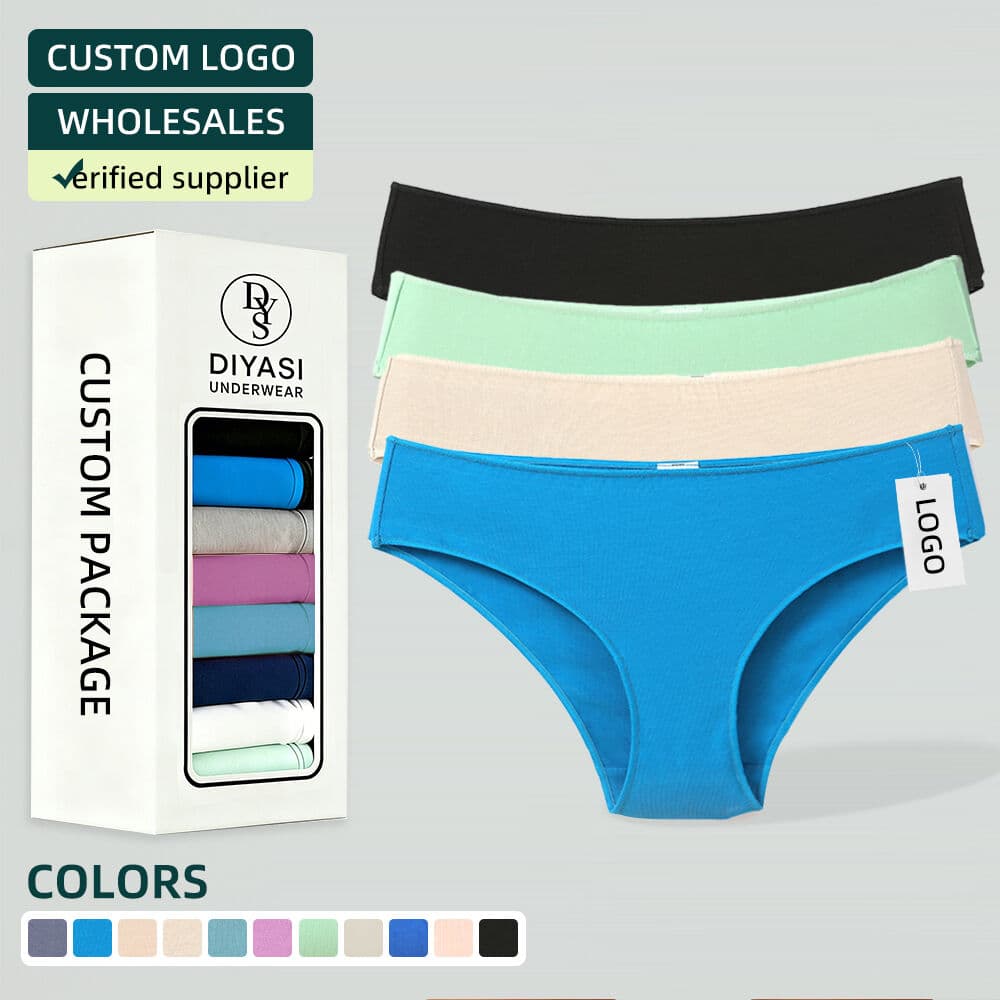
DIYASI is a private label underwear manufacturer in Yiwu, China, working from existing underwear models or a development brief agreed with the buyer. The current catalogue reference is 120 pieces per style, with mixed sizes and colours subject to confirmation. That garment quantity does not automatically cover custom elastic, printed packaging or a new fabric. Start by identifying the base model, what your brand needs to change, and who approves each component. This page separates those decisions so a familiar catalogue design can become a documented branded product, with a physical sample and written quotation before production.
Start with ownership of the specification
A private-label order needs more than a logo file. Establish which pattern is the starting point, which measurements change, and which parts remain identical to the approved catalogue sample. Keep the model number on the technical sheet even if your brand uses a different retail style name. This connects a reorder to the actual construction instead of a photograph that may show several similar products. Document the owner of artwork, the authorised use of that artwork and any agreed restrictions in the commercial paperwork; the website does not establish exclusivity.
Separate garment approval from brand approval
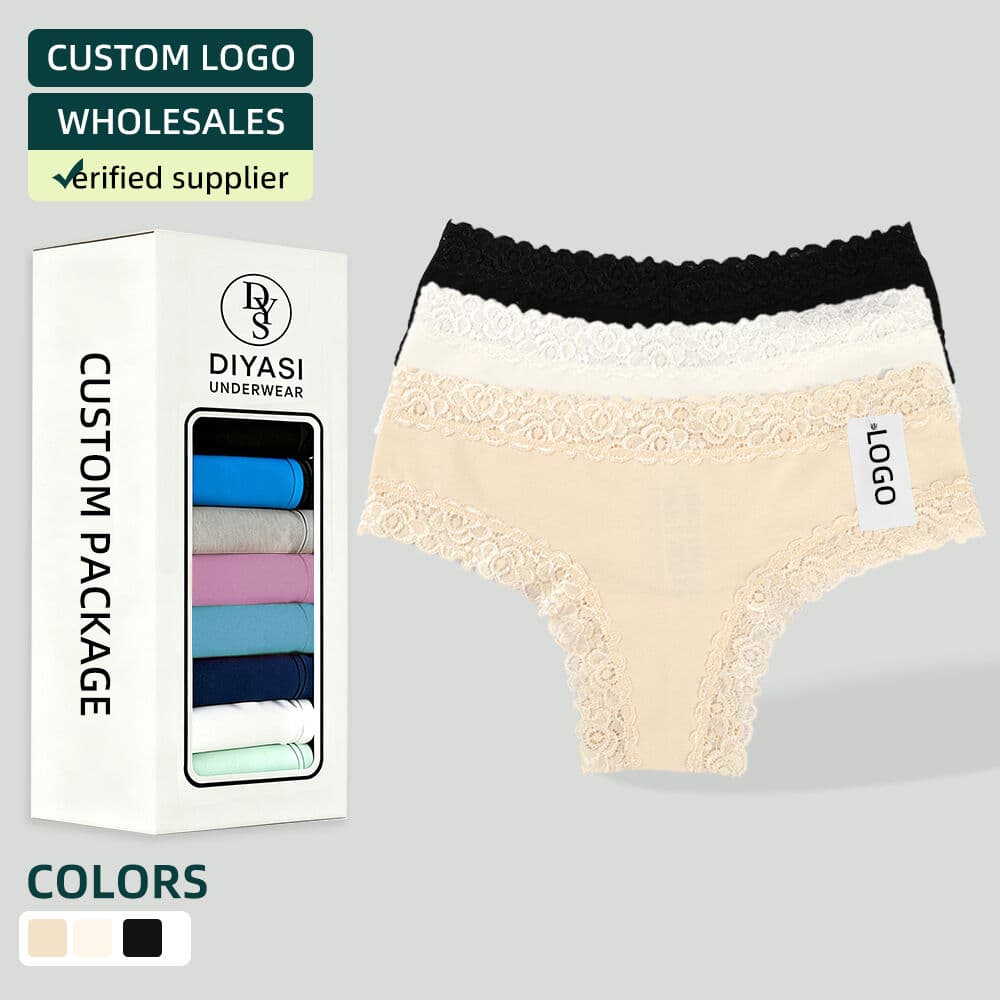
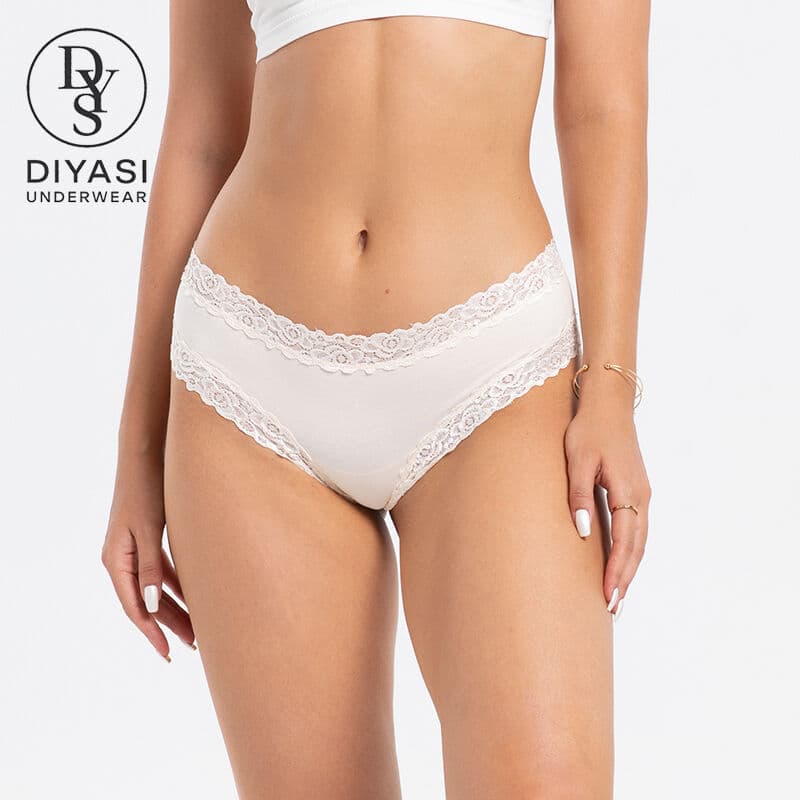
Review a garment sample for fit and construction, then assess the label, waistband and packaging proofs as separate deliverables. A correct logo on an unsuitable garment is not a successful approval. LS006, for example, lists a cotton-spandex body and a different lace composition, so a label must describe the appropriate components rather than copying one generic fibre statement. Check that care instructions, size information and origin information match the destination market and final product. Retain the approved file version alongside the sample so a later artwork replacement cannot silently change the order.
Build a reorderable brand record
Before production, agree how a replacement material or unavailable trim will be handled. Request approval before substitution, record the affected size and colour allocation, and identify whether another sample is required. Keep the final quotation, sample comments, artwork and packing instruction together. For a repeat order, compare the current materials and specifications with that record before assuming the earlier price and schedule still apply. A small first run is most useful when it creates a clear manufacturing reference for the next order, not merely a batch carrying your name.
Specifications to verify before sampling
| Specification | Published reference / confirmation needed |
|---|---|
| Category | Private Label Underwear Manufacturer |
| LS006: composition | Body - 95%Cotton 5%Spandex Lace - 80%Polyamide 20%Spandex |
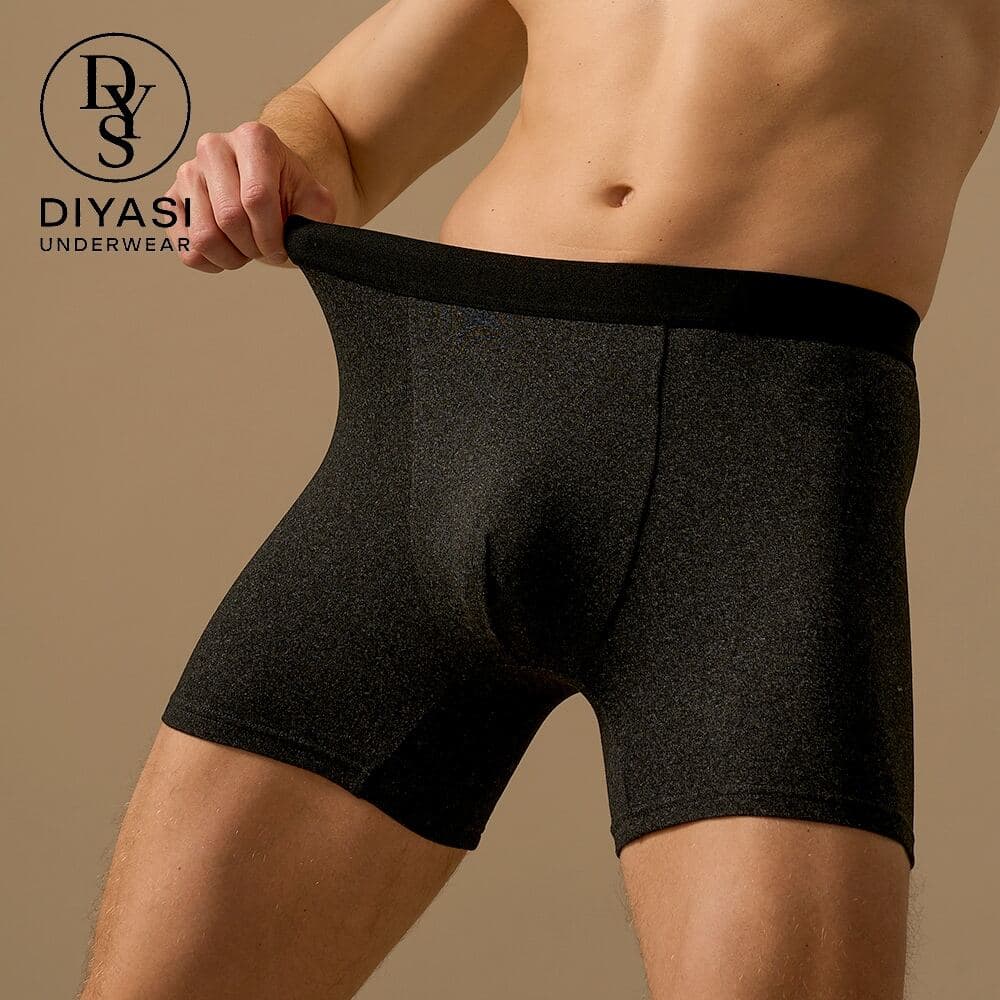
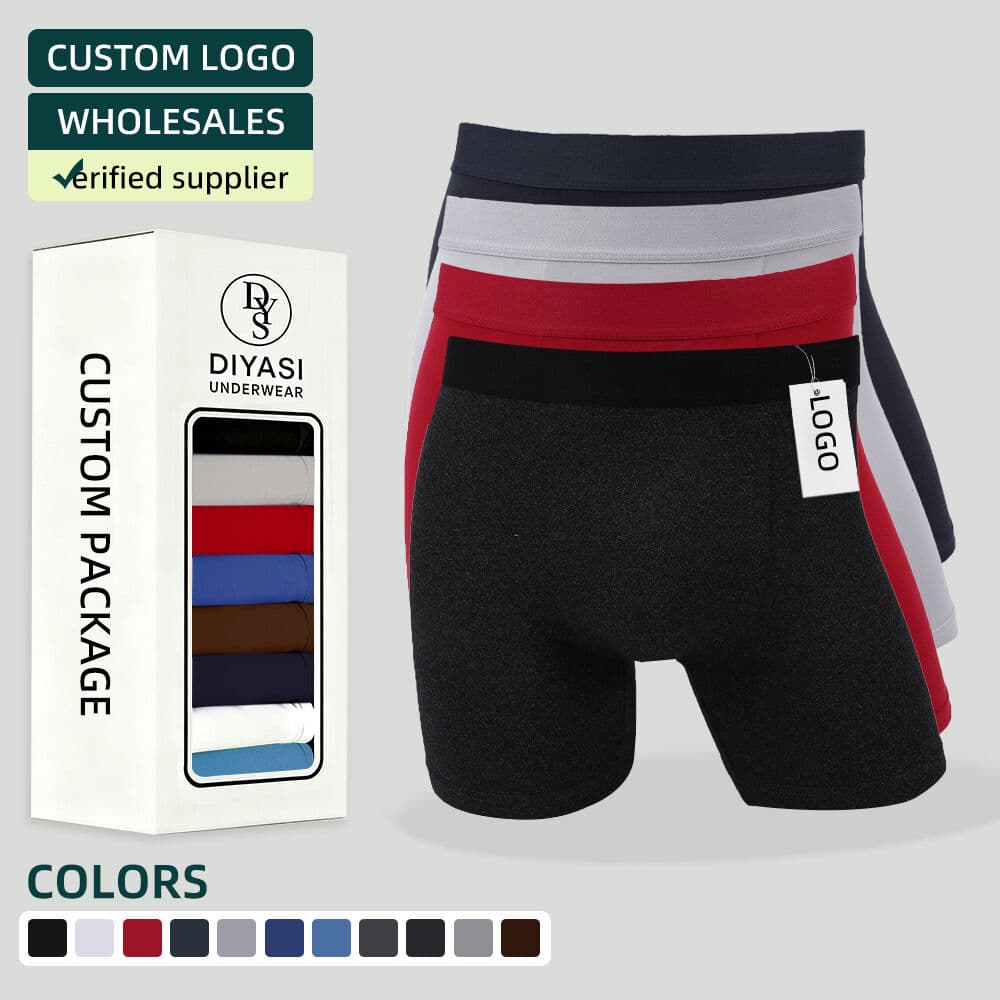
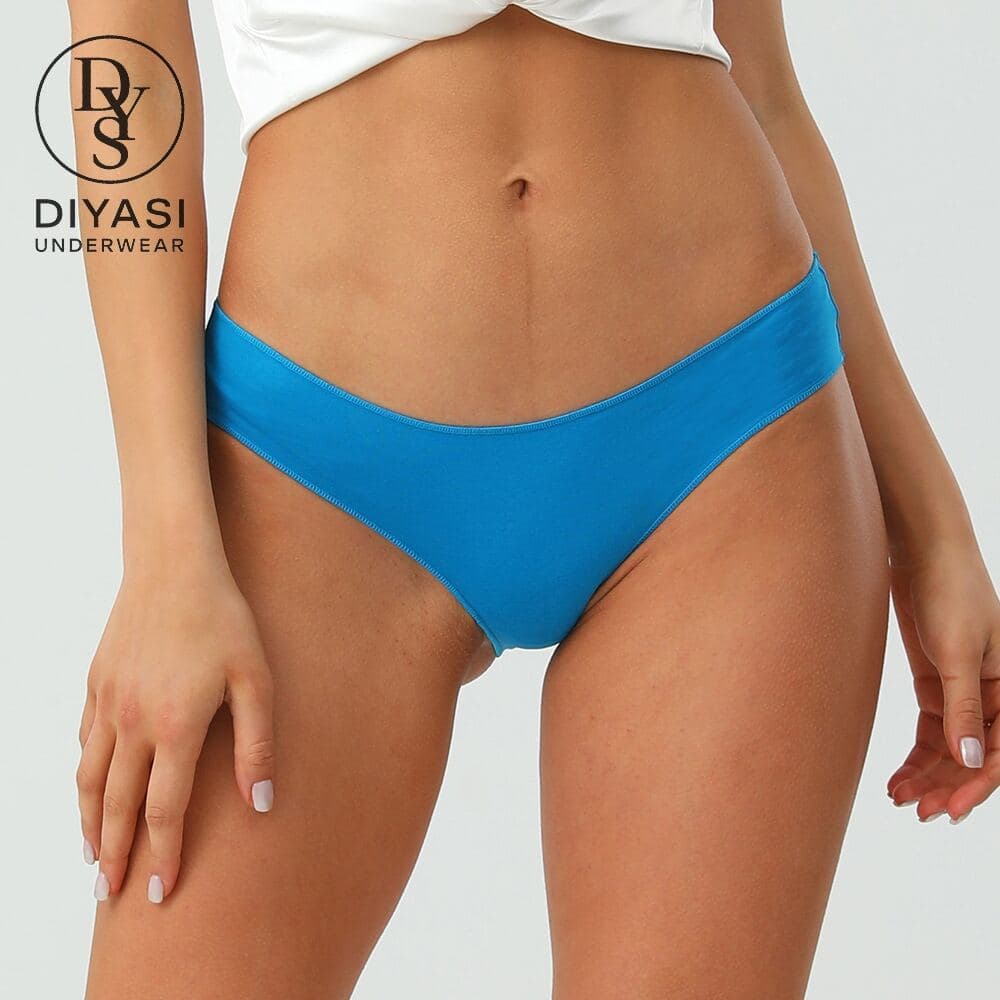
| DYS201: composition | 95%cotton 5%spandex |
| LS006: source size range | Standard American / European Size - S / M / L/ XL |
| DYS201: source size range | Standard American / European Size - S / M / L/ XL |
| Fabric weight (gsm) | No verified model-specific weight published; request a measured specification |
| Colour and process | Confirm model-specific availability, dye/print method and approved colour reference; do not infer a stock colour count |
| Minimum quantity | Catalogue reference: 120 pieces per style; custom fabric and components reviewed separately |
| Sampling | 5–7 day catalogue guidance, subject to brief and material review; courier time separate |
| Bulk production | 20-35 days depending on quantity and customization; order-specific confirmation required |
Approve the base garment and the brand version separately
Keep the catalogue model as the reference for fit. On the branded sample, check only the changes you requested and their effect on that fit. A logo proof cannot approve the garment, and a plain garment cannot approve the finished brand presentation.
| Approval record | Record before release |
|---|---|
| Base model | Model, size, colour and sample revision |
| Brand components | Artwork file version, application position and component reference |
| Packed sample | Garment identity, label text and pack contents |
| Reorder | Approved substitutions, component balance and artwork ownership |
From the approved brief to an order
Keep the sample, specification, artwork and quotation on the same revision. Confirm charges, schedule, inspection scope and delivery terms for the actual order before production.
Full OEM / ODM workflow · Labels and packaging · Factory and quality checks · Inspection and defect checklist
Detailed buying notes retained from the sourcing guide
Use this guide to prepare a sample brief that connects the garment with its logo, waistband, care labels and packaging. Start with a reviewed DIYASI cotton, lace, seamless or men’s style, then define which components carry your identity. Most listed styles start from 120 pieces per style; custom materials and components may require different minimums. Sampling guidance is 5–7 days after review of the brief and material availability. Confirm the schedule and approve the physical garment and its branding together.
White label underwear manufacturer: begin with an existing style
White label and private label are used differently by buyers. In this guide, white label means using a catalogue base with approved brand details; private label may also involve changes to fit or construction. Name each change explicitly. A new logo does not establish that fabric, pattern or packaging changes have been approved.
Custom waistband underwear manufacturer: define the artwork
Supply vector artwork, dimensions, repeat direction and color references. Request a waistband sample and review stretch, recovery and the logo position on the garment. Jacquard, print and heat transfer are methods to discuss for the chosen component; suitability and availability need confirmation rather than being assumed for every catalogue style.
| Brand element | Approval evidence |
|---|---|
| Logo | Artwork version, scale and position on the garment |
| Waistband | Physical elastic, repeat and fit review |
| Care label | Confirmed component composition and destination language |
| Packaging | Printed proof, barcode and packed sample |
Underwear manufacturer custom labels packaging: connect the details
Plan care labels and packaging from the actual order specification. Body, lace and pouch compositions can differ, so copy the confirmed components rather than a broad fabric category. Check the label language, origin information, barcode and size/color identification required for your sales market.
OEM vs ODM underwear manufacturing: agree who supplies the specification
For an OEM brief, identify the pattern, measurements and materials supplied by your brand. For an ODM starting point, record the selected manufacturer design and all agreed changes. The terms do not replace a technical specification. Keep revision history and a signed sample reference so bulk production can be assessed against the same instructions.
Private label underwear with logo and packaging
For private label underwear with logo and packaging, approve the garment, the branding placement and the packed sample as one documented set. Assign a revision to each artwork file and check that the size and model identifiers agree on the garment label and its packaging. Changing a bag or label does not establish a different fabric or fit specification.
| Approval object | Check on the physical sample |
|---|---|
| Garment | Model, fit, component composition and size |
| Logo | Position, scale and artwork revision |
| Packed unit | Matching model, size/color identification and approved packaging proof |
Additional questions from the original guide
How do I request underwear samples from a factory for my brand?
Send model numbers, target sizes and colors, artwork, labeling language, packaging and any fit changes. Ask for the sample cost and the confirmed 5–7 day sample plan before proceeding.
Can a label change affect fit?
Yes. A sewn label or different waistband can change the wearing result. Review placement, bulk, tension and skin contact on the branded sample.
Are all private-label options available at the catalogue MOQ?
Catalogue MOQ is 120 pieces per style. Custom components and development requirements must be reviewed separately and confirmed in writing.
How should I compare white label vs private label underwear?
Define the terms in your quotation. Here, white label starts from a selected catalogue design, while private label adds agreed brand details. Neither term establishes pattern ownership, exclusivity or component availability.
How can I compare private label underwear manufacturers on the same basis?
Send each supplier the same model brief, measurements, artwork, quantity and packing requirements. Compare exclusions and approval steps as well as quoted costs; do not compare an unbranded sample with a fully branded order.
Sources and further reading
External standards explain their own scope; these references do not establish certification of a garment or factory.
DYS201 original manufacturer specification ↗
LS006 original manufacturer specification ↗
M005 original manufacturer specification ↗
Start a ProjectPurchasing questions
Can a catalogue design carry my brand?
Yes, a selected catalogue model can be reviewed for your labels, logo and packaging. Component availability, minimums and the final sample require written approval; exclusivity is not implied.
Does a branded sample replace the original reference?
Keep both references when details change. The base sample identifies the selected fit; the approved branded sample records how the actual labels, waistband or packaging were applied.
Related manufacturing services
Low MOQ Underwear Manufacturer
Go deeper before requesting a quote
custom waistband underwear manufacturer
underwear sampling costs lead times packaging
OEM / ODM process · Material information · Company identity and evidence
Specifications above come from the published DIYASI catalogue and company pages. They are supplier information, not an independent audit or a substitute for order-specific confirmation.