An underwear AQL inspection needs an agreed sampling system, a defined production lot, defect categories and clear acceptance rules. AQL, or Acceptance Quality Limit, is a parameter used in a sampling system; it is not a statement that every garment was checked or that a shipment contains no more than a guaranteed percentage of defects. Prepare the inspection plan before the order is ready to ship, using the approved garment and technical specification as references.
Define the lot and the inspection method
Identify the purchase order, models, colours, sizes, quantities and production status covered by the inspection. Agree how the sample will be selected across the defined lot and how variants will be represented. A few convenient garments chosen from one open carton may not represent the shipment.
ASQ describes ANSI/ASQ Z1.4 as an acceptance sampling system for inspection by attributes, with switching rules for a continuing stream of lots. If a standard is specified, agree the applicable edition, inspection level, plan and relevant rules with the inspector. Writing only AQL on a purchase order leaves important decisions unresolved.
| Plan element | Document before inspection | Why it matters |
|---|---|---|
| Lot definition | Models, variants, quantities and production status | Identifies what the decision covers |
| Sampling system | Standard, level, plan and selection procedure | Determines how units are examined |
| Defect rules | Severity definitions and agreed acceptance criteria | Makes classification consistent |
| Measurement checks | Points, methods, targets and tolerances | Connects findings to the approved specification |
| Release process | Decision owner, corrections and reinspection rules | Explains how findings are closed |
Agree defect examples for the actual underwear
Create an illustrated defect list with the buyer, supplier and inspector. Safety hazards, functional failures and appearance issues need distinct handling. For example, a sharp foreign object, an open structural seam and a minor cosmetic thread issue raise different concerns; their classification and response must be agreed rather than inferred from this article.
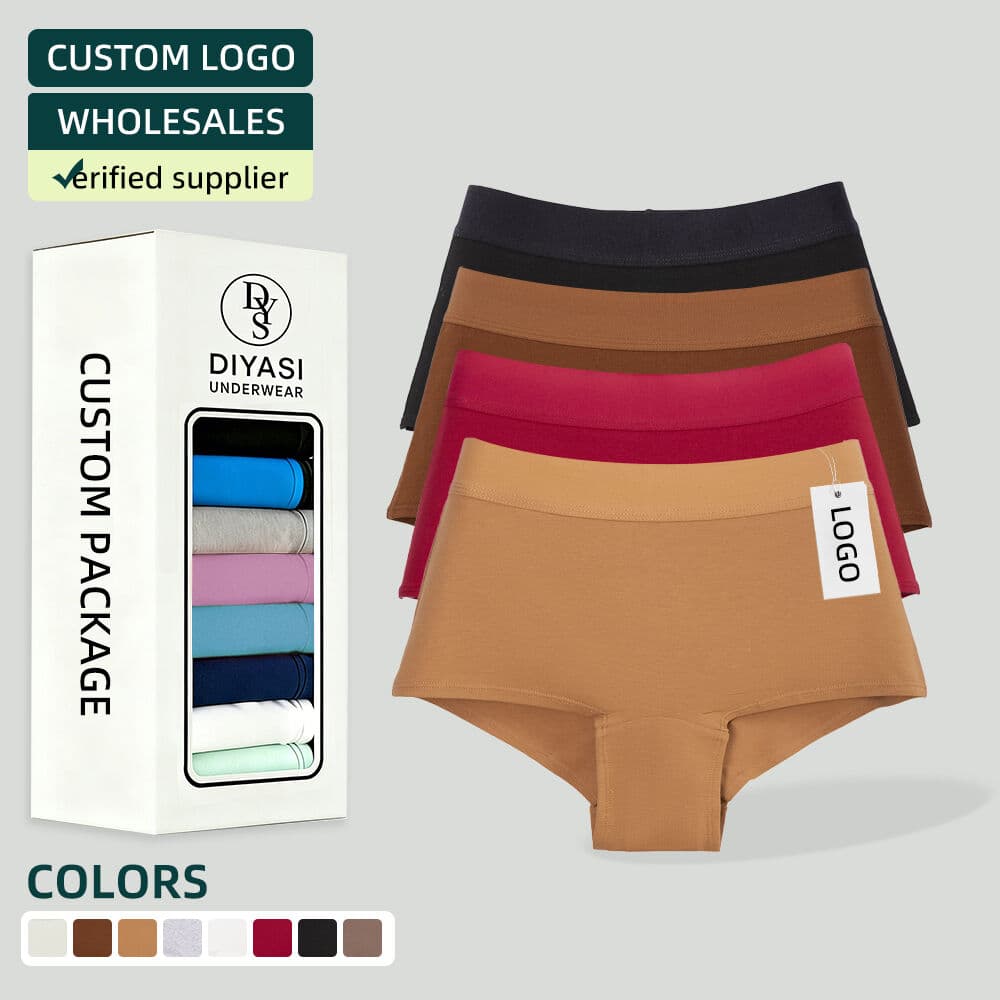
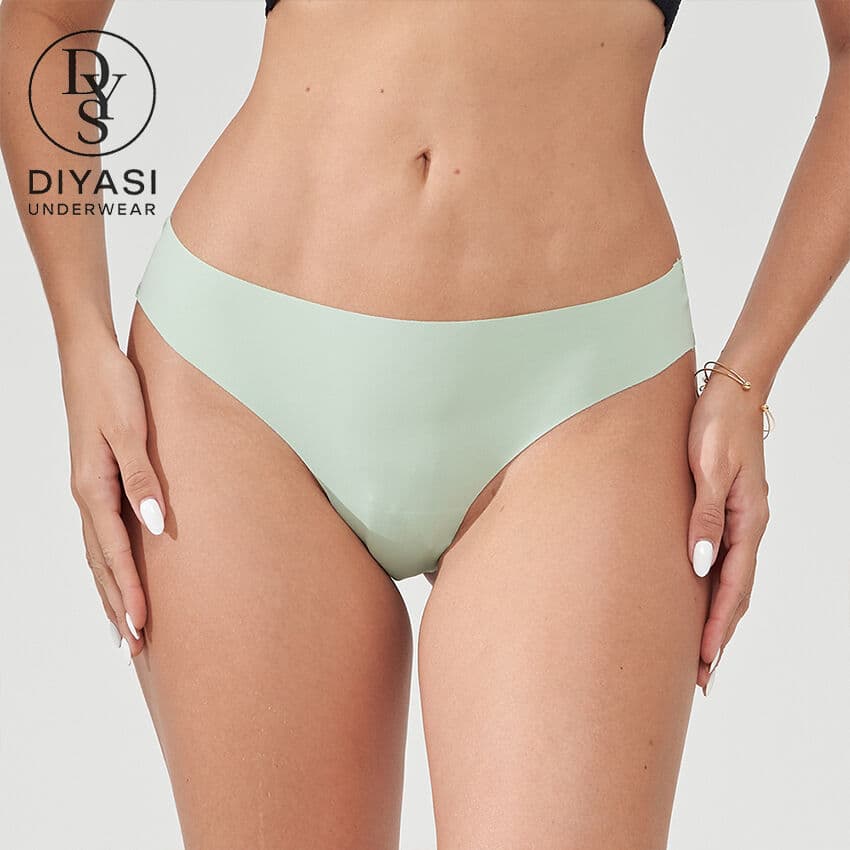
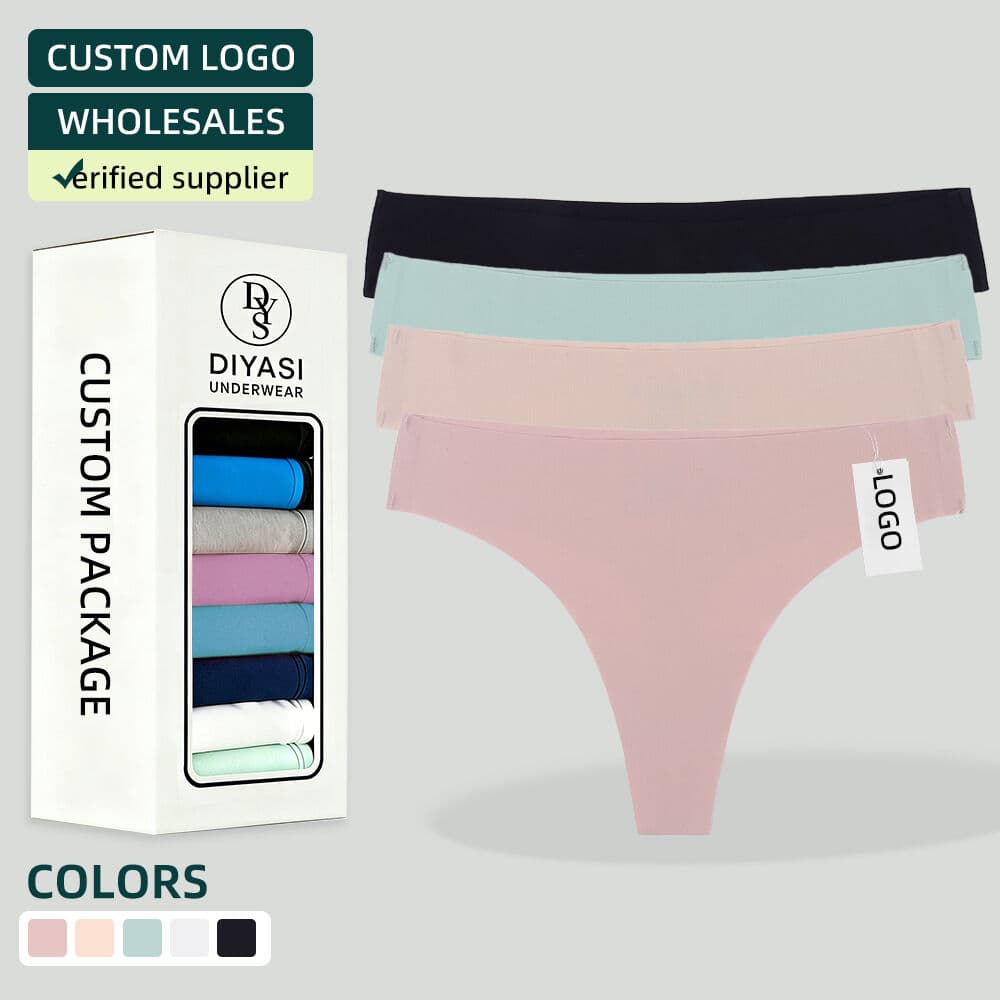
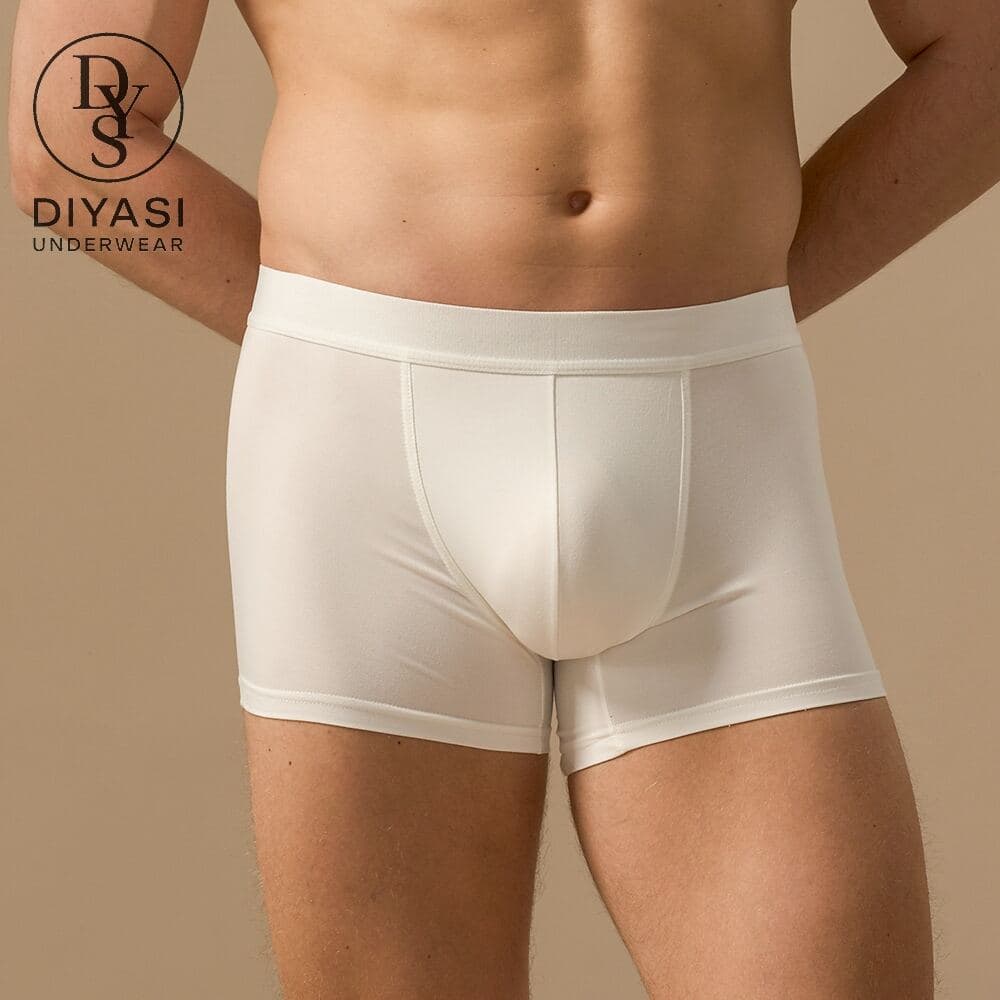
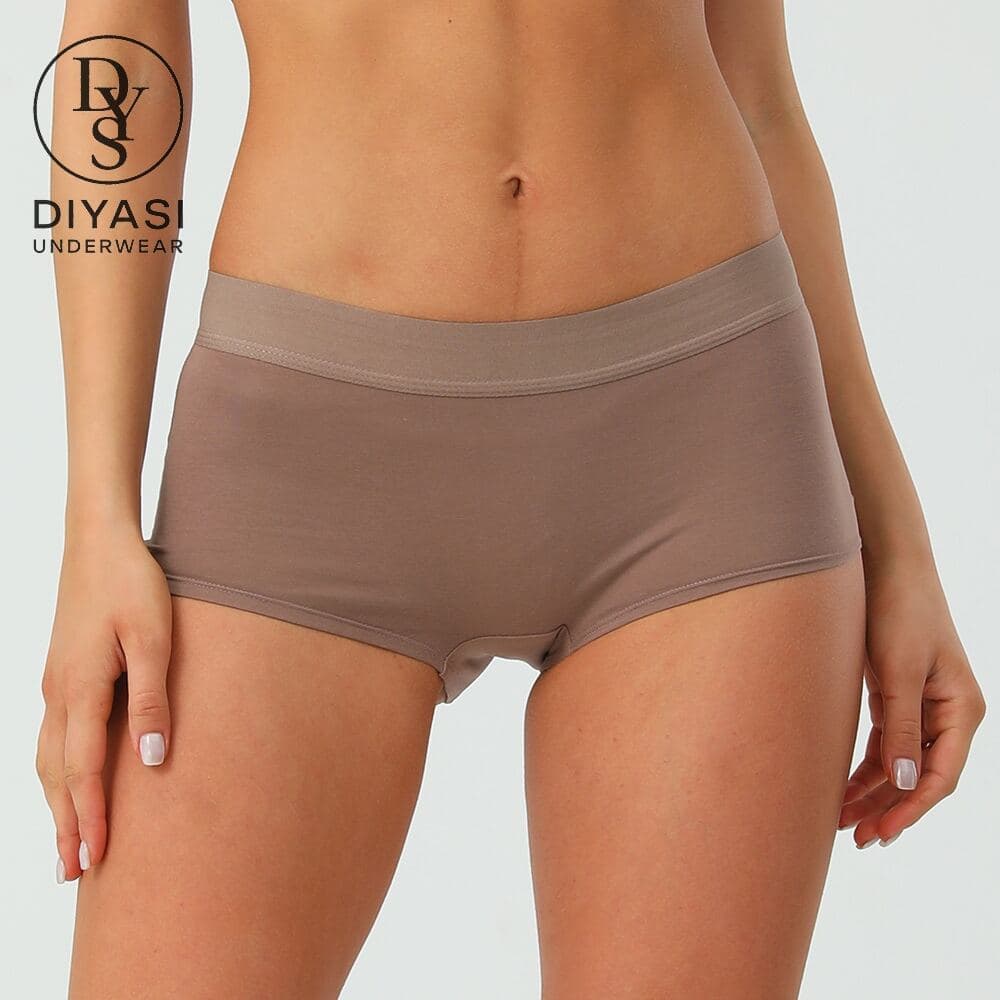
Use relevant construction references. DYS215 calls attention to the wide waistband and leg hems; DYS322 includes a bonded gusset; M007 has a men's pouch and leg construction. Check the approved requirements for those details instead of applying an unrelated garment checklist unchanged.
Separate workmanship, measurement and test evidence
Record observed defects with photographs, locations and sample identifiers. Keep the counting rule explicit: a count of nonconforming garments is different from a count of individual nonconformities, because one garment can have several issues. The report should follow the agreed sampling system consistently.
Dimensional checks need the approved measuring method and tolerance. Fibre composition, colourfastness and other performance claims may require separate evidence or tests; a visual inspection does not establish them. Note which checks were performed, which documents were reviewed and which requirements remain unverified.
Resolve findings before the release decision
The report should identify the lot, selected units, findings and conclusion under the agreed plan. If the lot is not accepted, record the containment or rework action and the verification needed afterwards. Do not quietly replace the inspected pieces and treat the original report as a new approval.
Keep the shipment-release decision separate from the inspector's observations where your purchasing process requires it. An accepted sample supports a lot decision within the plan's limits; it does not replace ongoing process control or establish zero defects throughout production.
AQL questions from underwear buyers
What AQL should every underwear order use? There is no universal value supplied here. Agree the product requirements, defect severity and sampling plan with qualified inspection support.
Does AQL mean the same thing as inspecting a fixed percentage? No. Sample size and acceptance rules depend on the selected system and its inputs.
Is this DIYASI's inspection result? No. It is a planning guide. An actual result must identify the order, lot, date and inspection evidence.
Put your research to work
Choose a supplier using relevant evidence ↗Approve the production reference sample ↗Check size-set measurements ↗Reconcile the packing list ↗Product sources
Product examples refer to the linked DIYASI source specifications. Confirm the final materials, measurements and availability for your selected sample.
DYS215 original product specification ↗DYS322 original product specification ↗M007 original product specification ↗Further references
ASQ: ANSI/ASQ Z1.4 and Z1.9 sampling systems ↗A starting point for your collection.
Share your selected model numbers, intended market and sample requirements with the DIYASI team.
Discuss your collection ↗