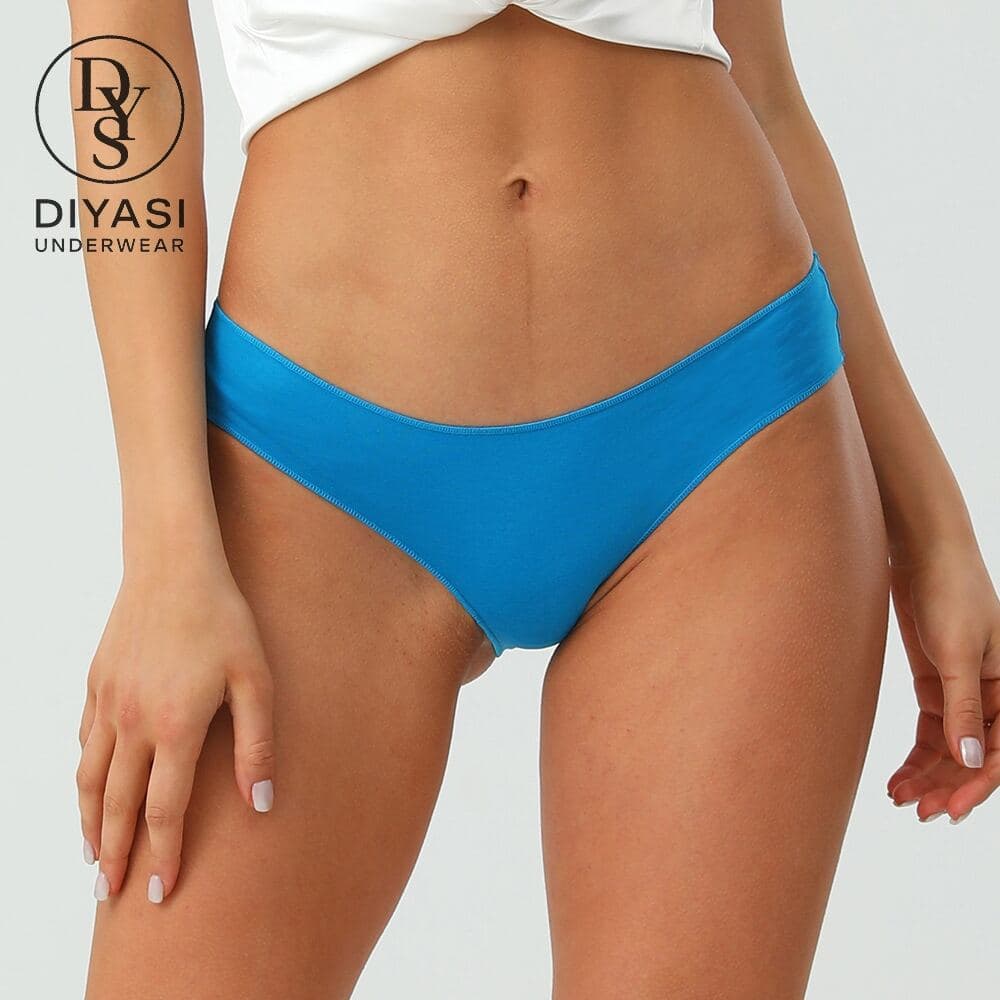
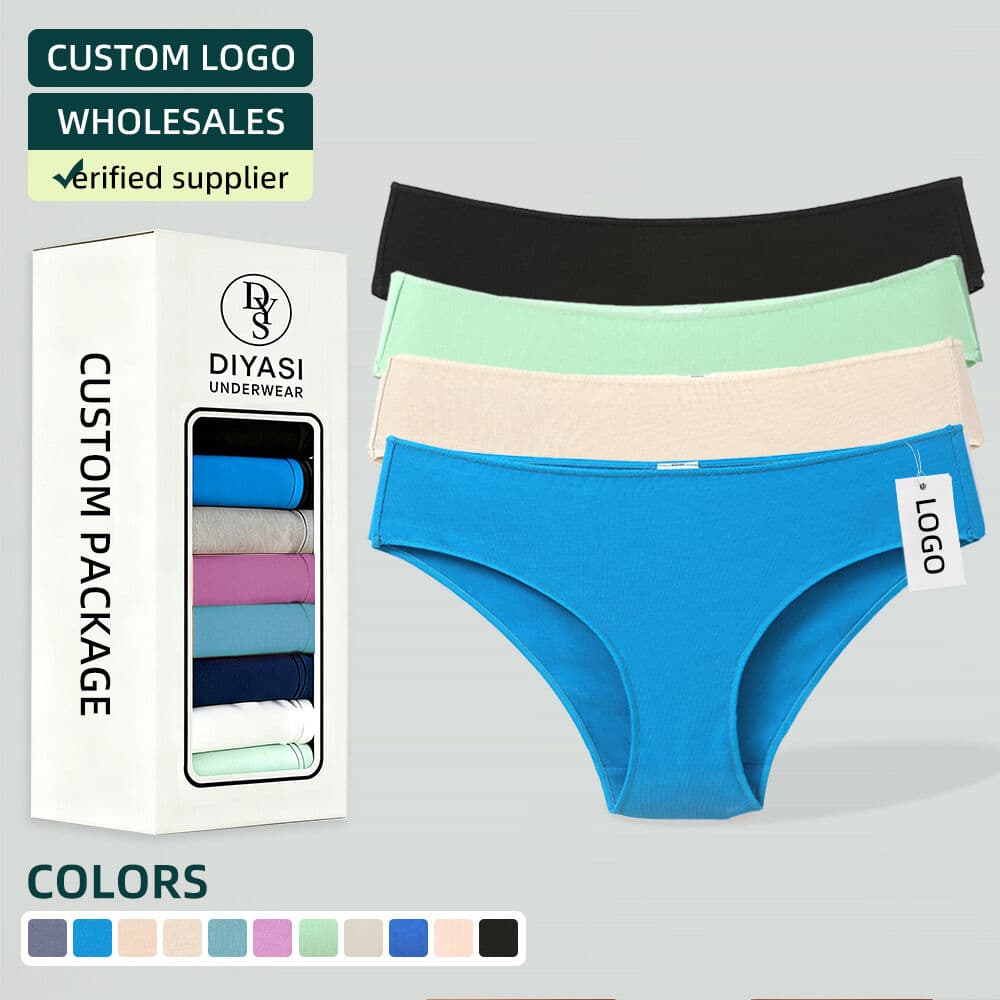
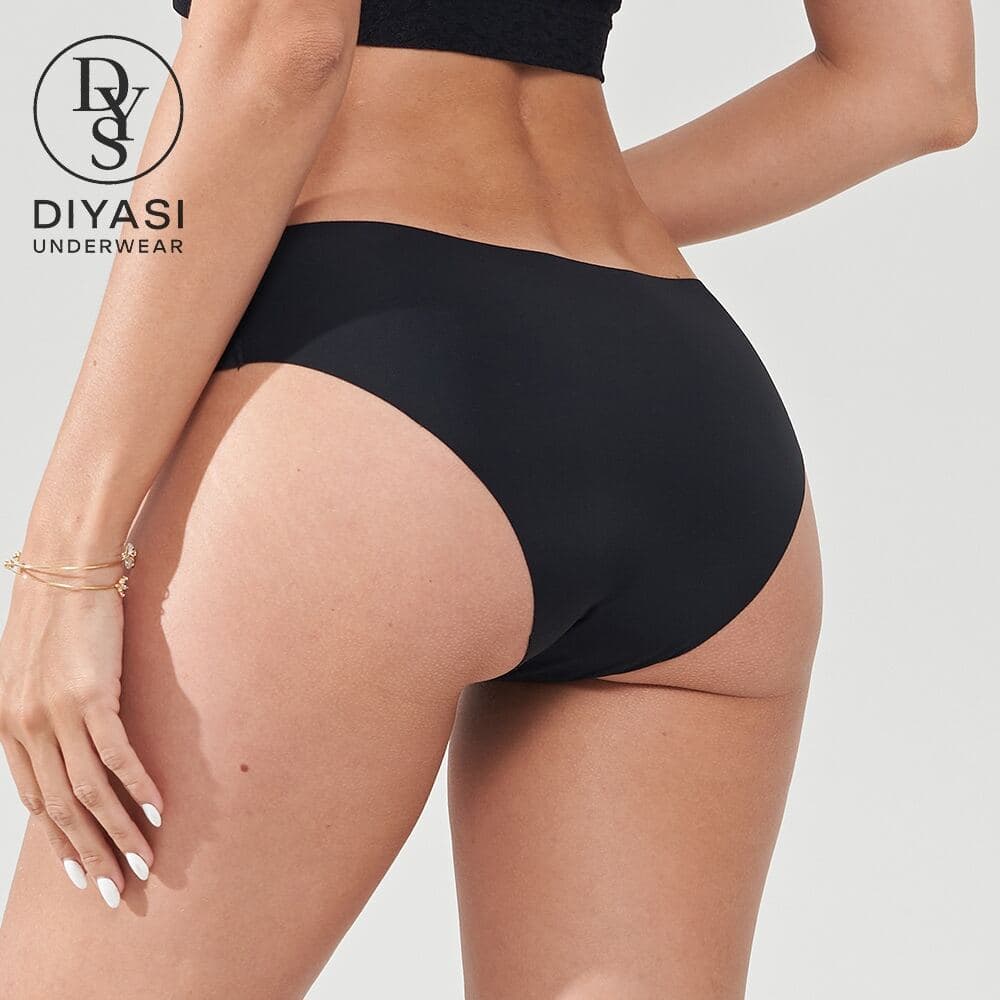
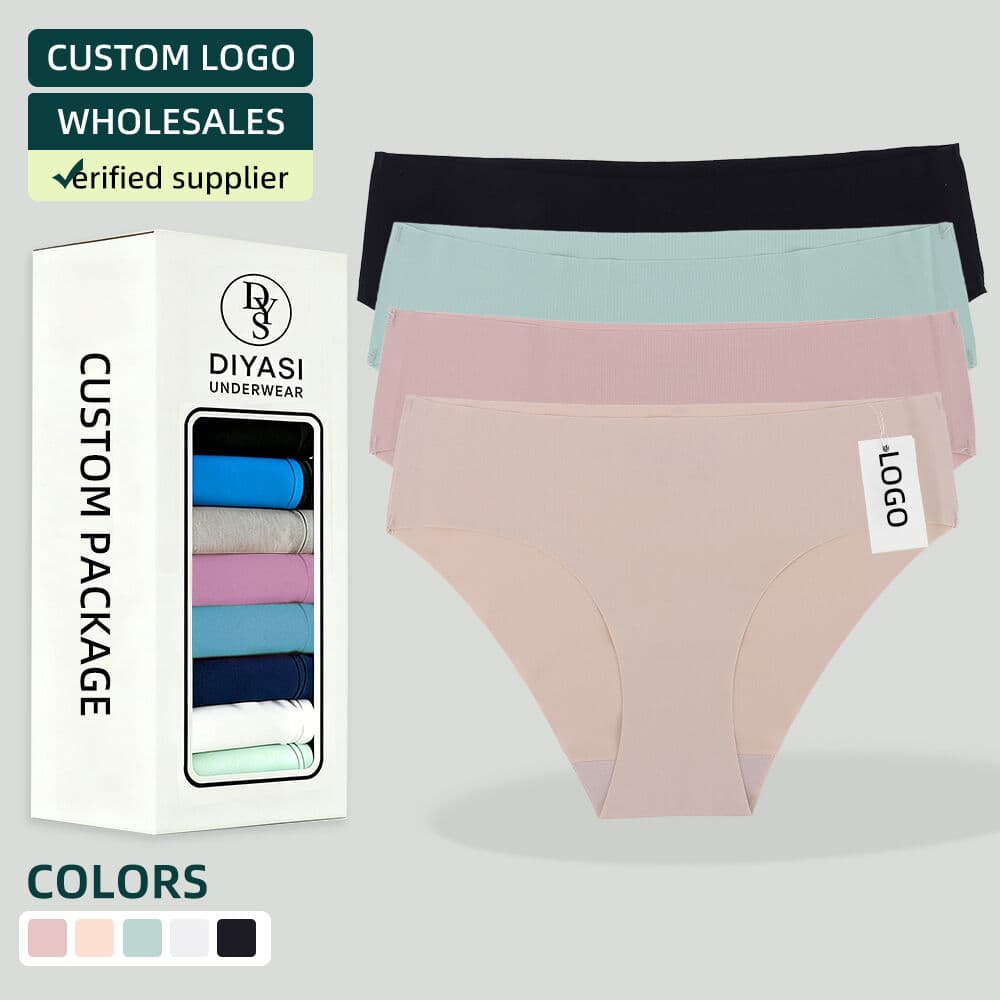
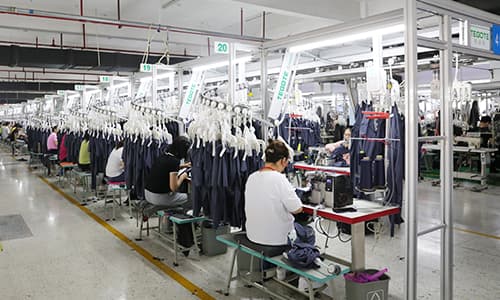
Choose an underwear manufacturer by checking whether its materials, construction experience and order controls fit the product you want to develop. Start with identifiable samples, then confirm who handles pattern work, production, inspection and communication. A factory photograph or a low quotation cannot answer all those questions. DIYASI's cotton DYS201, bonded DYS323 and men's M007 illustrate three different sample briefs that can help a buyer assess a supplier against a concrete requirement.
Write the product requirement before comparing suppliers
Define the intended customer, silhouette, material direction, size range and branding changes. Use front, back and inside references for the selected garment. A supplier experienced in one construction may need a different development process for another, so compare its response to the actual brief rather than its total catalogue size.
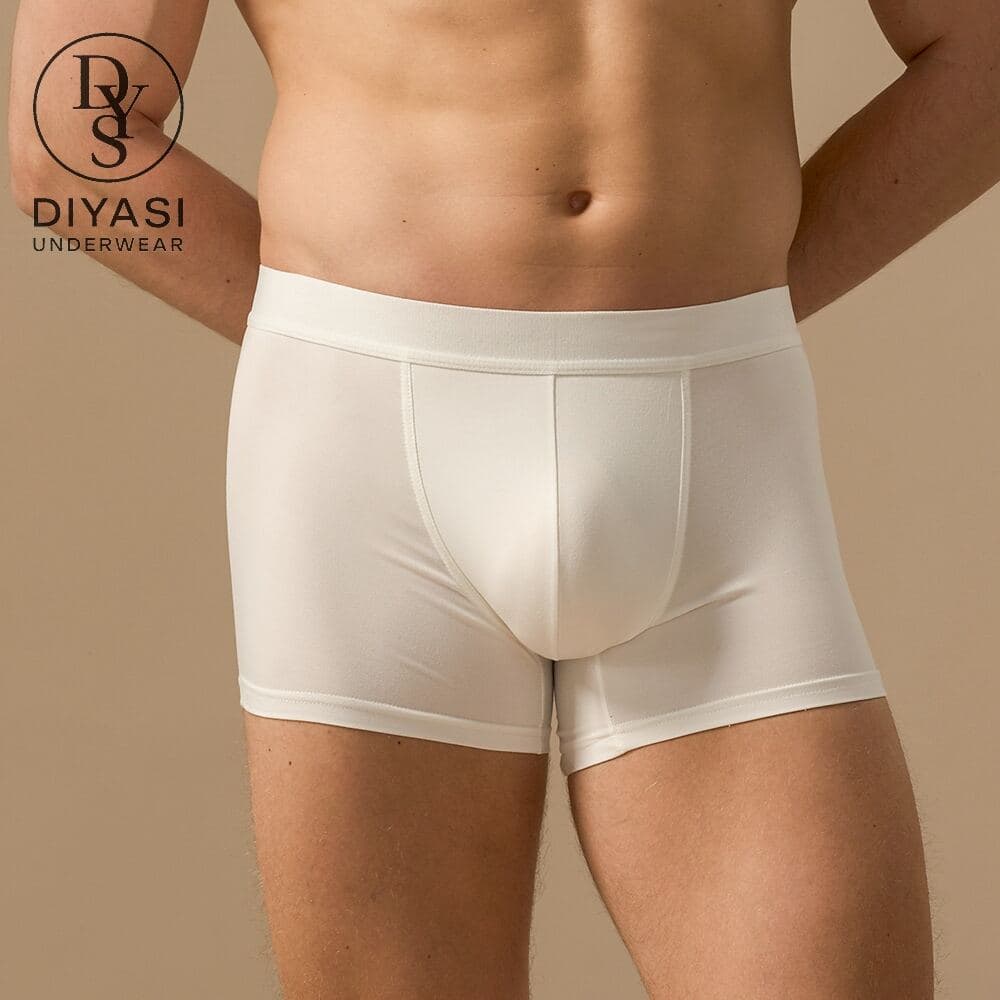
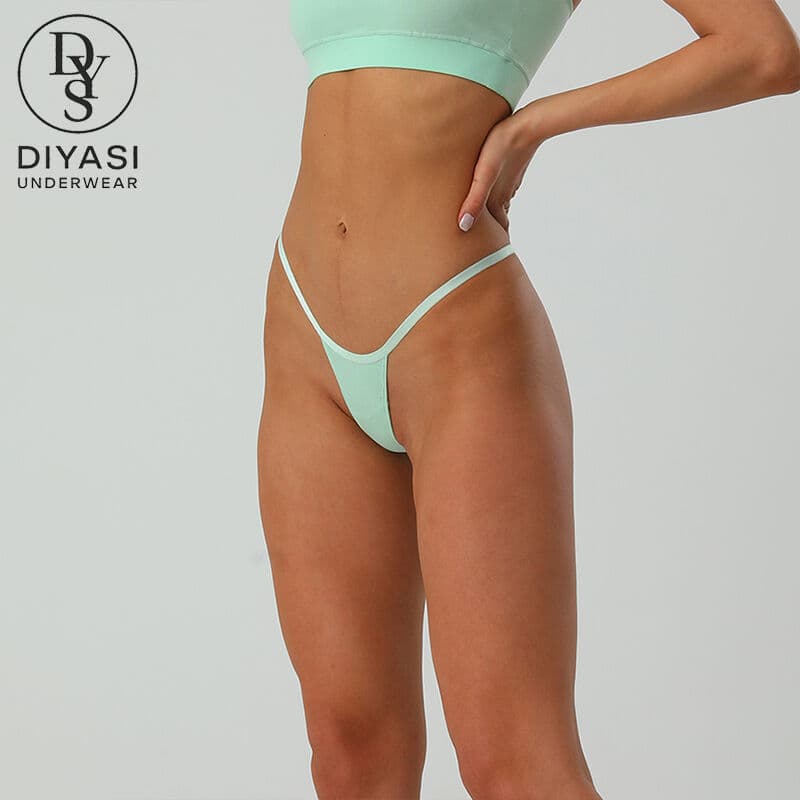
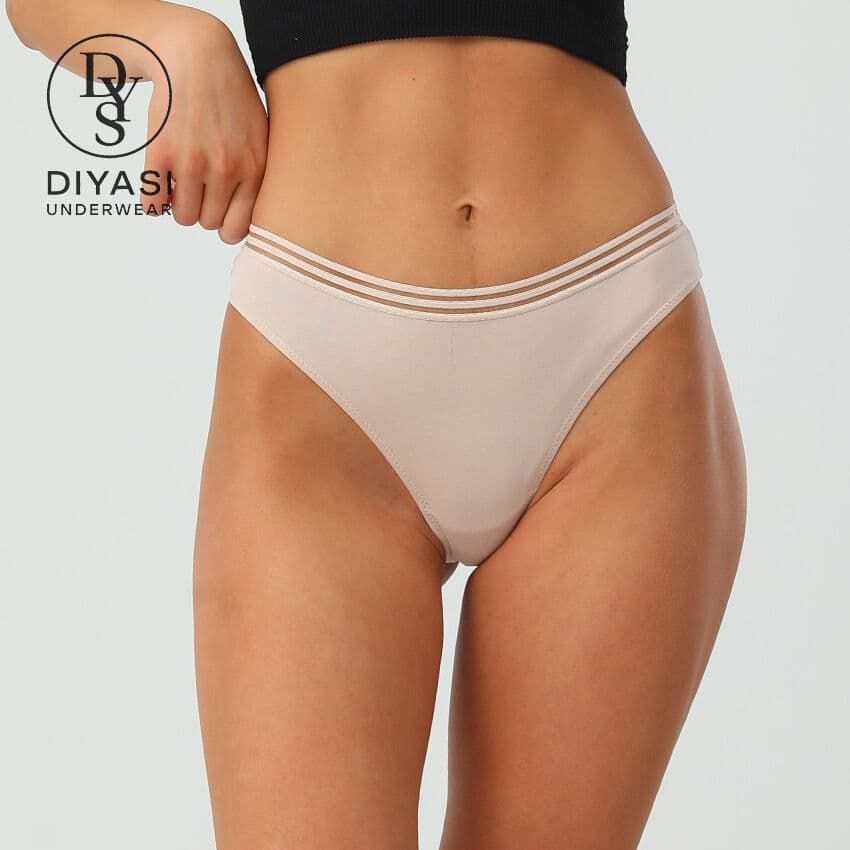
For example, DYS201 is a cotton-spandex bikini, DYS323 uses a polyamide-spandex body and bonded cotton gusset, and M007 is a men's boxer brief with modal lining. A useful supplier discussion identifies the relevant pattern, material and attachment questions for each, without treating them as interchangeable basics.
| Evaluation area | Ask to review | Decision supported |
|---|---|---|
| Product experience | Relevant samples and construction explanations | Can the supplier develop this garment? |
| Production responsibility | Named roles and any subcontracted operations | Who controls each stage of the order? |
| Quality records | Measurement reports and an agreed inspection plan | How will conformity be assessed? |
| Commercial terms | Written quotation, component minimums and milestones | Are the compared proposals equivalent? |
| Communication | Versioned feedback and a named order contact | Can changes be traced and closed? |
Verify the business and production arrangement
Confirm the contracting business name, factory location and the roles of the people handling the enquiry. Ask which operations happen at the proposed site and which are performed elsewhere. Subcontracting should be discussed clearly so the buyer understands who approves materials, monitors work and resolves defects.
When a capability or certificate matters to the order, request current evidence with the relevant entity, site, scope and validity. A logo displayed on a website is not enough to establish that a particular product, material or shipment falls within that scope. Check discrepancies before relying on the claim.
Use samples to assess the working relationship
Send the same documented brief to shortlisted suppliers and record what each sample represents. Compare measurements, inside finish, material identity and the response to specific corrections. A sample that looks attractive but arrives without its version or material reference is difficult to reproduce reliably.
Review how the supplier handles uncertainty. A clear request for missing dimensions or clarification of a logo is useful evidence of the process. Keep unanswered questions visible, particularly those affecting fit, component minimums or the final production specification.
Compare the complete proposal before committing
Separate garment cost, development, labels, packaging, inspection and shipping terms. Record when material and sample approvals are required and what happens if changes are requested. A shorter stated lead time may assume stock materials or earlier approvals that another quotation does not include.
Create a decision record showing evidence, open questions and the person responsible for resolving each one. Discuss an initial order only after the sample direction and commercial scope are clear. Factory selection is a sequence of verified decisions rather than a score based on one attractive feature.
Manufacturer-selection questions
Is a factory always preferable to a trading company? Compare the actual responsibilities, transparency and ability to deliver your specification. The business label alone does not settle those questions.
Does a good sample guarantee the bulk order? No. The approved sample becomes a reference for production controls and inspection; it does not replace them.
What should I send DIYASI first? Share the chosen model numbers, target market, quantities and requested changes, plus any construction or documentation requirements that affect your decision.
Put your research to work
Explore the factory and quality overview ↗Prepare a comparable manufacturing quotation ↗Define an underwear inspection plan ↗Document pre-production sample approval ↗Product sources
Product examples refer to the linked DIYASI source specifications. Confirm the final materials, measurements and availability for your selected sample.
DYS201 original product specification ↗DYS323 original product specification ↗M007 original product specification ↗A starting point for your collection.
Share your selected model numbers, intended market and sample requirements with the DIYASI team.
Discuss your collection ↗