Prepare separate evidence for fiber content, origin, responsible business identification and care before approving an underwear label for the U.S. market. When the main fabric, lace and gusset have different compositions, use a component file to connect the supplier's evidence to the wording, artwork and exact sample revision.

Assign an evidence owner to each label field
FTC textile guidance explains the usual fiber, origin and business identity disclosures for covered products. Care instructions are addressed under a separate FTC rule. A brand ordering a label should assign someone to validate each field and verify the company identity permitted for the actual line of distribution.
Start the file before artwork design. Identify the model and colorway, collect the finished specification, record the relevant origin determination and gather the care evidence. A supplier name, marketing brand and company name used on business documents can be different. Have the responsible firm confirm the label identity and any valid RN used.
| Field | Evidence to assemble | Owner to confirm |
|---|---|---|
| Fiber disclosure | Component map, percentages by weight and proposed claims | Materials supplier and responsible labeling business |
| Country of origin | Production stages and shipment-specific origin determination | Importer or qualified adviser |
| Business identification | Eligible company name or valid RN for the actual distribution arrangement | Brand, importer or other responsible business |
| Care | Reasonable basis for the instructions on the finished garment | Party responsible for care labeling |
| Artwork | Approved wording, component scope, placement and sample revision | Label approver and supplier |
Sources: FTC textile fiber labeling guide ↗ · 16 CFR Part 303, textile fiber identification rules ↗
Translate a fabric statement into a scoped component record
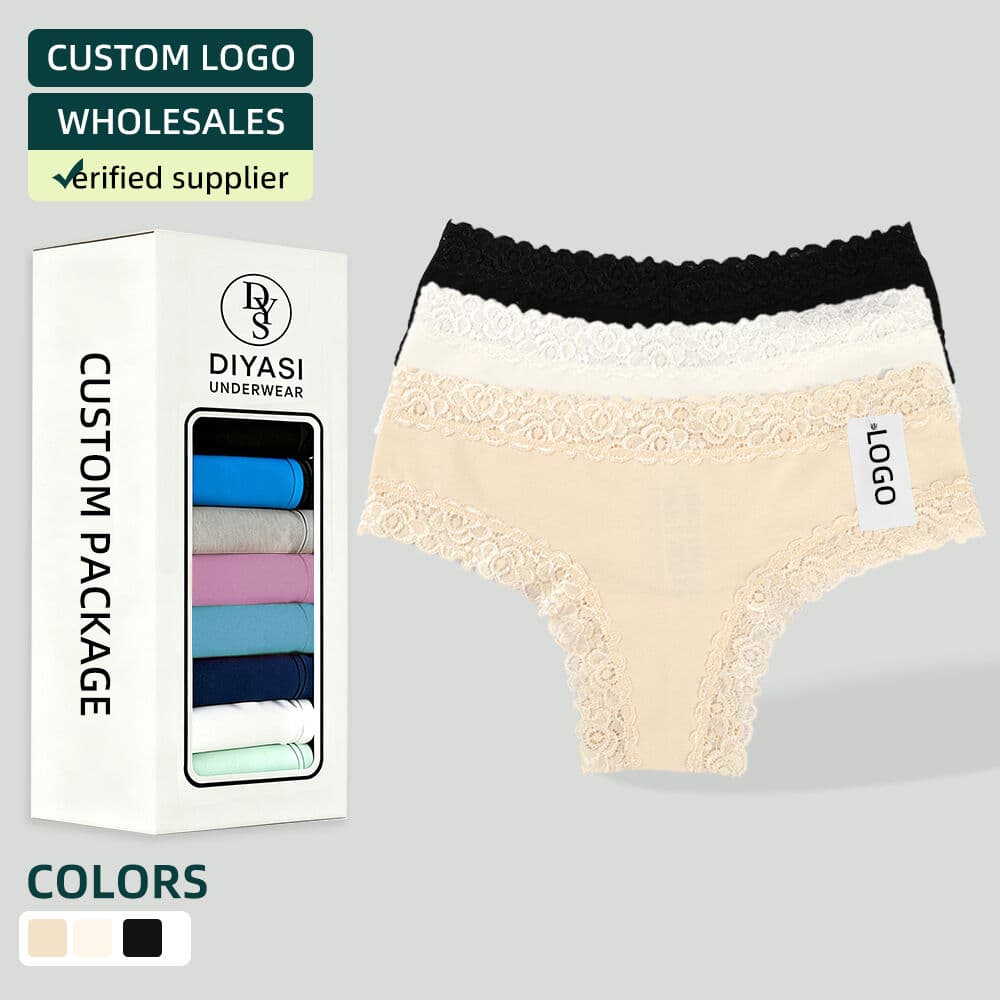
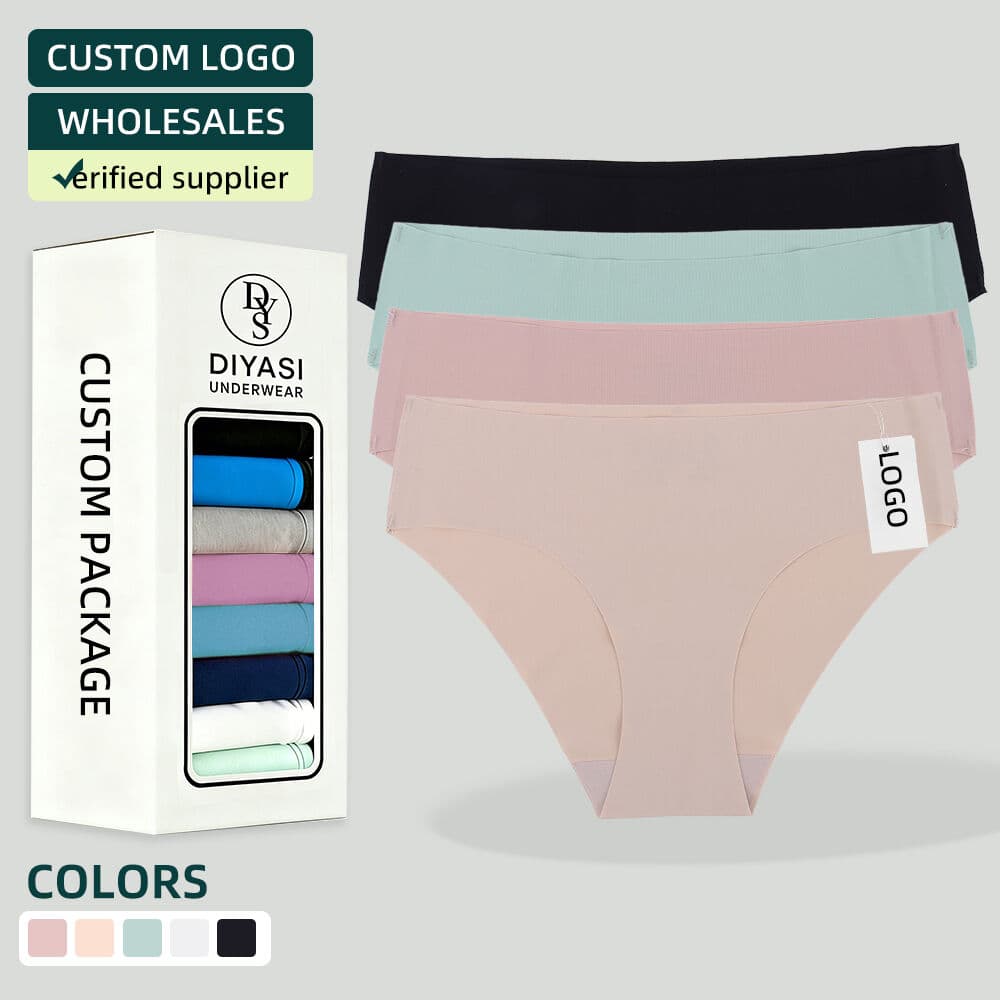
The LS006 catalogue lists a body of 95% cotton and 5% spandex and lace of 80% polyamide and 20% spandex. DYS323 lists a body of 80% polyamide and 20% spandex and a 100% cotton gusset. M007 lists a polyester and spandex body with a modal gusset, without body percentages in the public specification. These entries support different claim scopes and different follow-up questions.
Ask the supplier for a versioned component record tied to the finished sample. A line such as polyester and spandex does not provide the percentages needed for a percentage claim. If a brand describes a trim or lining in marketing, include that wording in the label review. FTC guidance covers sectional disclosures and exceptions for certain components, so the responsible party should determine which rules apply before printing.
Illustrative calculation: assume a 24 g fabric section containing 95% cotton and a separate 6 g section containing no cotton. The first section contains 22.8 g of cotton. Across just those two weighed sections, the cotton share would be 22.8 ÷ 30 = 76%. The result describes the two hypothetical sections combined. It omits any unweighed components and does not determine the format or scope of a legal fiber label.
Keep proof of care with the assembled sample
FTC guidance describes the need for a reasonable basis for care instructions for covered garments. If the body fabric and trim have different sensitivities, look at the assembled garment and confirm that the proposed instruction applies to it. Keep the original method, sample identifier, observations and the approved instruction together.
For a lace brief, review what can change at the trim edge after the proposed care process. For a bonded gusset, document the condition of the join before and after the same process. For a print or heat-transfer label, review legibility and appearance with the proposed body fabric and trim. These are sample review questions that support your evidence plan.
Sources: FTC guide to the Care Labeling Rule ↗ · 16 CFR Part 423, care labeling ↗
Approve the same wording across the label, pack and listing
Make a row for each claim and record the product surface where it appears: sewn or printed label, hangtag, retail packaging or product page. Cross-check the scope against the component map. Review a claim about a cotton gusset as a gusset claim even if the product title or card has less space.
Ask who can release the artwork and how substitutions trigger another review. Preserve the prior revision for goods already produced. A traceable approval packet ties together the material documents, origin determination, care evidence, label text, sample and order revision.
Underwear label evidence record
Use one record per model and sample revision. Mark a field as open if the responsible business has yet to confirm it.
| Field | What to record | Your entry |
|---|---|---|
| Brand SKU, factory model, colorway and physical sample version | ||
| Fabric references, component locations, generic fiber names and supporting percentages | ||
| Manufacturing stages, source documents and shipment-specific decision | ||
| Name or valid RN confirmed by the responsible party | ||
| Method, sample reference, observations and approved instructions | ||
| Exact text, component scope, packaging or product page location | ||
| Version, wording, print position and assembled sample reference | ||
| Approver, open points, release date and substitution procedure |
Entries stay in this page until you leave or reload. Download a copy to keep them; this worksheet does not submit an enquiry.
Put your research to work
Read a cotton gusset claim by component ↗Compare heat-transfer and sewn underwear labels ↗Prepare material evidence using the 2026 textile outlook ↗Prepare labels and packaging ↗private label underwear manufacturer ↗bikini vs Brazilian underwear sample measurements ↗laser cut underwear manufacturer ↗seamless vs no-show underwear ↗men's underwear manufacturer ↗custom waistband underwear manufacturer ↗Lace-Trim Cotton Brazilian Brief LS006 ↗Bonded Brazilian Seamless Brief DYS323 ↗Product sources
Product examples refer to the linked DIYASI source specifications. Confirm the final materials, measurements and availability for your selected sample.
LS006 original product specification ↗DYS323 original product specification ↗M007 original product specification ↗A starting point for your collection.
Share your selected model numbers, intended market and sample requirements with the DIYASI team.
Discuss your collection ↗