Choose an underwear label method by the information it must carry, the available placement area and its compatibility with the garment. Heat-transfer marking avoids a separate sewn label at that location; printed or woven sewn labels introduce a physical component and attachment. Neither method is automatically more comfortable or durable. Use the actual fabric, artwork and sample to review the result, and keep branding choices separate from the information required in the target market.
Separate the brand mark from product information
List the logo, size, material information, care instructions and any other required details before choosing the method. They may not all belong in the same location or use the same execution. Confirm the target-market requirements before reducing text to fit a small decorative mark.
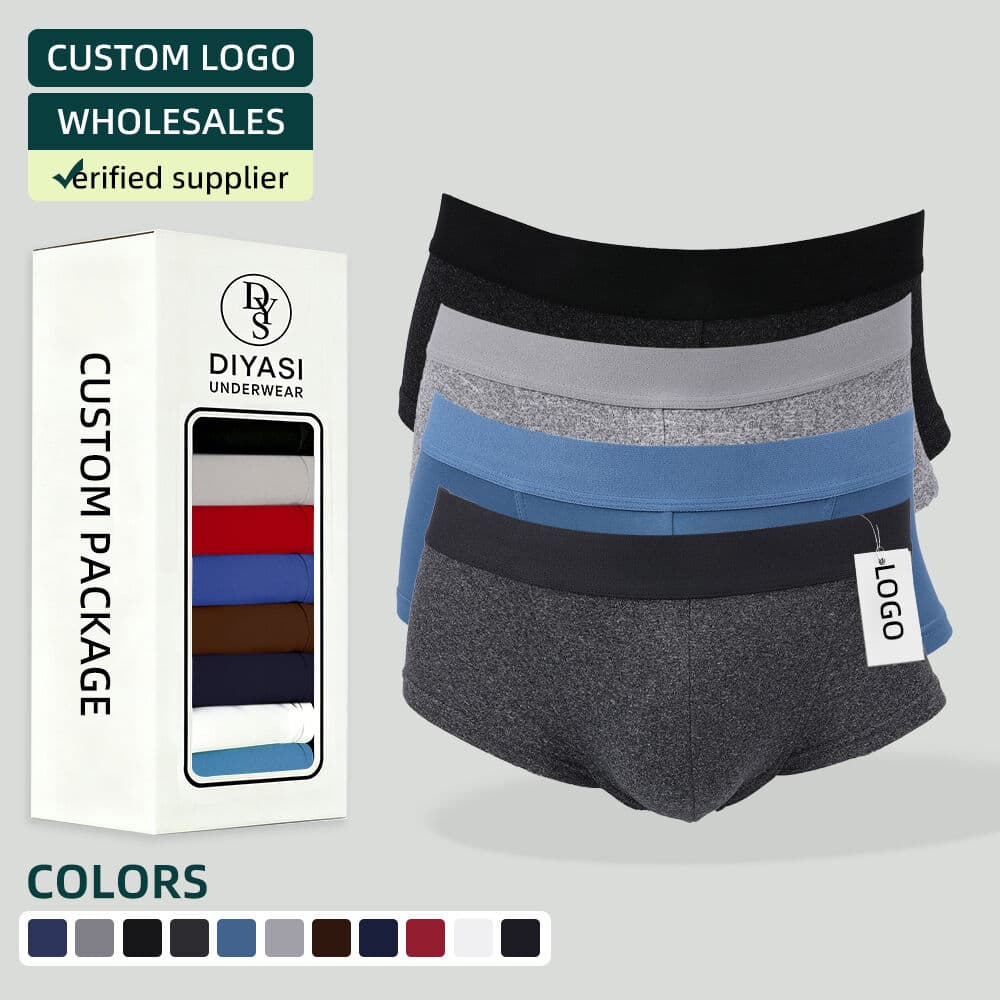
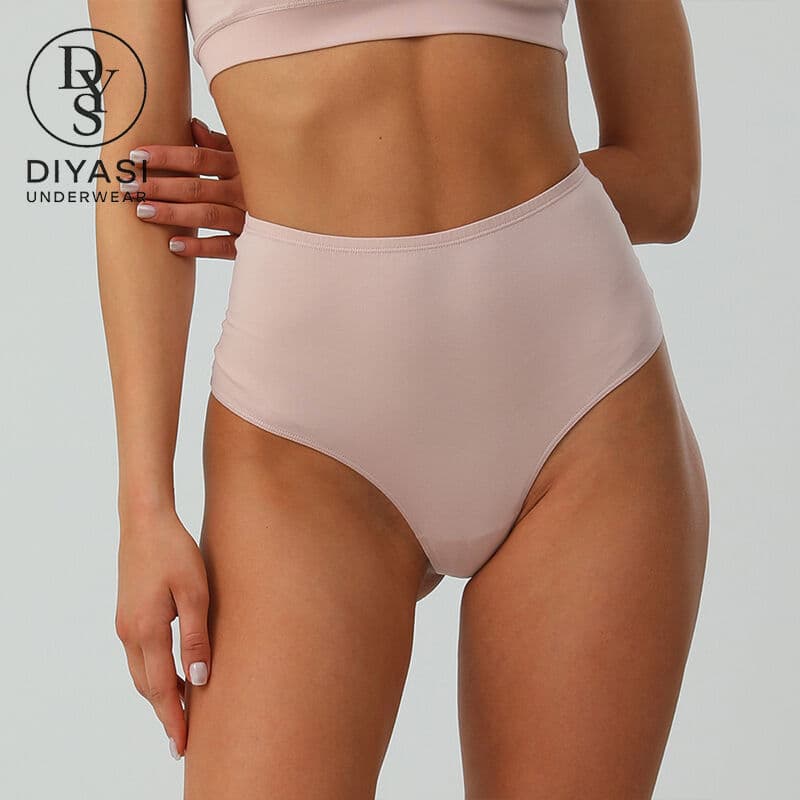
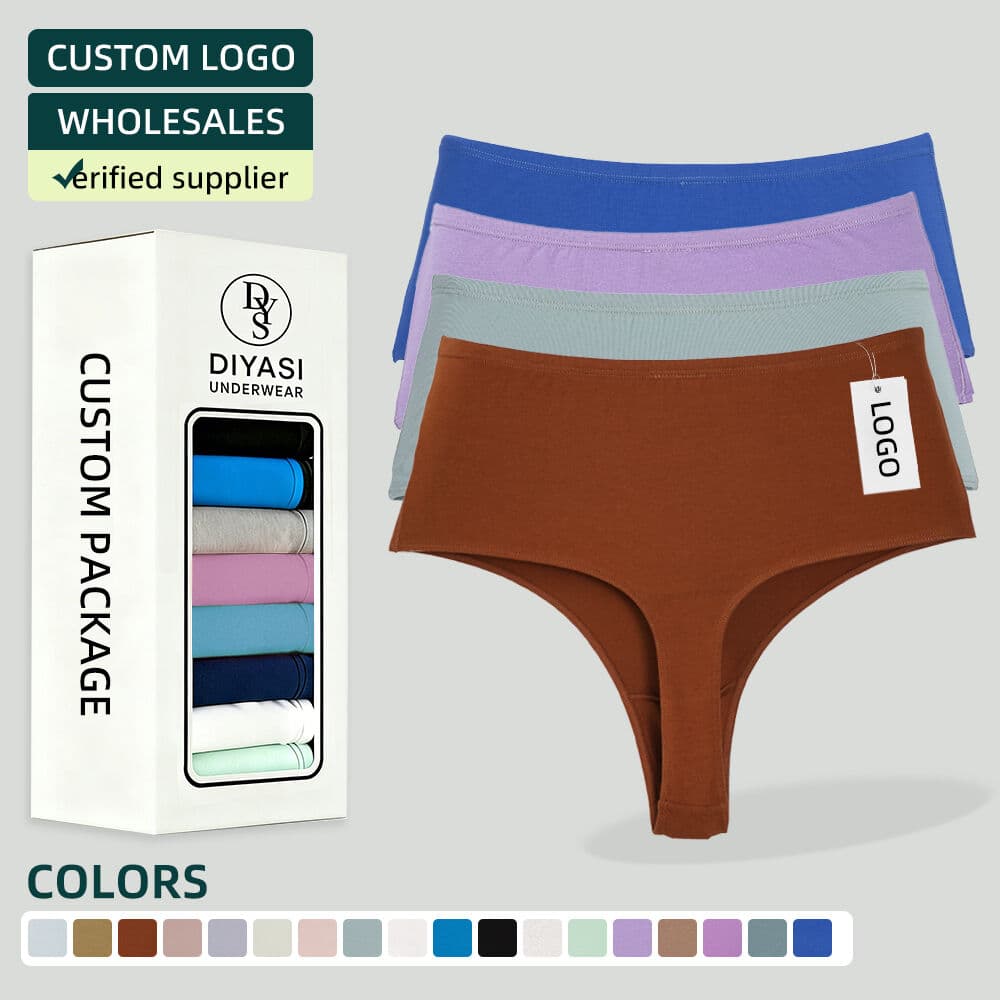
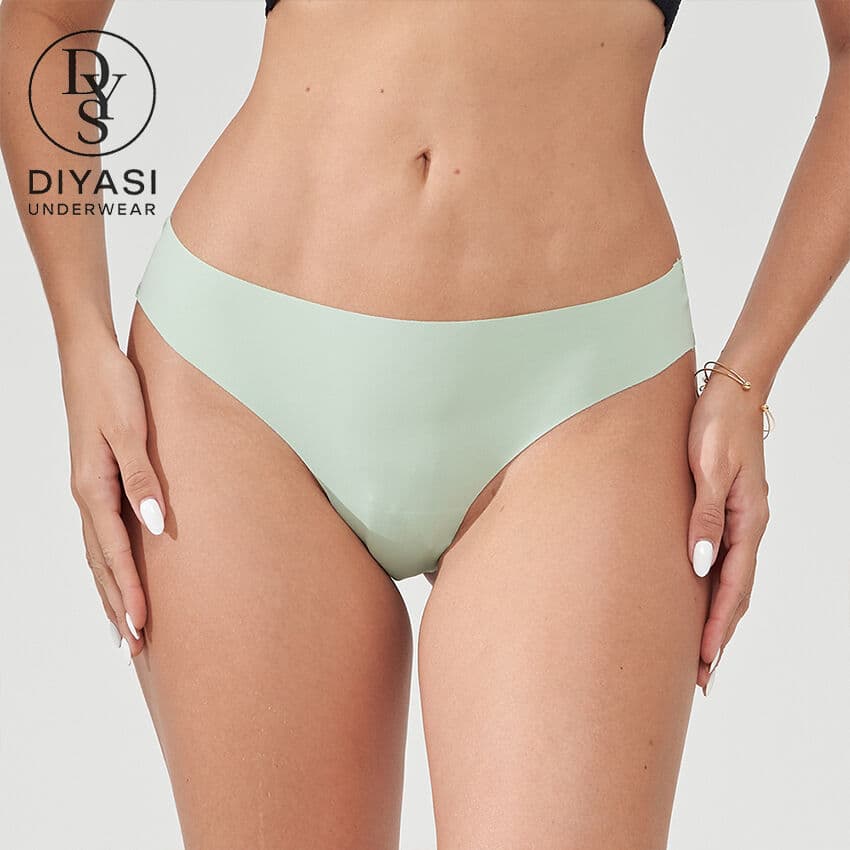
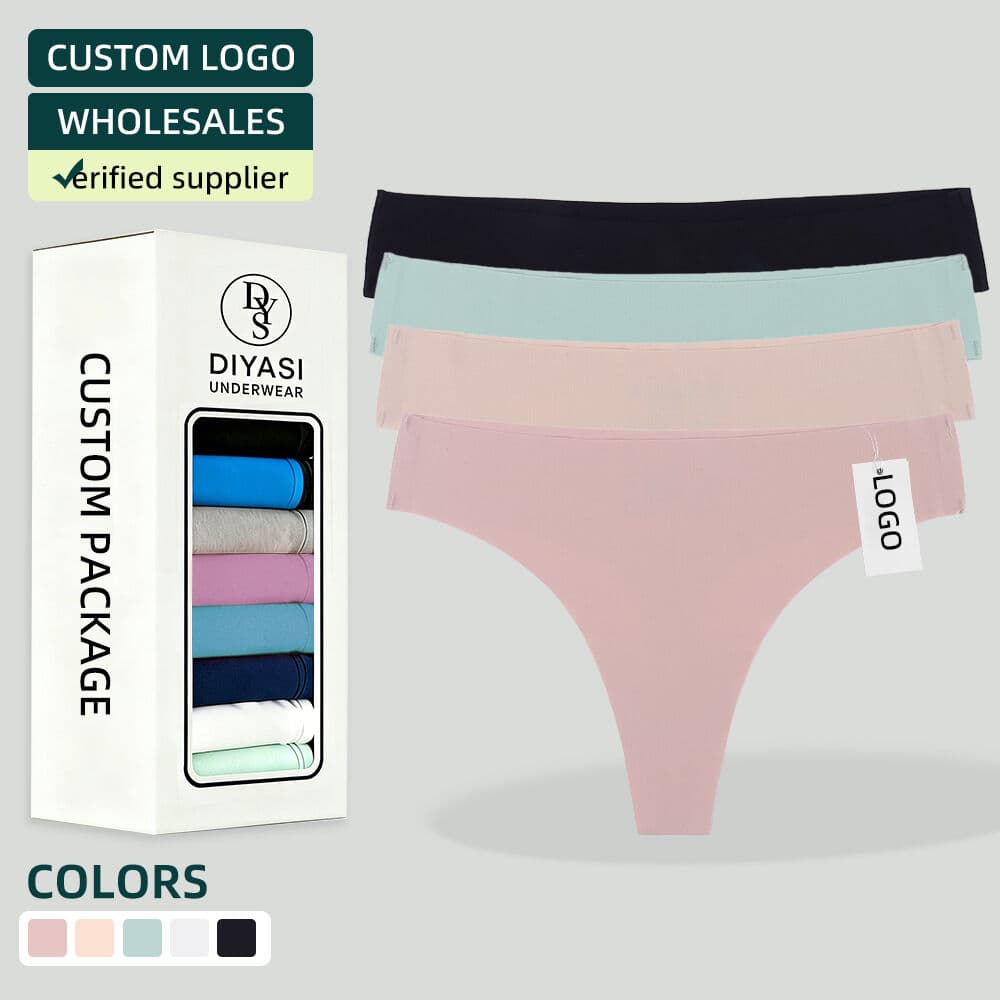
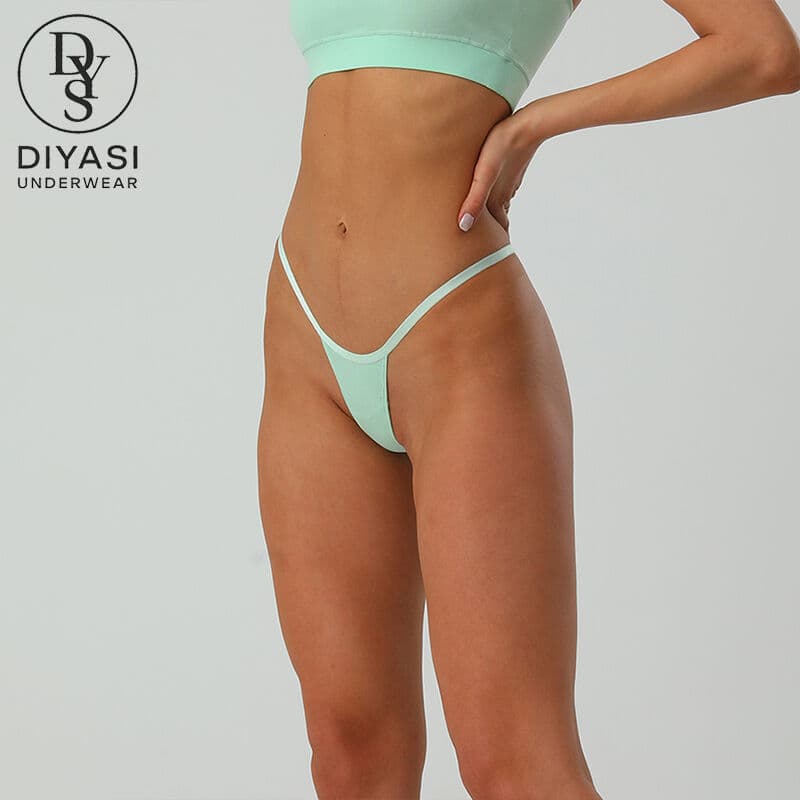
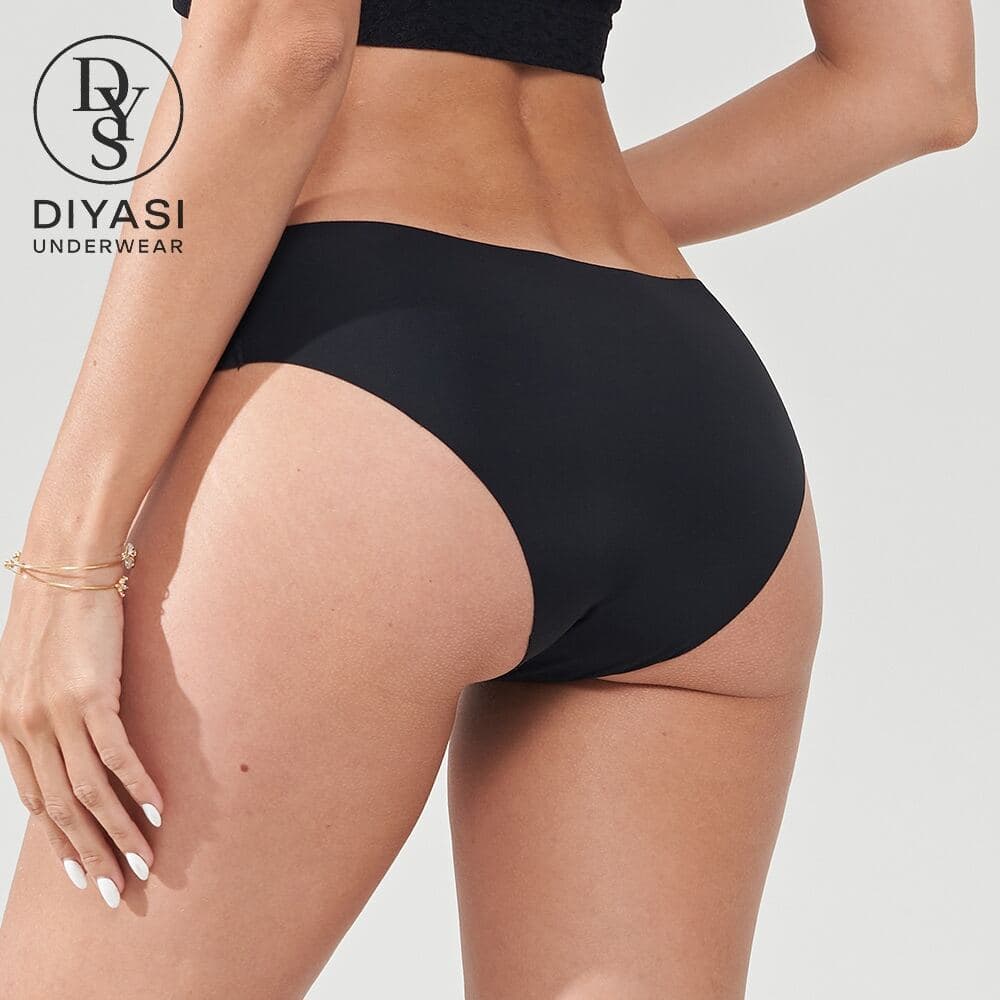
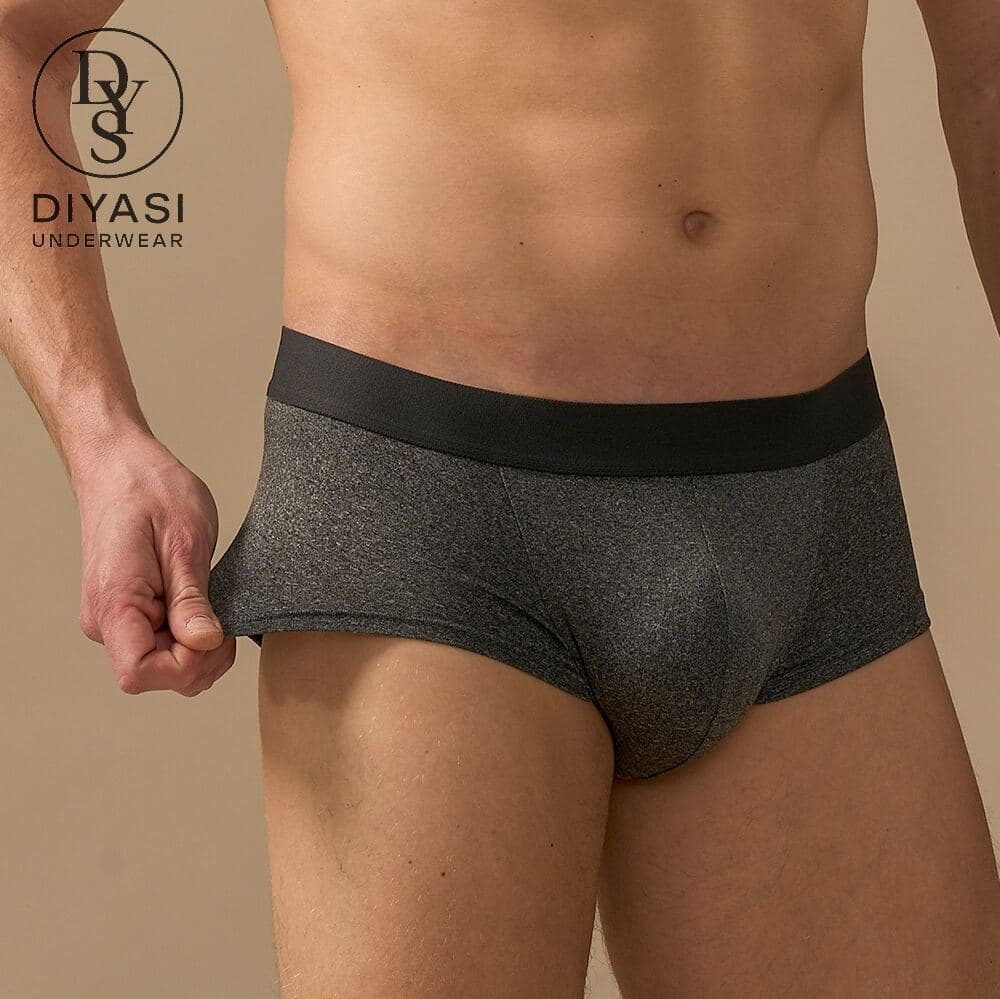
M001 provides a tagless catalogue reference, DYS223 a cotton brief for custom branding discussion, and DYS322 a polyamide-spandex thong. Their different shapes and materials are useful starting points for reviewing placement. None establishes that every proposed label process is already approved for that model.
| Method | Development question | Sample check |
|---|---|---|
| Heat-transfer marking | Does the process suit the body fabric and stretch? | Legibility, adhesion, appearance and handle after agreed care |
| Printed sewn label | Which substrate, edge finish and attachment are intended? | Text clarity, seam bulk and contact with skin |
| Woven sewn label | Can the weave reproduce the artwork at the chosen size? | Fine-detail readability, stiffness and edge treatment |
Approve placement on the actual garment
Provide a drawing with the label dimensions and distance from an identifiable seam or edge. State whether the measurement refers to the printed area or the full label component. Review the inside placement as worn so the information does not accidentally face the wrong direction.
For narrow-back or low-rise styles, available space may be limited. Check that the mark does not interfere with a bond, gusset edge or seam allowance. A placement that works on a men's brief should not simply be copied to a thong without a new sample review.
Test the artwork and material combination
For a transfer, ask the supplier to select application conditions suited to the fabric and marking system. Review possible changes to colour, surface appearance or stretch, along with cracking, peeling and readability after the agreed care procedure. Do not prescribe a generic heat setting for every material.
For a sewn label, examine the edges, fold and attachment seam. Assess the garment during the fit review and after washing. Record whether an issue comes from the label itself, its location or the seam, because each calls for a different correction.
Control artwork versions and component quantities
Keep a separate approved file for each size, language or information variant. Check spelling and material wording against the final garment specification, then request a proof at actual size. A readable enlarged PDF can still produce illegible text when reduced to the finished mark.
Confirm setup costs, label or transfer minimums and how unused components are handled. If materials change after the first order, review the information and process compatibility before reusing existing labels. The earlier logo approval does not automatically approve a new composition statement.
Underwear-label questions
Does tagless mean no product information is needed? No. It describes an execution choice, not an exemption from information requirements.
Is a heat transfer always softer? The result depends on the marking system, coverage, material and application. Compare physical samples at the intended location.
Can the same artwork be used on cotton and polyamide? The visual artwork may be shared, but process suitability and durability need confirmation for each material and finish.
Put your research to work
Prepare market-specific size and label information ↗Plan waistband branding separately ↗Document the garment wash review ↗Discuss private-label development ↗Product sources
Product examples refer to the linked DIYASI source specifications. Confirm the final materials, measurements and availability for your selected sample.
M001 original product specification ↗DYS223 original product specification ↗DYS322 original product specification ↗A starting point for your collection.
Share your selected model numbers, intended market and sample requirements with the DIYASI team.
Discuss your collection ↗