A useful underwear wash review compares identified samples before and after a documented care procedure. Record the same measuring points, drying method, cycle count and appearance checks each time, with an unwashed reference for comparison. Use the results to resolve the product specification and care instructions. The process below is a buyer planning checklist, not a claim that DIYASI's example products have passed a particular laboratory standard or achieved a stated shrinkage result.
Agree the procedure before washing samples
Identify the model, size, colour, fabric reference and sample version. Agree the intended wash and drying conditions, number of cycles, measurement timing and acceptance criteria with the supplier. If a retailer or target market requires a formal method, arrange the appropriate laboratory work instead of treating an informal home wash as certification.
Keep an unwashed control and record the starting condition of every tested garment. Lay samples flat without pulling when taking relaxed measurements, and use the same method and conditioning period before and after the wash sequence. Otherwise differences in handling can be mistaken for material changes.
| Review area | Record before washing | Compare after the agreed procedure |
|---|---|---|
| Dimensions | Waist, rise, openings and relevant leg or gusset points | Change at each identical measurement point |
| Edges and joins | Flatness, seam condition and attachment | Curling, puckering, loose threads or separation |
| Surface and colour | Reference photographs and physical control | Visible fading, staining, pilling or distortion |
| Fit and recovery | Agreed fit observations and stretch procedure | Changes under the same assessment conditions |
Calculate dimensional change consistently
One clear reporting convention is dimensional change (%) = (after measurement minus before measurement) / before measurement x 100. Under this convention a negative result indicates a reduction. State the convention on the report so it is not confused with a shrinkage percentage expressed as a positive number.
For an illustrative calculation only, a point measuring 30.0 cm before and 29.4 cm after has a dimensional change of -2.0%. This is not a measured DIYASI result or a recommended acceptance limit. Agree the permitted change for each important point according to the product requirements.
Choose checks that match the construction
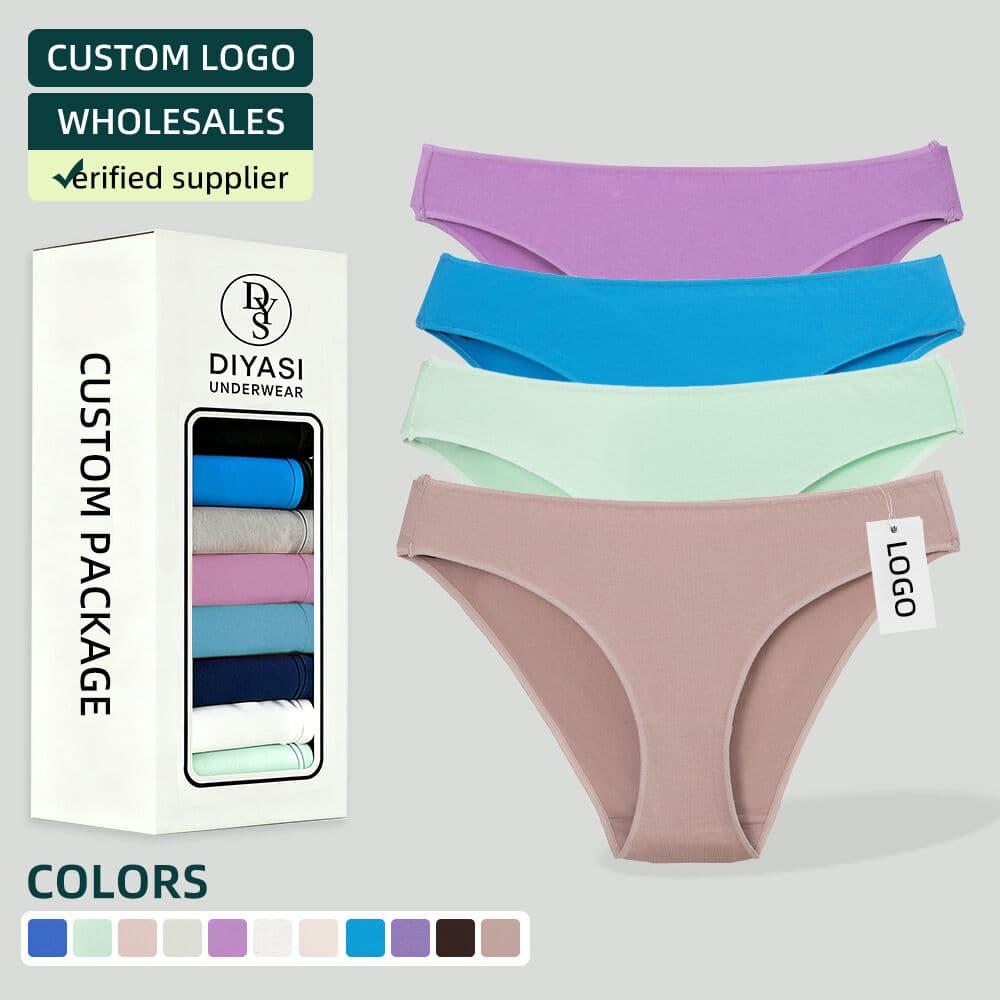
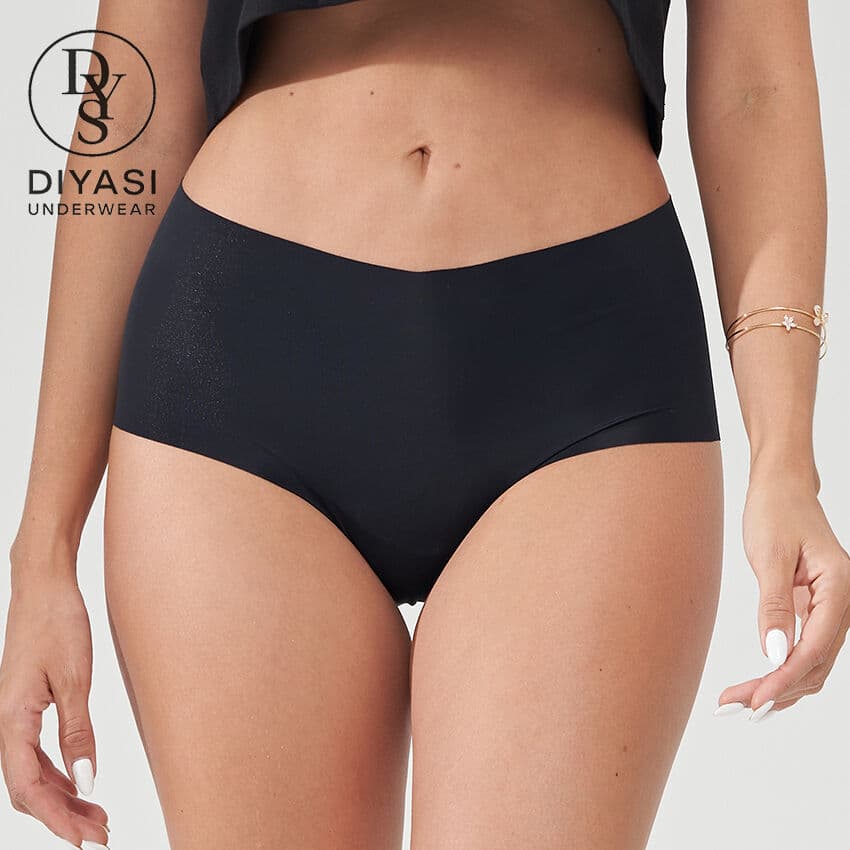
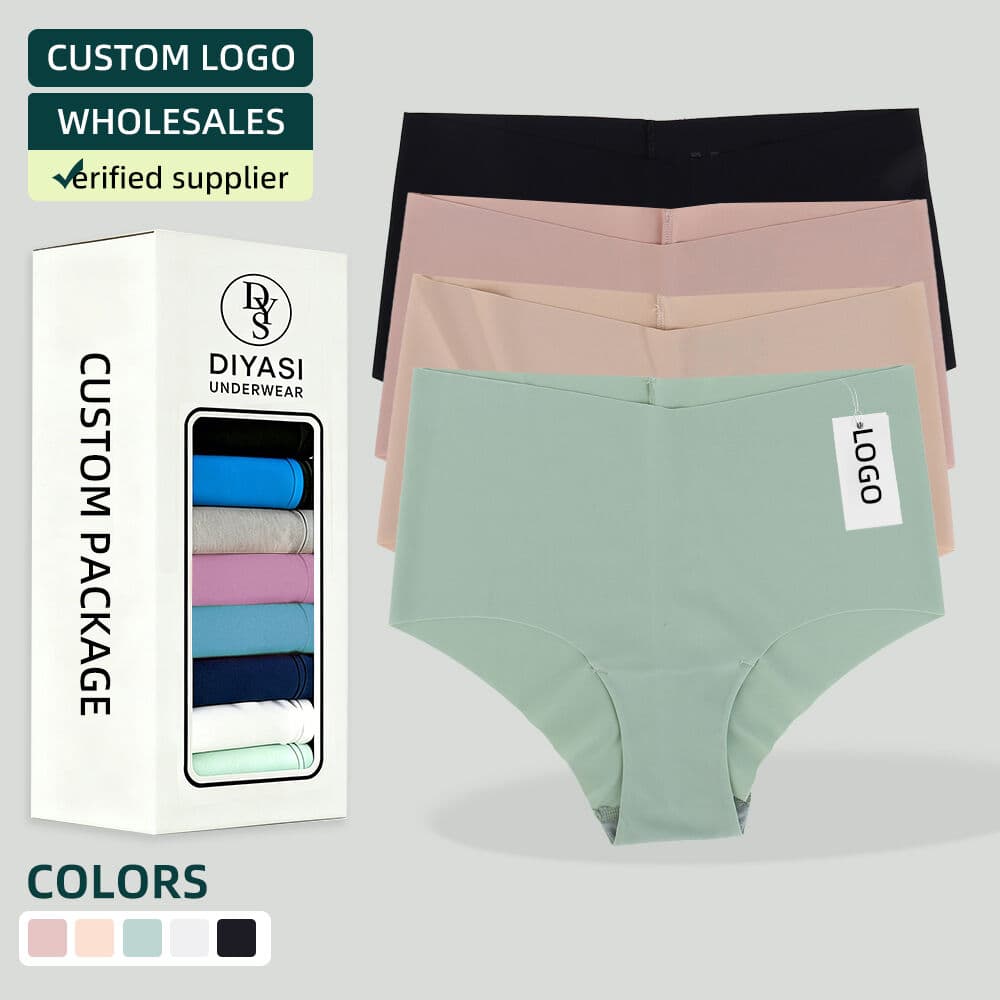
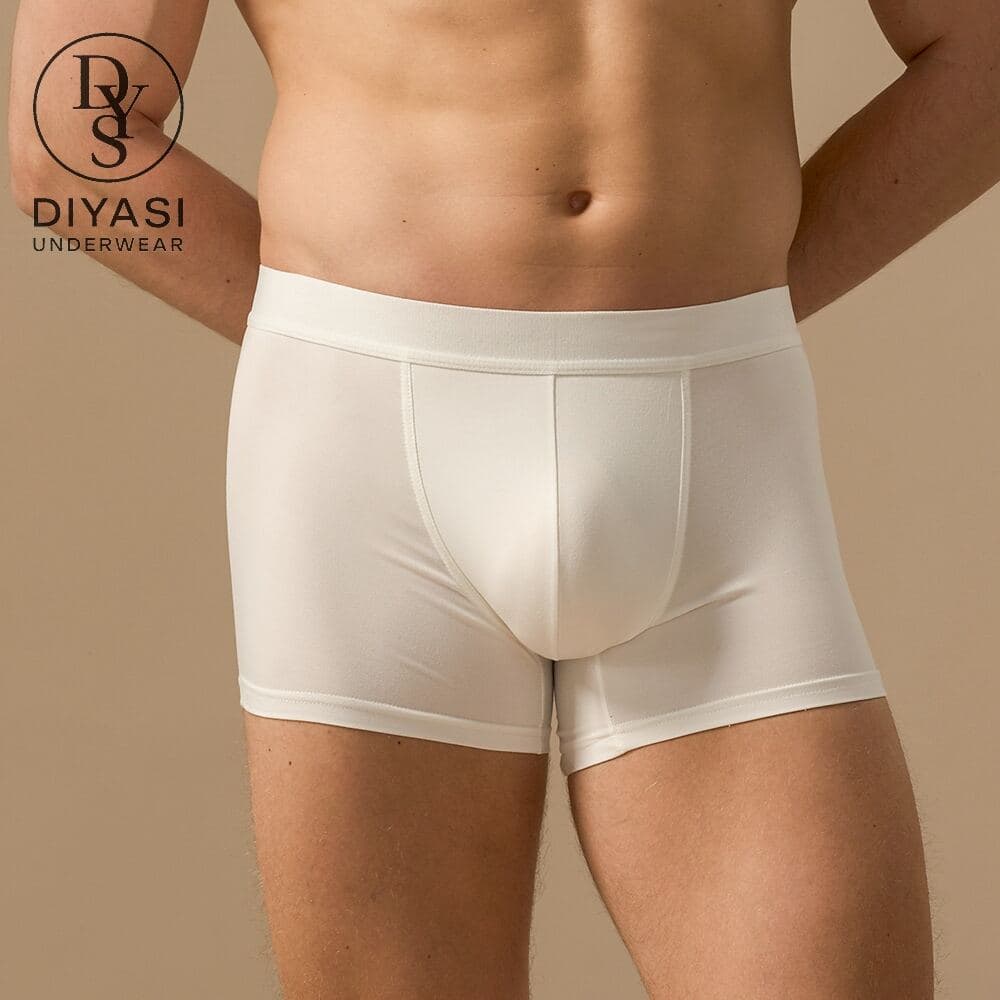
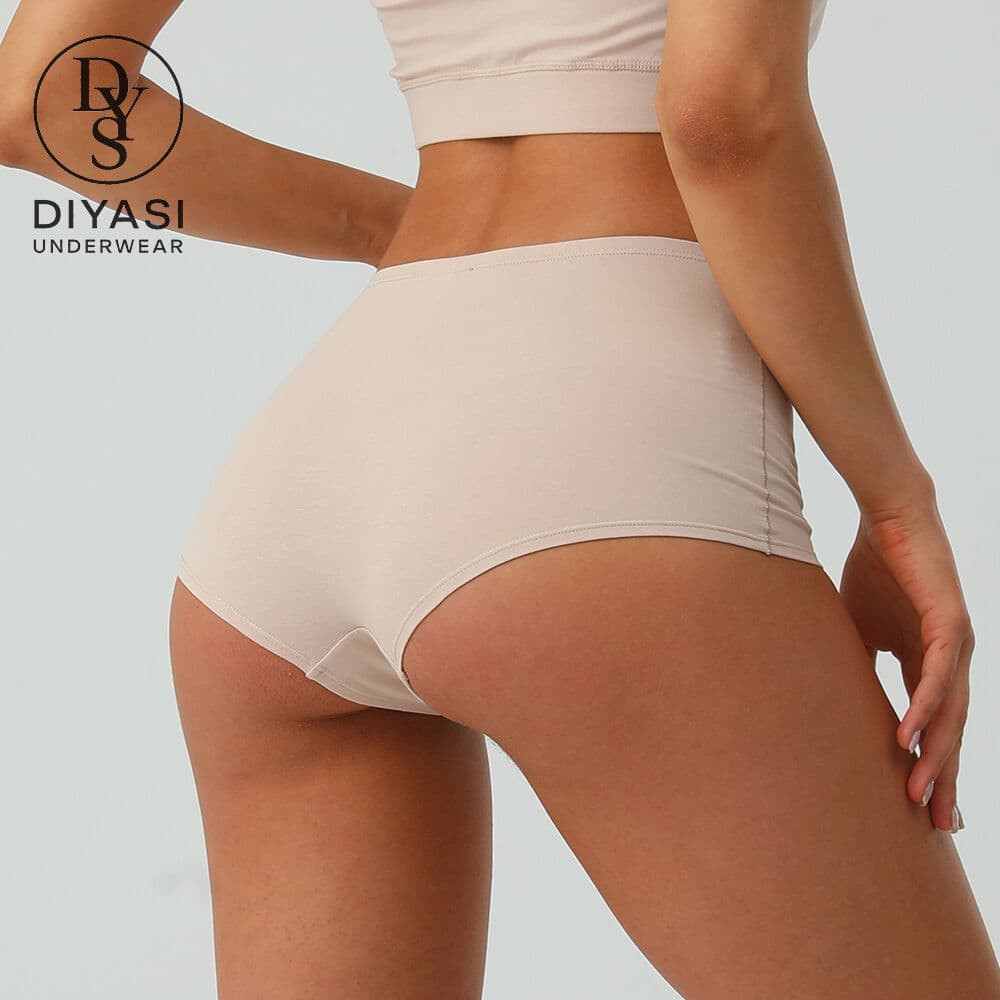
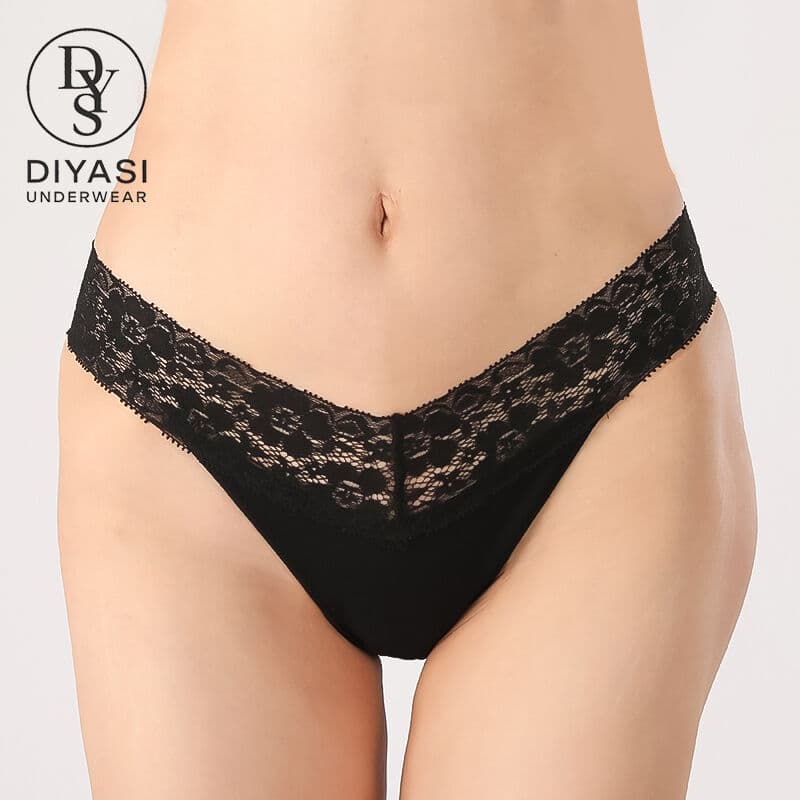
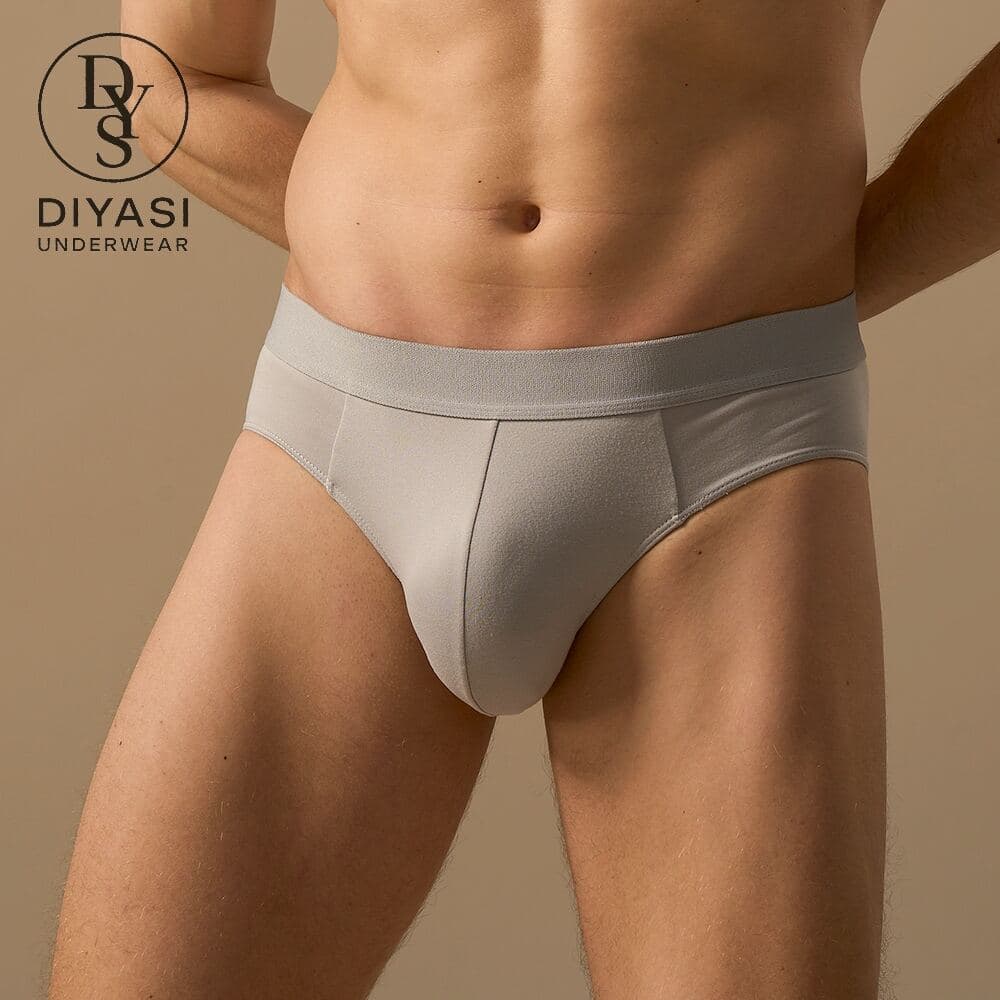
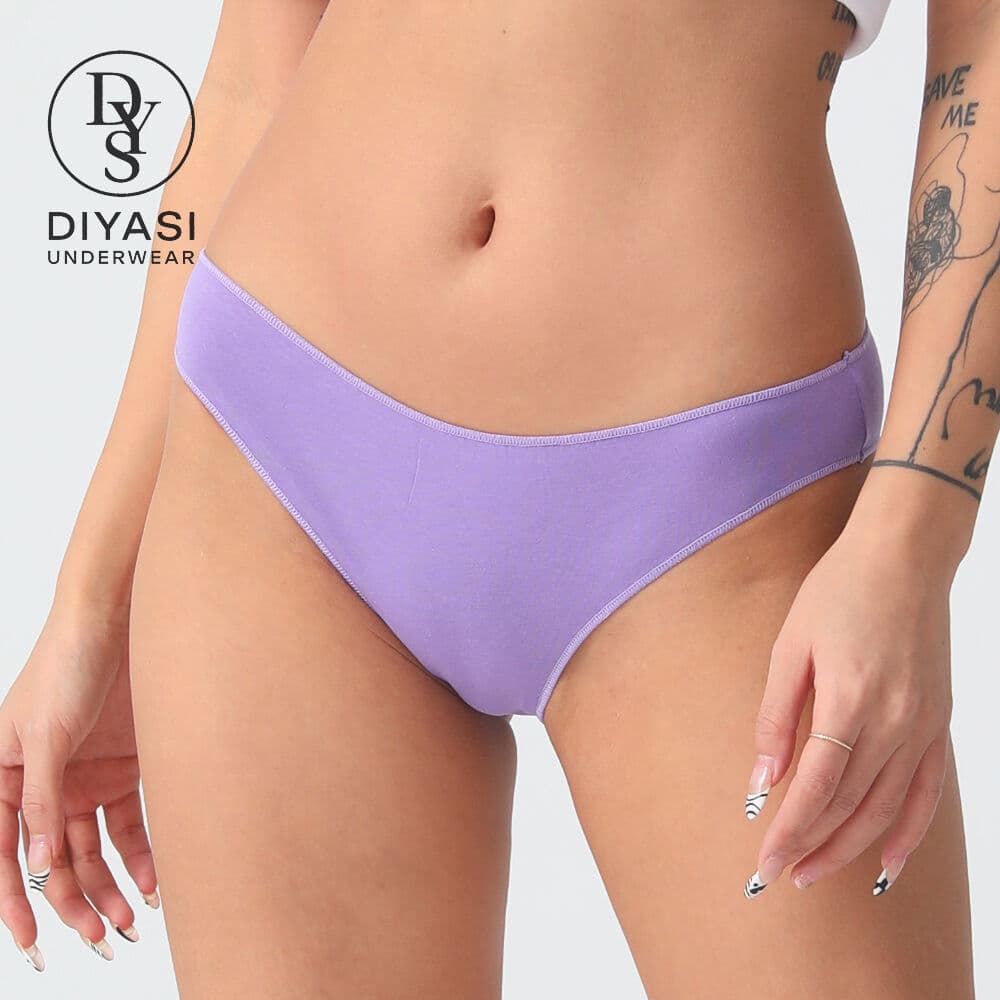
DYS206 is a cotton-spandex bikini with finished edges. DYS314 has a polyamide-spandex body, laser-cut edges and a stitched cotton gusset. M007 is a men's boxer brief with a polyester-spandex body and modal lining. Each calls for attention to different joins, openings and component relationships.
Check the garment as a whole as well as its measurements. A waist can remain within dimensional tolerance while the finish becomes uneven; a body fabric can look unchanged while a lining or seam distorts. If testing a bonded style from the wider range, include its bond condition in the agreed review.
Keep recovery and colourfastness evidence distinct
A wash review alone does not quantify stretch recovery. If recovery matters, define the extension, load or method, repetitions and recovery time with the supplier or laboratory. A photograph of fabric being stretched cannot replace that measurement.
Likewise, casual observation of colour after washing is different from a specified colourfastness test. Record the method used and its limitations. Where a change fails the agreed requirement, identify the affected material or construction, revise the sample and repeat the relevant check before approval.
Questions about wash approval
Is there one acceptable shrinkage percentage for all underwear? No universal limit is supplied here. The buyer and supplier need an agreed requirement appropriate to the garment and test method.
Can a fabric test replace a garment wash review? Fabric results are useful, but the finished garment includes seams, trims and multiple components that may behave differently together.
Should every colour be tested identically? Agree a testing plan based on the materials, colourways and applicable requirements. Do not assume evidence from one sample automatically covers every variant.
Put your research to work
Prepare the measurement specification ↗Review seamless and bonded construction ↗Plan colour and component approval ↗Record pre-production approval decisions ↗Product sources
Product examples refer to the linked DIYASI source specifications. Confirm the final materials, measurements and availability for your selected sample.
DYS206 original product specification ↗DYS314 original product specification ↗M007 original product specification ↗A starting point for your collection.
Share your selected model numbers, intended market and sample requirements with the DIYASI team.
Discuss your collection ↗