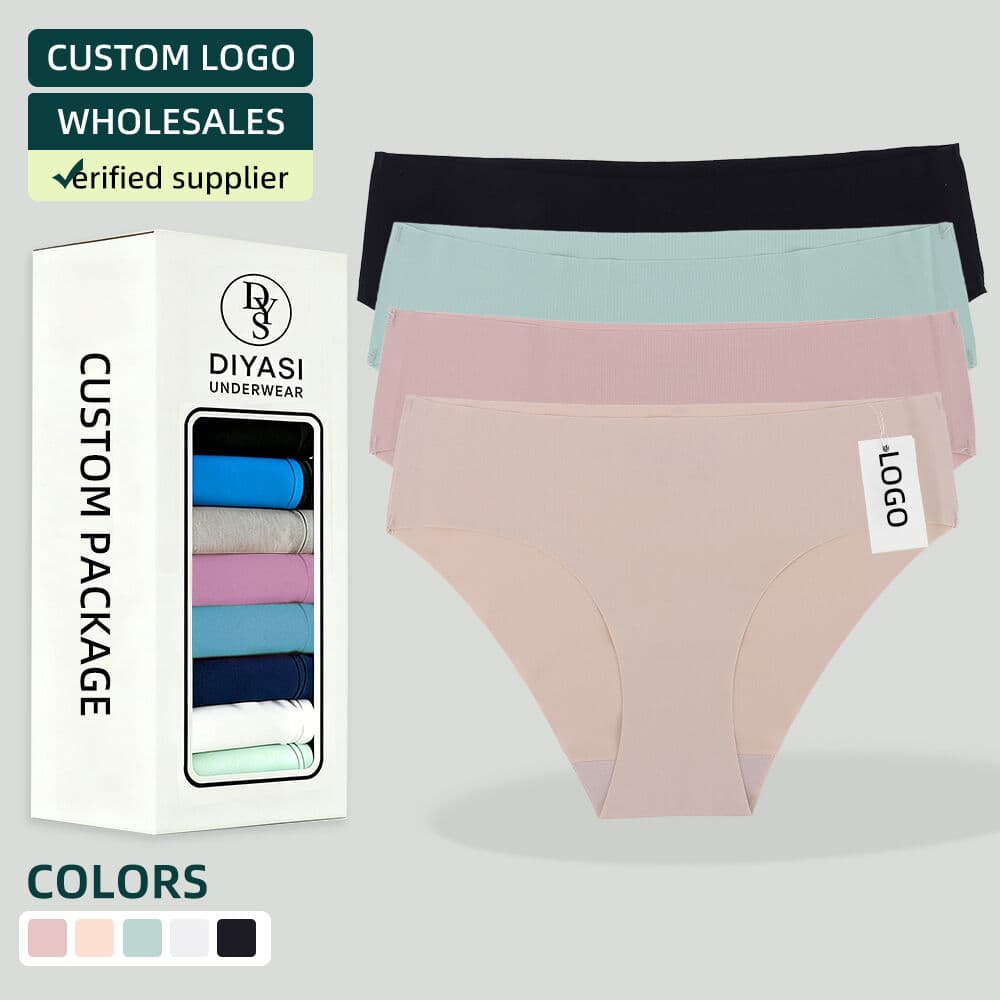
Approve an underwear colour on the actual material and under agreed viewing conditions, then carry that reference through trims and bulk fabric. A lab dip is a small dyed sample used to review a proposed shade; it is not approval of the finished production garment. For a range spanning DIYASI cotton, lace and polyamide styles, identify each component that must match and decide whether the goal is a close colour match or an intentional tonal relationship.
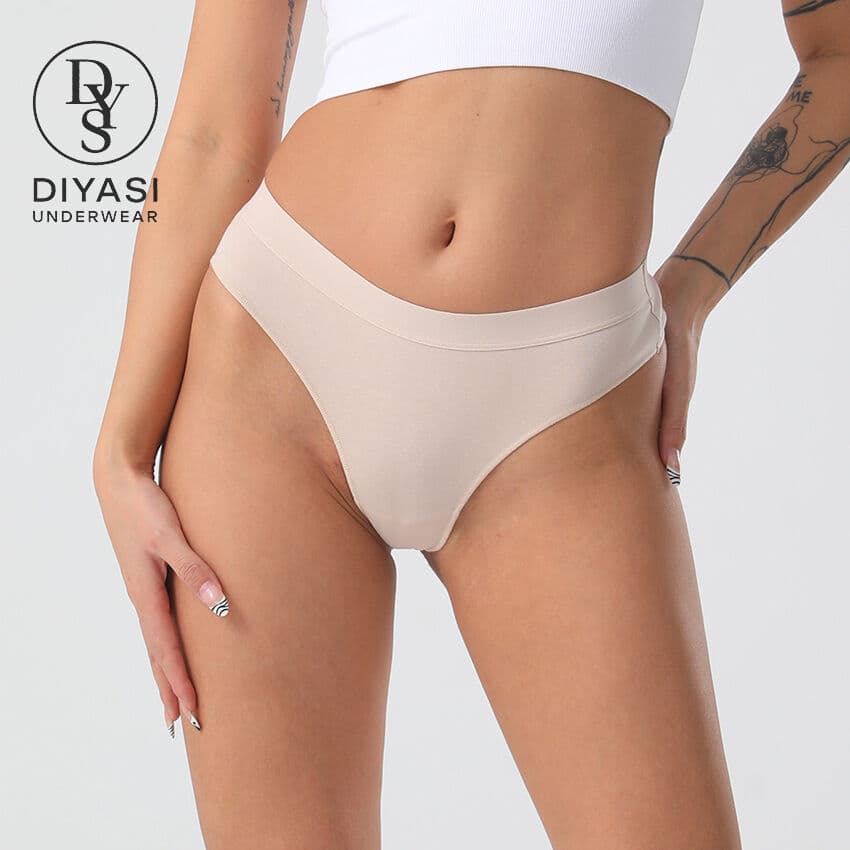
Create one colour brief with separate material approvals
Provide a physical colour standard or an agreed colour-system reference, its edition where relevant, and the intended fabric. A screenshot or hexadecimal colour can communicate a direction, but screen settings and photography make it an unreliable final dyeing standard.
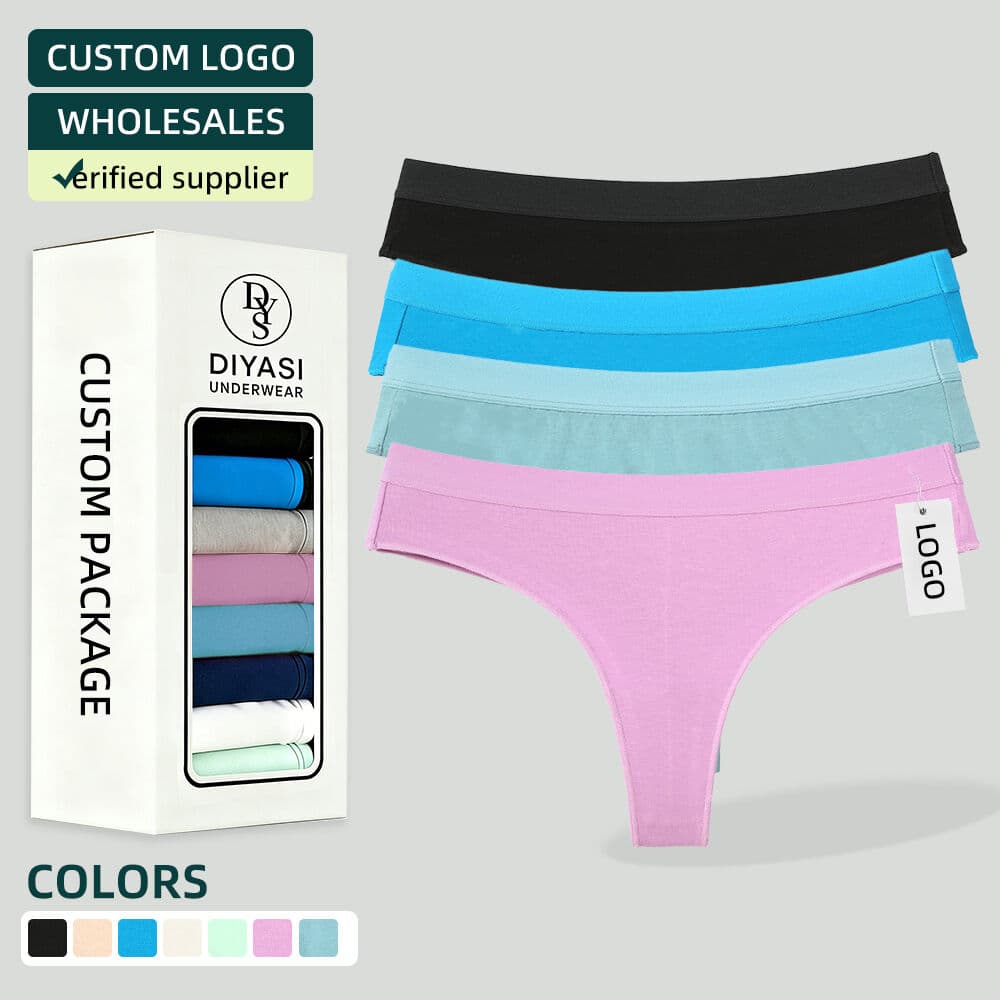
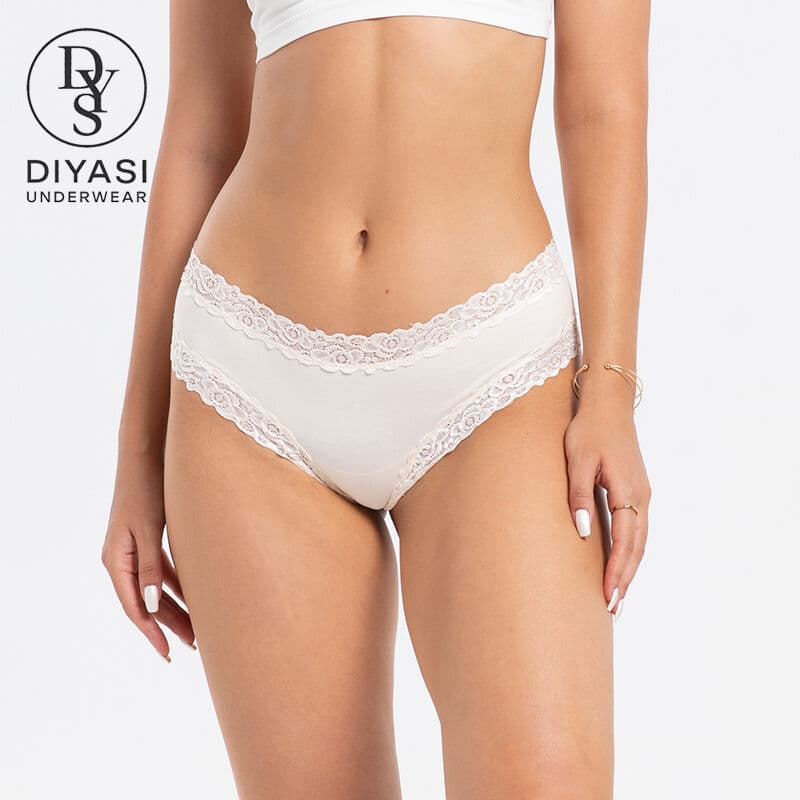
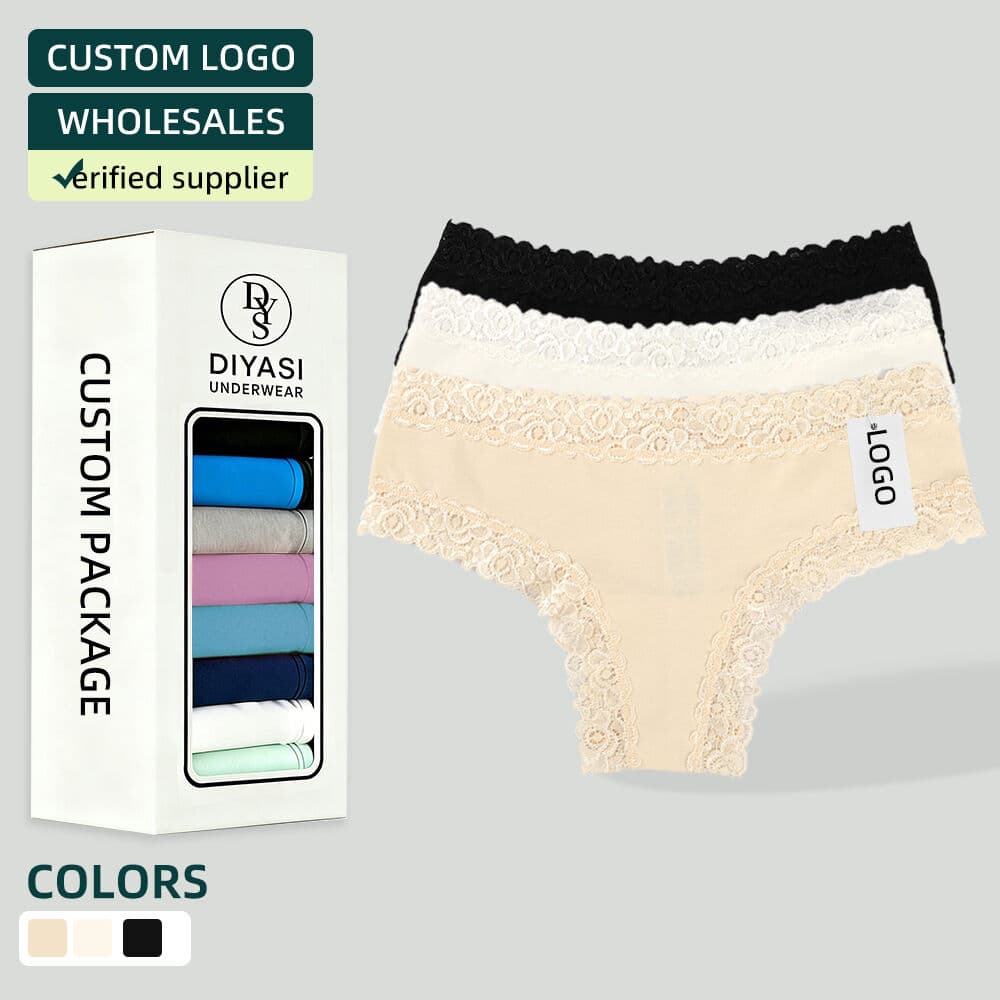
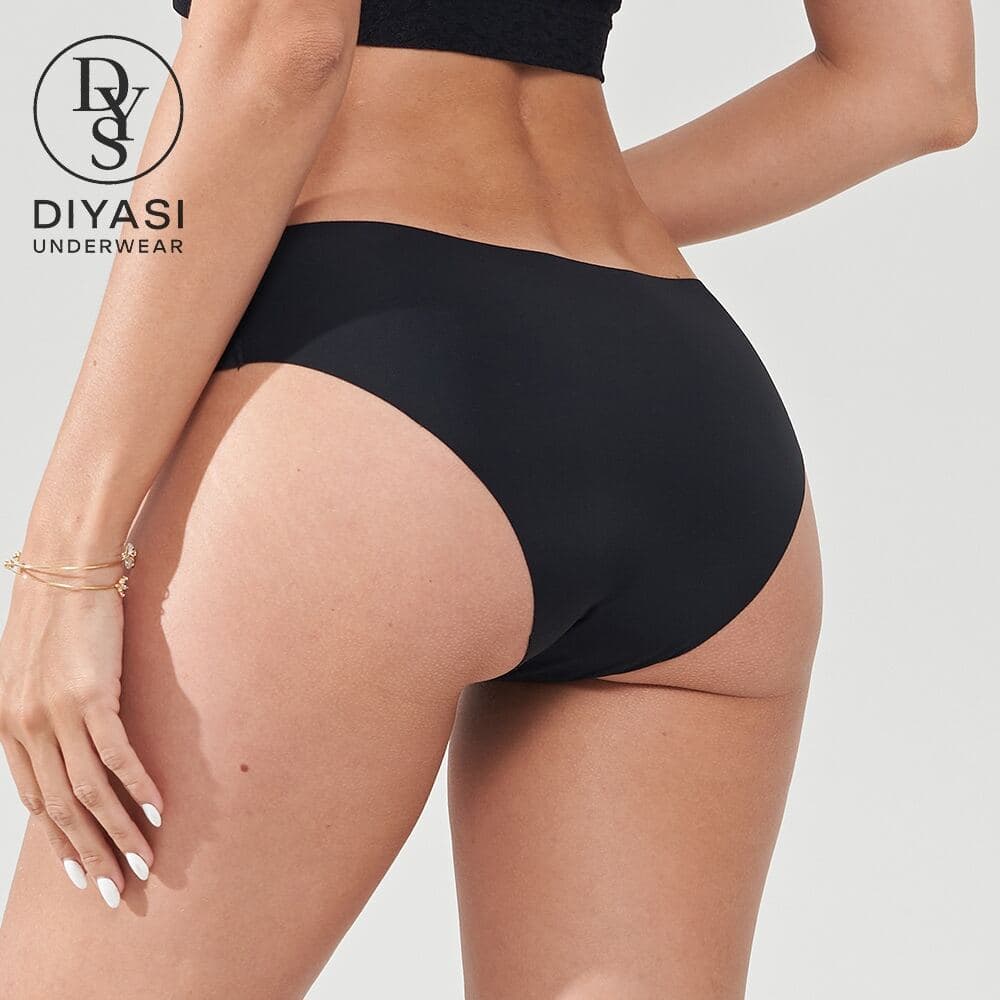
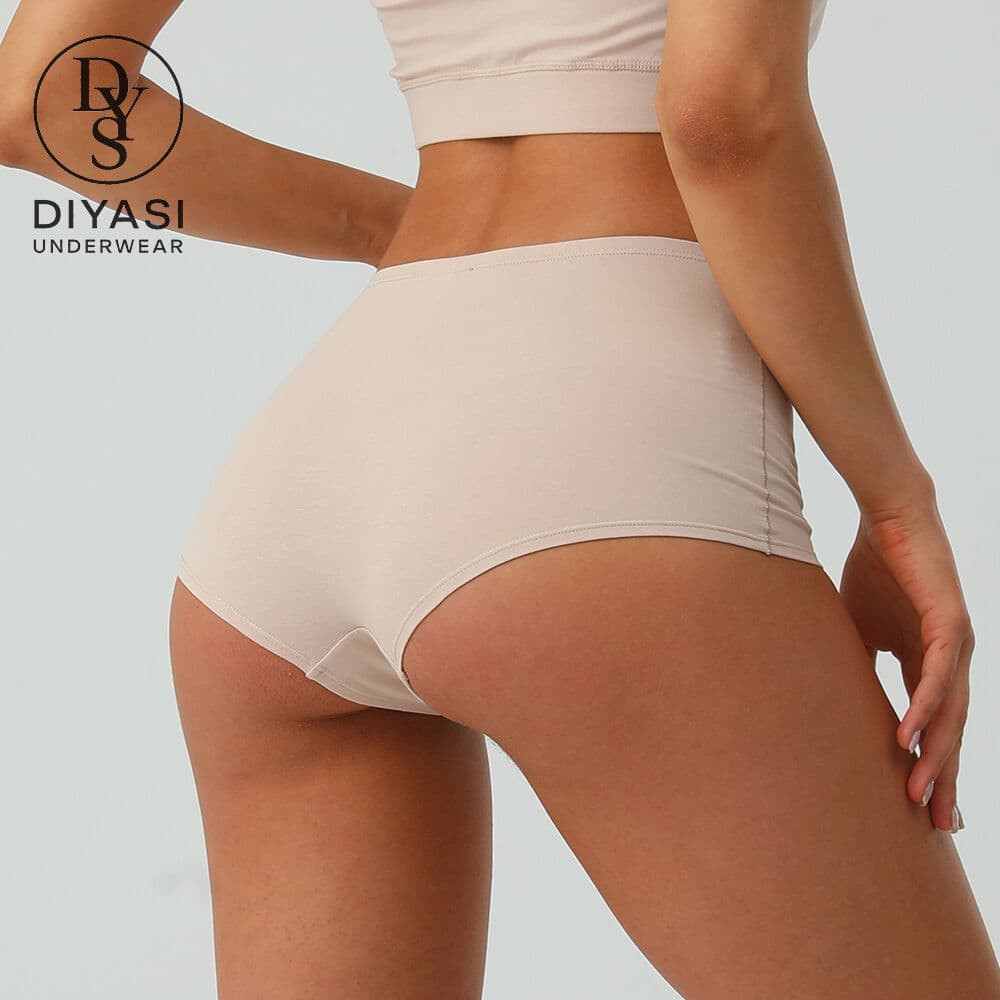
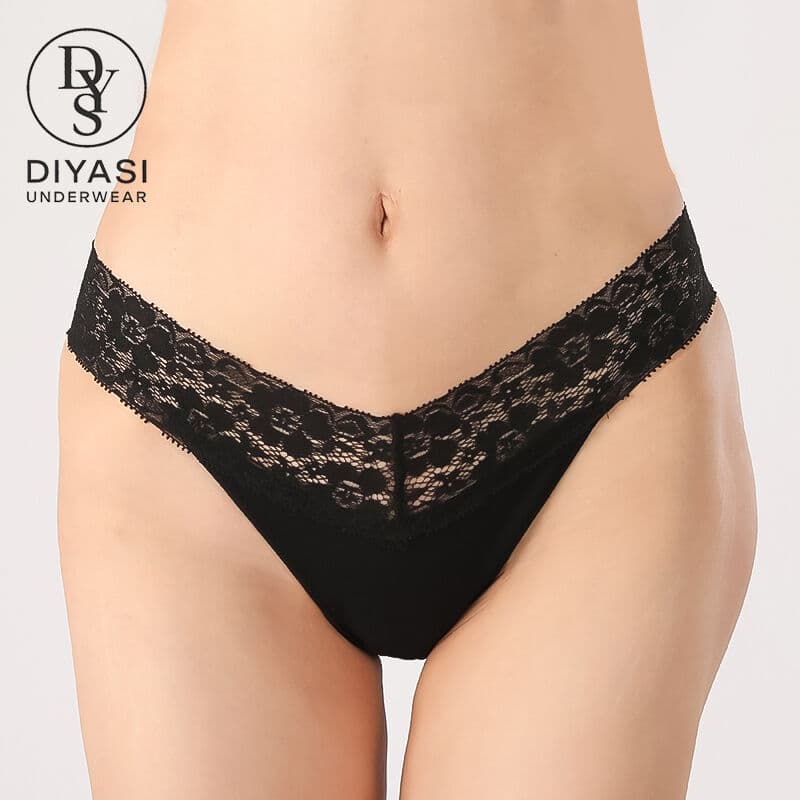
DYS202 lists a cotton-spandex body, LS006 combines cotton-spandex with polyamide-spandex lace, and DYS323 uses a polyamide-spandex body with a cotton gusset. These components can look different even when developed towards the same colour reference.
| Sample reference | Components to review | Approval question |
|---|---|---|
| DYS202 cotton bikini | Body fabric, waistband finish and sewing thread | Do adjacent components give the intended appearance? |
| LS006 lace-trim brief | Cotton body, lace and thread | Is the lace meant to match closely or create a tonal contrast? |
| DYS323 bonded Brazilian | Polyamide body and any visible internal components | Has the colour been approved on the actual fabric and construction? |
Make lab-dip feedback specific
Assign an identifier to each dip and compare it with the standard under the agreed lighting. Record whether it is too light, dark, red, yellow or blue rather than sending a photograph with only a request to improve the colour. Keep the physical reference and the feedback tied to the same version.
If the product will be viewed under different light sources, agree which ones matter to the review. Two materials may appear to match under one light and differ under another, a phenomenon known as metamerism. Ask the supplier how this will be assessed for the chosen materials.
Approve a component set before judging the garment
Place the body fabric, lace, elastic, thread and labels together on a named approval card. Review the components in their intended orientation and, where relevant, in a sewn sample. Surface texture, transparency and stretch can change how the combination appears.
A shade approval is separate from a colourfastness requirement. If resistance to washing, rubbing or staining is needed, agree the test method and acceptance criteria for the actual material or garment. A visually accepted dip does not demonstrate that those tests have passed.
Connect the approved dip to bulk production
Ask how the first bulk fabric will be compared with the approved standard and how dye lots will be identified. Agree whether a bulk cutting or production-material sample needs buyer approval before cutting. Keep a retained reference on both sides where practical.
For reorders, reference the approved physical standard and the relevant previous lot rather than asking for the same beige again. Material changes, finishing changes and different dye lots should trigger the checks agreed in your colour-control plan. Confirm custom-colour quantities and timing in the quotation.
Colour-approval questions
Can one dip approve both cotton and polyamide? It can communicate a shared target, but each material needs its own approval reference. Their surfaces and dyeing behaviour differ.
Does a colour code guarantee an exact match? No. The material, finish, viewing conditions and agreed tolerance all matter. Confirm what will count as an acceptable result.
Is a stock-colour sample the same as a custom-colour approval? No. Record whether the order uses an existing colour or requires new colour development, and identify the relevant physical standard.
Put your research to work
Compare cotton and polyamide underwear ↗Review lace material sourcing ↗Plan a finished-garment wash review ↗Confirm style and custom-colour minimums ↗Product sources
Product examples refer to the linked DIYASI source specifications. Confirm the final materials, measurements and availability for your selected sample.
DYS202 original product specification ↗LS006 original product specification ↗DYS323 original product specification ↗A starting point for your collection.
Share your selected model numbers, intended market and sample requirements with the DIYASI team.
Discuss your collection ↗