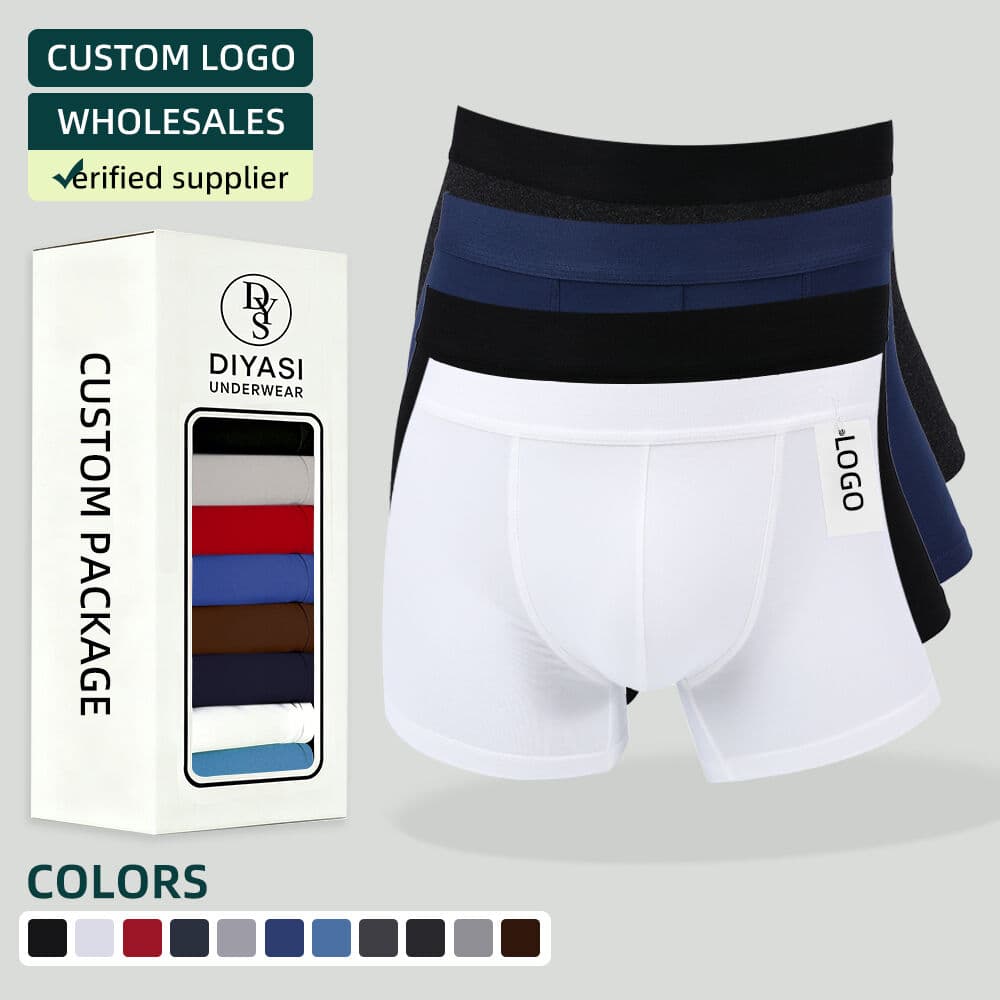
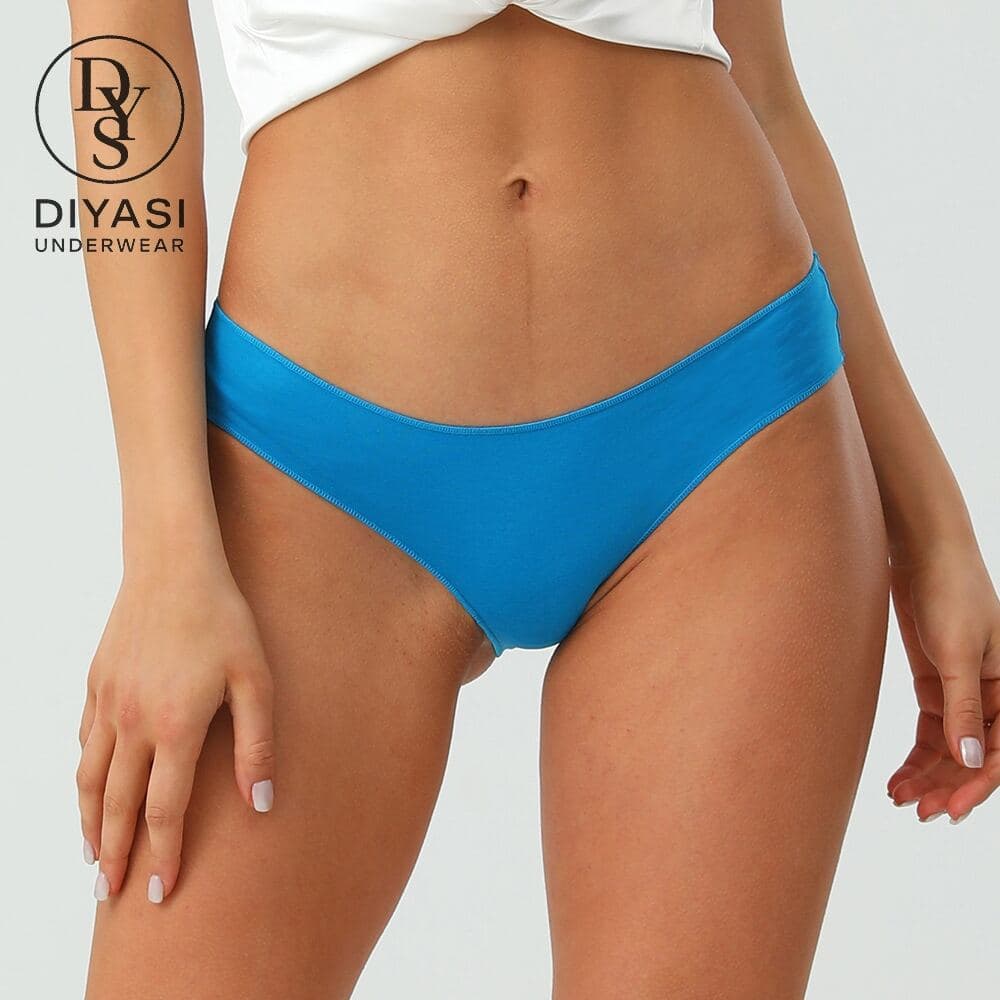
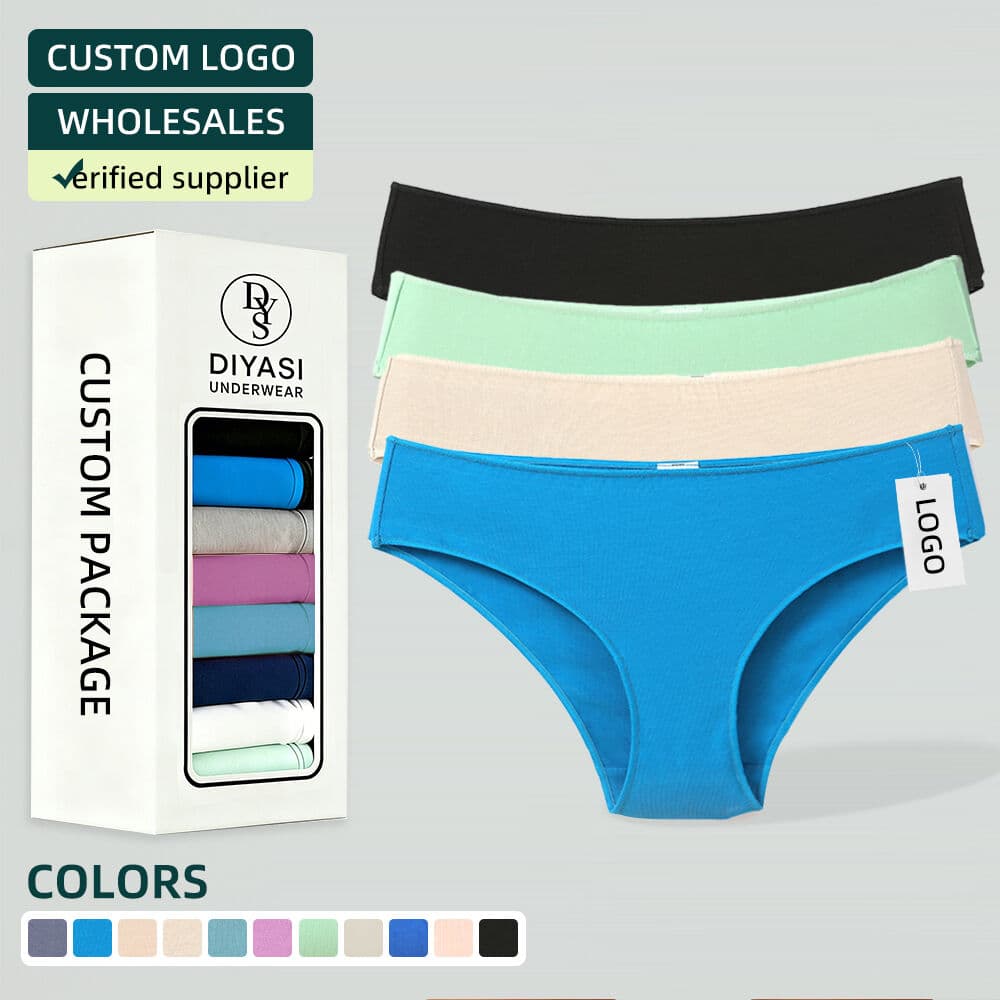
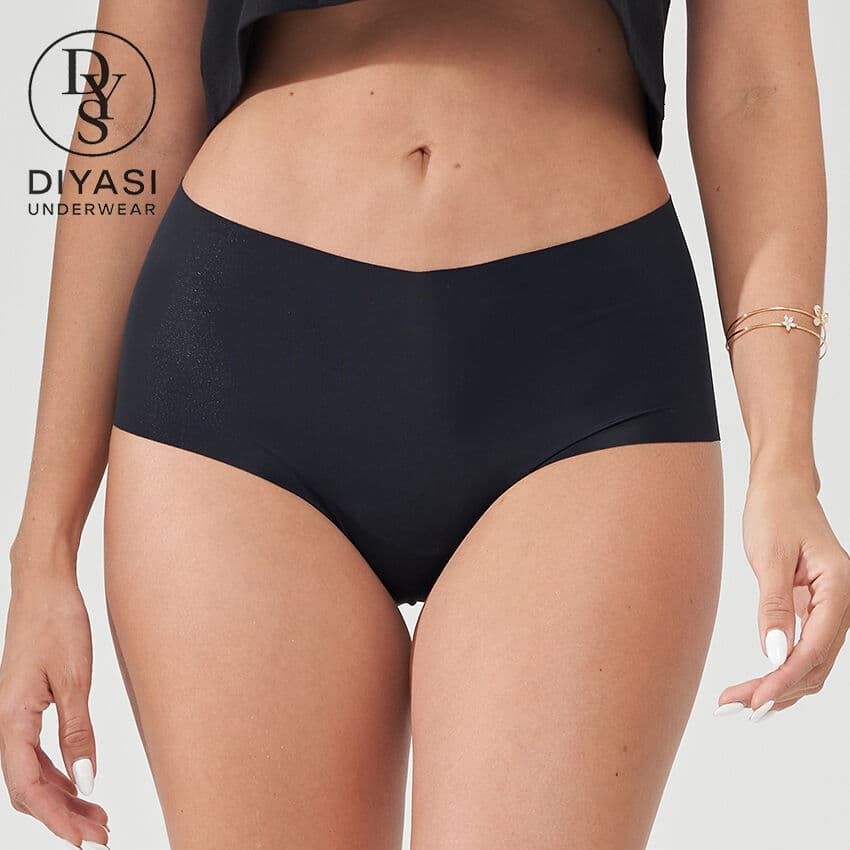
U.S. imports across four selected knit underwear categories totaled $2.415 billion in 2025, down 9.1% from $2.658 billion in 2024. Women's and girls' cotton briefs and panties were the only category in this comparison to rise, up 1.1%. The figures show how the four import groups moved and help buyers decide which categories deserve a closer sourcing review.
The four selected import categories
The comparison covers men's and boys' knit underpants and briefs and women's and girls' knit briefs and panties, each split into cotton and man-made fibers. The selected codes exclude other fiber categories and other garment groups in headings 6107 and 6108. The figures therefore describe four codes within the market.
We calculated changes as (2025 value ÷ 2024 value − 1) × 100. Table values are rounded for reading. The downloadable CSV retains whole dollars so the changes and totals can be recalculated.
| HS code and knit category | 2024 value (US$ million) | 2025 value (US$ million) | Change |
|---|---|---|---|
| 610711 · Men's/boys' cotton underpants and briefs | 651.18 | 596.26 | −8.4% |
| 610712 · Men's/boys' man-made fiber underpants and briefs | 602.08 | 505.30 | −16.1% |
| 610821 · Women's/girls' cotton briefs and panties | 552.69 | 558.96 | +1.1% |
| 610822 · Women's/girls' man-made fiber briefs and panties | 851.95 | 754.53 | −11.4% |
| Four-code total | 2,657.90 | 2,415.06 | −9.1% |
Sources: UN Comtrade 2024 API extract ↗ · UN Comtrade 2025 API extract ↗ · USITC Harmonized Tariff Schedule, Chapter 61 ↗
The change in the women's mix
The man-made fiber code accounted for 57.4% of the combined value of the two selected women's and girls' codes in 2025, down from 60.7% in 2024. That share uses only codes 610821 and 610822 as the denominator. Cotton's share rose even though its dollar growth was modest, because the other code fell far more.
The two men's and boys' codes together accounted for $151.7 million of the $242.8 million four-code decline, or 62.5%. This is a contribution to the observed change in value, calculated by subtracting each pair's 2025 total from its 2024 total. The figures show where the dollar change was concentrated within the selected codes.
For a brand choosing between a cotton bikini and a polyamide full brief, the figures support testing both hypotheses with customer and sample data. A one-year shift in import value can reflect quantities, sourcing mix, prices and timing. It cannot establish why a customer chose a fiber or what they will order next season.
Import value and unit quotation answer different questions
UN Comtrade's primary value uses CIF-type values when available for imports and can use FOB-type values where relevant. In the eight records used here, the data field equals the corresponding CIF field. These statistical values are for trade flows at the border. They do not provide final retail revenue, sell-through or supplier unit prices.
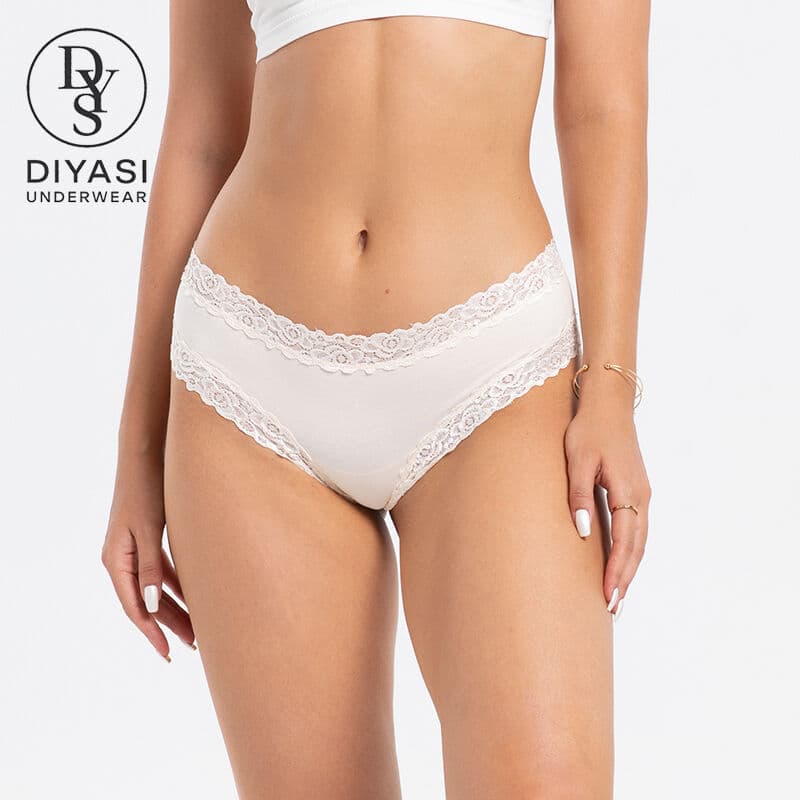
A sourcing decision needs the quote currency, delivery terms, quantity, garment dimensions and component specification. For example, the DYS201 catalogue lists 95% cotton and 5% spandex. DYS314 lists a stretch-polyamide body with a cotton gusset. These are examples of the details to record before a broker or importer determines classification for the actual shipment.
Sources: UN Comtrade methodology for CIF, FOB and primary trade values ↗ · UN Comtrade reference fields ↗
Turn the data into a sourcing comparison
Start a worksheet with one row per proposed SKU and retain the precise knit construction, body and secondary component compositions, intended market and sample revision. Reconcile each quotation against that row. Two offers described as cotton briefs can cover different patterns, quantities or packing terms, even when a broad trade category places them together.
Compare the trade data again only after matching the same reporter, partner, commodity classification, valuation field and complete year. Keep world and individual partner rows separate when aggregating. Use the annual dataset for market context, and keep fit approval, pricing, and customs decisions tied to the actual garment.
Download the data
U.S. knit underwear import values by HS code and year (CSV) ↓Put your research to work
Compare size labels across the 45-model DIYASI catalogue ↗Prepare a comparable underwear quotation ↗Compare men's briefs, trunks and boxer briefs ↗men's underwear manufacturer ↗custom waistband underwear manufacturer ↗cotton vs seamless underwear buyers guide ↗high waisted briefs manufacturer ↗laser cut underwear manufacturer ↗seamless vs no-show underwear ↗Men's 4-Inch Stretch Boxer Brief M007 ↗Low-Rise Cotton Bikini Brief DYS201 ↗Product sources
Product examples refer to the linked DIYASI source specifications. Confirm the final materials, measurements and availability for your selected sample.
M007 original product specification ↗DYS201 original product specification ↗DYS314 original product specification ↗A starting point for your collection.
Share your selected model numbers, intended market and sample requirements with the DIYASI team.
Discuss your collection ↗