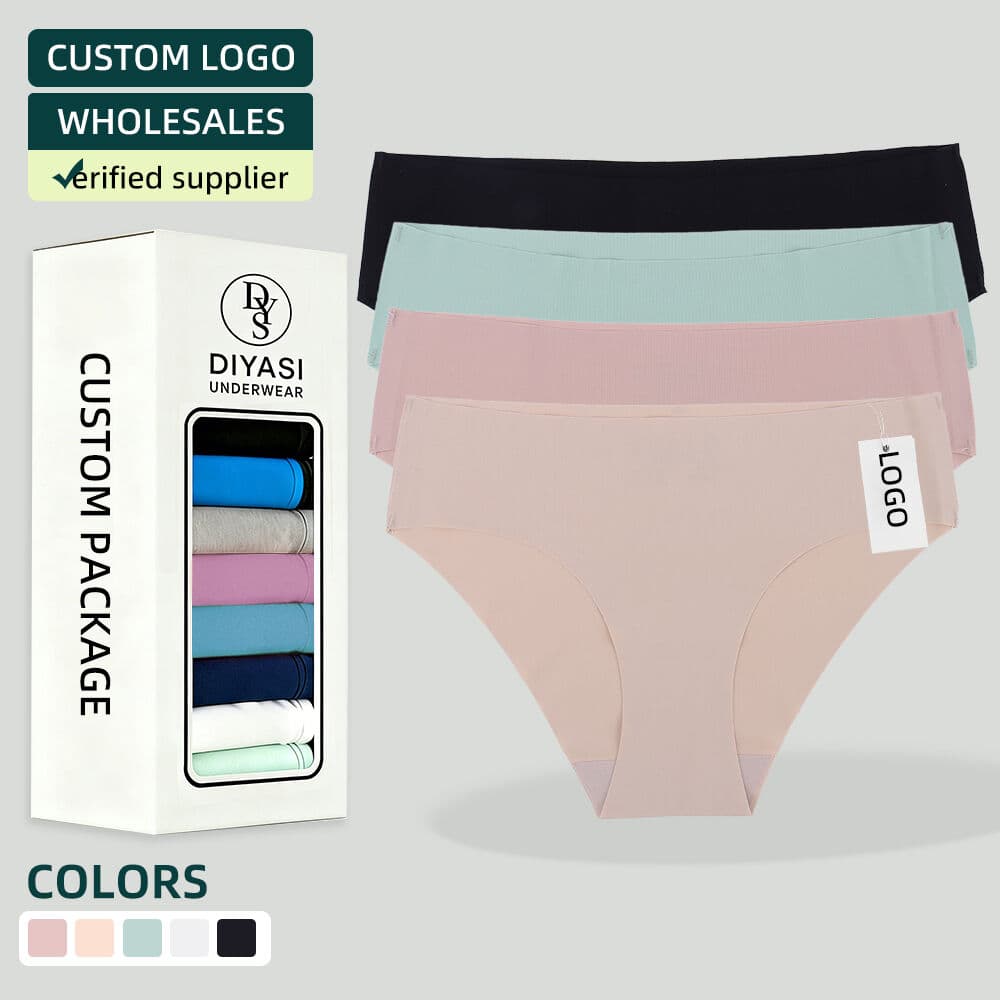
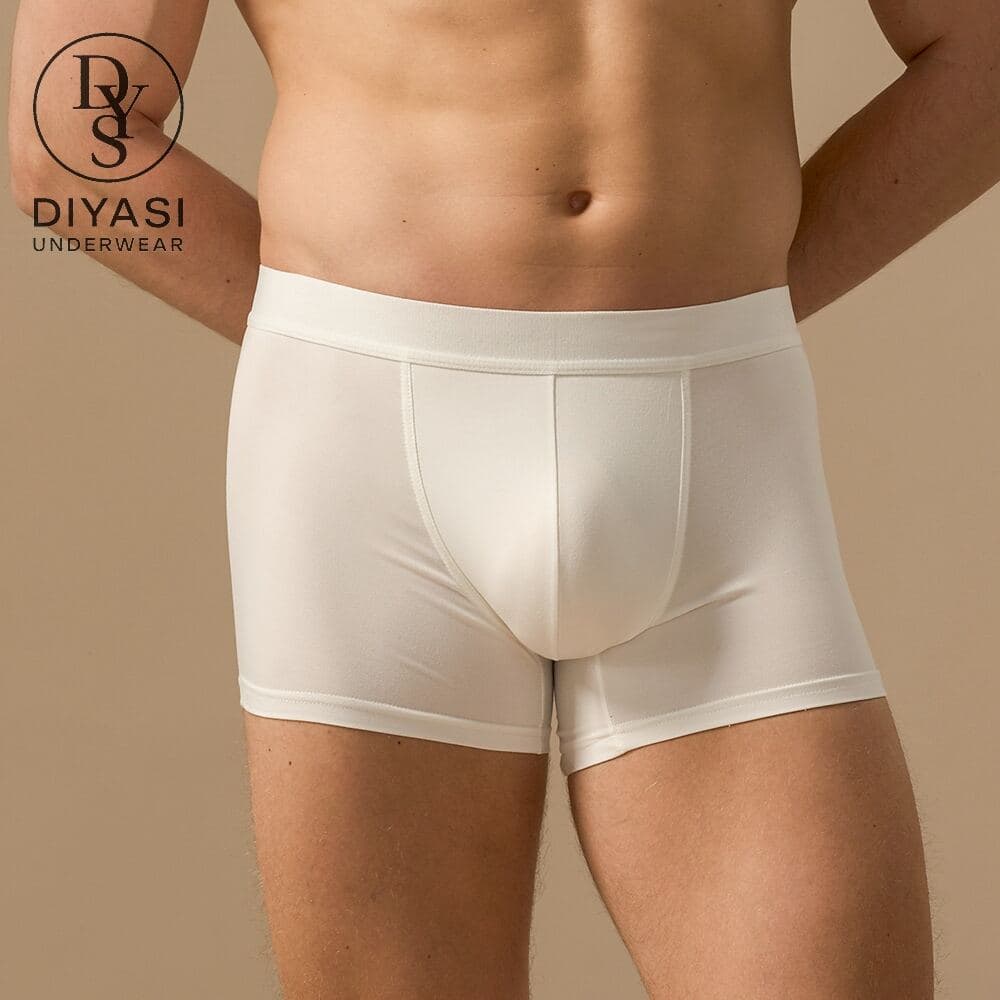
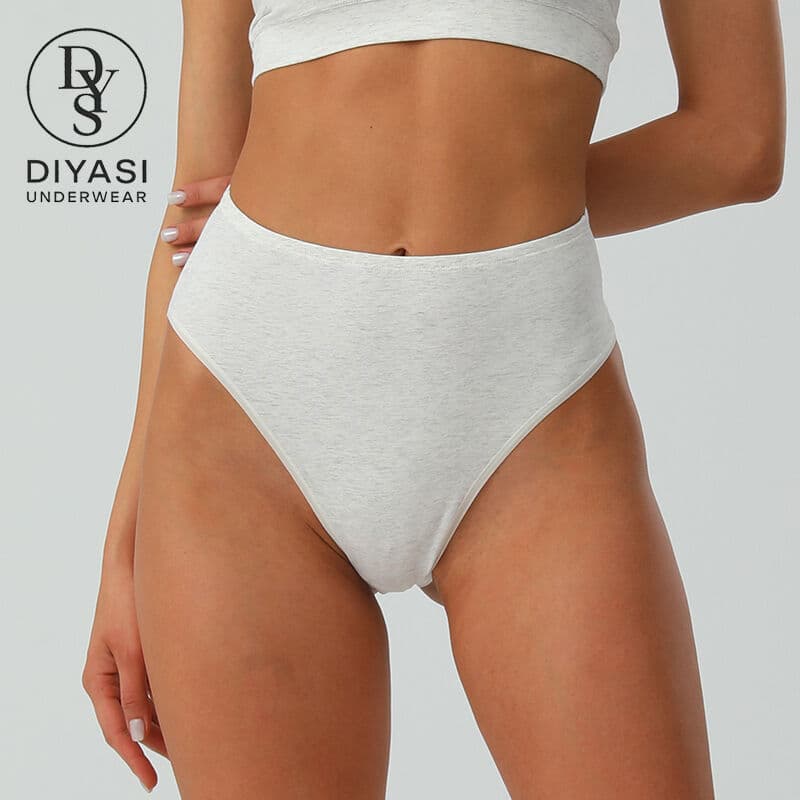
The useful procurement signal in textile production data is which questions to ask about your materials. It cannot tell a brand which underwear style will sell. Start with the fibre and component you need, define the evidence behind any claim, then compare quotations for the same approved specification.
The supply picture: more fibre does not mean more circular fibre
Textile Exchange reports approximately 139 million tonnes of global fibre production in 2025, up from 132 million in 2024. That is about 5.3% growth, calculated from the report's rounded totals. Recycled feedstocks represented about 7.6% of production; textile-to-textile recycling supplied less than 1% of the overall fibre market.
For a buyer, the gap between total supply and textile-to-textile supply is a reason to specify the feedstock. A request for recycled material leaves several questions unanswered: which component, which percentage, and recycled from what? A supplier's answer should identify those boundaries before the brand designs a label or builds a price comparison.
| Material | Reported production | Share within that material |
|---|---|---|
| Polyester, 2025 | 82.5 million tonnes | Recycled polyester: 11.8% |
| Polyamide, 2025 | 7.3 million tonnes | Recycled polyamide: about 3% |
| Cotton, 2024/25 | 25.7 million tonnes | Seasonal figure; not a calendar-year comparison |
Sources: Textile Exchange, 2026 Materials Market Report, pp. 5–6 (PDF) ↗
Write the specification by component
An underwear garment can combine a body fabric, gusset, lace, elastic, sewing thread and labels. One percentage statement may describe only the body. Ask for a component-level bill of materials and make the supplier identify the scope of each statement. If your planned consumer claim concerns the whole garment, a body-fabric specification alone cannot resolve it.
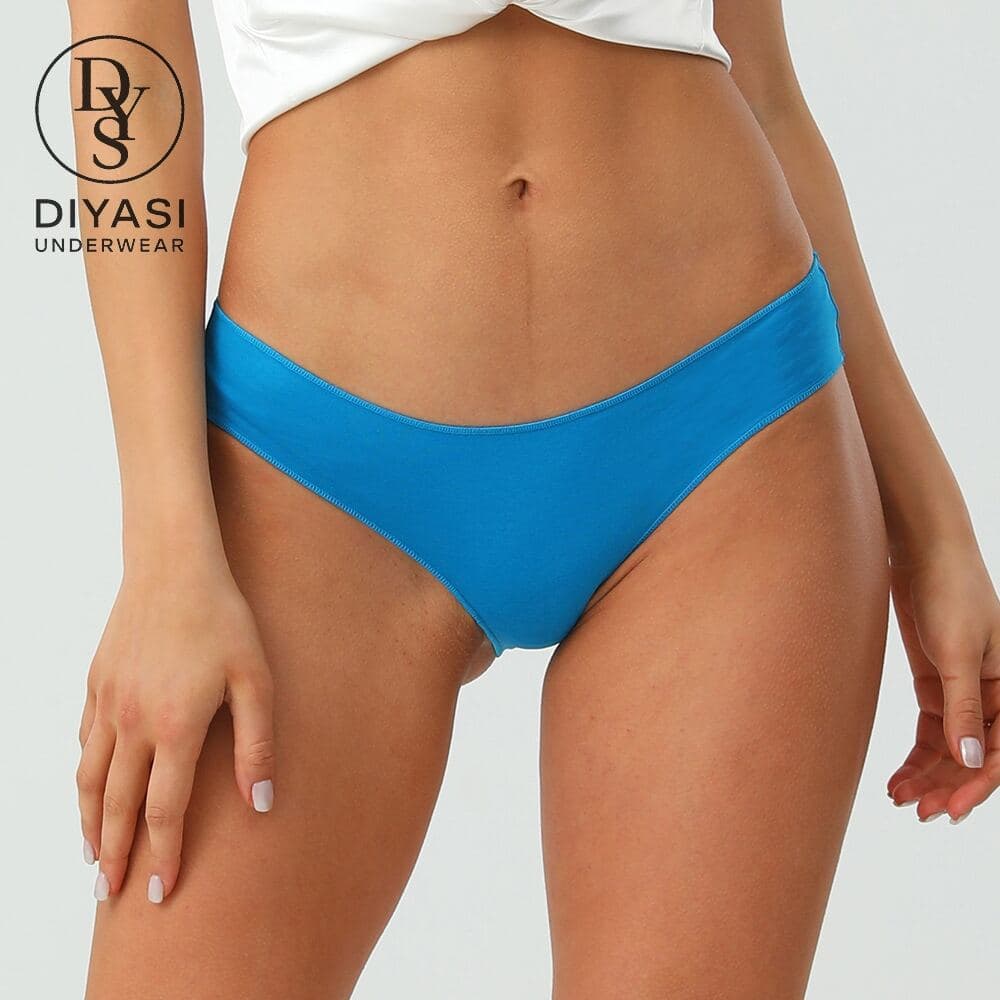
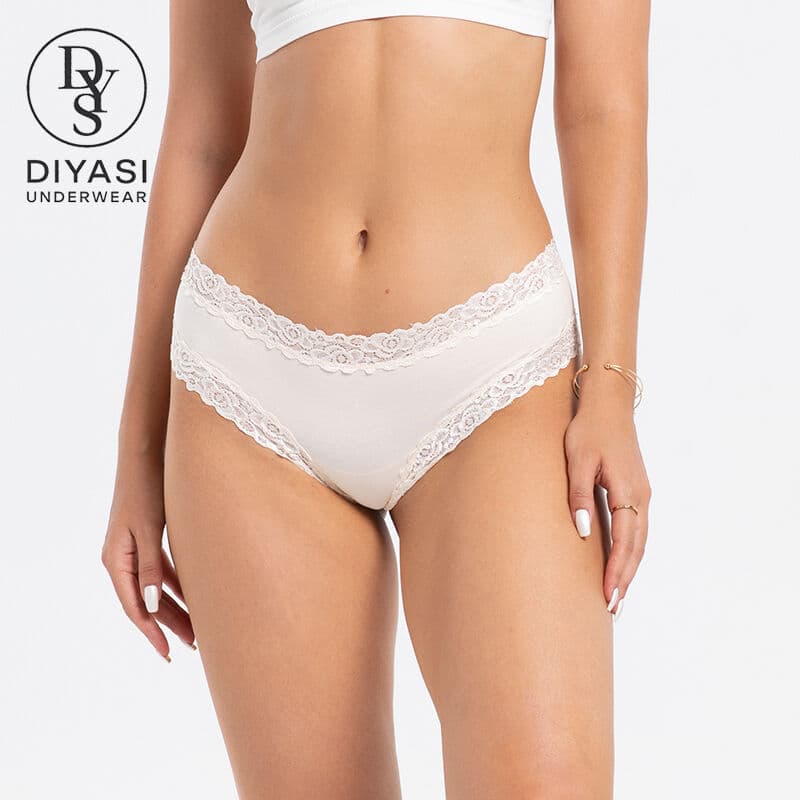
The catalogue examples below make this distinction concrete. Polyamide and polyester are different fibre families: a global polyester recycling percentage says nothing about the lace on LS006. Likewise, a cotton gusset does not make DYS323 a cotton-body garment. Preserve those differences when translating your brief or comparing an alternative supplier's sample.
| DIYASI example | Catalogue composition | Question for sample approval |
|---|---|---|
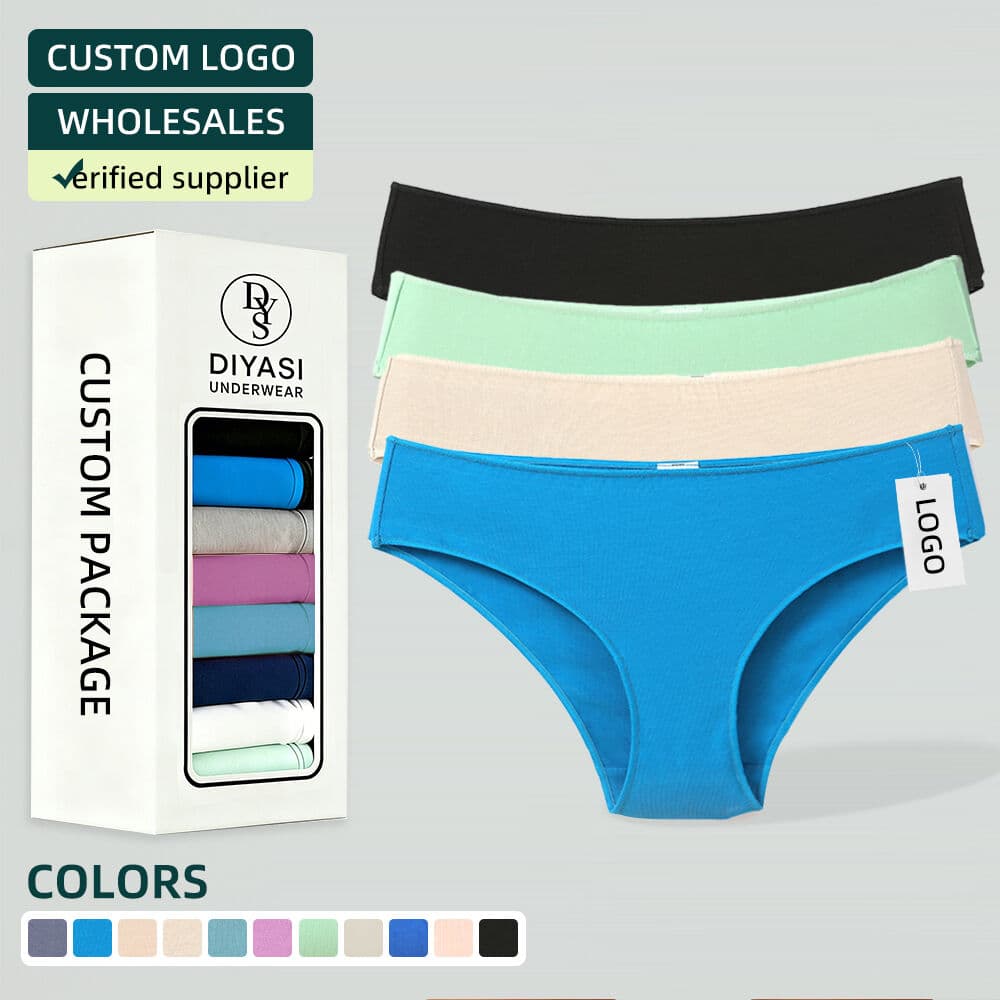
| DYS201 | 95% cotton / 5% spandex | Which components does the composition cover? Request the full component breakdown. |
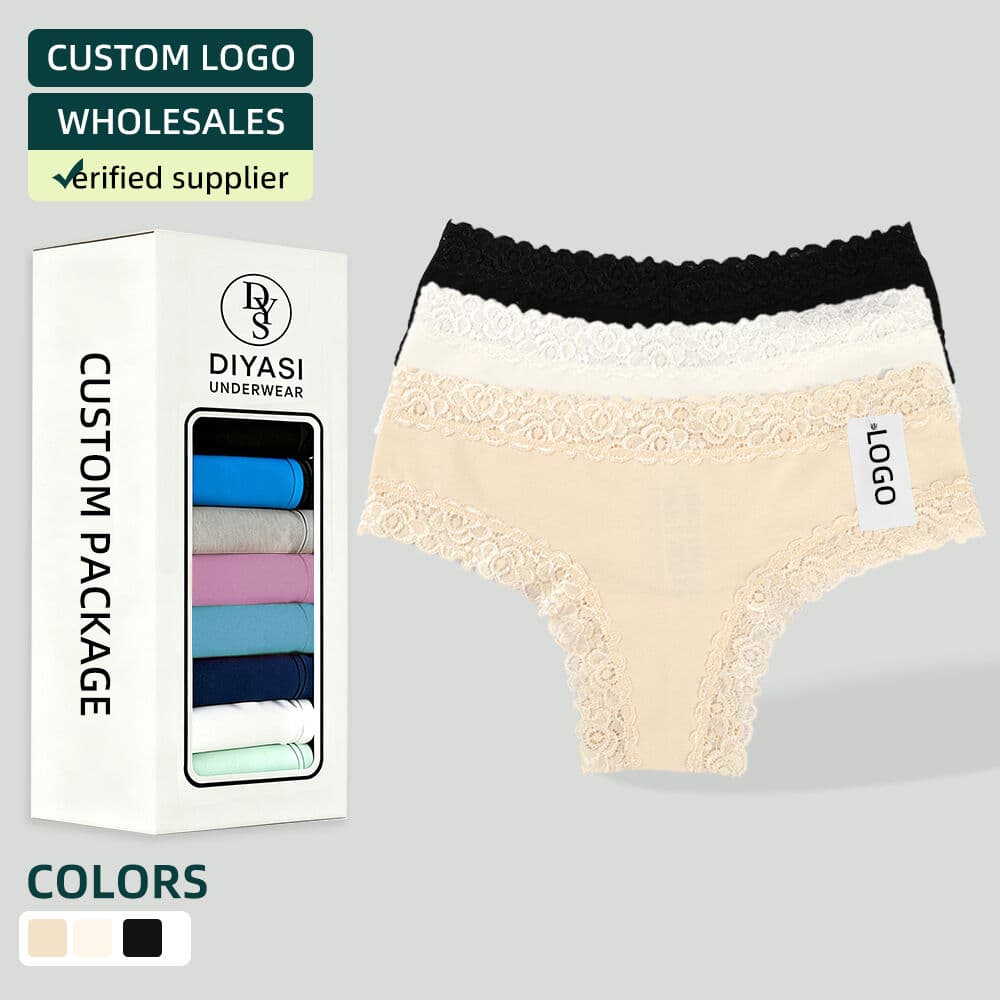
| LS006 | Body: 95% cotton / 5% spandex; lace: 80% polyamide / 20% spandex | Are the body and lace references fixed for the quoted version? |
| DYS323 | Body: 80% polyamide / 20% spandex; gusset: 100% cotton | Does the proposed product description distinguish the body from the gusset? |
Treat an environmental claim as an evidence request
Begin with the precise sentence you intend to put on packaging. Then ask what document supports it, which material or component the document covers, and how that material connects to the order. A generic presentation about a mill is different from a record identifying the fabric used in your approved sample and production batch.
Keep composition, sourcing claims and performance evidence in separate fields. A fibre name does not establish organic status. A recycled-content statement does not establish that the assembled garment is recyclable. A certificate should be checked for its named organisation, scope, validity and connection to the proposed supply; this article does not establish certification for the illustrated products.
When a required document is unavailable, record the claim as unresolved. The practical options are to obtain the missing evidence, change the material brief, or remove that claim from the proposed copy. Keeping an open item visible is more useful than letting an unsupported adjective pass from a quotation into a product listing.
Compare the same garment before comparing the price
Use the catalogue model as a starting reference, then freeze the requested fabric, colour, size allocation, trim and packing. Ask each quotation to identify its exclusions and validity. A material substitution can change the sample you need to approve even when the silhouette looks unchanged. Record the substitution explicitly instead of accepting a general description such as equivalent fabric.
DIYASI's current catalogue displays a 120-piece minimum per model and indicative unit prices. That minimum does not establish the availability or minimum of a newly requested recycled fabric, special colour, elastic or printed packaging. Ask for the garment and component conditions separately, including who owns any unused component balance.
For a controlled comparison, request one unchanged catalogue specification and one clearly identified alternative. Compare the commercial terms alongside a physical sample and the evidence record. Global production growth alone cannot predict the price difference, a delivery date or whether the alternative will feel the same in wear.
Turn the outlook into a supplier brief
Prepare one record per proposed model and revision. Attach the intended claim, component list, reference sample, quantity plan and unresolved evidence questions. Assign someone to close each open item before approving artwork or releasing an order. The downloadable worksheet below is a place to organise these questions; it is not a certificate or a completed test report.
The buying decision should end with a defined garment and traceable answers. The industry report provides context for asking better questions; your order-specific documents and approved sample determine what you can actually buy and describe.
Your material evidence brief
Complete one record per proposed model and revision. Record missing evidence as an open item; this worksheet does not certify a material or confirm a quotation.
| Field | What to record | Your entry |
|---|---|---|
| Catalogue model, brand SKU and sample version | ||
| Body, gusset, lace, elastic and other components separately | ||
| Exact proposed packaging or listing wording and component scope | ||
| Claimed origin, recycled content and which material it covers | ||
| Document reference, issuer, scope, validity and link to the order | ||
| Reference, comparison method, observations and unresolved changes | ||
| Garment/component quantities, exclusions, validity and surplus terms | ||
| Missing evidence, required answer and person closing each item |
Entries stay in this page until you leave or reload. Download a copy to keep them; this worksheet does not submit an enquiry.
Put your research to work
Organic cotton claims: what evidence to request ↗Cotton gusset versus cotton underwear ↗Plan model and component minimums ↗Prepare product data for EU textile rules ↗cotton vs seamless underwear buyers guide ↗high waisted briefs manufacturer ↗private label underwear manufacturer ↗bikini vs Brazilian underwear sample measurements ↗laser cut underwear manufacturer ↗seamless vs no-show underwear ↗Low-Rise Cotton Bikini Brief DYS201 ↗Lace-Trim Cotton Brazilian Brief LS006 ↗Product sources
Product examples refer to the linked DIYASI source specifications. Confirm the final materials, measurements and availability for your selected sample.
DYS201 original product specification ↗LS006 original product specification ↗DYS323 original product specification ↗A starting point for your collection.
Share your selected model numbers, intended market and sample requirements with the DIYASI team.
Discuss your collection ↗