Three different EU policy tracks are relevant to textile procurement: extended producer responsibility, rules on destroying unsold apparel, and the Ecodesign for Sustainable Products Regulation framework. They have different triggers and timelines. A useful first step for an underwear buyer is to assemble an accurate product and operator file, then identify which requirements apply with the responsible EU business and its adviser.
Textile EPR: establish the market and responsible business
The Commission states that the revised Waste Framework Directive entered into force on 16 October 2025. Member States have 20 months to transpose it and 30 months to establish textile extended producer responsibility schemes. These are implementation periods, not a single EU-wide registration or fee schedule for an underwear order.
Begin with where the goods will be placed on the market and which business is responsible under the applicable national scheme. Ask that business to confirm registration, reporting categories, fee basis and relevant existing obligations. Do not assume every country is waiting for a new scheme or that a factory invoice answers the producer-responsibility question.
Prepare data that can be reconciled to actual goods: your SKU, model reference, component breakdown, measured weight, units and destination. Keep the measurement method and treatment of packaging explicit. This is a proposed internal record structure; the destination scheme determines the categories and units it accepts.
Sources: European Commission, revised Waste Framework Directive enters into force (16 October 2025) ↗
Unsold apparel: separate inventory decisions from disposal decisions
The Commission's July 2026 notice states that the ban on destroying unsold clothes, clothing accessories and footwear applies to large companies from 19 July 2026 and to medium-sized companies from 2030. Small and micro companies are exempt from these requirements. That scope does not establish an exemption from EPR or from every other textile obligation.
For purchasing teams, the practical question is whether an unsold unit can be traced to a model, batch, condition assessment and documented next step. Keep overstock separate from returned goods and from goods with a recorded defect. Those distinctions help the responsible team assess its options; a stock status alone is not a legal permission to destroy an item.
Do not assume that every underwear item automatically qualifies for a hygiene-related exception. Any applicable derogation and its evidence requirements need to be checked against the current rules. Agree who owns the inventory record, who makes the decision and where supporting documents are retained before a disposal decision becomes urgent.
Sources: European Commission, ban on destruction of unsold clothes and shoes (17 July 2026) ↗
ESPR and product passports: prepare data without inventing a deadline
The Ecodesign for Sustainable Products Regulation entered into force on 18 July 2024. The Commission describes a framework under which specific product requirements, including digital product passport information, are developed. The framework's existence alone does not establish a current passport obligation or one universal deadline for every underwear SKU.
Before commissioning a passport system, identify the adopted measure, covered product group, required information and applicable date for your product. A QR code linked to a spreadsheet is not proof of compliance. Your EU importer or compliance adviser should confirm the actual obligation and who is responsible for maintaining the required information.
You can still improve the underlying records now. Use stable identifiers for products and revisions, distinguish confirmed from missing data, and retain the source of each material statement. These practices help avoid rebuilding the same facts later without pretending that this internal file satisfies a future technical standard.
Sources: European Commission, Ecodesign for Sustainable Products Regulation overview ↗
Build one evidence file, with separate decisions for each rule
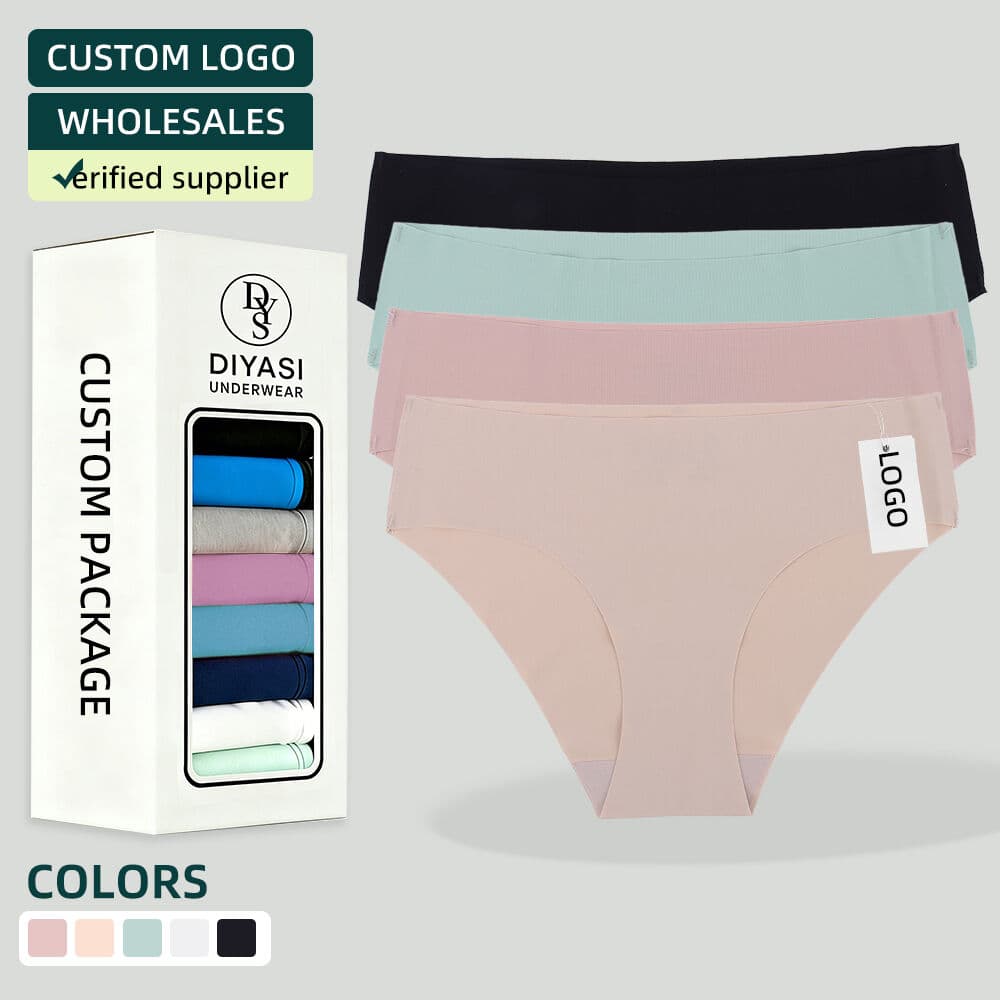
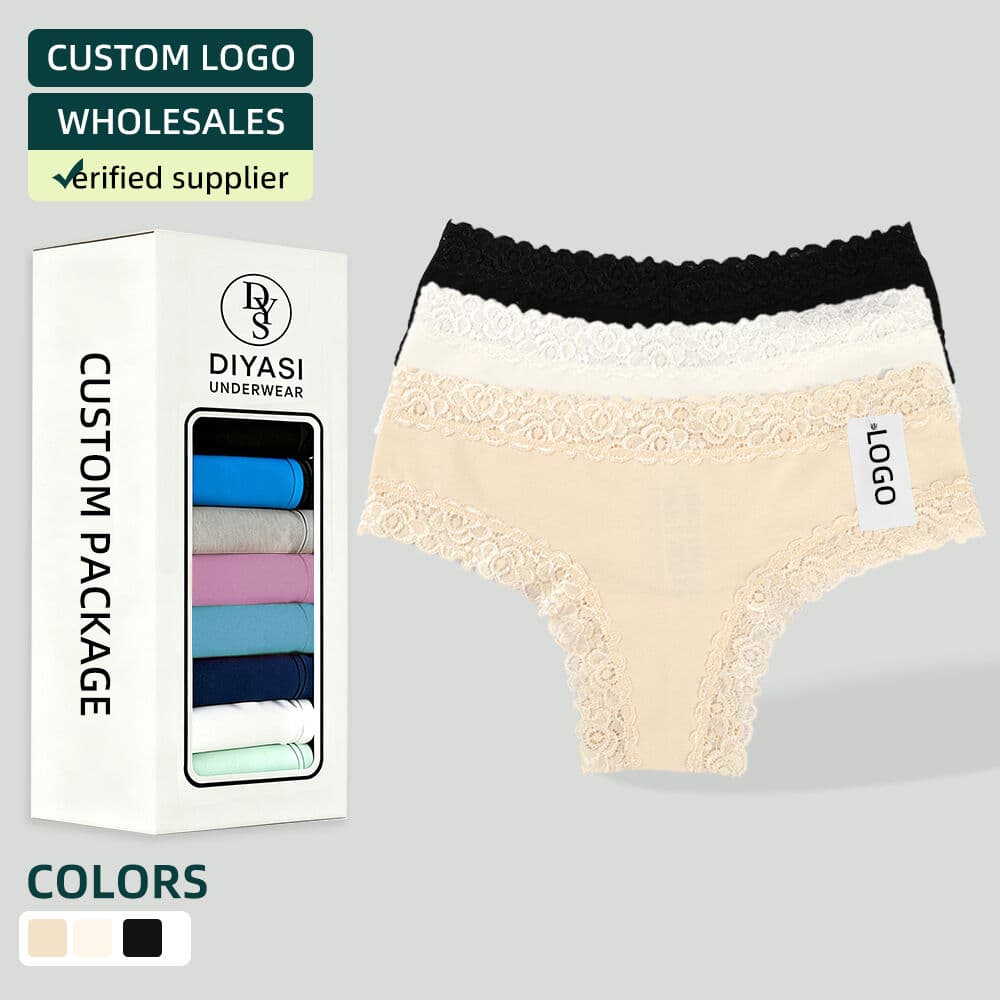
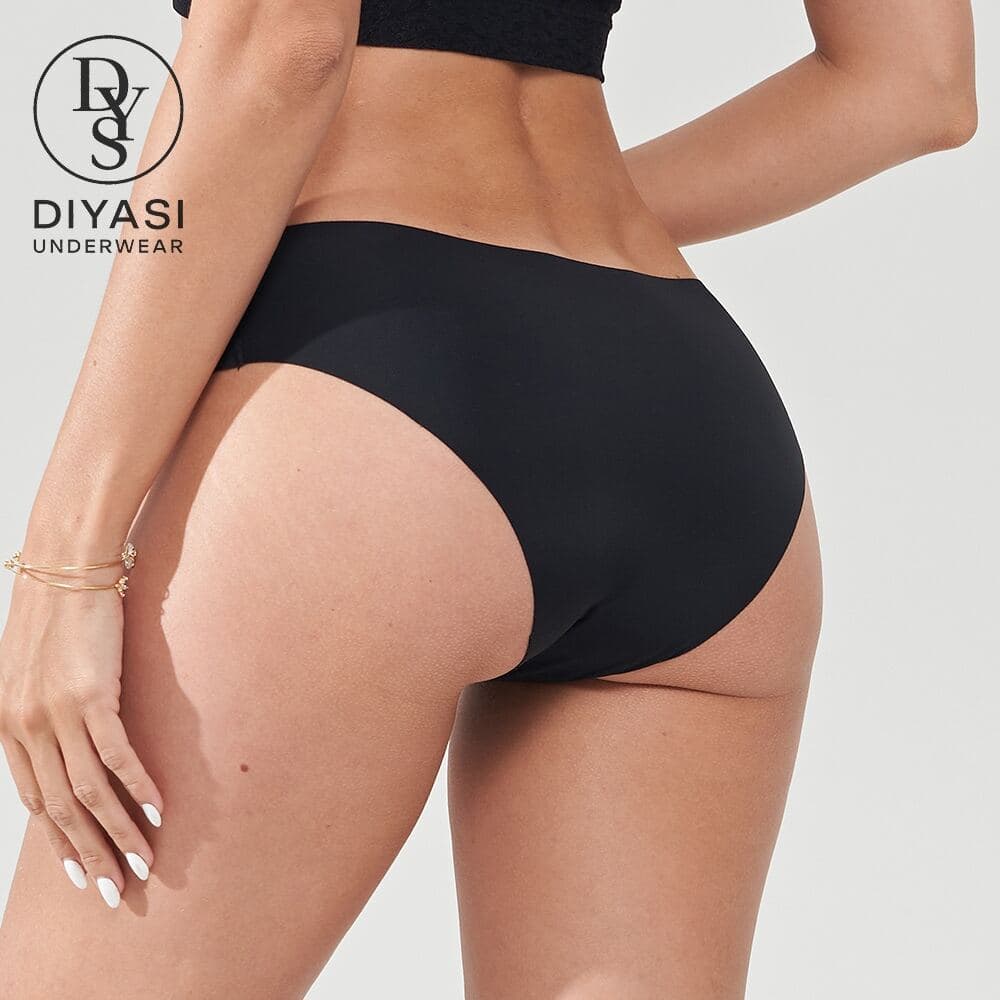
A shared evidence file reduces repeated requests to a supplier, but the legal decisions remain separate. For example, LS006 has a cotton/spandex body and polyamide/spandex lace; DYS323 has a polyamide/spandex body and a cotton gusset. Describing either with one broad material label loses information that a buyer may need for a subsequent classification or reporting review.
Treat a material substitution, new trim or packaging change as a revision. Ask whether the change affects the data previously supplied to the importer and retain both versions. Do not silently overwrite the record for goods already sold. The following fields are recommended for internal preparation; they are not presented as a universal statutory template.
| Record | What to collect | Who should confirm it |
|---|---|---|
| Product identity | Brand SKU, factory model, variant and revision | Buyer and supplier |
| Materials | Body, gusset, trim and other components separately | Supplier, supported by relevant documentation |
| Weight | Measured garment weight, method and packaging treatment | Party performing the measurement |
| Market and operator | Destination, importer and responsible business | EU business and adviser |
| Commercial batch | Order, shipment, quantities and specification revision | Buyer, supplier and logistics records |
| Unsold inventory | Quantity, condition, assessment and recorded next step | Inventory owner and responsible decision-maker |
| Applicable obligation | Rule or scheme, scope, date and open questions | Responsible EU business and qualified adviser |
Use the checklist at quotation and again before shipment
At quotation, send the destination market and the data your responsible EU business needs. Ask the supplier to mark each field as confirmed, unavailable or subject to final sample approval. This exposes missing information while there is still time to adjust the brief, rather than after labels and packaging are produced.
Before shipment, reconcile the approved sample, final component specification and batch records. Ask the responsible business to close the rule-specific questions separately. Buying a particular catalogue model does not automatically resolve EPR, disposal or passport obligations; a completed internal worksheet should identify the evidence and decision owner instead of declaring a general compliance pass.
Your EU textile data preparation checklist
Organise the evidence for a market-specific review with your responsible EU business. These suggested fields are not a statutory form, compliance approval or digital product passport.
| Field | What to record | Your entry |
|---|---|---|
| Brand SKU, factory model, variants and specification version | ||
| Body, gusset, trim, elastic and supporting document references | ||
| Result, unit, measurement method and treatment of packaging | ||
| Market, importer and business responsible under the applicable rule | ||
| EPR scheme, unsold-goods rule or adopted product measure; scope and date | ||
| Order, shipment, quantities and the specification actually supplied | ||
| Unsold/returned units, condition, decision and evidence references | ||
| Missing evidence, adviser confirmation and person responsible |
Entries stay in this page until you leave or reload. Download a copy to keep them; this worksheet does not submit an enquiry.
Put your research to work
2026 materials data and component evidence ↗Apparel returns data and sample approval ↗Cotton and lace composition claims ↗Explore DIYASI sourcing resources ↗laser cut underwear manufacturer ↗seamless vs no-show underwear ↗private label underwear manufacturer ↗bikini vs Brazilian underwear sample measurements ↗Bonded Brazilian Seamless Brief DYS323 ↗Lace-Trim Cotton Brazilian Brief LS006 ↗Product sources
Product examples refer to the linked DIYASI source specifications. Confirm the final materials, measurements and availability for your selected sample.
DYS323 original product specification ↗LS006 original product specification ↗A starting point for your collection.
Share your selected model numbers, intended market and sample requirements with the DIYASI team.
Discuss your collection ↗