A returns headline becomes useful when it changes what a brand records and approves. For underwear, separate size and fit complaints from style expectations, compare identified samples, and connect later feedback to the actual model and production batch. The aim is a decision process you can inspect, without promising an unmeasured reduction in returns.
What the published figures can tell a buyer
The European Environment Agency's 2024 briefing estimates an average clothing return rate of 20% in Europe. It also reports that buyer-perceived poor fit or style accounts for 70% of returns in the research it cites. Those figures have different denominators: garments sold for the return rate, and returns for the reasons breakdown.
The estimates make fit and expectation-setting useful areas to investigate. They do not tell us the return rate for underwear, a particular country, a small brand or DIYASI. Do not multiply the two figures to forecast your own losses: the source does not establish that they describe one matched population. Use your own sales and returns records for the commercial calculation.
Sources: European Environment Agency, The destruction of returned and unsold textiles (4 March 2024) ↗
Define the fit promise before selecting a sample
A shared size letter does not make two cuts interchangeable. Write down the intended rise, rear coverage, leg opening and waistband position before deciding what a successful sample should look like. Keep garment measurements separate from the body measurements used to explain sizing to a customer.
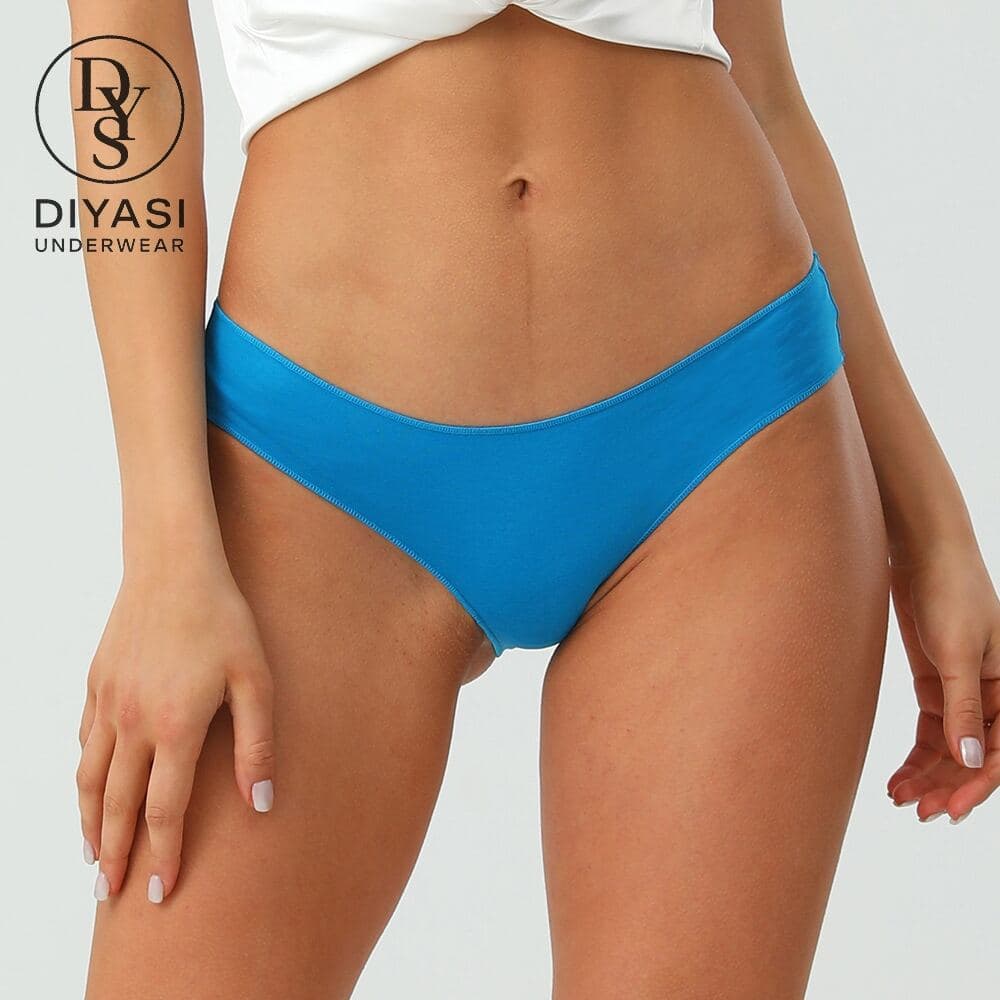
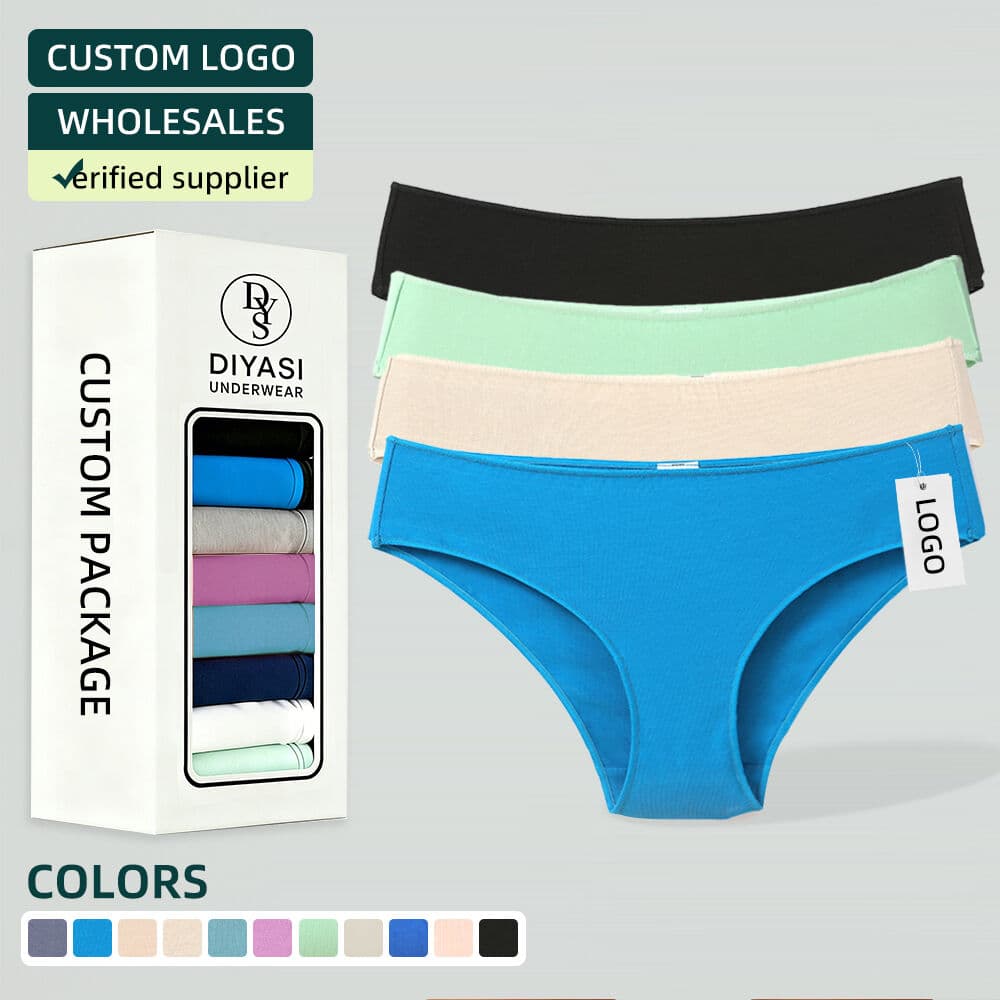
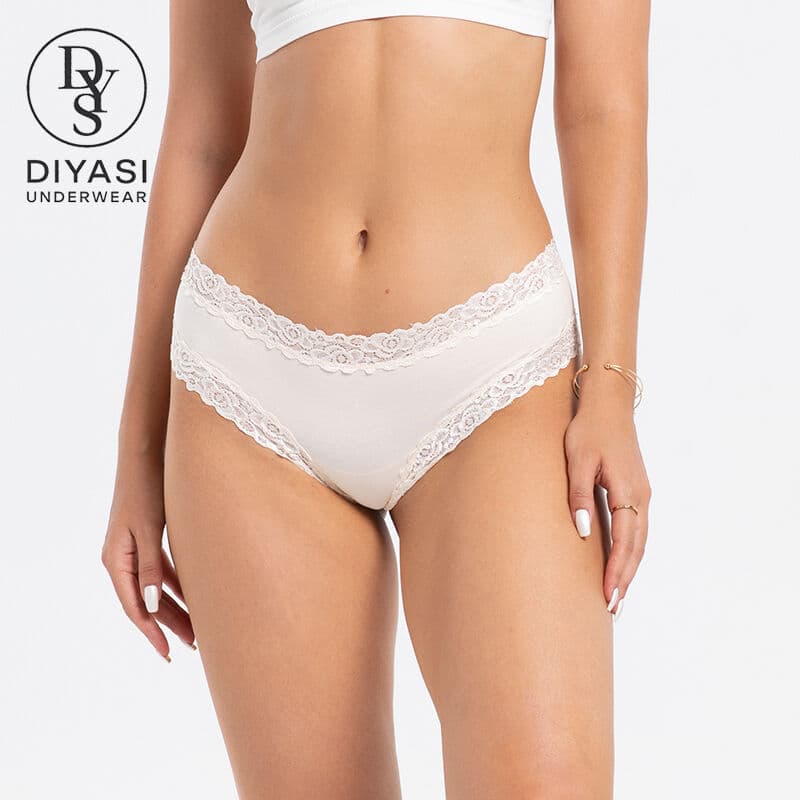
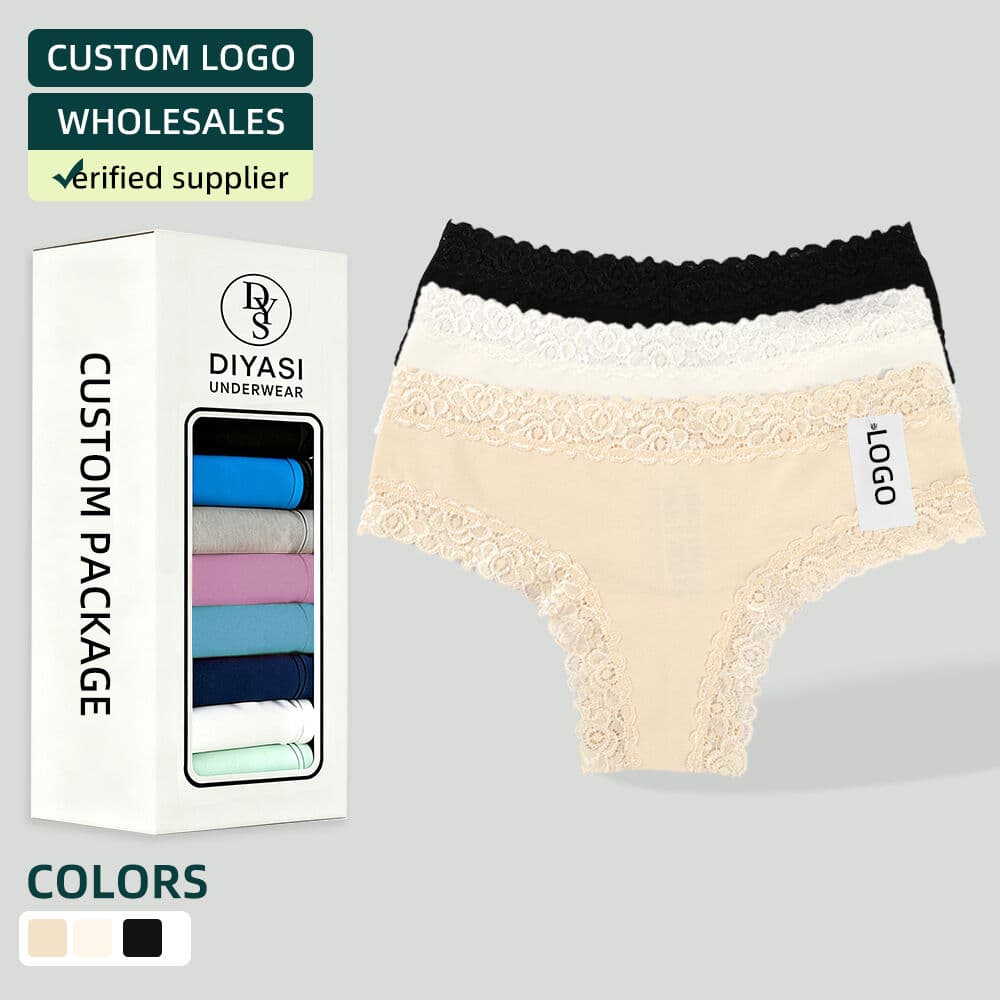
Compare DYS201 and DYS202 when rise is the open question: the catalogue describes a low-rise bikini and a regular-rise bikini respectively. LS006 is a Brazilian style with a mid-low rise and lace. It introduces a different coverage and trim brief. These are selection references, not proof that one model fits every person better.
| Reference | Catalogue distinction | Sample question |
|---|---|---|
| DYS201 | Low-rise bikini; 95% cotton / 5% spandex | Does the intended waistband position match the product description? |
| DYS202 | Regular-rise bikini; 95% combed cotton / 5% spandex | Are the approved rise and size measurements clearly recorded? |
| LS006 | Brazilian, mid-low rise; separate cotton body and polyamide lace | Do coverage photographs and trim observations reflect this exact sample? |
Build a repeatable sample review
Identify every sample by model, size, colour and revision. Agree the measurement points and whether each measurement is relaxed or taken under a defined extension. Record the actual values beside the requested specification. Without a shared method, a difference between two measurements may be a difference in how they were taken.
For a fit review, use consenting participants relevant to your intended range and handle their information appropriately. Record observations such as waistband movement, leg pressure, coverage or trim contact in consistent terms. Keep a wearer preference separate from a measured specification deviation. A small sample review can guide revisions; it cannot establish a universal fit claim.
If care testing is part of approval, agree the procedure and acceptance criteria first. Compare the same identified areas before and after that procedure, retaining measurements and photographs. Link any requested change to a new sample revision so that the approved fit does not become detached from the fabric or elastic used for production.
Measure returns with one denominator and one observation window
Choose a sales cohort whose return window has had time to close. Track garments sold and returned for that cohort, excluding cancelled or unfulfilled orders and stating how exchanges are treated. Do not divide this month's incoming returns by this month's sales when the returned units belong to earlier sales periods.
Hypothetical example: 120 individual garments were sold and shipped in a defined cohort, with 12 returned after the stated observation window. The item return rate is 12 ÷ 120 = 10%. If four of the returned garments have fit as their primary reason, that is 4 ÷ 12 = 33.3% of returns, or 4 ÷ 120 = 3.3% of sold garments. These are different questions, not competing rates.
Keep units consistent for multipacks. Sixty two-piece packs contain 120 garments, but pack returns and garment returns need their own counts. Do not mix order count, pack count and garment count in one fraction. With small cohorts, display the counts beside percentages so that a change of one or two returns remains visible.
Route each finding to a specific action
A single free-text returns field is hard to turn into a production decision. Use a consistent primary reason, retain the customer's wording, and record condition separately. A wrong-size dispatch, an expectation about coverage and a failed join require different follow-up. Customer-facing return eligibility must follow the applicable policy and law; an internal reason code does not decide it.
| Observed issue | Evidence to retain | Next review |
|---|---|---|
| Too tight or loose | Model, size, approved measurements and customer wording | Size guidance, measurement consistency and sample fit |
| Unexpected rise or coverage | Purchased listing version and sample photographs | Images, cut description and range selection |
| Wrong item or size sent | Ordered SKU, received label and packing record | Variant mapping and dispatch process |
| Join or trim complaint | Batch, location, photographs and care information | Construction review against agreed criteria |
| Resale status unclear | Condition inspection and handling decision | Documented policy and applicable requirements |
Close the loop before the next order
Give each proposed correction an owner and a revision reference. A product-page clarification may resolve an expectation mismatch without changing the garment. A material or construction change needs a fresh sample decision. Record which action you chose so that later cohorts can be compared with the version they actually received.
Use the worksheet below for one model, size and batch at a time. Retain a downloaded copy alongside the approved specification and your underlying records. This makes the next supplier discussion about a specific observation and a proposed correction, instead of an industry percentage with no link to your product.
Your fit and returns review record
Use one record per model, size and batch. Enter real cohort counts from your own records; this worksheet neither supplies a benchmark nor calculates or predicts a return rate.
| Field | What to record | Your entry |
|---|---|---|
| Brand SKU, factory model, sample revision and production reference | ||
| Rise, coverage, measurement method and approved specification | ||
| Sales period, return cutoff and exchange treatment | ||
| Fulfilled units in this cohort; keep packs/orders separate | ||
| Returned units belonging to the same cohort and window | ||
| Fit, coverage expectation, dispatch, construction or other; reconcile total | ||
| Inspection, photographs, care information and underlying record reference | ||
| Listing, sample or process revision; responsible person and review date |
Entries stay in this page until you leave or reload. Download a copy to keep them; this worksheet does not submit an enquiry.
Put your research to work
Leg-opening elastic: what to inspect on a sample ↗Review waistband roll-down on high-waist styles ↗Prepare a first-order supplier brief ↗EU textile rules and unsold inventory records ↗cotton vs seamless underwear buyers guide ↗high waisted briefs manufacturer ↗private label underwear manufacturer ↗bikini vs Brazilian underwear sample measurements ↗Low-Rise Cotton Bikini Brief DYS201 ↗Essential Cotton Bikini Brief DYS202 ↗Product sources
Product examples refer to the linked DIYASI source specifications. Confirm the final materials, measurements and availability for your selected sample.
DYS201 original product specification ↗DYS202 original product specification ↗LS006 original product specification ↗A starting point for your collection.
Share your selected model numbers, intended market and sample requirements with the DIYASI team.
Discuss your collection ↗