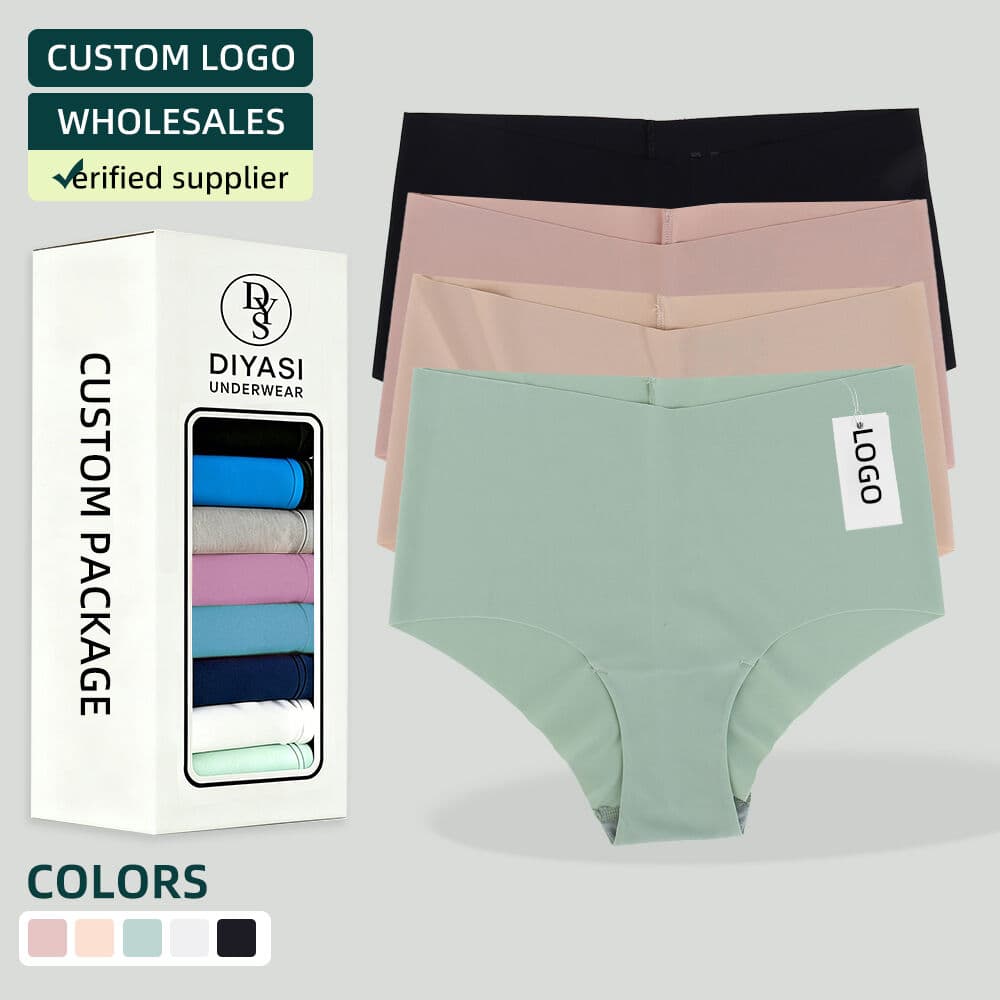
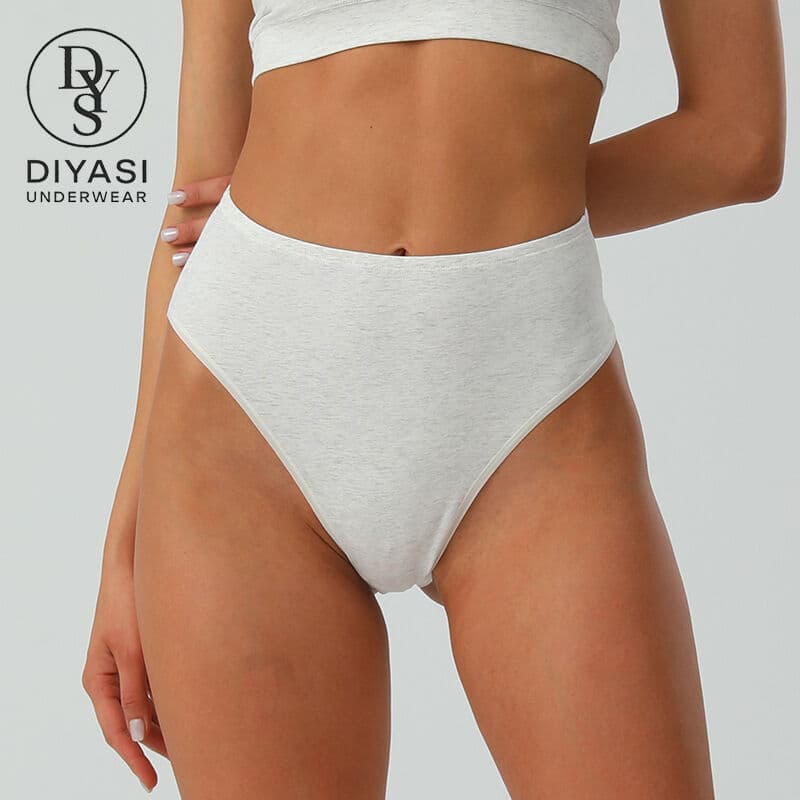
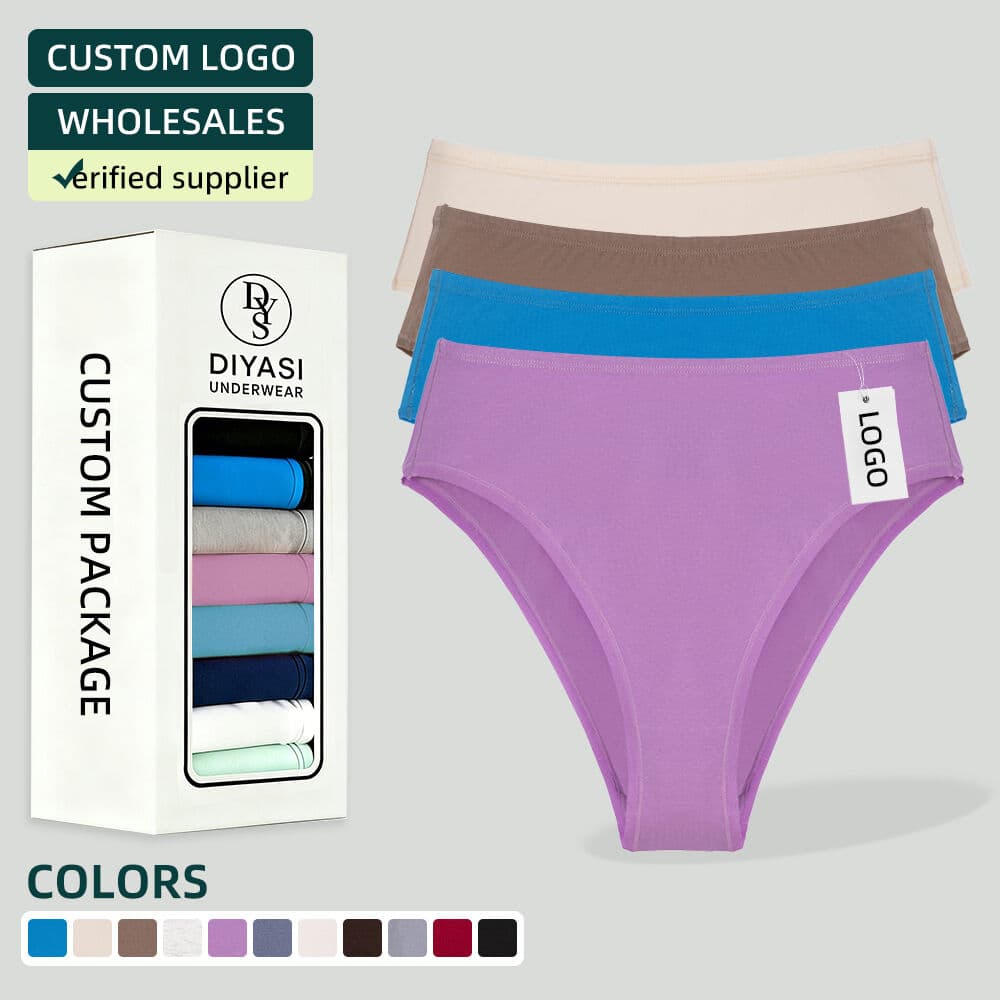
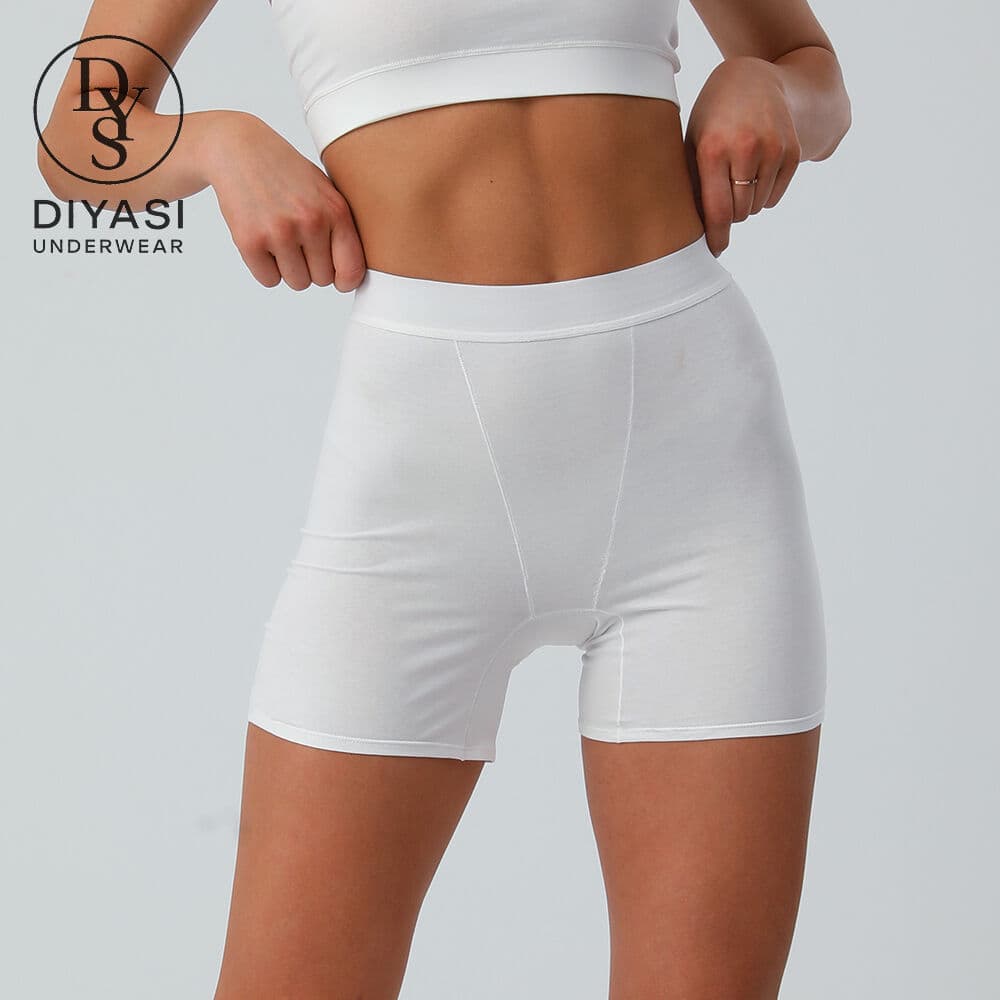
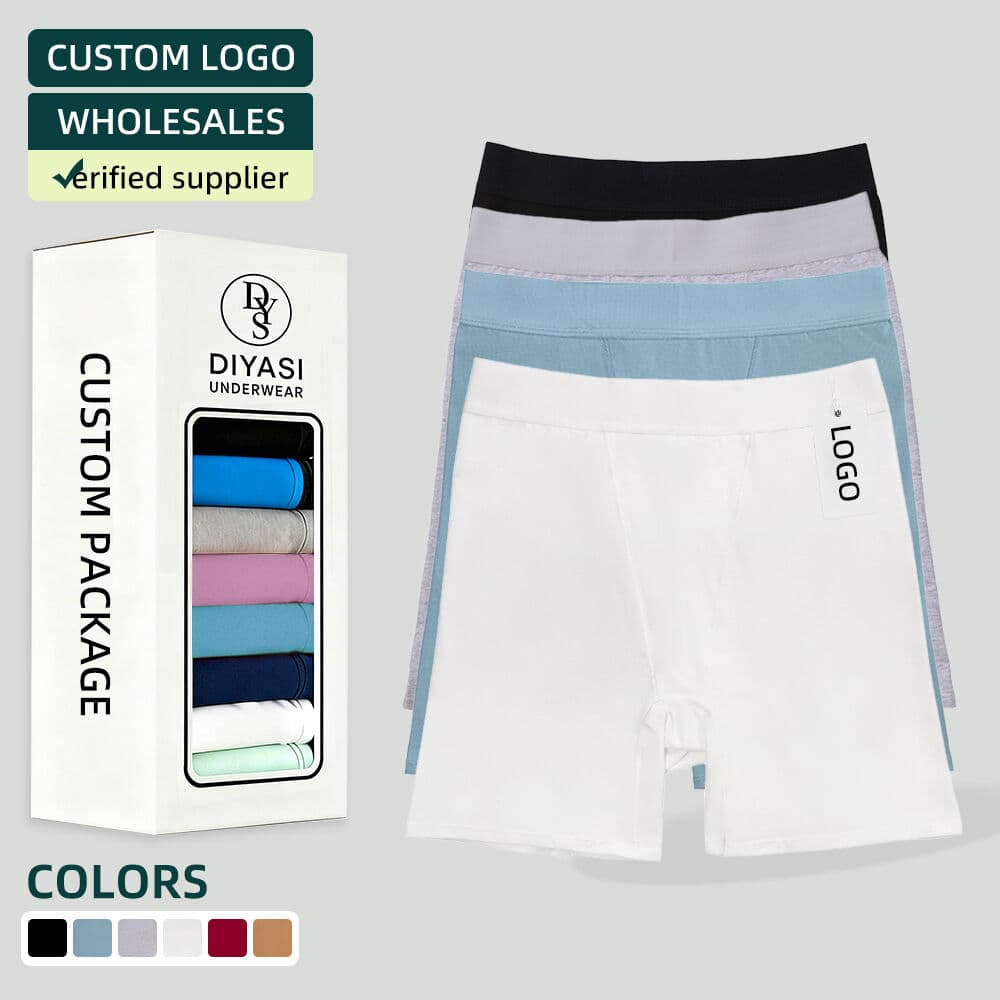
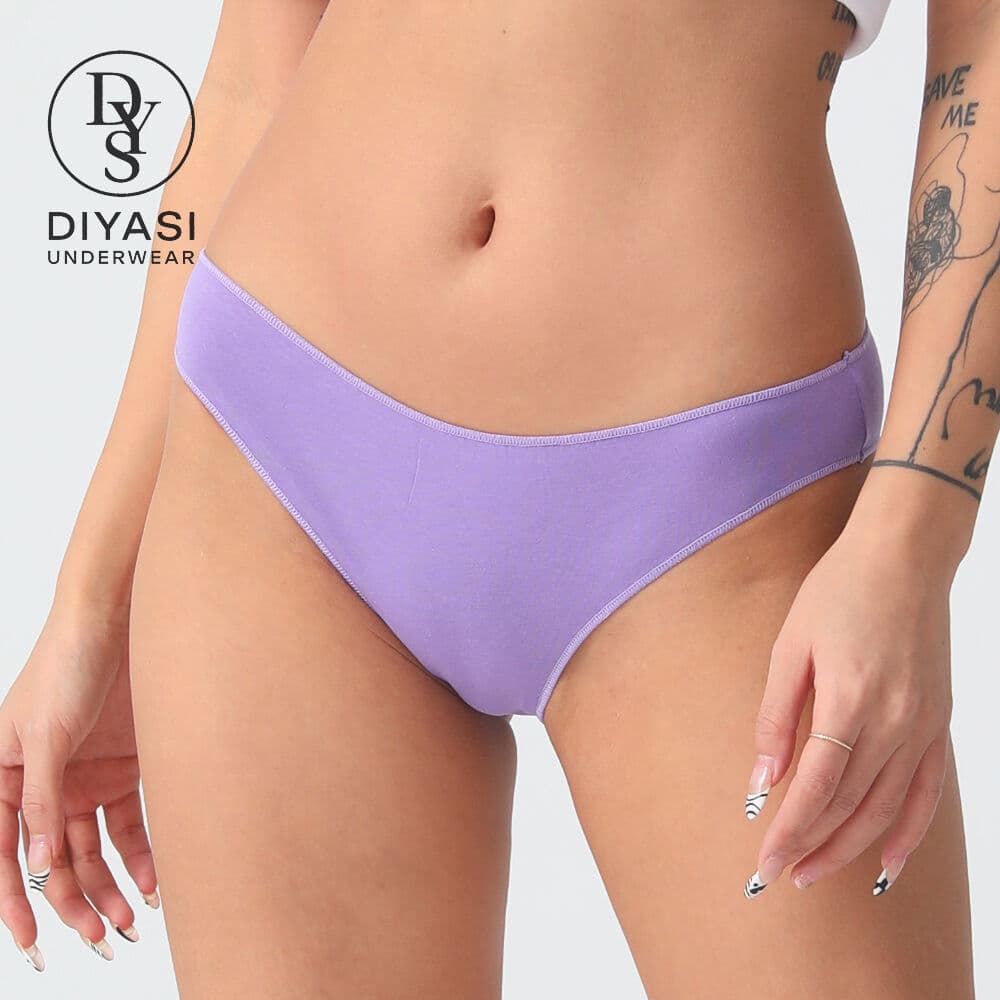
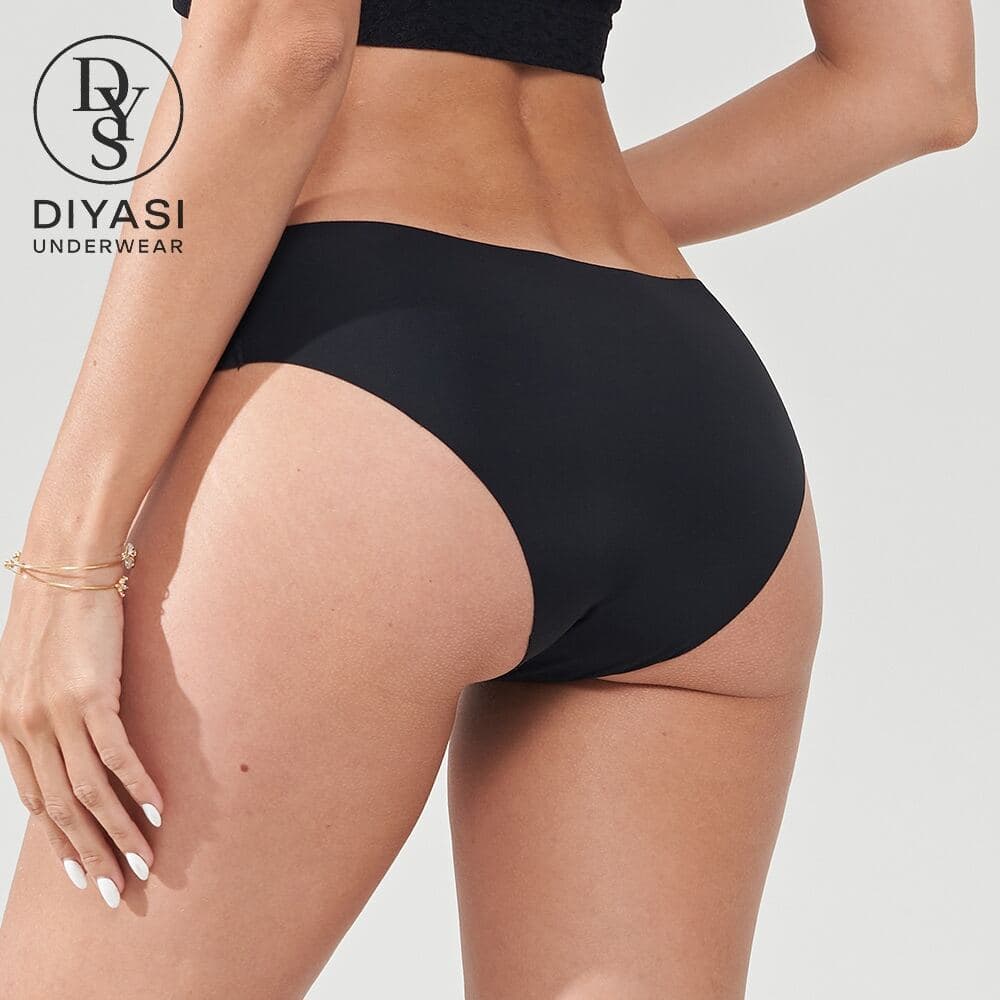
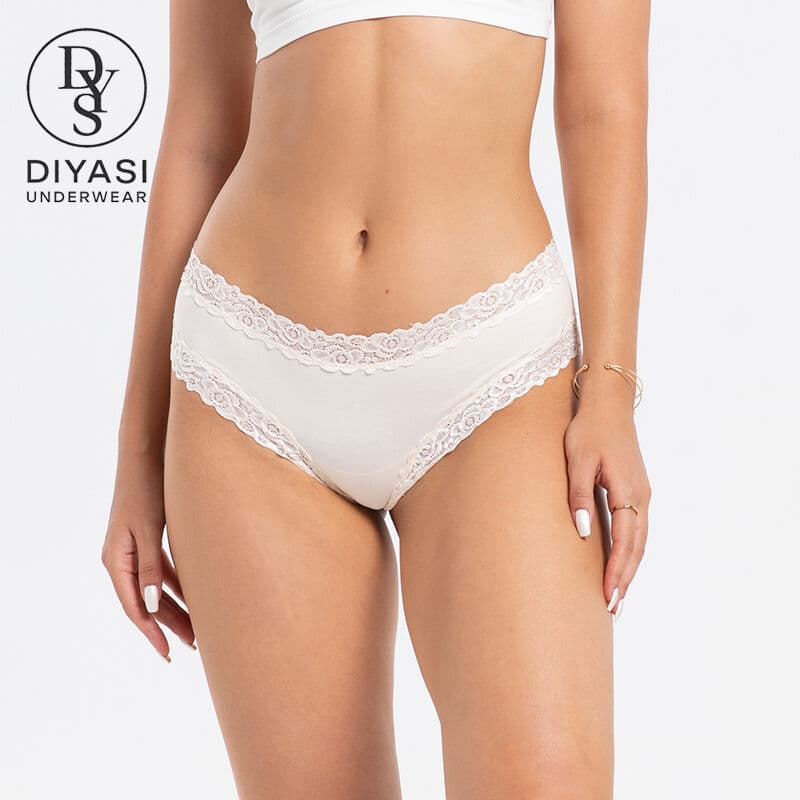
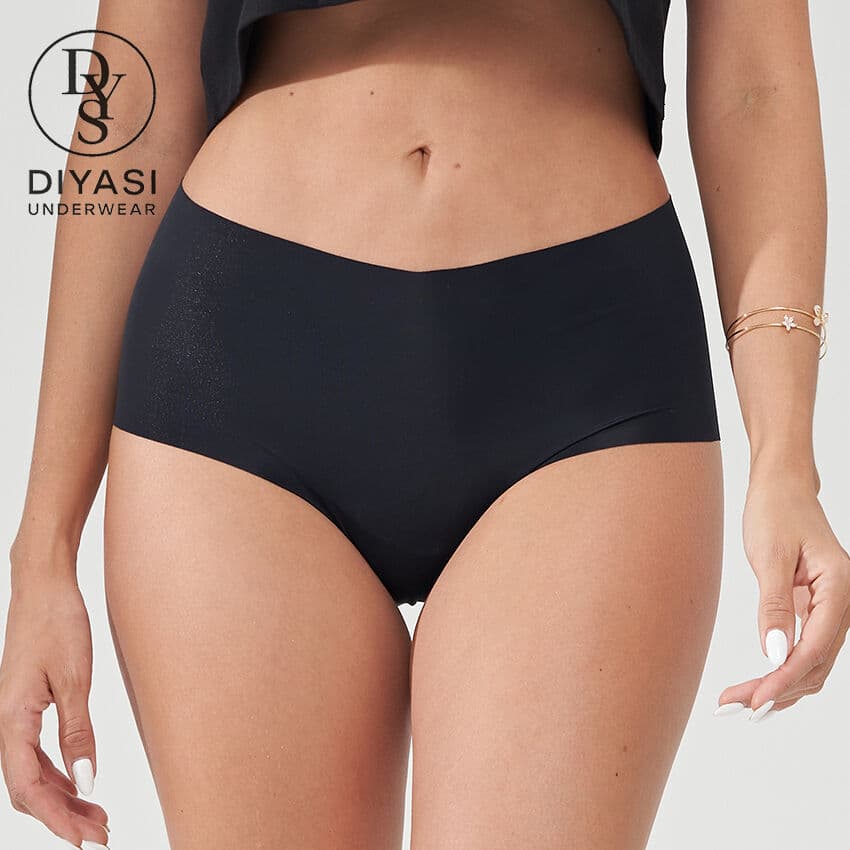
A high-waist brief may look smooth on a flat lay and still fold or slide during wear. Roll-down is an observation, not a diagnosis: waistband height, body length, fabric recovery and fit at the waist and hip can all matter. Use one named sample and a defined size when comparing changes. DIYASI's DYS314 seamless full brief, DYS219 high-leg cotton brief and DYS210 long-leg cotton brief illustrate different constructions that should not be treated as interchangeable.
Separate the symptom from its possible causes
Record where the waistband sits when first put on and where it moves after sitting, bending and walking. Note whether an edge folds locally, the whole top slides downward or the body fabric bunches below it. These outcomes can lead to different pattern or component changes. A request to 'make it tighter' alone is too vague and could create new pressure points.
Measure front rise, back rise, top opening and waistband height using the method agreed with the factory. Photograph the garment flat and on the wearer only with permission. Note the wearer's waist and hip measurements and the size selected. Compare the symptom on the same wearer and under the same trial steps after each revision.
| Observation | Evidence to capture | Question for the factory |
|---|---|---|
| Top edge folds | Location and movement step | Is edge construction suitable? |
| Entire brief slides | Starting and ending position | Is size or rise appropriate? |
| Fabric bunches | Fold location and garment length | Does body length need review? |
| Pressure at the top | Wearer feedback and edge mark | Is the opening or elastic too restrictive? |
Compare construction without assuming a universal fix
DYS314 is described as a seamless full brief with a polyamide-spandex body and cotton gusset. DYS219 and DYS210 are cotton-spandex high-waist references with different leg shapes. Those catalogue facts can guide sample selection, but they do not establish an anti-roll performance result. Ask for the actual waistband construction and finished measurements before comparing them.
A wider waistband is not automatically more stable. The knit, edge finish, body shape and wearer proportions affect the outcome together. If a buyer changes fabric or rise, test the combination rather than assuming the previous approval transfers. Keep the approved size chart and material version attached to the trial record.
Approve the full range and production reference
A size-set review should include the sizes that may reveal a change in waistband behaviour. Specify what a pass looks like for your brand, who performs the wear review and which movement steps are used. Do not claim that the product never rolls; document the conditions under which the samples were assessed.
When the revision is accepted, preserve an approved reference sample and the corresponding pattern, material and measurement sheet. Confirm any color or branding changes that could alter the waistband. Production inspection can then compare construction and dimensions with the approved reference, while fit claims remain limited to actual wearer evidence.
Common buyer questions
Does a higher rise prevent roll-down? Not by itself. The top opening, body length, material and wearer's shape also need review.
Can the factory solve the issue from a flat photograph? A photo helps locate a fold but cannot show the full movement or pressure pattern.
What should an inquiry include? Share model, size, wearer measurements, movement notes, sample version and the intended rise.
Put your research to work
Browse high-waist styles ↗Read the V-waist measurement guide ↗Review size-set approvals ↗Ask about fit development ↗Product sources
Product examples refer to the linked DIYASI source specifications. Confirm the final materials, measurements and availability for your selected sample.
DYS314 original product specification ↗DYS219 original product specification ↗DYS210 original product specification ↗A starting point for your collection.
Share your selected model numbers, intended market and sample requirements with the DIYASI team.
Discuss your collection ↗