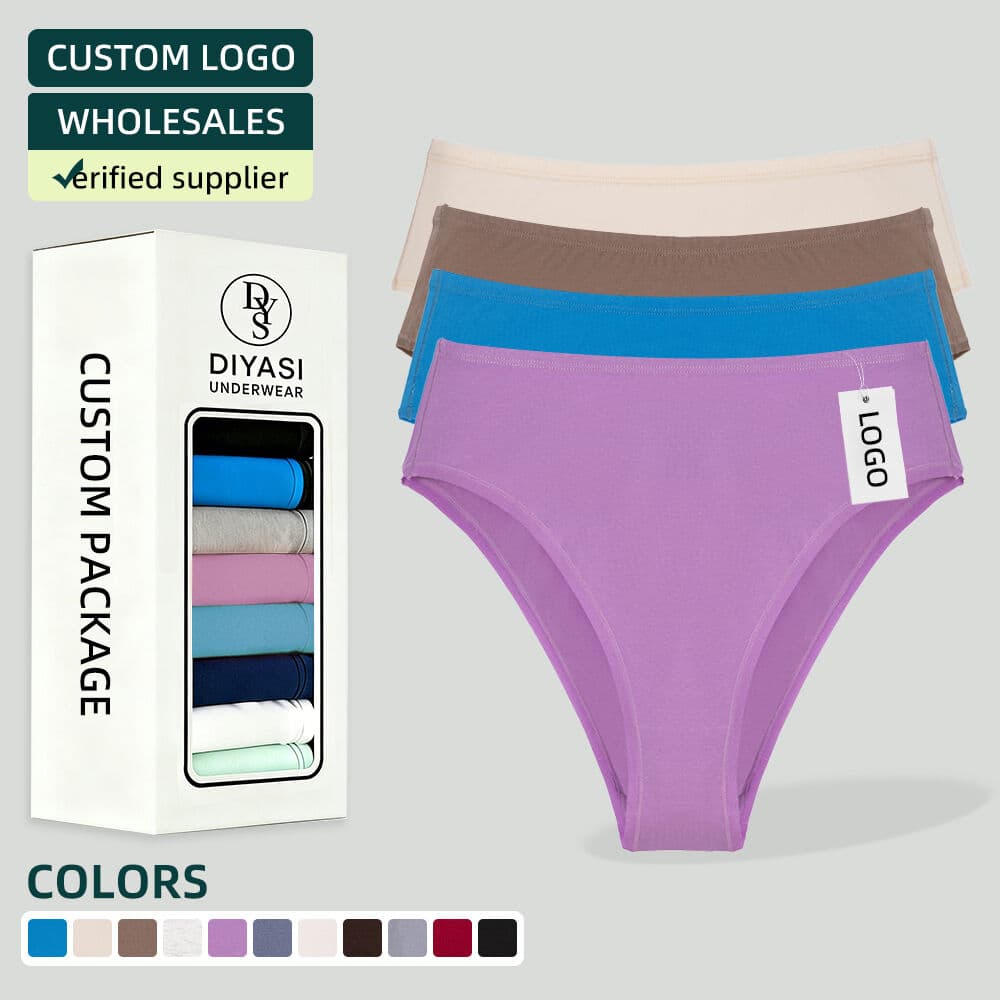
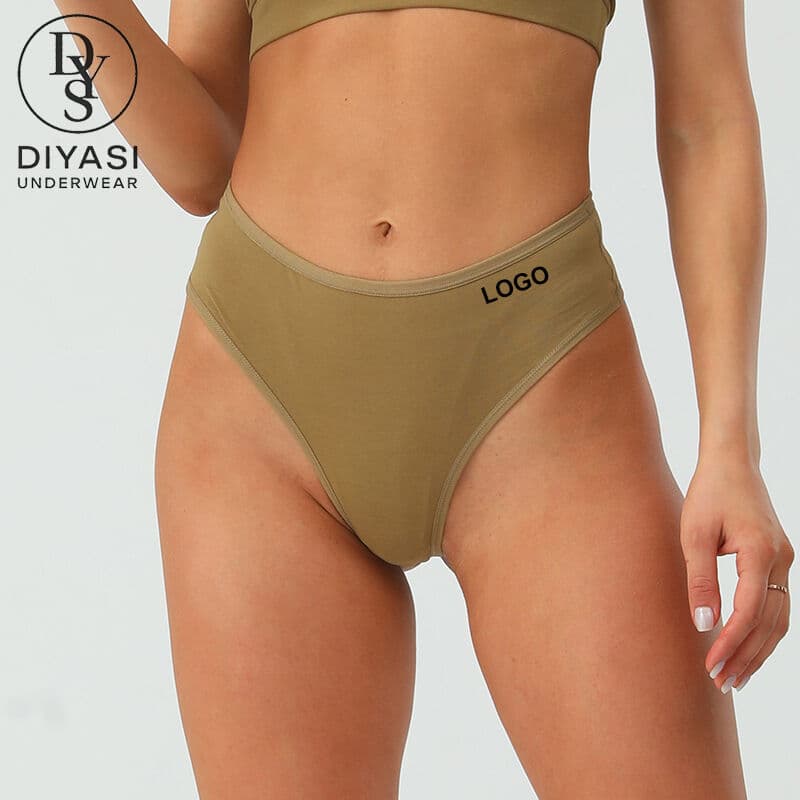
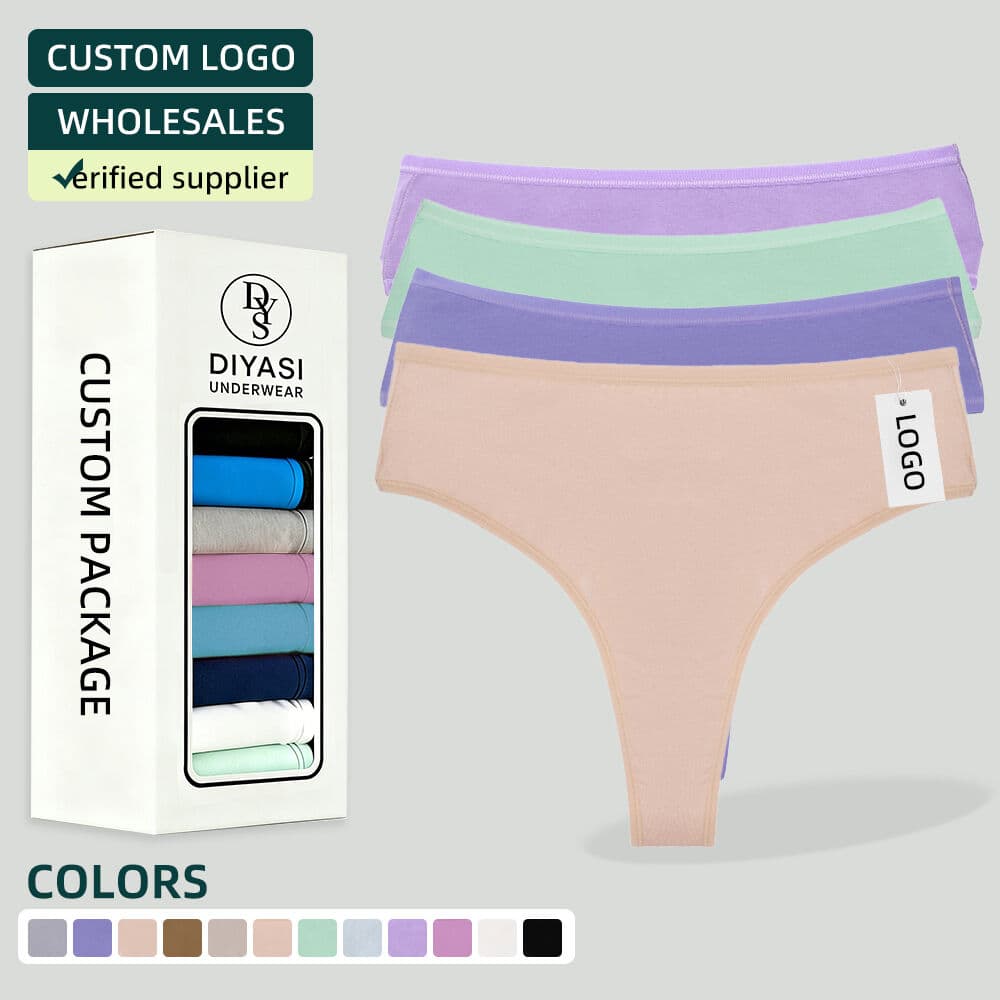
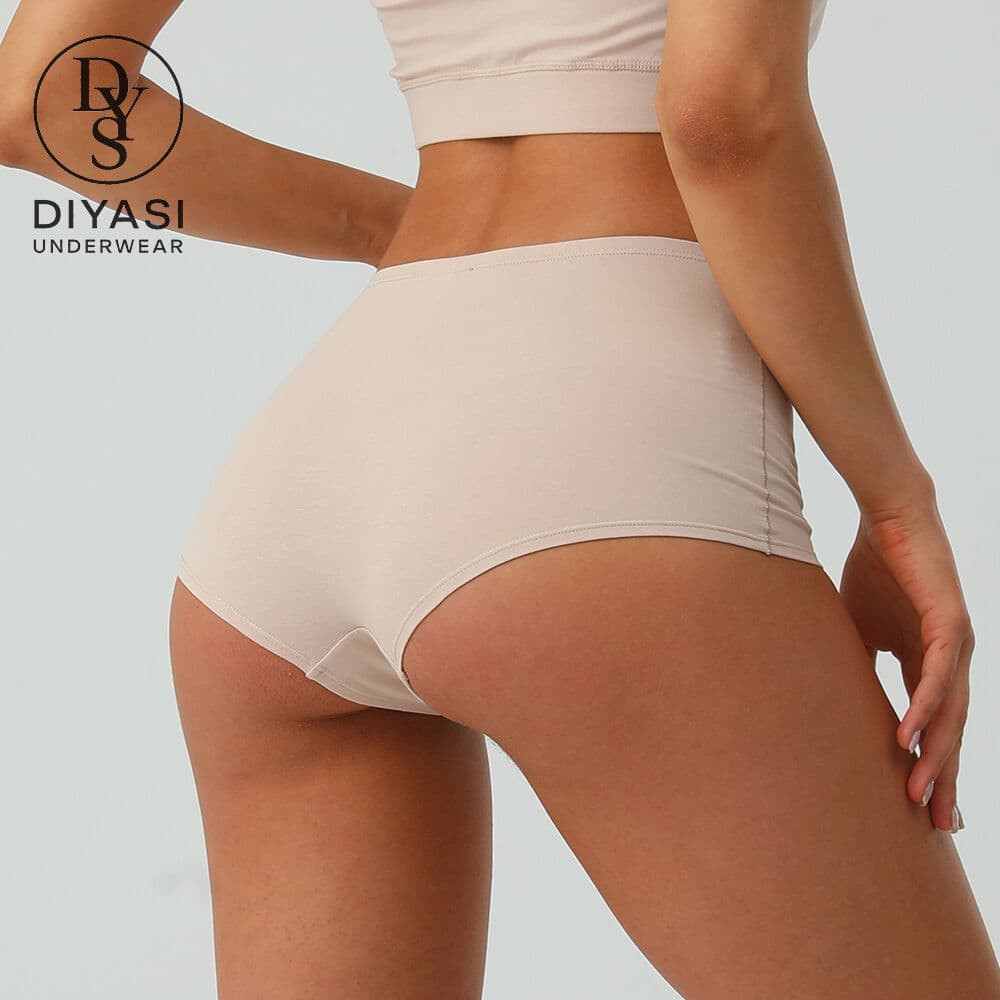
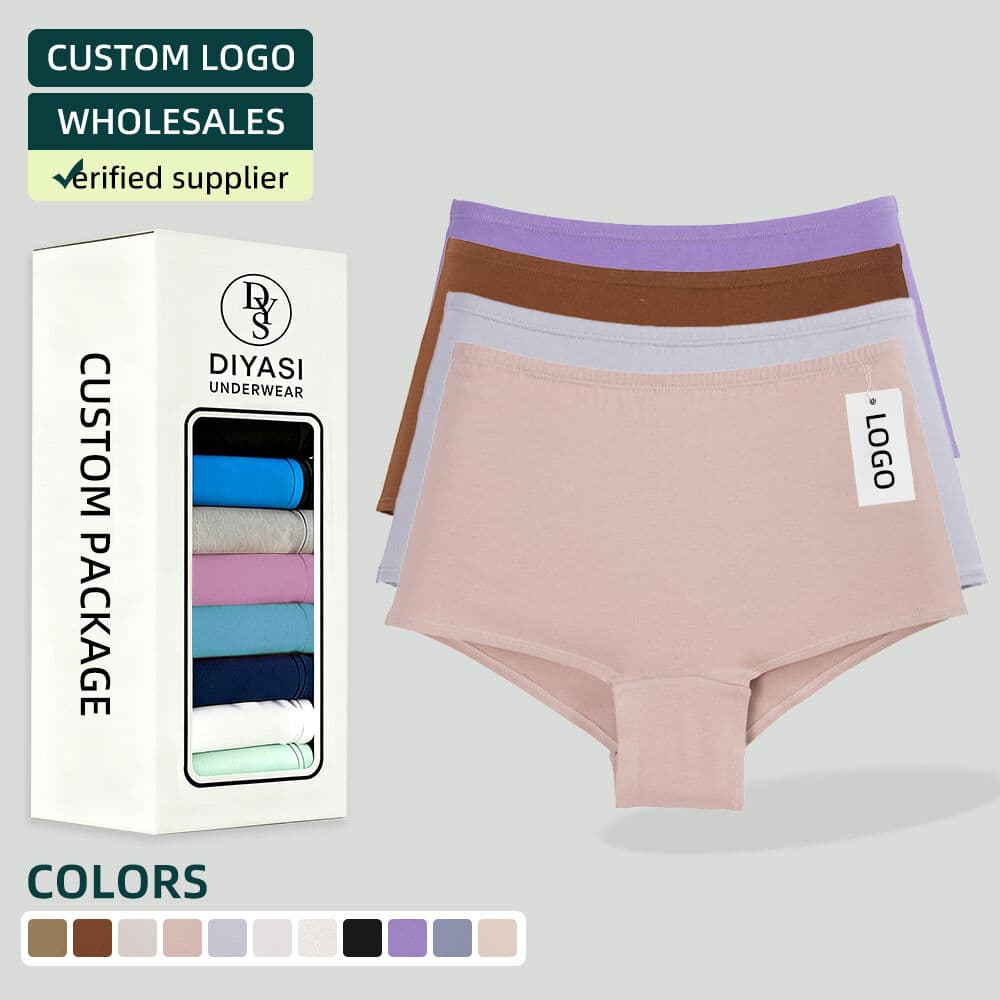
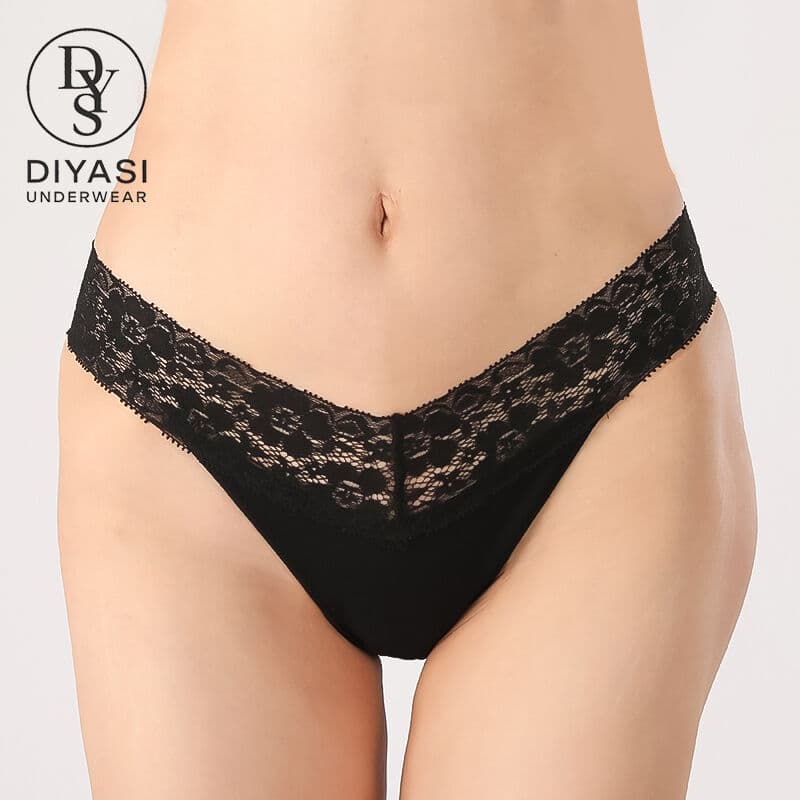
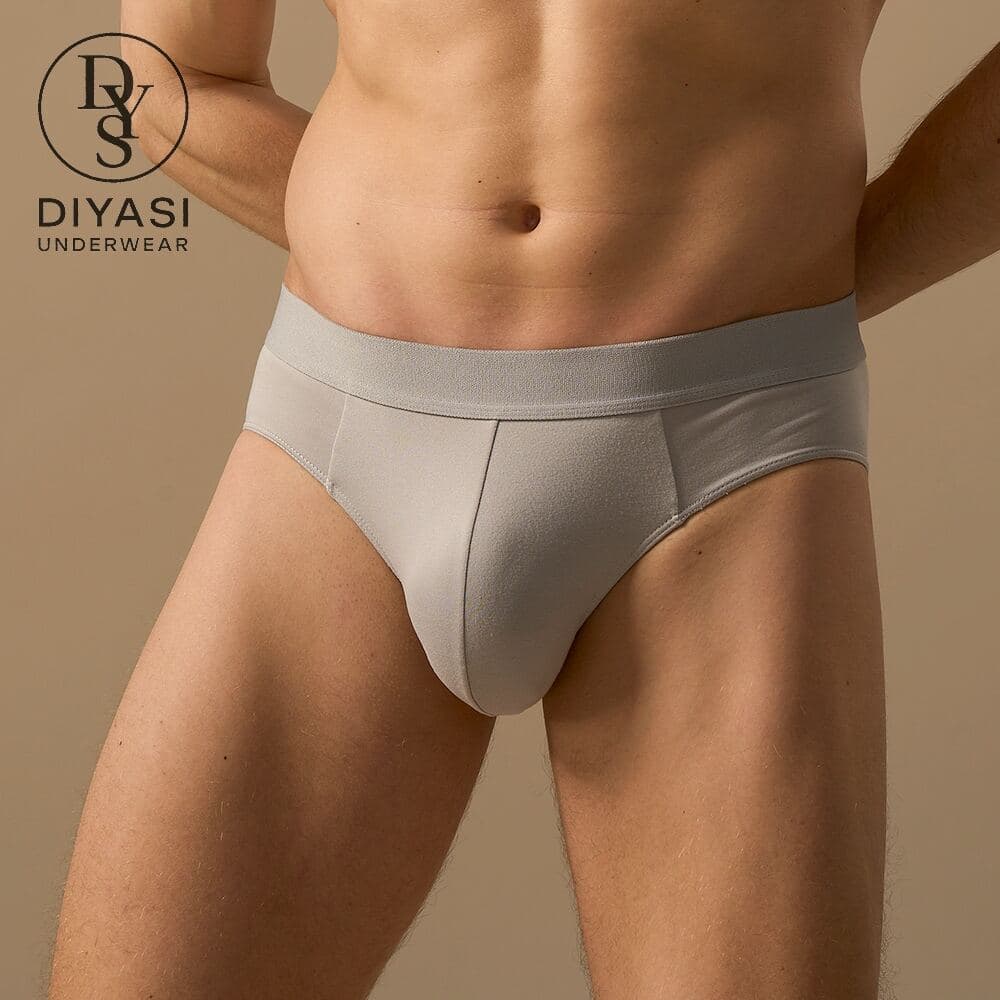
A size-set review checks whether an approved underwear design has been translated consistently across its intended sizes. Compare the finished measurements with the grading table, review the fit at selected sizes and record corrections before production. It is a different task from converting US or EU size labels. DIYASI's DYS219, DYS225 and DYS214 illustrate why the size range and grading should be approved for each silhouette rather than copied from another garment carrying the same size letter.
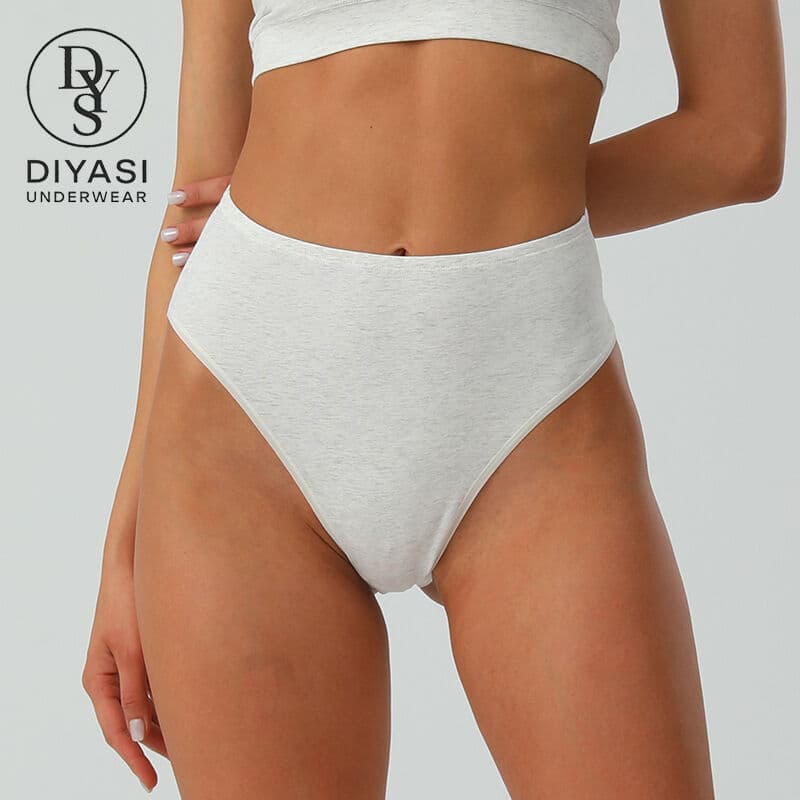
Confirm which sizes belong to each model
DYS219 is listed from XXS to 2XL, DYS225 from S to 2XL and DYS214 from S to XL. These catalogue ranges are not confirmation of current stock or a guarantee that the same labelled size has the same measurements in every model.
Agree the actual range for your order, the base size already approved and which sizes must be supplied for review. Where the range is extended beyond the existing pattern, ask what additional development and fit work is needed rather than assuming a new label creates a finished size.
| Model | Listed size range | Fit relationship to review |
|---|---|---|
| DYS219 high-leg brief | XXS, XS, S, M, L, XL, 2XL | Waist height, high-leg shape and back coverage |
| DYS225 high-waist thong | S, M, L, XL, 2XL | Front coverage, back width and gusset position |
| DYS214 boyshort | S, M, L, XL | Leg opening, side coverage and hem position |
Read the grading table by measurement point
For every point of measure, list the target for each size and the difference between adjacent sizes. Waist width, rise, side height and leg opening do not necessarily use the same increment. Ask the pattern team to explain any change in grading direction at the ends of the range.
Use the same measuring diagrams, units and relaxed or stretched conditions as the base-size approval. Keep the body-size chart beside the garment table without merging the two. A garment's flat waist width cannot be compared directly with a customer's full body circumference.
Inspect samples for measurement and fit
Identify each physical sample by style, size and version, then record actual values against targets and agreed tolerances. Check both sides where symmetry matters. Record a measurement deviation separately from a design concern: a garment may match its specification and still need a fit revision.
Review the agreed representative sizes on suitable fit references, including the range ends when required by the development plan. Observe waistband position, coverage, gusset placement and leg openings while standing and moving. Do not approve the whole range only because the middle size looks correct.
Resolve corrections before allocating production quantities
If one size fails, determine whether the issue is a sample-making error or a grading rule that also affects adjacent sizes. Document which pattern points change and which samples must be resubmitted. Rechecking only the visibly problematic garment may miss a shared grading issue.
After fit and measurements are approved, record the production quantity for each model, colour and size. That commercial allocation is separate from the size-set approval. Use customer demand and replenishment plans to choose the ratio instead of treating the supplier's sample assortment as a recommended sales mix.
Size-set questions
Is a size set the same as a fit sample? A base fit sample establishes the design direction in a selected size; a size set checks its translation across the agreed range. The exact development sequence should be confirmed with the supplier.
Does 2XL have a universal measurement? No. The label needs a defined body-size guide and a corresponding garment specification for the style.
Can a colour change affect an approved size set? Changes to material or finishing may affect the garment. Agree which measurements and fit checks must be repeated when the production specification changes.
Put your research to work
Prepare US and EU size-label information ↗Create illustrated measuring points ↗Compare boyshorts and longer briefs ↗Plan size allocations for later reorders ↗Product sources
Product examples refer to the linked DIYASI source specifications. Confirm the final materials, measurements and availability for your selected sample.
DYS219 original product specification ↗DYS225 original product specification ↗DYS214 original product specification ↗A starting point for your collection.
Share your selected model numbers, intended market and sample requirements with the DIYASI team.
Discuss your collection ↗