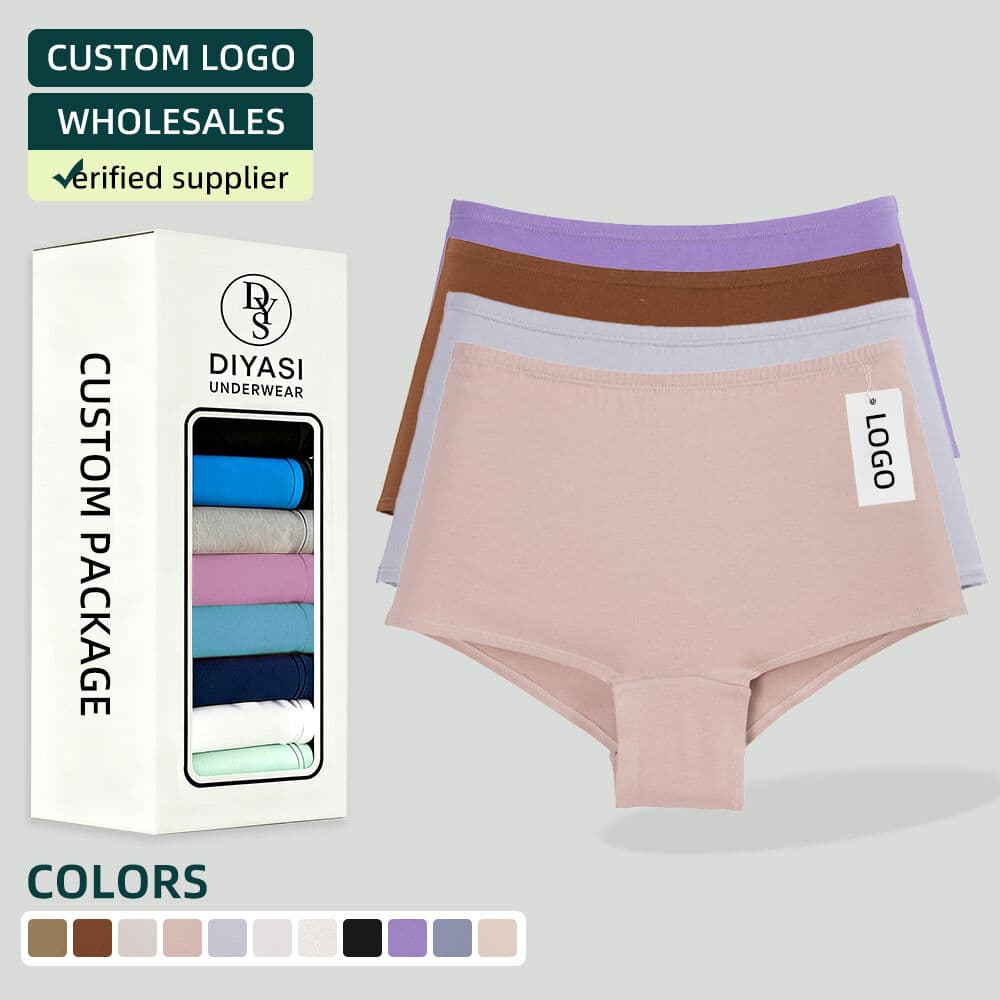
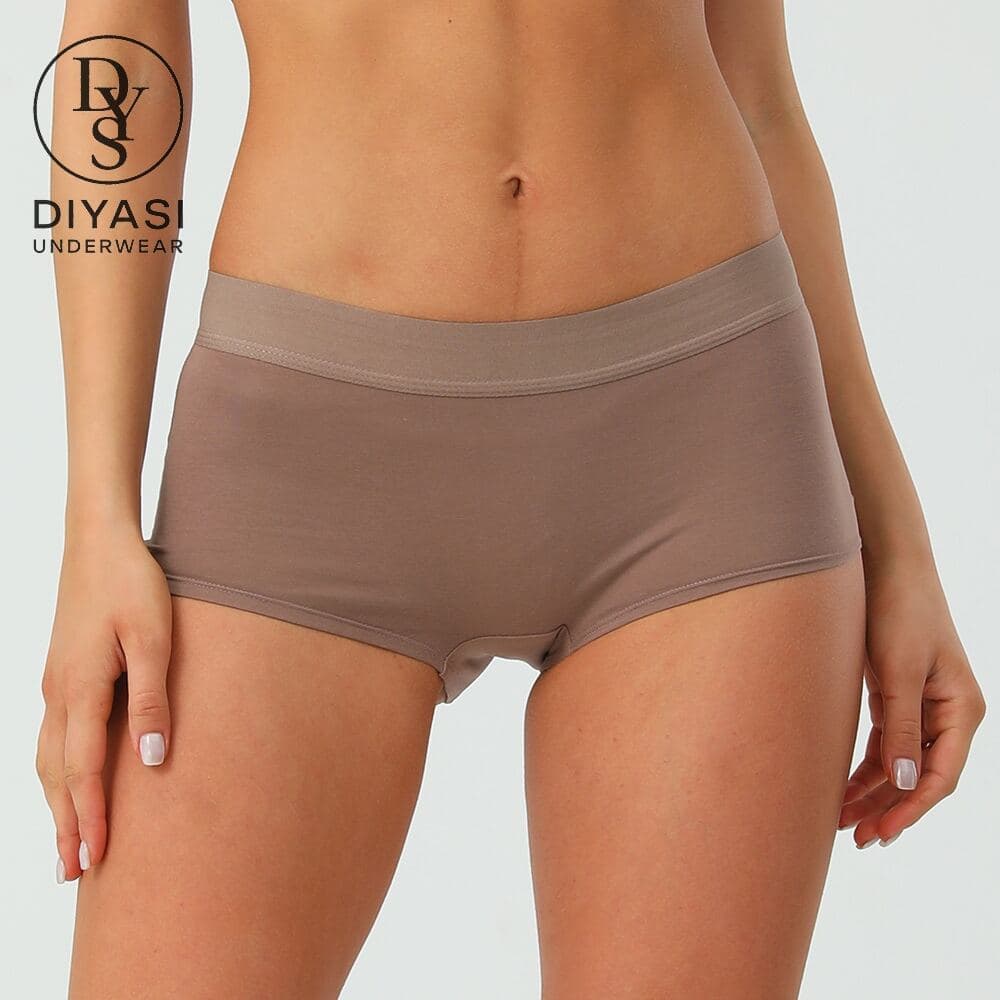
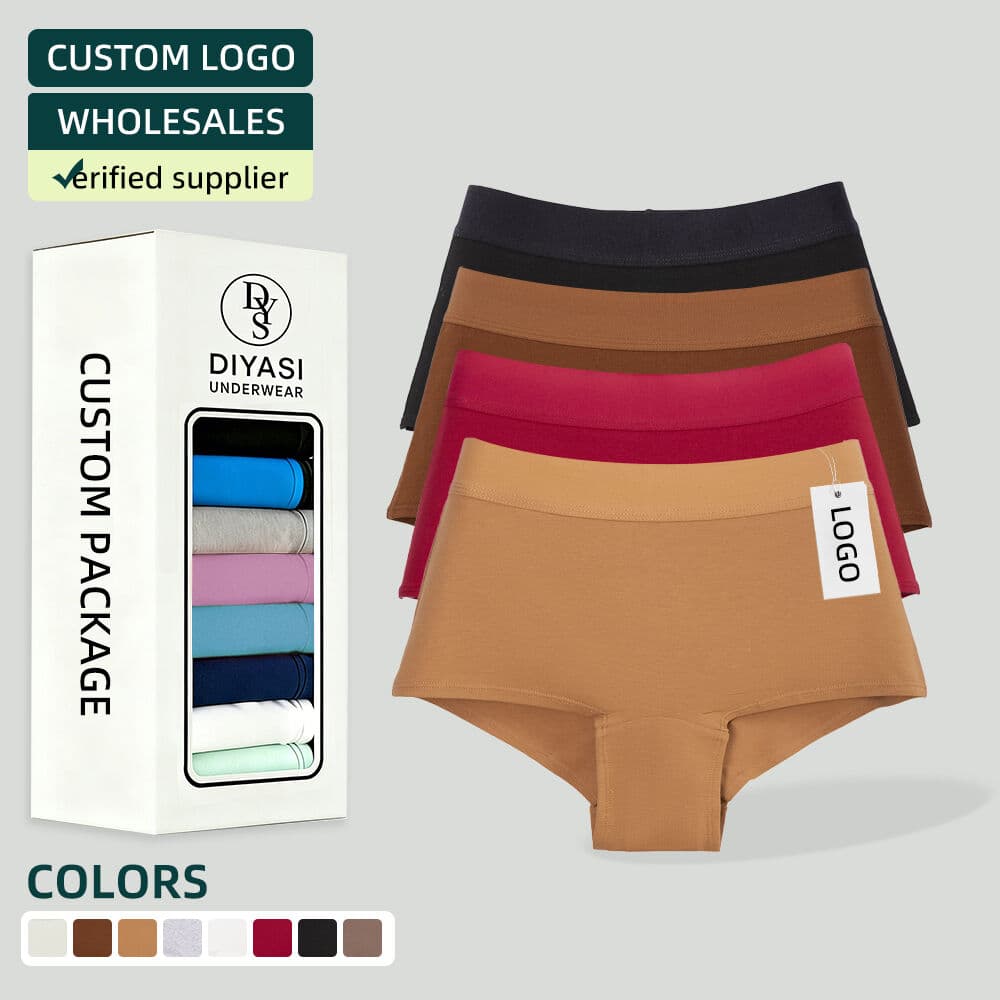
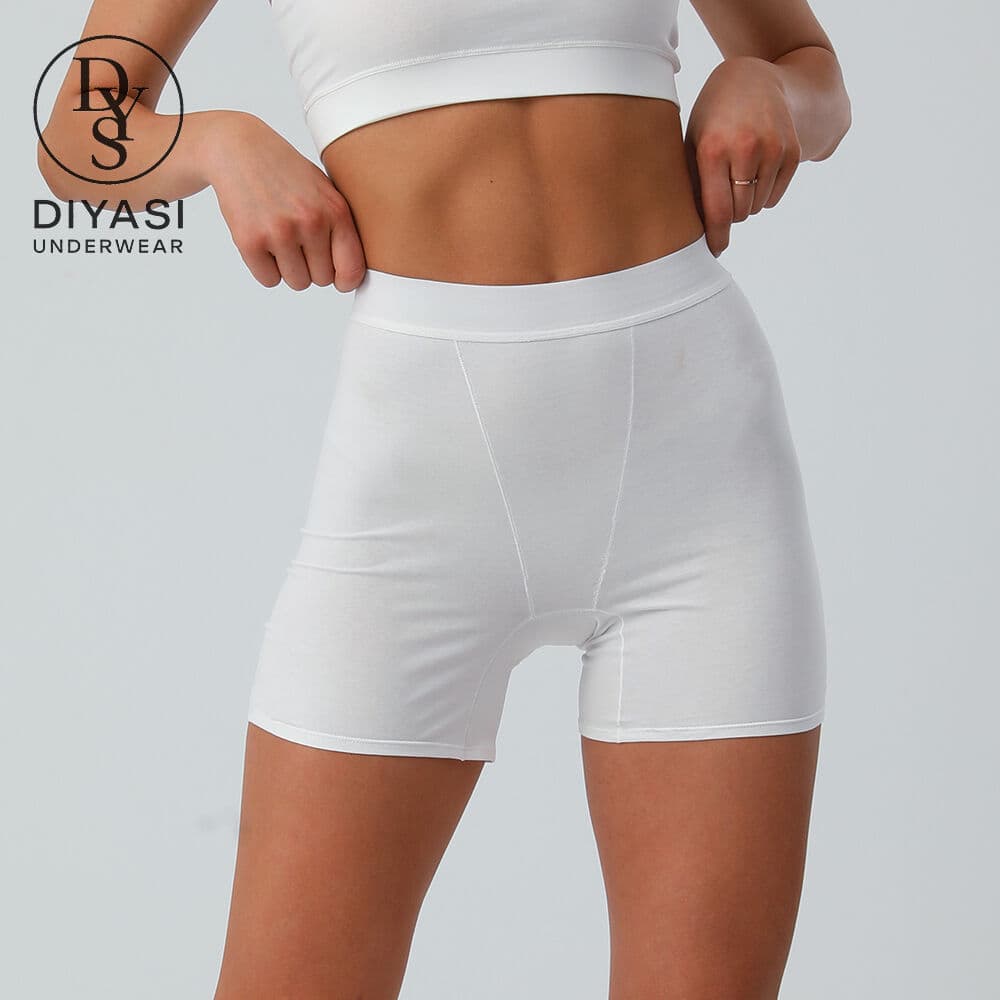
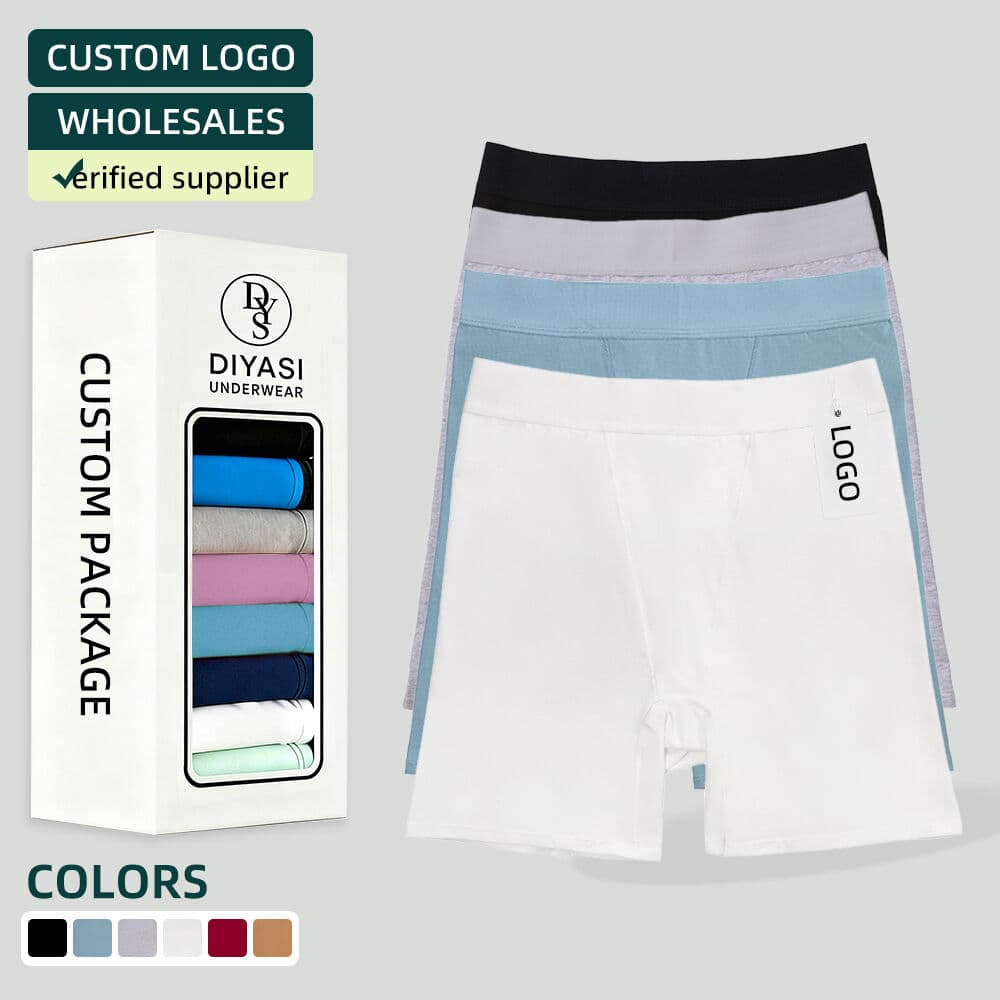
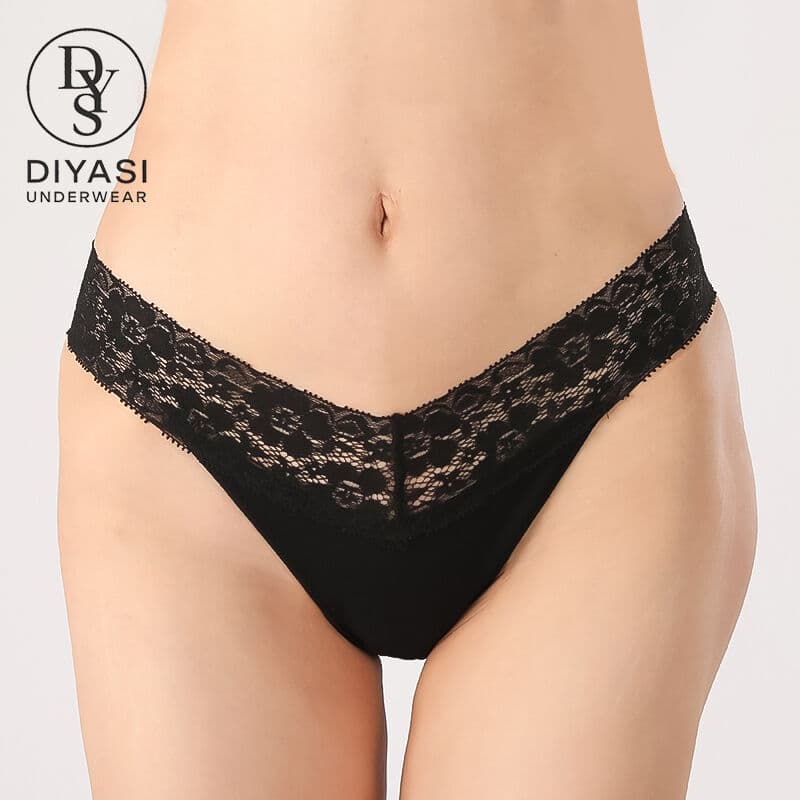
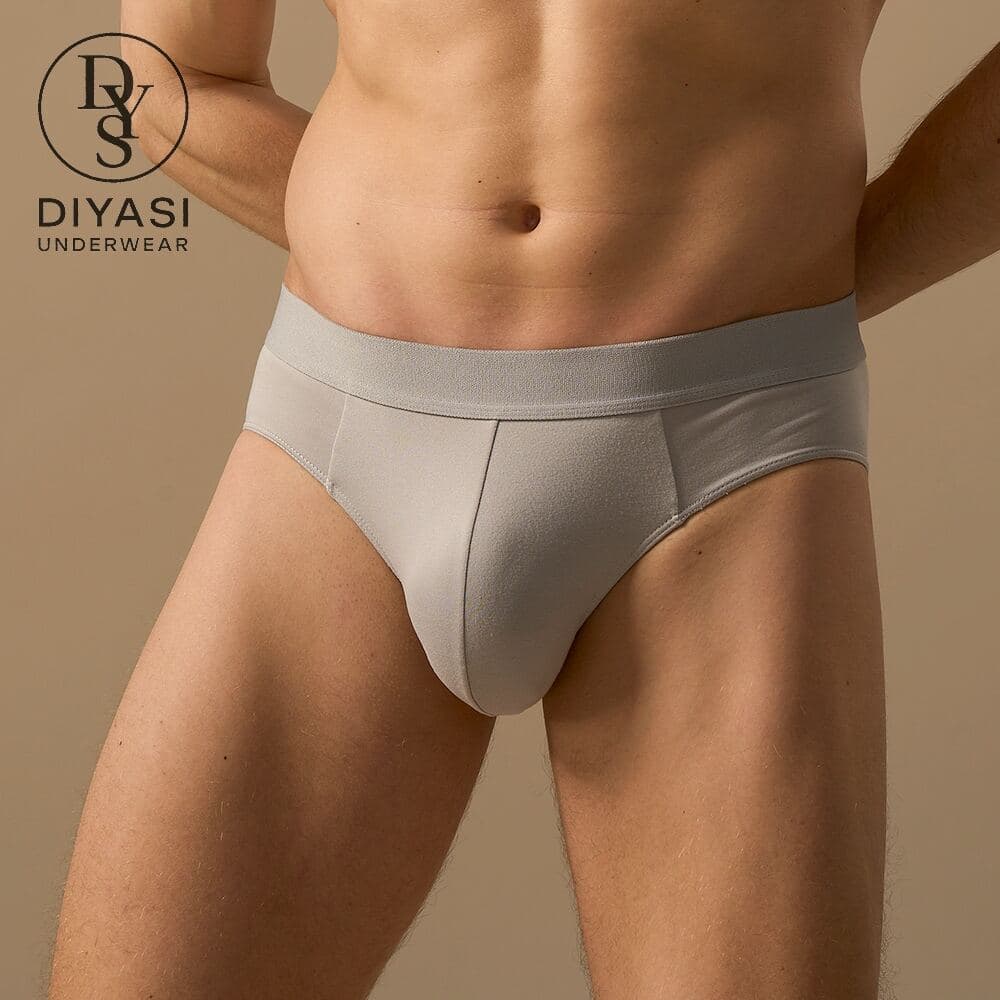
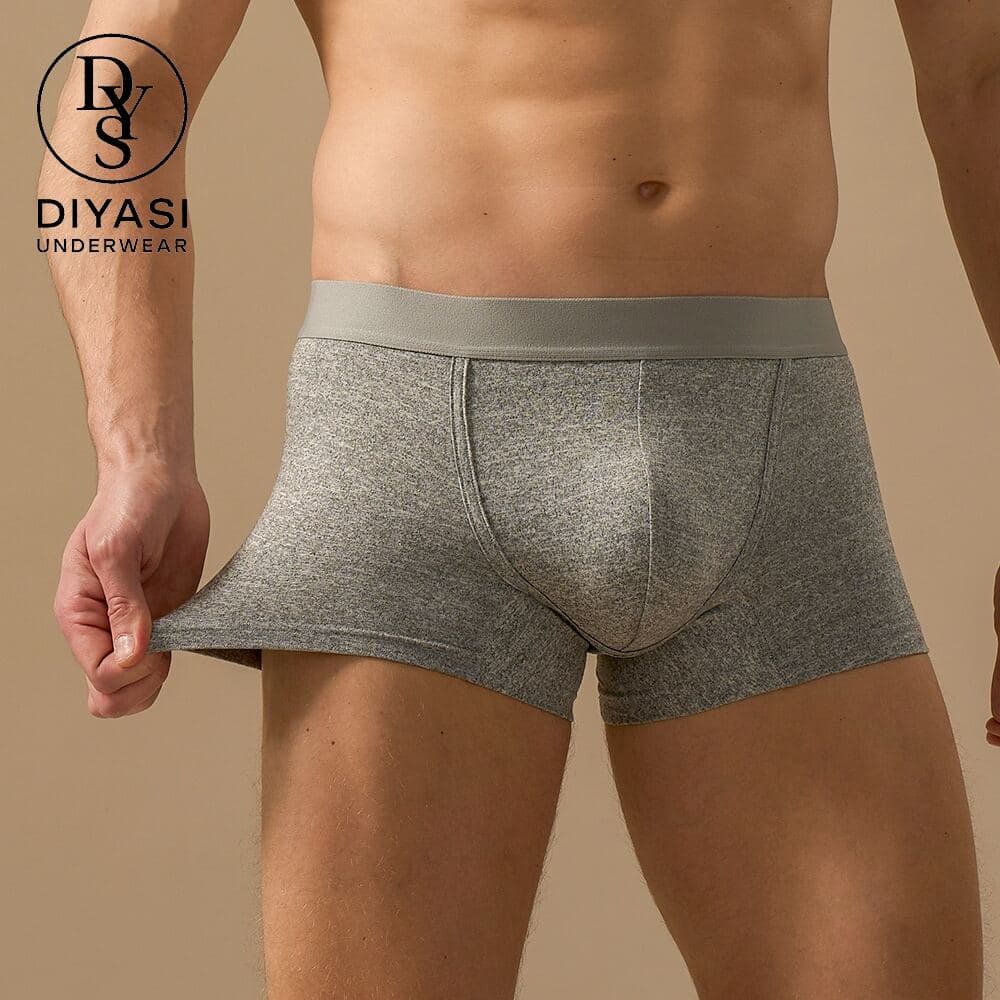
Women's boyshorts, boxers and long-leg briefs should be compared by their finished shape, not the name alone. For a private-label collection, decide how much upper-leg and rear coverage the customer wants, where the waistband should sit and how the leg opening should fit. DIYASI's DYS214, DYS215 and DYS210 offer three cotton-spandex starting points. A longer leg does not by itself establish anti-chafing performance, and a high waist does not make a garment shapewear.
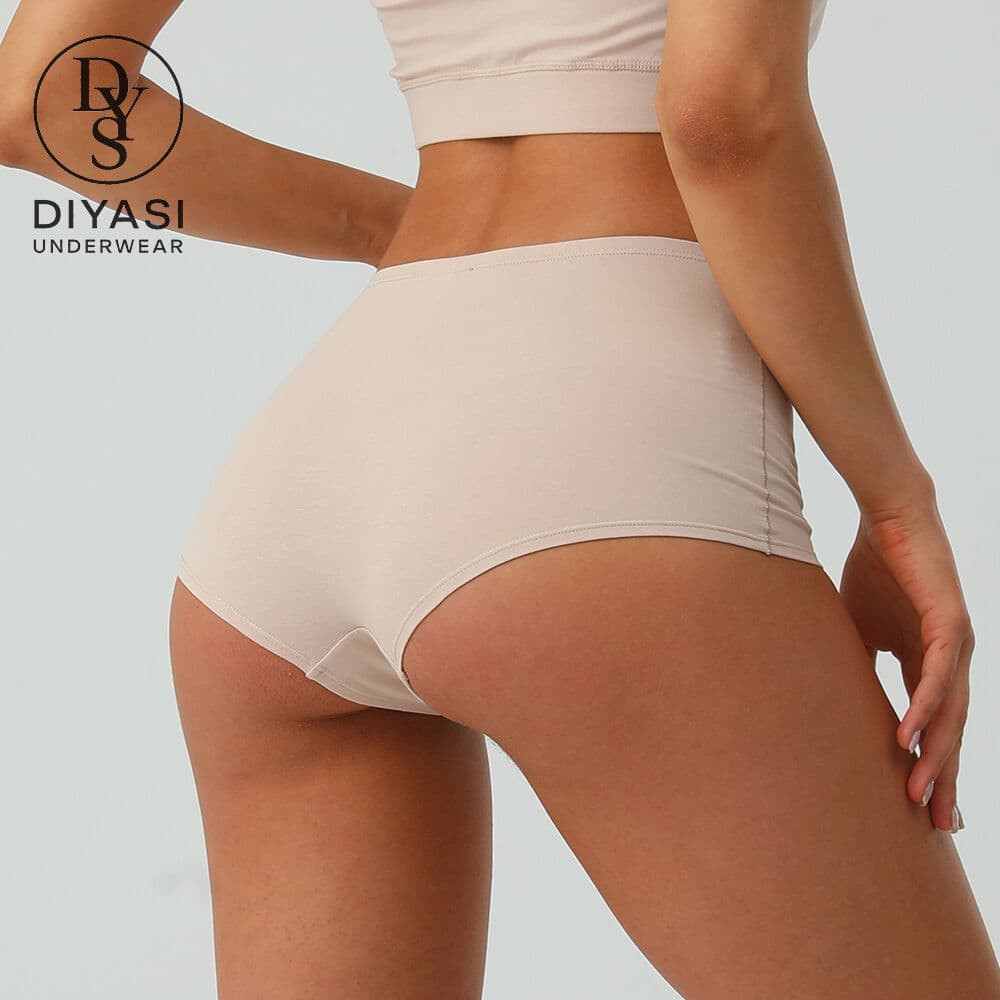
Compare three cotton silhouettes
All three catalogue examples list 95% combed cotton and 5% spandex, with sizes S to XL. Keeping the listed blend similar makes the shape differences easier to discuss, although fabric weight, finishing and pattern measurements still need confirmation. A shared composition does not mean that the garments fit identically.
Use the exact model number when requesting front, back and side references. The word boxer can describe different garments between suppliers; specifying DYS215 prevents an enquiry for a fitted underwear style from being interpreted as a request for loose sleep shorts.
| Model | Catalogue shape | Priority sample question |
|---|---|---|
| DYS214 | Regular-rise cotton boyshort | Does the back coverage stay in the intended position? |
| DYS215 | Regular-rise women's boxer with wide waistband | How do waistband tension and side coverage feel together? |
| DYS210 | High-waist cotton brief with extended leg | Where does the leg hem sit when standing and sitting? |
Measure leg coverage instead of estimating from photos
Ask for front rise, back rise, side length, inseam where applicable, and relaxed leg-opening measurements. Mark the measurement endpoints on a drawing. A longer side can result from a higher waist, a longer leg, or both; side length alone cannot tell the buyer which change has been made.
For a fitted leg, record the hem construction and the intended stretch condition used for measurement. Check the same points on each sample laid flat without pulling. Compare the garment with the intended body measurements rather than translating an S or M label from an unrelated brand.
Review movement and outer-clothing compatibility
During a fit review, observe the hem after sitting, walking and bending. Record whether it rolls, shifts or creates pressure, and identify the exact location in the feedback. Increasing the leg length is not automatically the correct response: the opening, fabric recovery or seam tension may need attention.
If the garment is intended for wear under trousers or skirts, review it under representative clothing. Record visible hems and waist edges separately from comfort observations. A sample review can guide development, but it is not evidence for a universal no-show or anti-chafing claim.
Choose a clear role for each style
A brand might select a boyshort as an alternative to bikini briefs, a wide-waistband boxer for a particular styling direction, and a longer brief for customers requesting additional leg coverage. These are assortment choices to validate with customers, rather than predictions of which silhouette will sell fastest.
Keep the first sample comparison focused on one size reference and an agreed fabric direction. Once the shape is selected, review the required size set and colour allocation. Include the exact model, measurement revisions and intended use in the enquiry so the factory can assess the request.
Buyer questions about boyshorts and longer briefs
Are women's boxers always loose? No. The name varies, so compare the actual pattern and finished measurements. DYS215 is a catalogue reference for a women's cotton underwear boxer with a wide waistband.
Will a longer leg stop ride-up? Not necessarily. Leg opening, fit, stretch recovery and movement all affect the result. Request a sample review for the intended wearer and use.
Can DYS210 be sold as compression underwear? Its high waist and extended leg do not establish compression. Any such claim requires a suitable design specification and supporting evidence.
Put your research to work
Explore the cotton underwear collection ↗Compare high-waisted briefs and thongs ↗Prepare an underwear size-set review ↗Review cotton underwear development basics ↗Product sources
Product examples refer to the linked DIYASI source specifications. Confirm the final materials, measurements and availability for your selected sample.
DYS214 original product specification ↗DYS215 original product specification ↗DYS210 original product specification ↗A starting point for your collection.
Share your selected model numbers, intended market and sample requirements with the DIYASI team.
Discuss your collection ↗