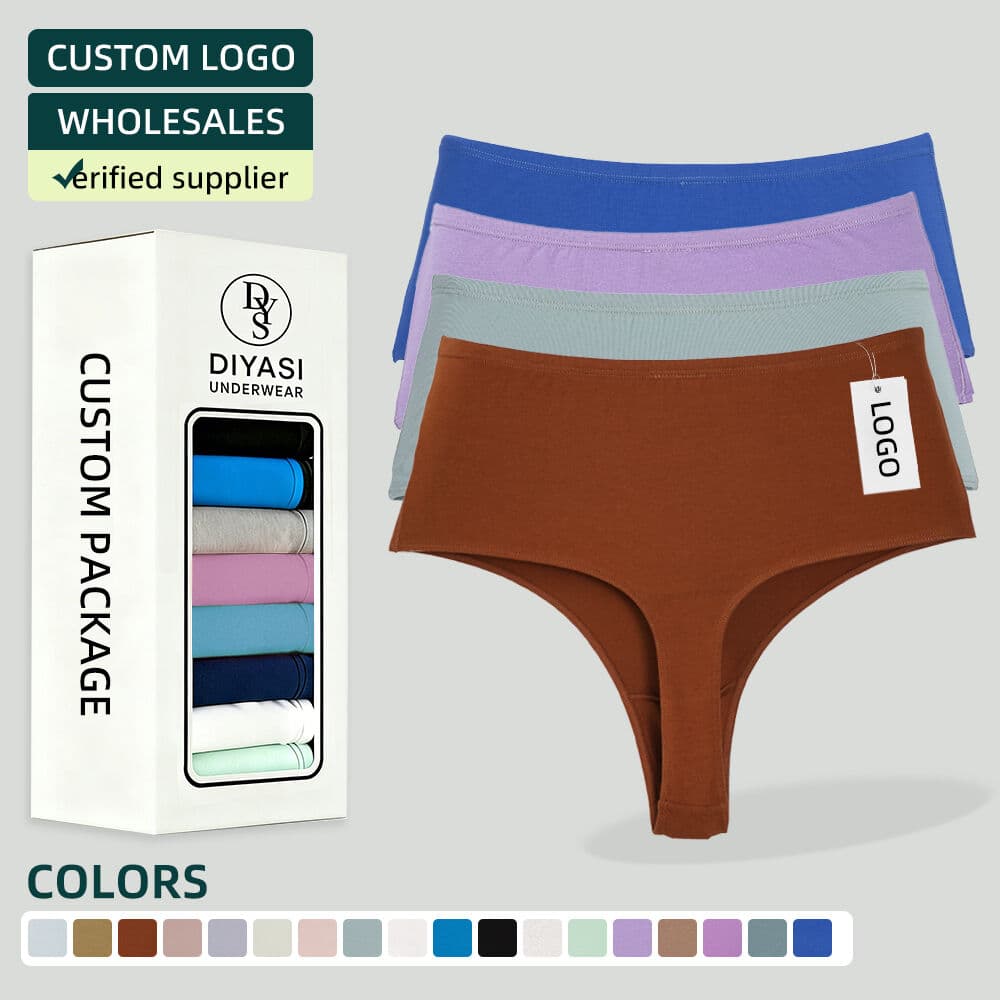
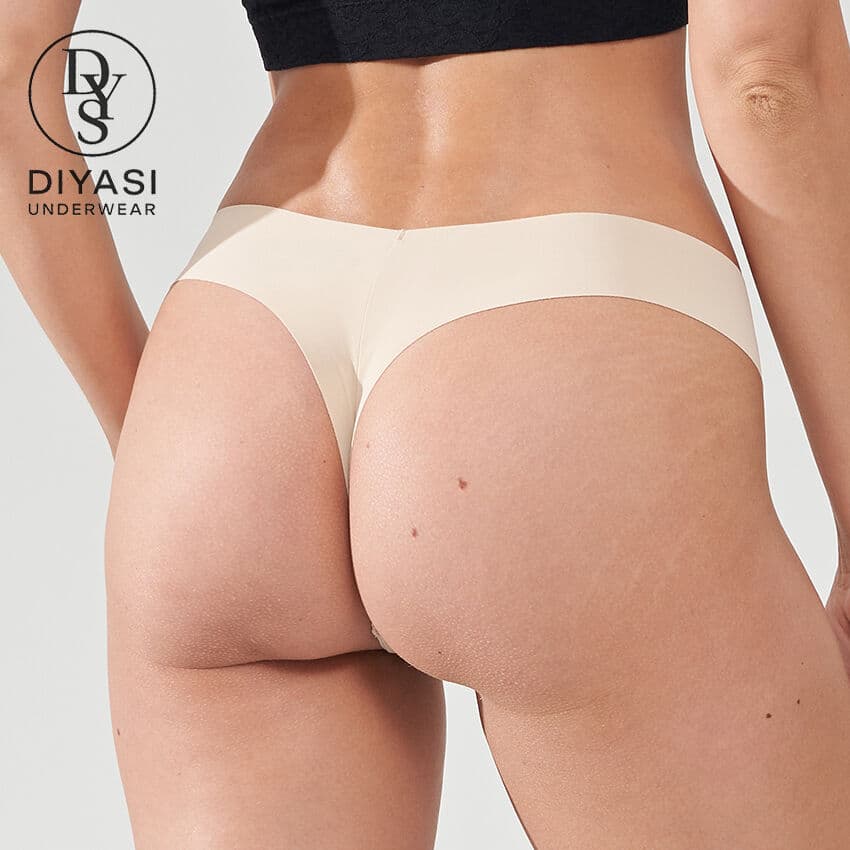
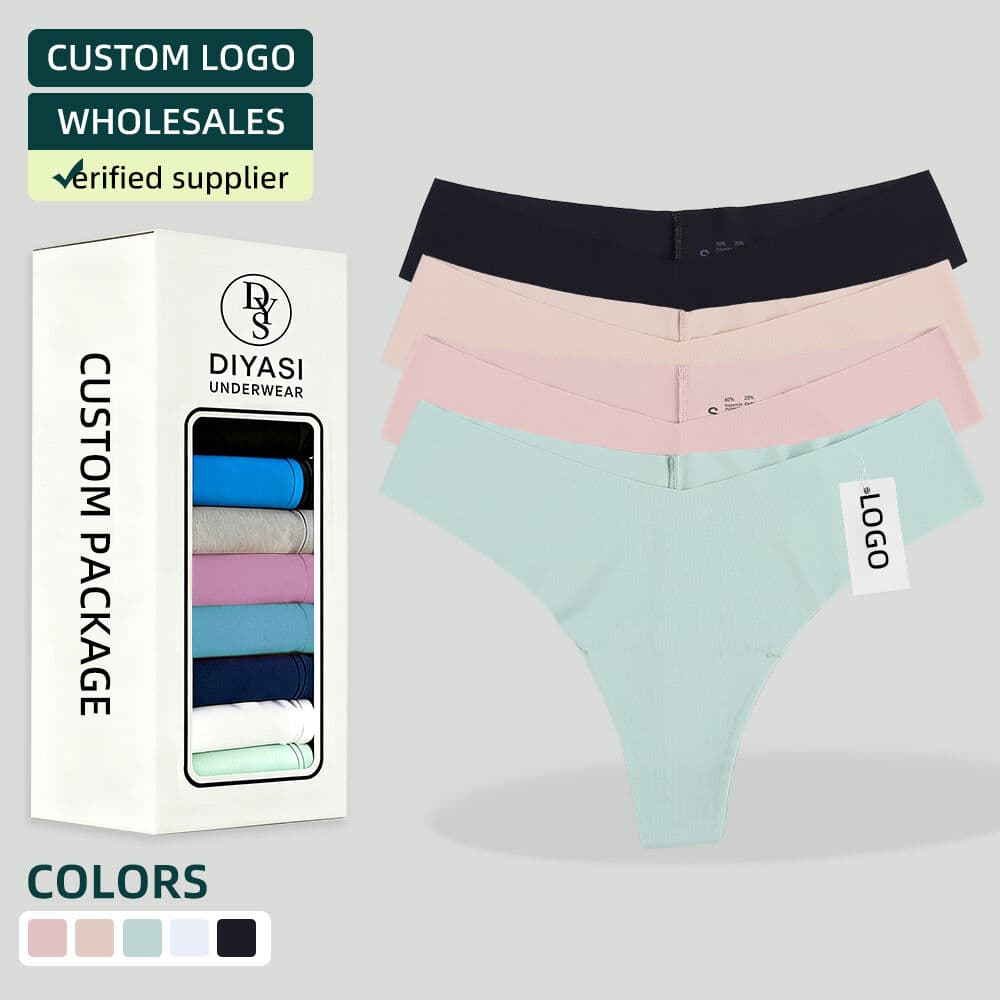
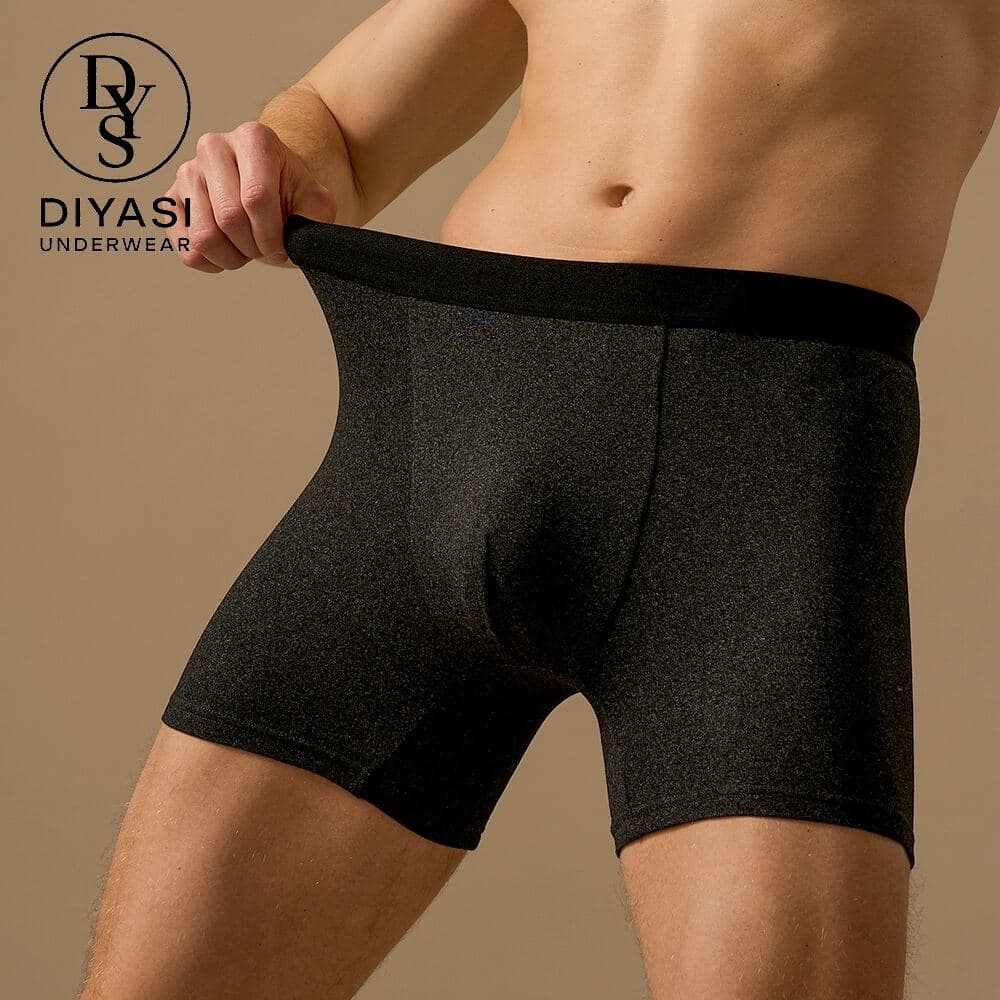
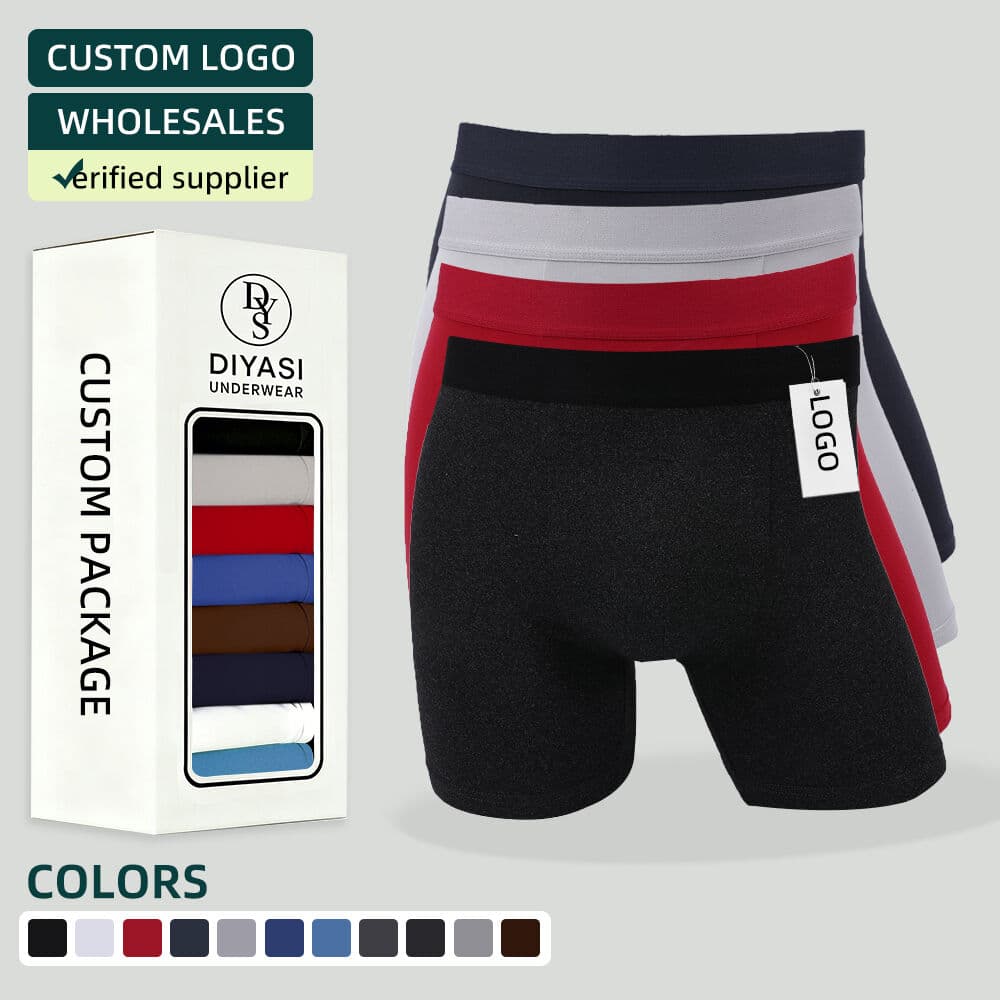
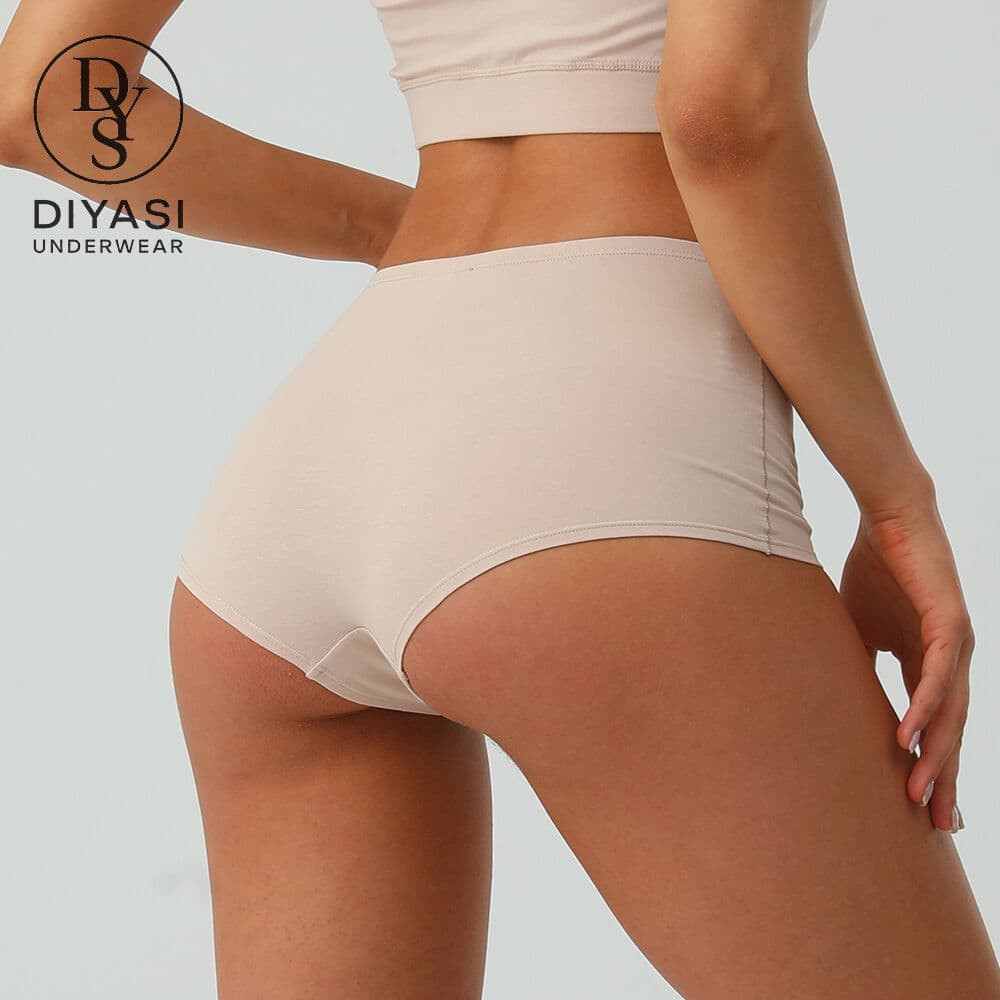
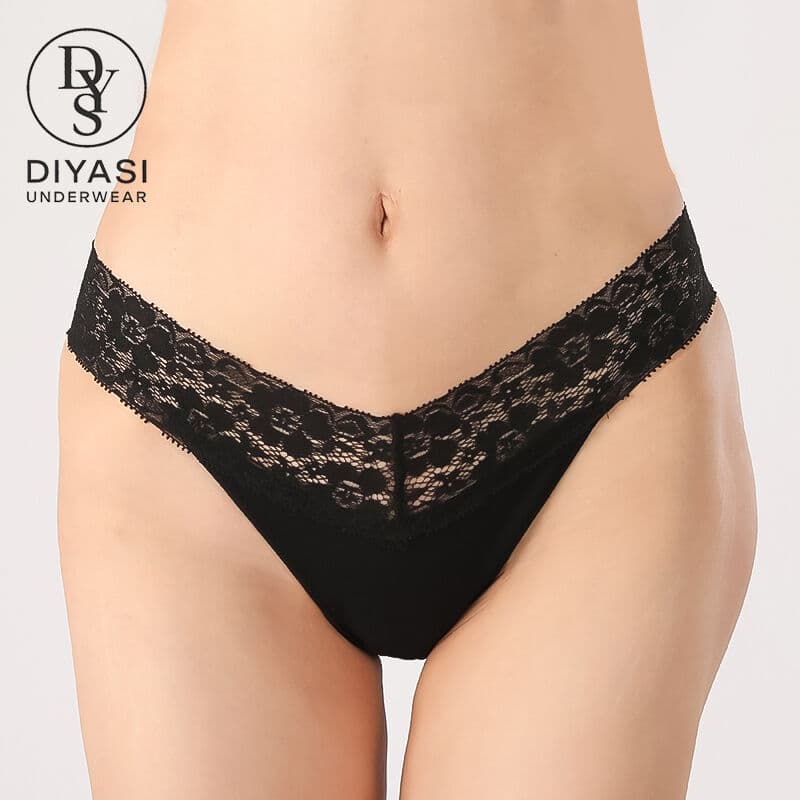
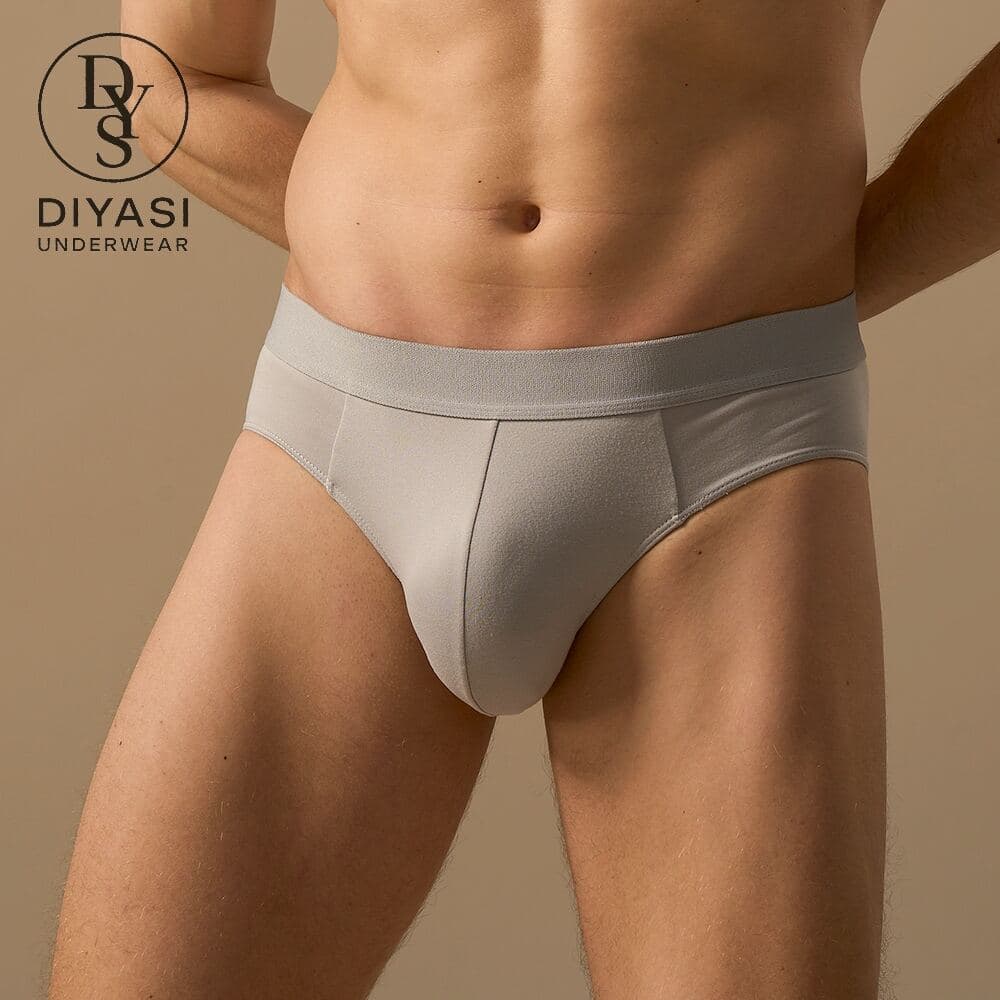
An underwear tech pack is the controlled specification used to develop and reproduce a garment. Include a style reference, front and back drawings, component materials, measuring points, target dimensions, tolerances, artwork placement and revision history. A quotation brief explains what you want to source; the technical pack records what the sample and production garment must match. Start with an identifiable DIYASI model, then show every requested change instead of assuming the catalogue photograph contains the full specification.
Give every page the same style and version reference
Put your internal style code, supplier model, version number and issue date on the document. Name the intended size range and base sample size. Keep drawings, measurement sheets, artwork and comments under the same revision so the factory does not combine a new drawing with an old size table.
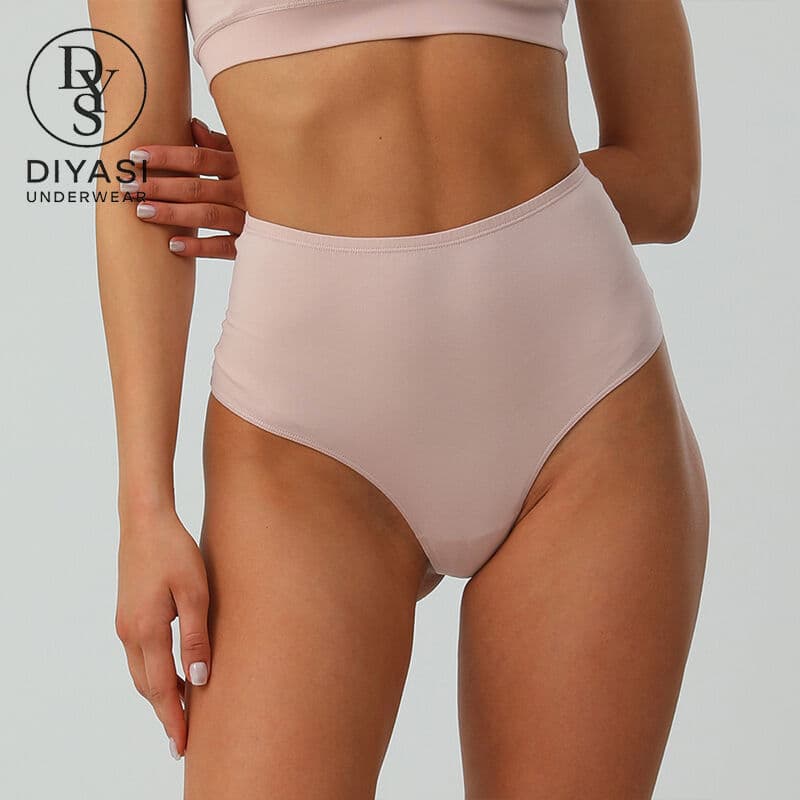
For example, DYS223 identifies a cotton brief, DYS301 a V-waist seamless thong and M005 a men's boxer with modal pouch lining. These references narrow the starting point but do not replace a specification for custom material, fit or branding.
| Tech-pack section | Required detail | Ambiguity it resolves |
|---|---|---|
| Drawings | Front, back and inside views with callouts | Which panel or seam must change |
| Materials | Component, composition, fabric reference and colour | Body fabric versus lining or trim |
| Measurements | Point code, method, units, targets and tolerance | How the finished sample is measured |
| Artwork | File version, dimensions and placement reference | Which logo and position are approved |
| Revision log | Change, owner, date and approval status | Which instructions supersede earlier comments |
Make each measurement reproducible
Assign a point-of-measure code to waist width, front rise, back rise, side height, leg opening and relevant gusset dimensions. Add inseam for styles with legs. Draw the endpoints and state whether the garment is measured flat, relaxed or under an agreed stretch method.
Keep body measurements separate from finished-garment measurements. Specify whether a number represents a half width or a full circumference, and use one unit system throughout. Agree practical tolerances with the factory for each important point instead of applying an unexplained universal allowance.
Specify components and construction together
List the body, gusset or pouch lining, waistband, thread, labels and other trims separately. DYS301's polyamide-spandex body and cotton gusset are different components; M005's modal lining does not describe its entire body fabric. Leave unknown percentages marked for confirmation rather than filling them by guesswork.
Use close-up callouts for edge finishes, joins and attachment methods that matter to the design. If a catalogue sample is the construction reference, identify it by model and sample version. A request for a softer edge should still explain where the change is needed and how it will be reviewed.
Turn sample feedback into a controlled revision
Record the measured sample value beside the target and add an annotated photograph where useful. Separate fit comments from material, workmanship and artwork issues. State the requested correction and whether it requires another sample, a measurement report or another agreed form of verification.
Issue one consolidated revision after resolving conflicting comments. Keep superseded files for traceability, but clearly identify the current version. Approval should refer to that version and the corresponding physical sample, not an isolated message saying that the garment looks good.
Tech-pack questions for first-time underwear buyers
Do I need a complete pack to make an initial enquiry? No. A model shortlist and a clear brief can start the discussion. The technical details should be resolved before the relevant development and production approvals.
Can I copy another brand's size labels? Size labels do not supply a measurement specification. Define your intended customer measurements and develop the fit with the factory.
Does a tech pack eliminate sampling? No. It makes the request measurable; samples show whether the proposed materials and construction deliver the intended result.
Put your research to work
Start with an accurate quotation brief ↗Check grading with a size-set sample ↗Document pre-production sample approval ↗Explore OEM and ODM development ↗Product sources
Product examples refer to the linked DIYASI source specifications. Confirm the final materials, measurements and availability for your selected sample.
DYS223 original product specification ↗DYS301 original product specification ↗M005 original product specification ↗M005 original product specification ↗A starting point for your collection.
Share your selected model numbers, intended market and sample requirements with the DIYASI team.
Discuss your collection ↗