A pre-production sample approval should identify the exact garment version and the requirements that have been accepted before bulk production proceeds. Review materials, measurements, construction, colour, artwork and any required test evidence against the agreed specification. Record outstanding corrections and who can release them. The checklist below helps a buyer organise that decision; it is a proposed approval process, not a report that a specific DIYASI order has already passed inspection.
Confirm what the sample represents
Ask whether the sample uses the proposed production fabric, trims, artwork and construction. If any component is a substitute, record it clearly and identify the later approval needed. A fit sample in a convenient colour can answer fit questions without settling the final colour or material approval.
Attach the buyer style code, supplier model, size, colour, tech-pack version and sample identifier to the review. Keep the approval tied to that physical garment and document set. A message referring only to the latest sample can become ambiguous after several revisions.
| Approval area | Evidence to compare | Decision to record |
|---|---|---|
| Materials and colour | Component references and approved physical standards | Accepted or awaiting a named replacement |
| Measurements and fit | Current specification, measured values and fit comments | Accepted or specific points requiring correction |
| Construction | Inside and outside sample review | Accepted or identified seam, edge or attachment changes |
| Branding and packing | Artwork versions, labels and packing instructions | Accepted or revised proof required |
| Required tests | Agreed methods, sample identity and results | Complete or outstanding before release |
Inspect the details that belong to the selected model
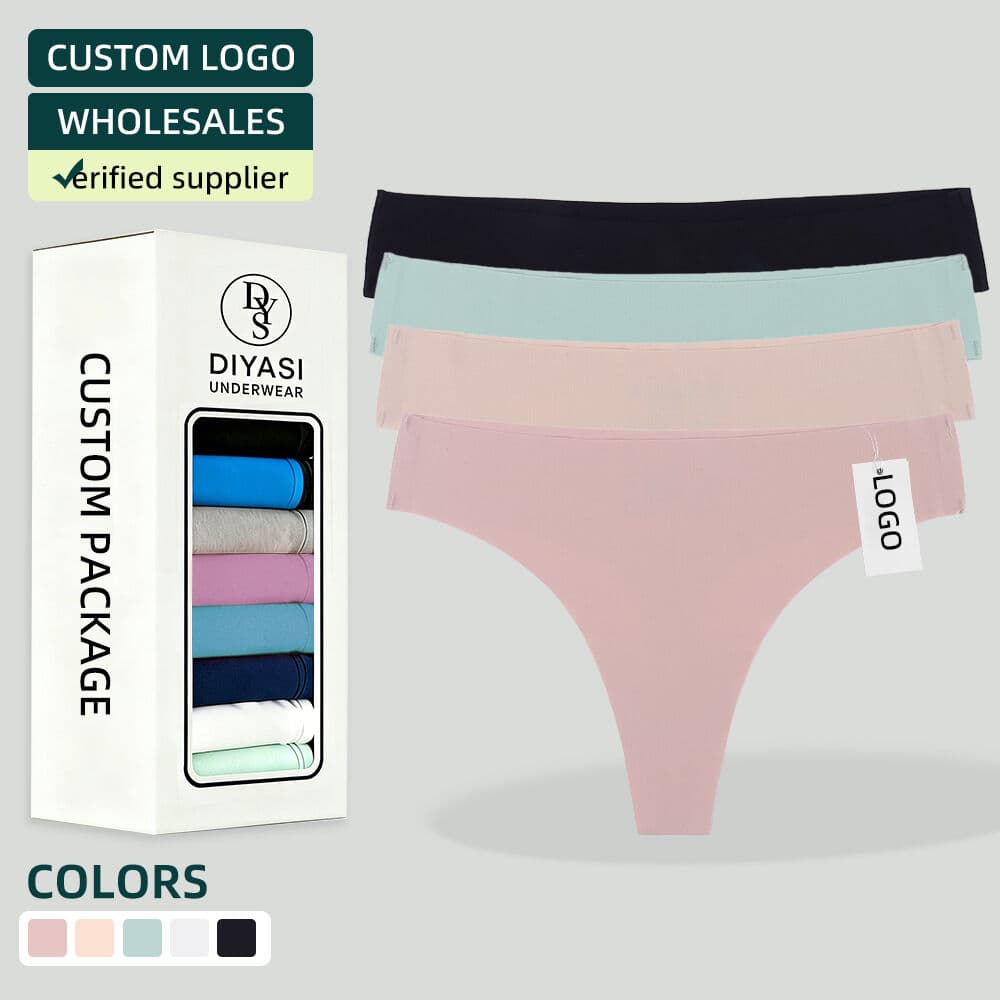
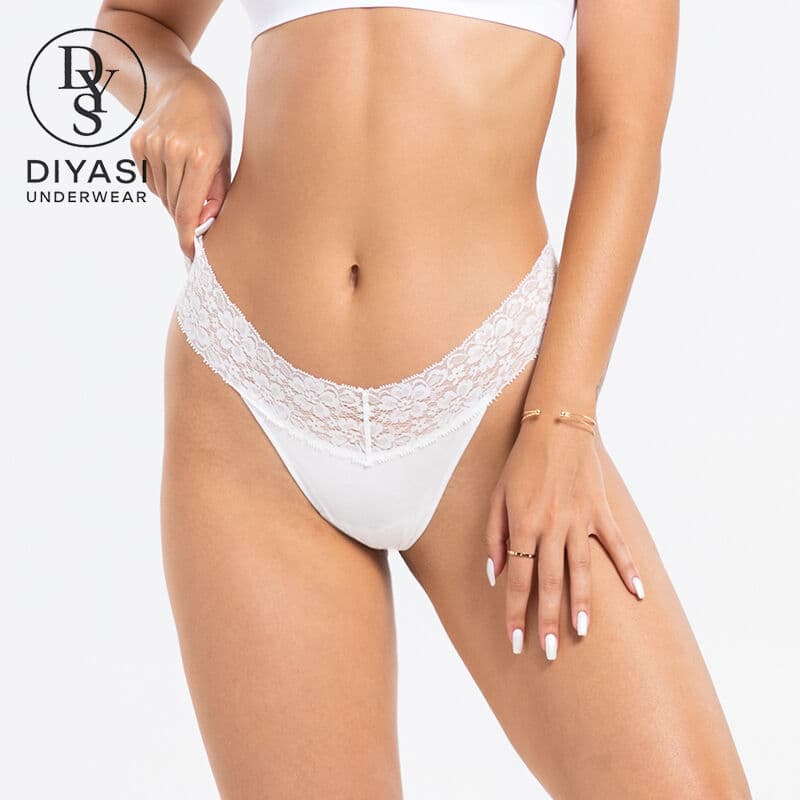
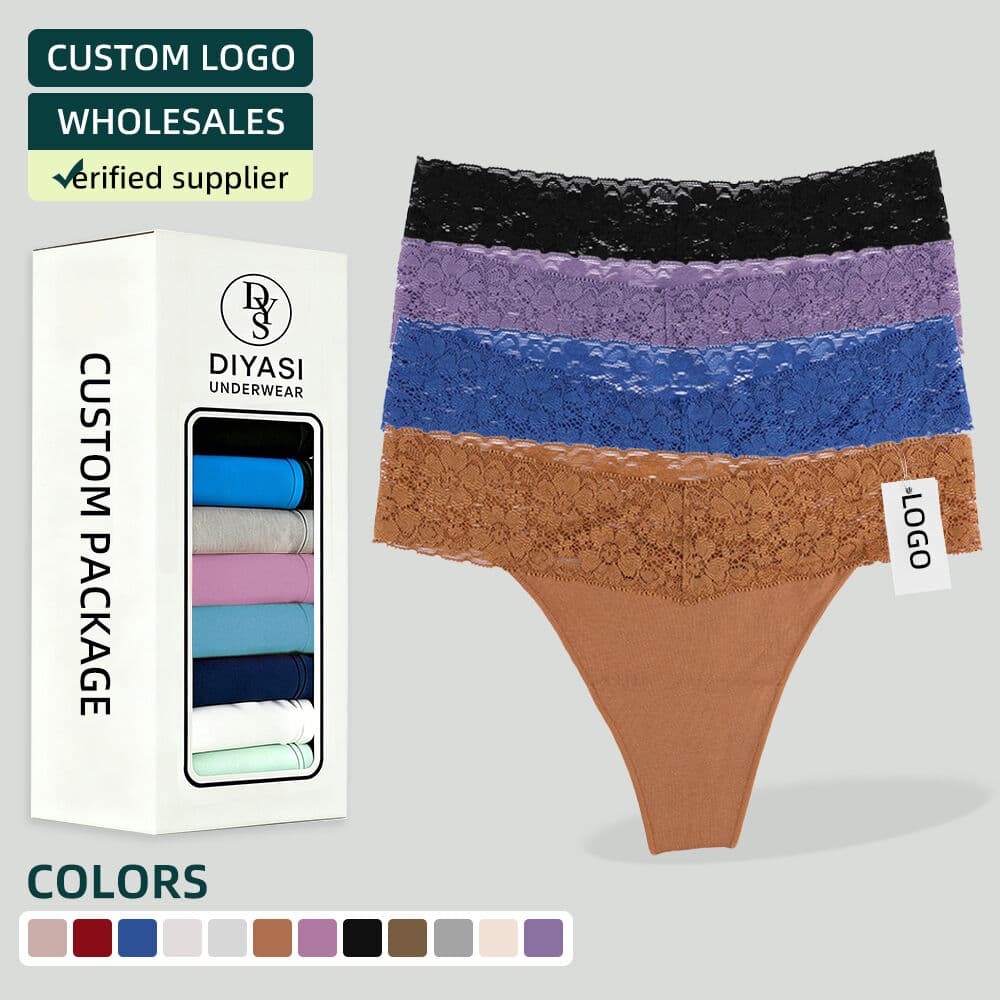
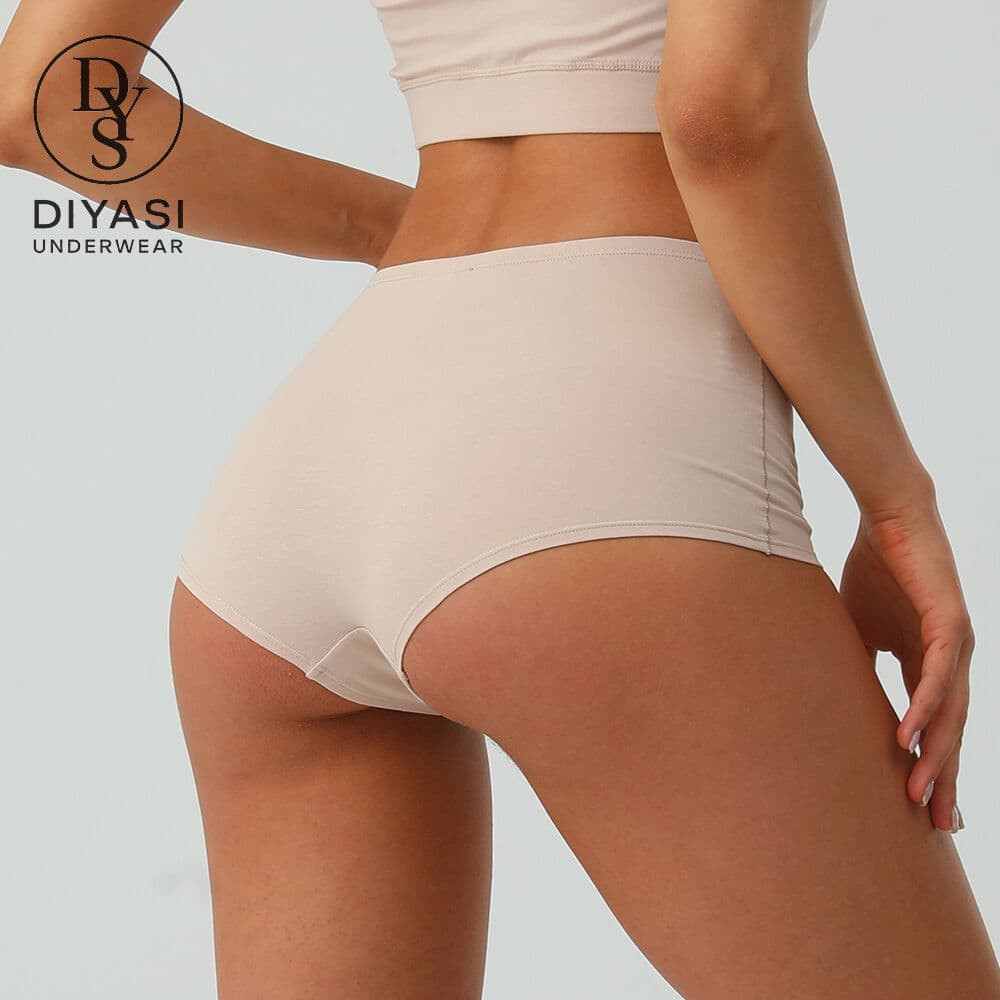
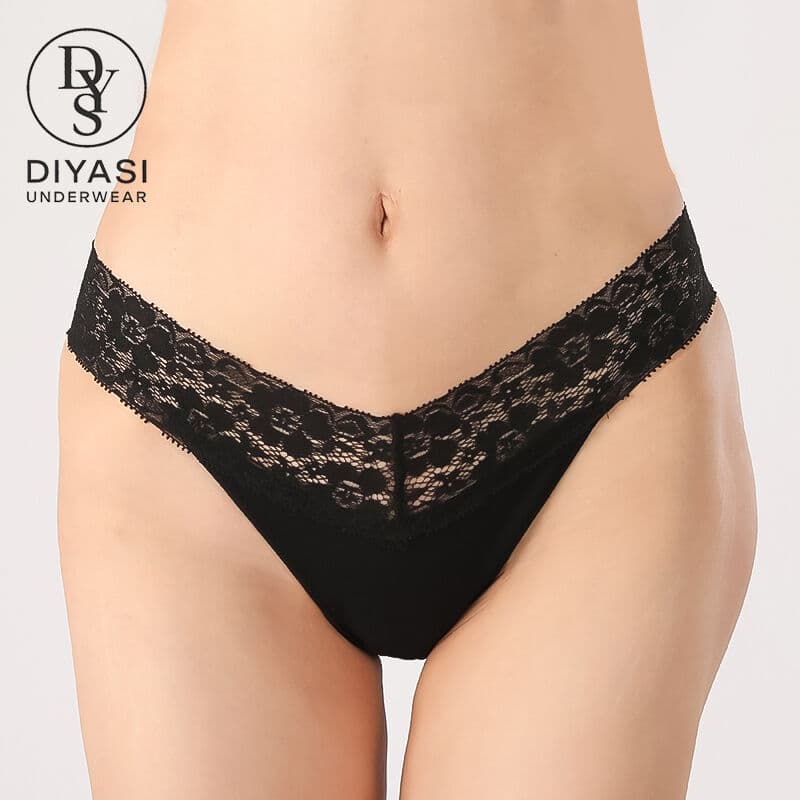
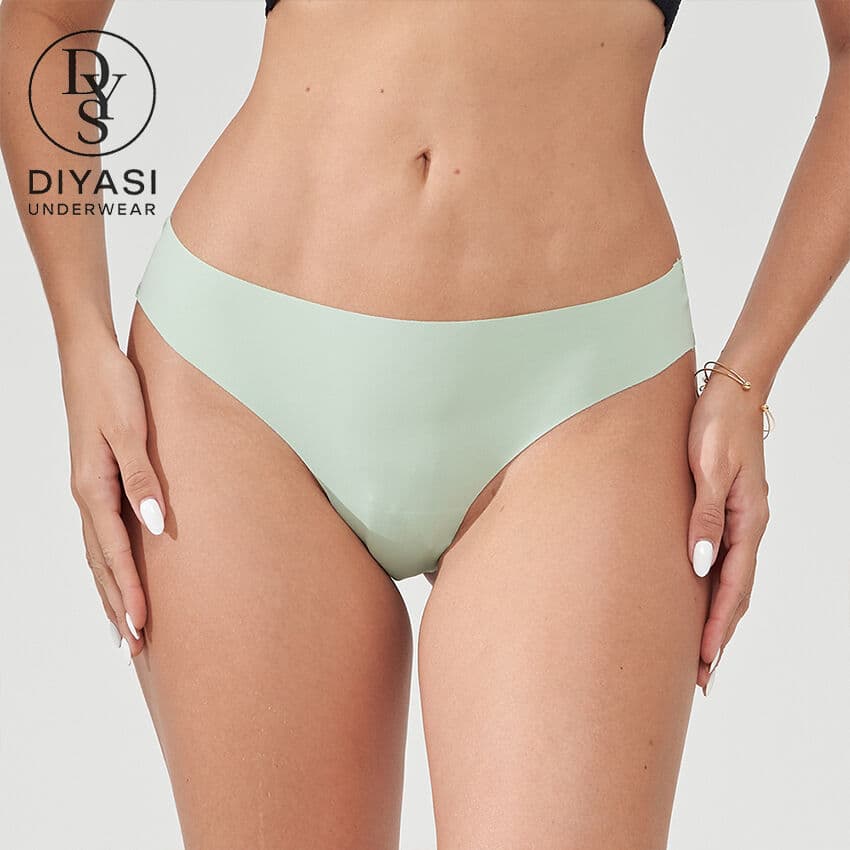
DYS322 is a low-rise thong with a bonded cotton gusset. Review edge finish and gusset attachment under the agreed inspection and wash plan. LS005 is a V-waist lace-and-cotton thong, so the lace join, waistband symmetry and inside finish are relevant approval points.
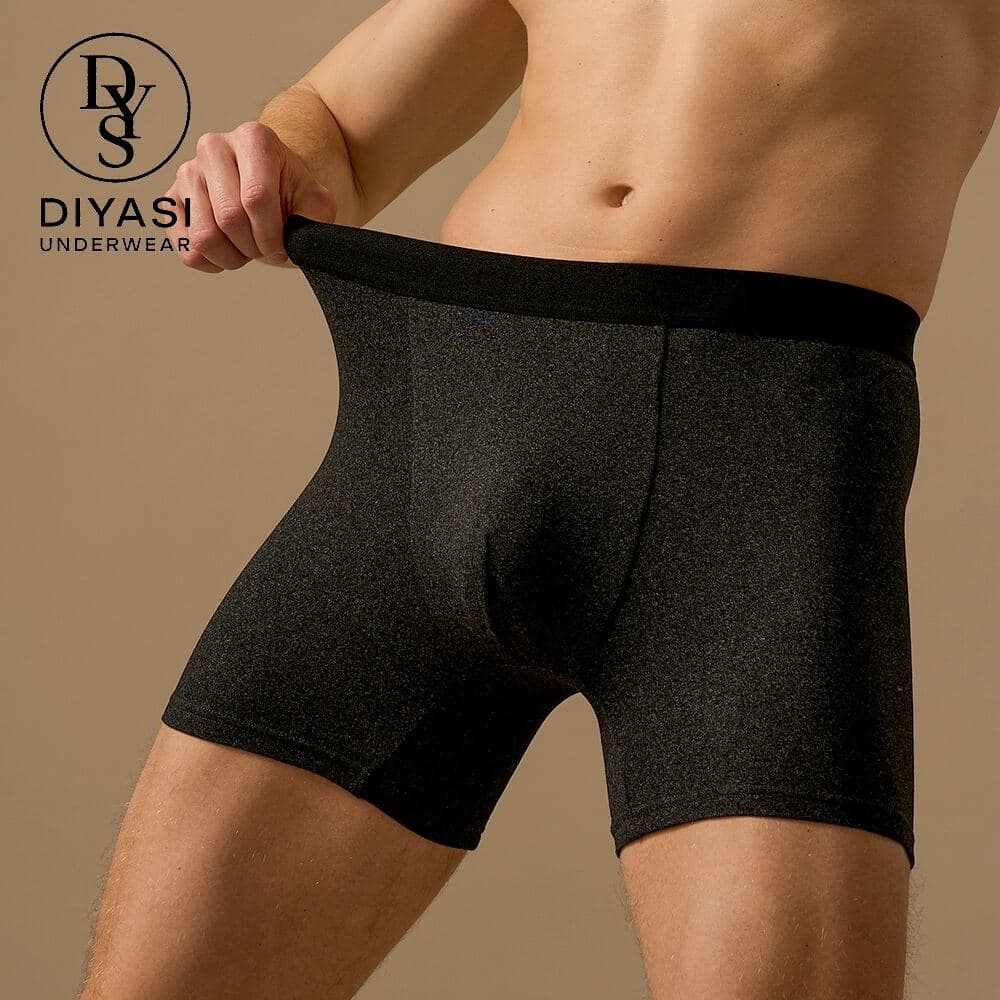
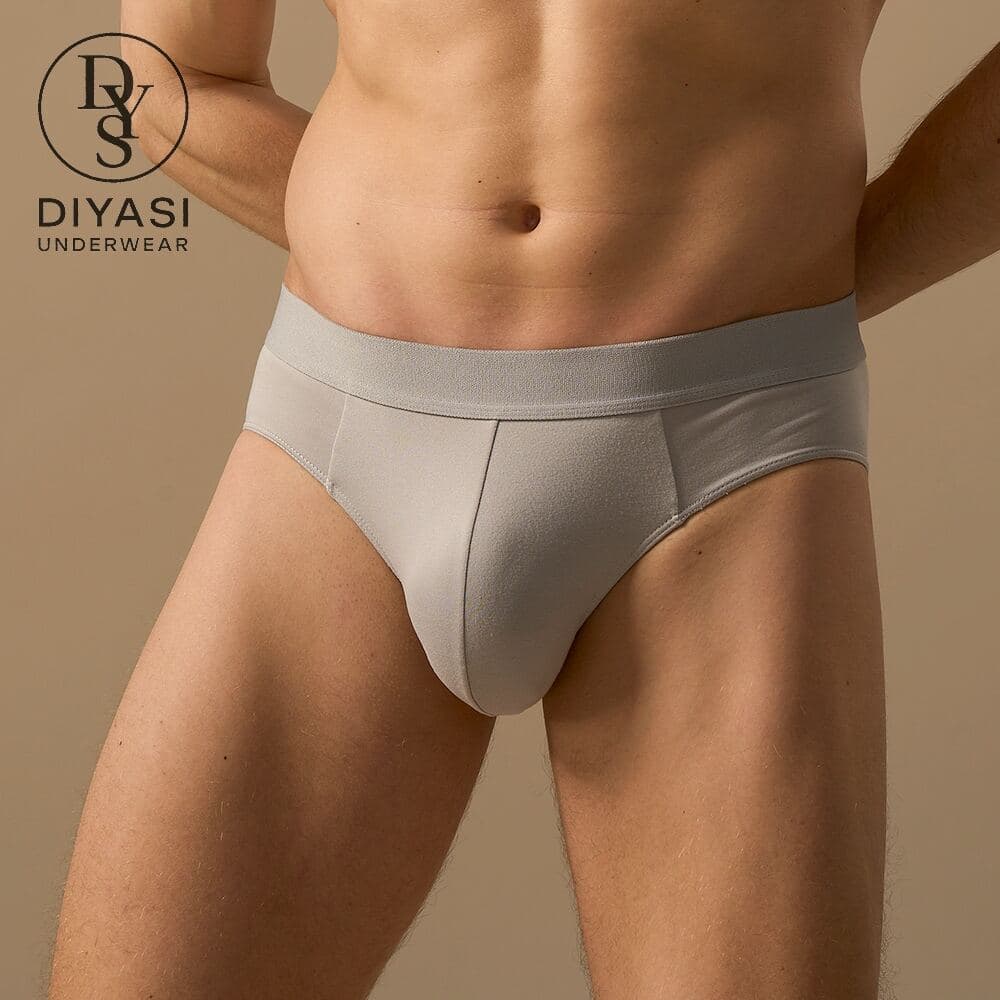
M005 uses a polyester-spandex body with modal pouch lining. Check the pouch construction and request the final component composition; the public catalogue does not supply exact percentages. If a recycled-polyester option is selected, include the order-specific material documentation in the approval record.
Write decisions that cannot be mistaken for blanket approval
Use a clear status for each item, such as accepted, correction required or awaiting evidence. Describe the action, responsible party and verification needed to close an open item. If fit is accepted but colour is pending, say exactly that and define whether any production activity is authorised at that stage.
Avoid a general approval with unresolved comments attached. Confirm the final release in one consolidated record that references the approved sample and current documents. Retain matching references with the buyer and factory where practical so later checks use the same standard.
Separate sample approval from production inspection
An approved sample establishes a reference; it does not prove that every bulk garment matches it. Agree the production and final inspection plan separately, including how measurements, workmanship, quantities and packing will be assessed and how discrepancies are handled.
If a material, pattern, colour, label or construction changes after approval, identify the affected checks and obtain the required revised approval. Keep the change log with the order. This helps avoid treating a previously approved garment as evidence for a materially different production version.
Pre-production approval questions
Can photographs approve a sample? They can support visual decisions, but they cannot establish hand feel, fibre composition, fit or every inside detail. Agree when physical samples and test evidence are required.
Does sample approval also approve all sizes? Only if the approval explicitly covers the agreed size-set evidence. A single base-size sample does not verify grading across the range.
Can production start with an open correction? That depends on the specific written agreement. Identify the unresolved issue and the permitted activity clearly rather than assuming a partial approval releases the full order.
Put your research to work
Build the technical specification ↗Review the size set and grading ↗Plan a documented wash review ↗Reconcile SKUs and carton packing ↗Product sources
Product examples refer to the linked DIYASI source specifications. Confirm the final materials, measurements and availability for your selected sample.
DYS322 original product specification ↗LS005 original product specification ↗LS005 original product specification ↗M005 original product specification ↗M005 original product specification ↗A starting point for your collection.
Share your selected model numbers, intended market and sample requirements with the DIYASI team.
Discuss your collection ↗