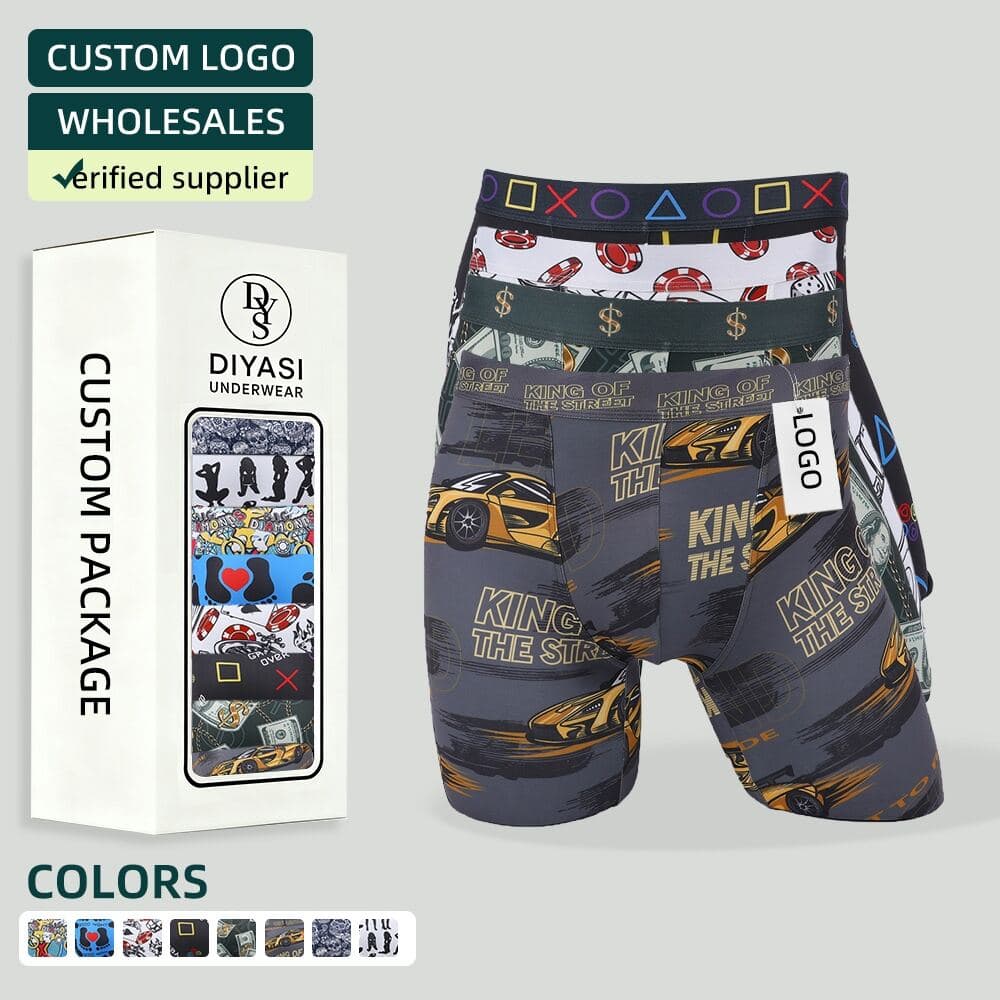
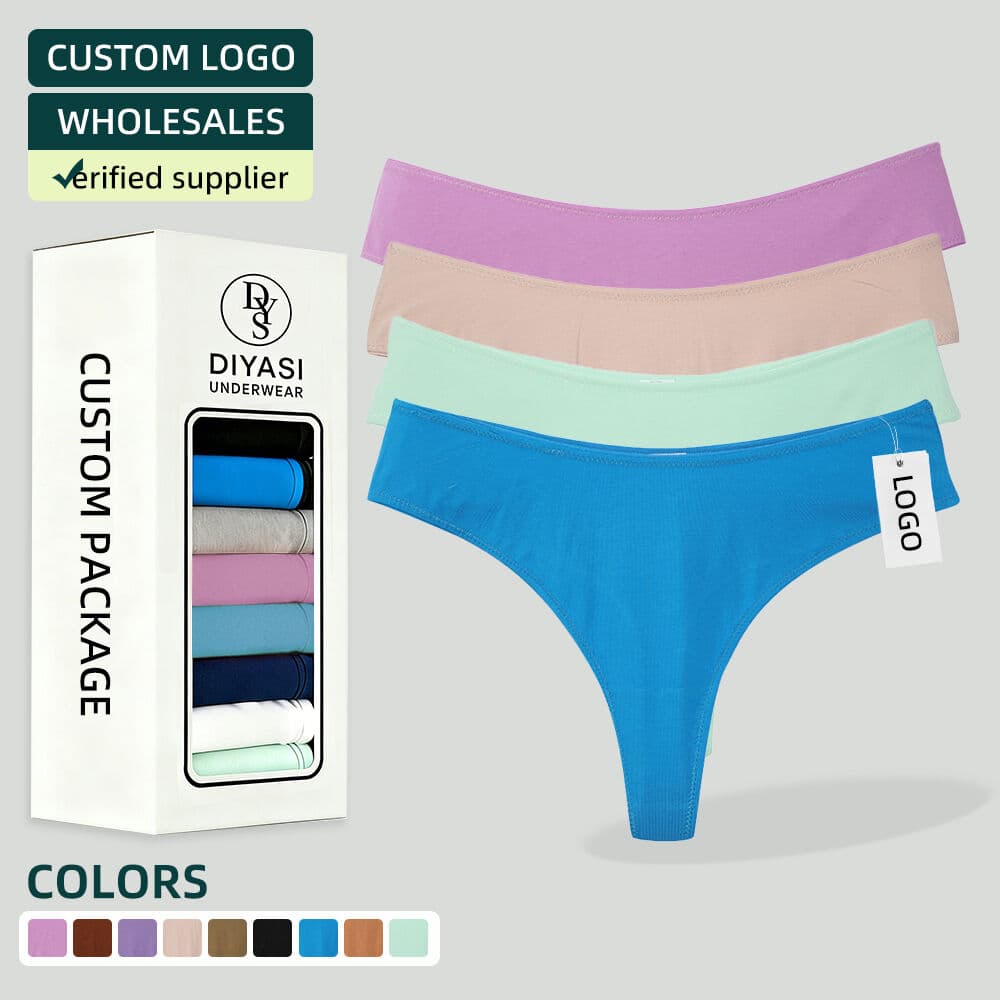
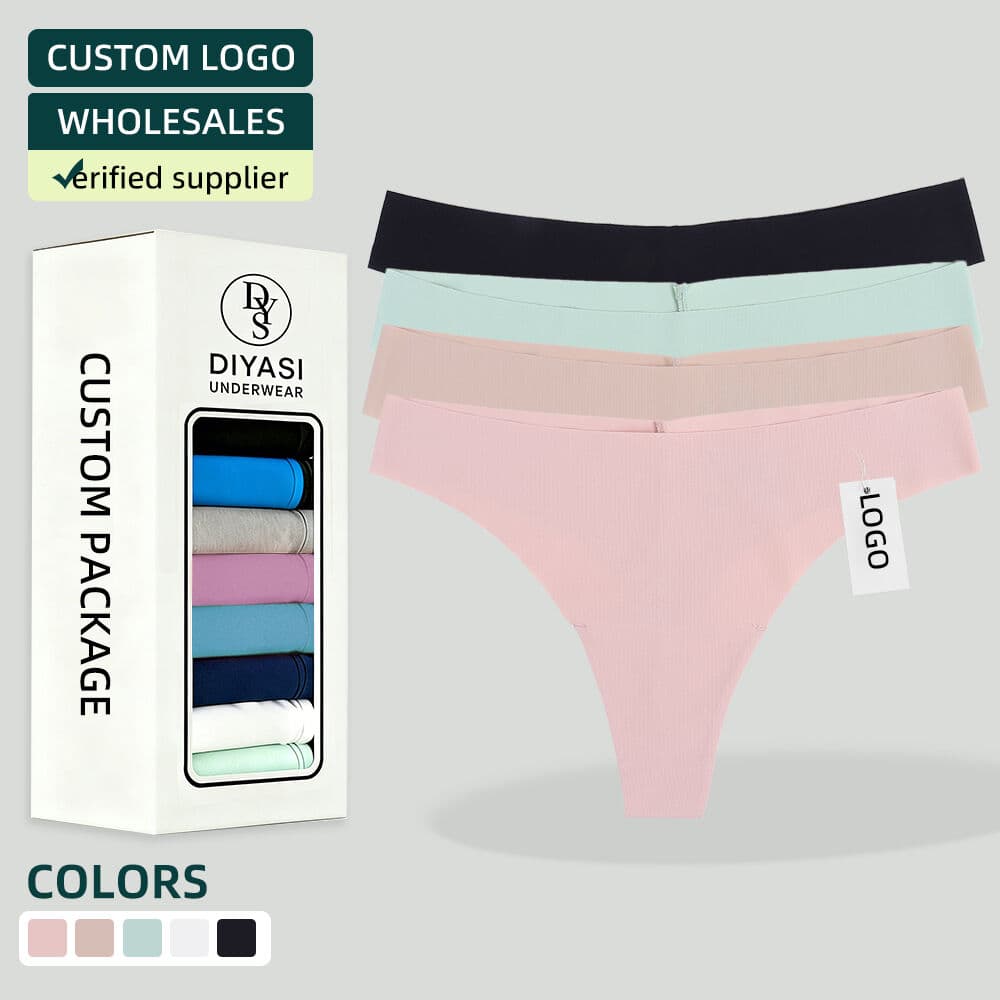
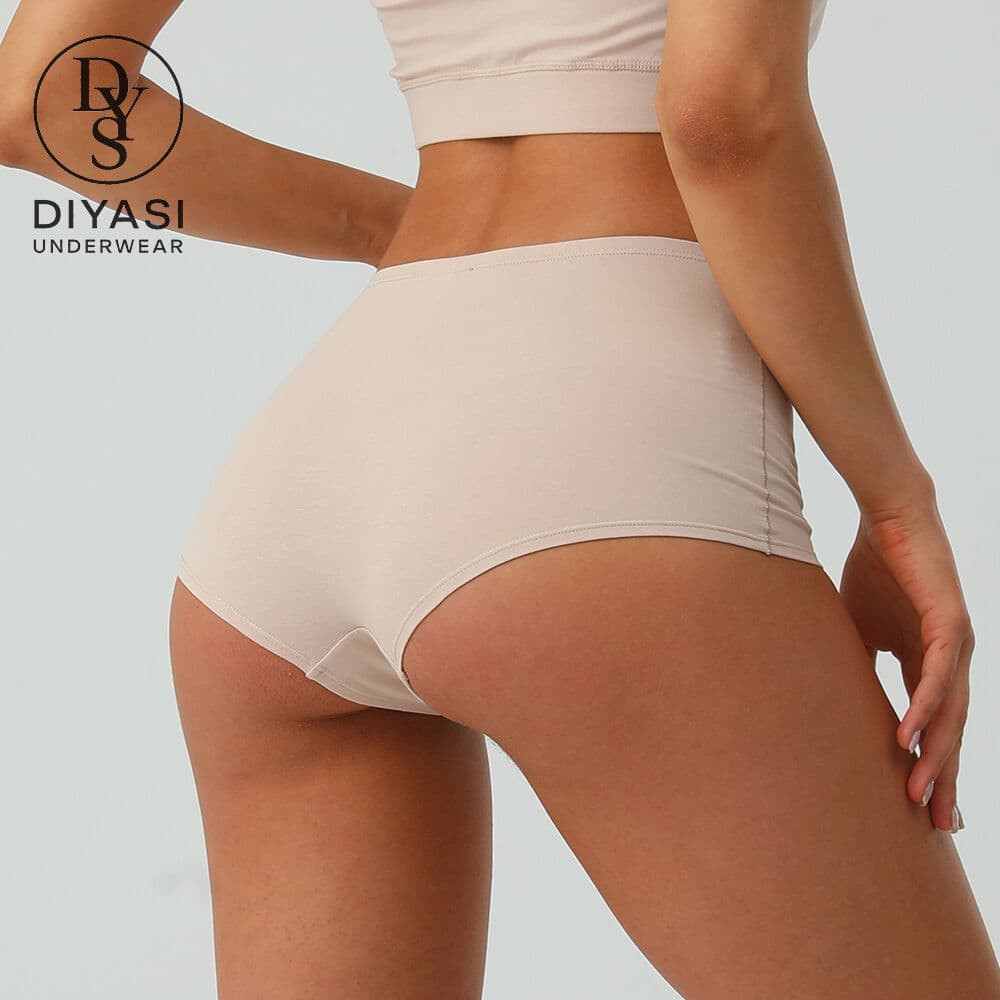
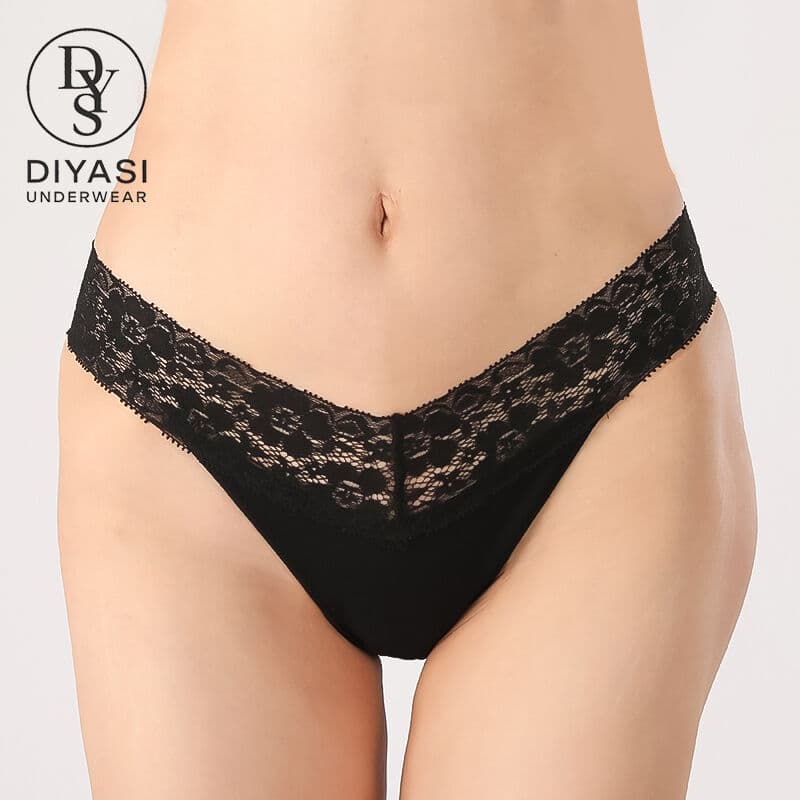
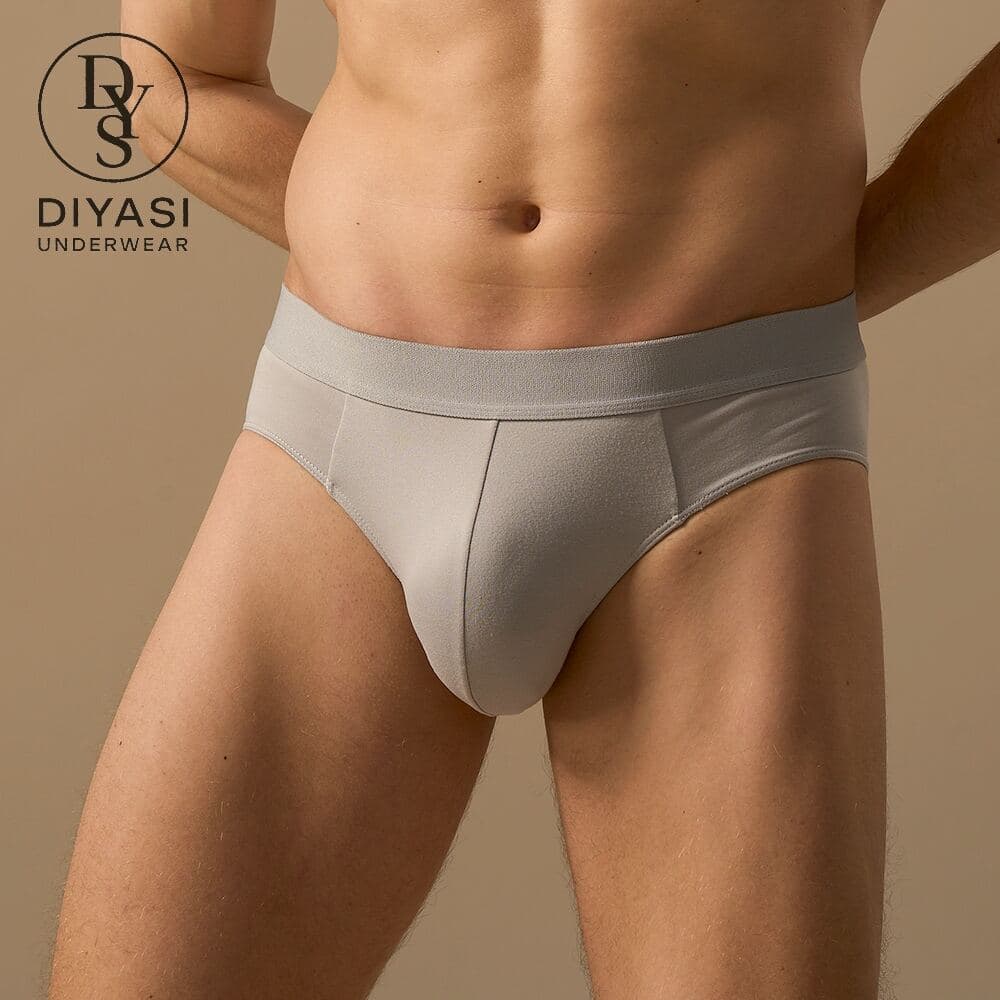
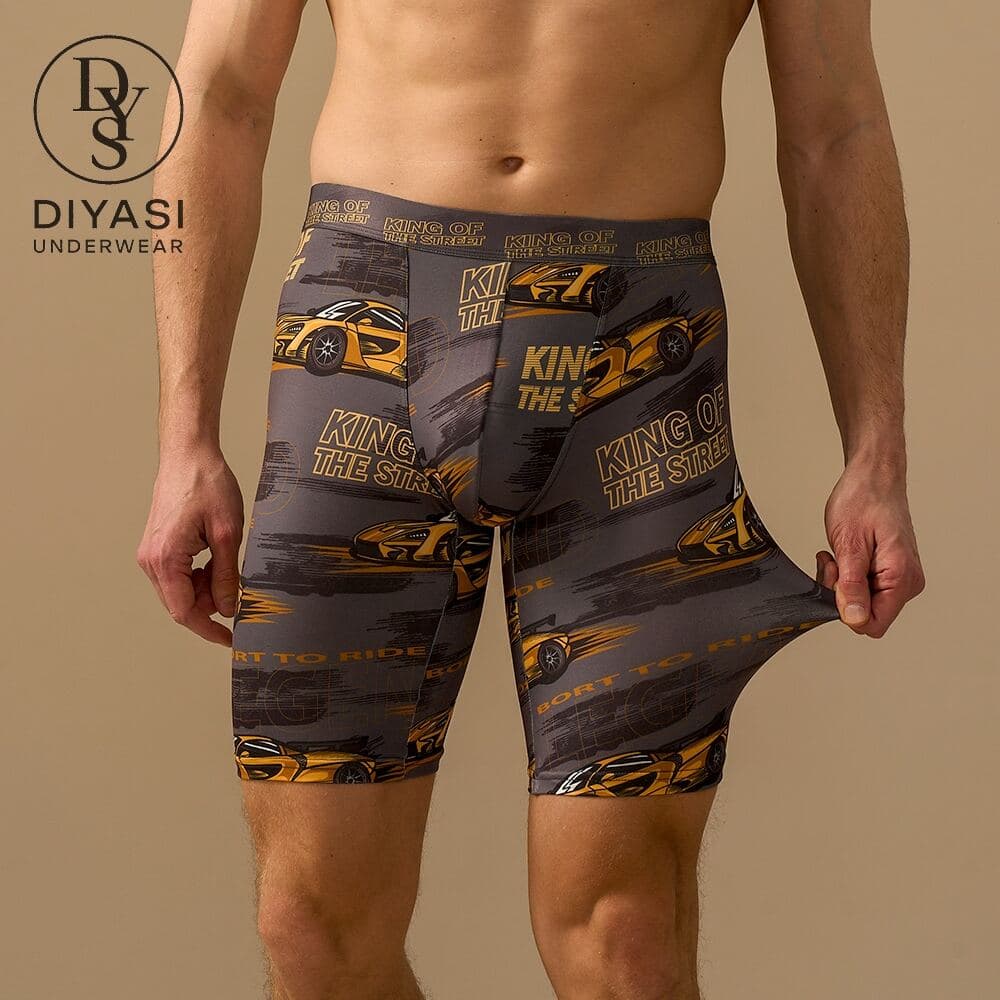
An underwear packing list should connect each carton to the exact model, colour, size and quantity inside it. Create the SKU mapping before approving labels or packing instructions, then reconcile it with the purchase order and shipment totals. DIYASI's M002 Print, DYS229 and DYS302 show why a short generic description such as underwear assortment is insufficient: different styles, materials and size-colour variants need identifiers that both the factory and receiving warehouse can follow.
Distinguish the product model from the sellable SKU
A model identifies a style; a SKU identifies the unit your business manages, usually including a particular colour and size. Retain the supplier's complete model reference alongside your own code. M002 Print should remain distinct from M002, even if your internal coding system abbreviates the name.
For an illustrative internal code, D229-BLK-M could identify a proposed DYS229 black medium unit once the colour and size are confirmed. This is an example naming convention, not an existing DIYASI stock code or a barcode. Keep the mapping readable and stable across the order documents.
| Record | Fields to include | Cross-check |
|---|---|---|
| SKU master | Buyer SKU, supplier model, colour code, size and pack unit | Each code resolves to one approved variant |
| Order allocation | Quantity for every SKU and total garment units | Variant quantities add up to the purchase order |
| Carton detail | Carton number, SKU quantities and inner-pack details | Carton totals reconcile with the allocation |
| Shipping marks | Approved identifiers and required handling information | Printed marks match the actual carton record |
Define single units, multipacks and mixed cartons
State whether quantity means individual garments, retail multipacks or inner packs. If a proposed three-pack contains three garments, record both pack count and garment count. Define the component colours and sizes of the pack rather than leaving the factory to infer the assortment.
Choose whether cartons contain one SKU or an agreed mixed allocation. A mixed carton needs a line for each variant inside it. Confirm the packing arrangement with the receiving warehouse, especially when it expects a specific carton label or unpacking sequence.
Approve labels against the SKU master
Review label artwork with the model, colour, size and unit definition beside it. If a barcode is required, supply the authorised identifier for the sales channel and verify that the encoded value matches the intended unit. An internal SKU is not automatically a valid retail barcode identifier.
Ask for a physical or print-proof review appropriate to the packing process, then check readability and placement on the intended packaging. Keep label version control separate from the garment's size-label artwork: an accurate garment label does not guarantee an accurate outer-pack label.
Reconcile the shipment before release
Compare packed quantities by SKU with the approved allocation and identify shortages, extras or substitutions explicitly. Sum garment units, inner packs and cartons using their own units. Record actual carton dimensions and weights when available; do not present early freight estimates as final packing facts.
Agree how discrepancies will be corrected and which final list accompanies the shipment. The approved order, carton labels and packing list should tell the same story. This check supports receiving accuracy; it does not replace product inspection or the commercial shipping documents required for the order.
Packing-list questions
Can plain and printed products share one SKU? Keep distinct sellable variants identifiable. If they belong in one retail assortment, define the pack SKU and its exact component list.
Can I choose a size mix after labels are printed? A change may affect labels, carton allocation and quantities. Reconcile and reapprove the affected records before packing.
Does this checklist confirm a packaging service or price? No. Discuss the requested materials, labels, pack configuration, quantities and costs with the supplier for the actual order.
Put your research to work
Discuss packaging options ↗Review sample, timing and packaging questions ↗Compare plain and printed men's styles ↗Prepare the final sample approval record ↗Product sources
Product examples refer to the linked DIYASI source specifications. Confirm the final materials, measurements and availability for your selected sample.
M002 Print original product specification ↗DYS229 original product specification ↗DYS302 original product specification ↗A starting point for your collection.
Share your selected model numbers, intended market and sample requirements with the DIYASI team.
Discuss your collection ↗