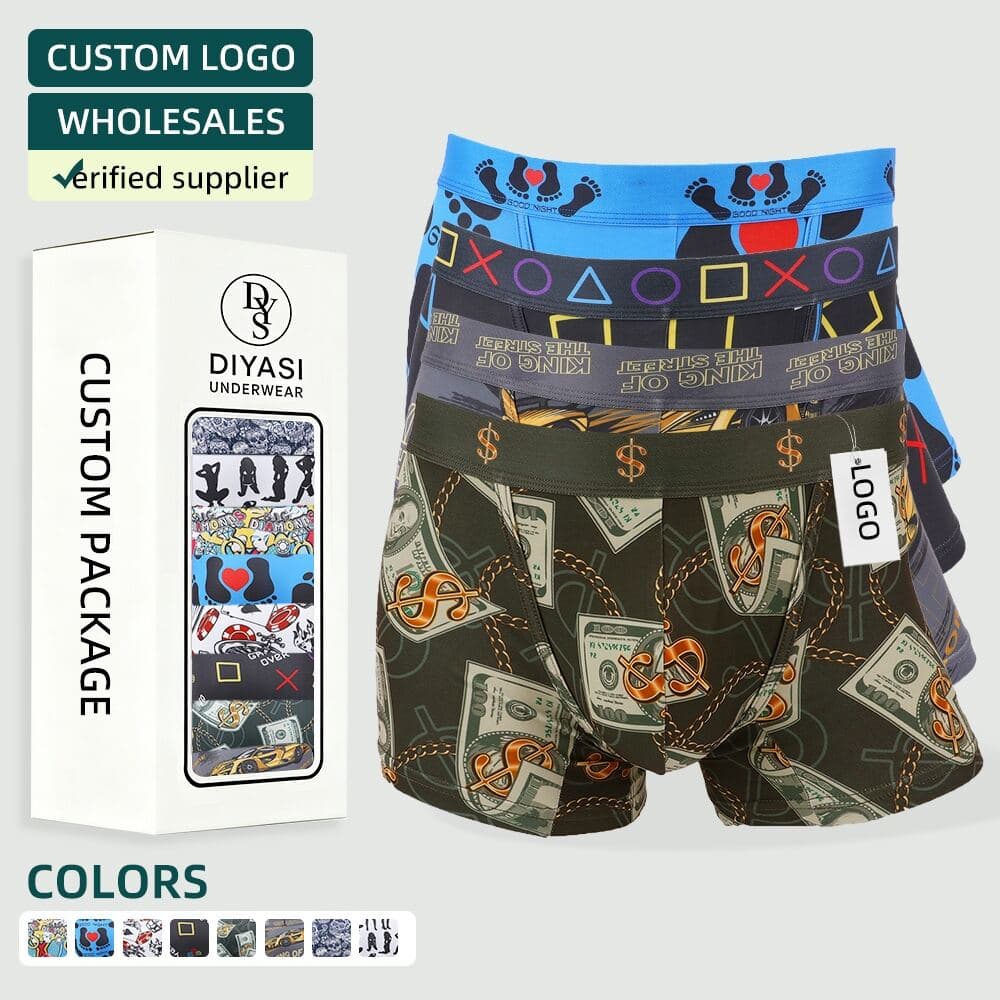
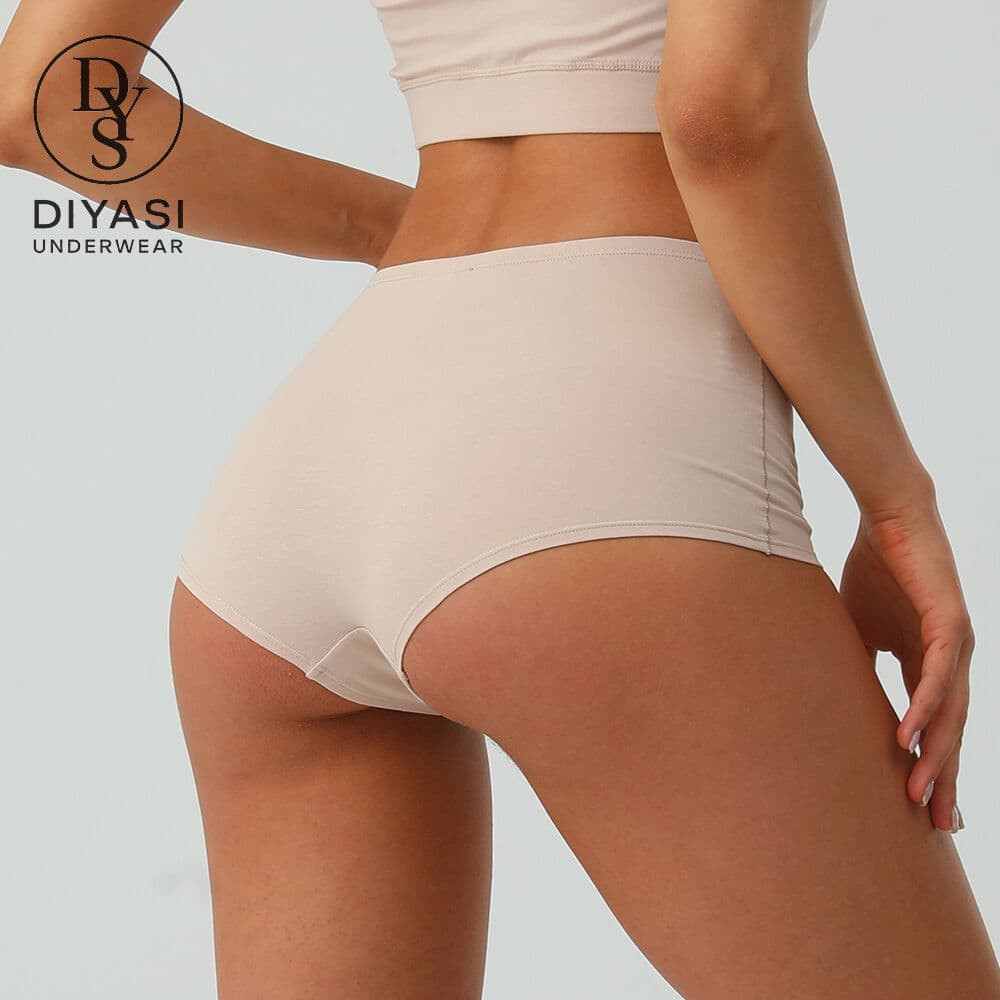
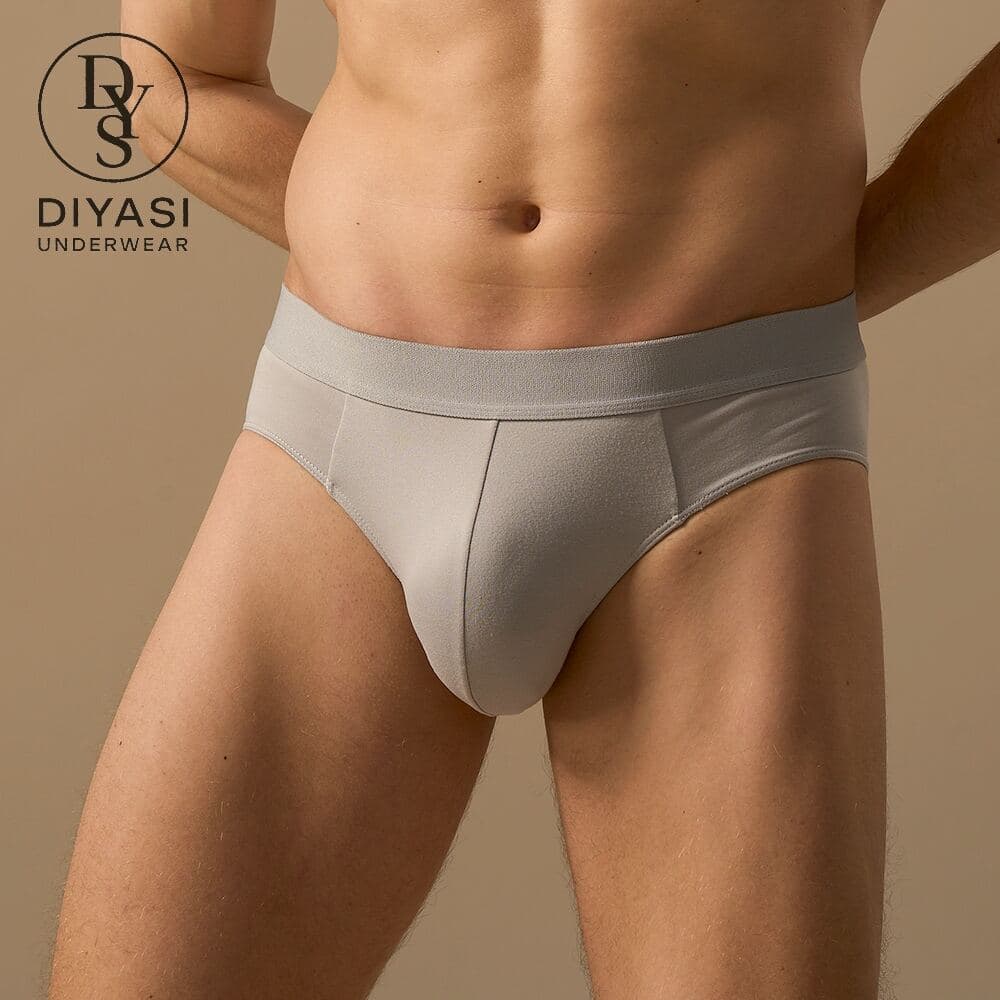
For a private-label men's underwear range, plain and printed styles need different colour and artwork approvals, but both start with an approved fit. Use the complete model reference when comparing options: DIYASI's M006 and M006 Print are separate catalogue entries, not a promise of identical measurements with a different surface design. Build the order around the selected silhouette, body and pouch materials, waistband specification and an agreed sample for each colour or artwork direction.
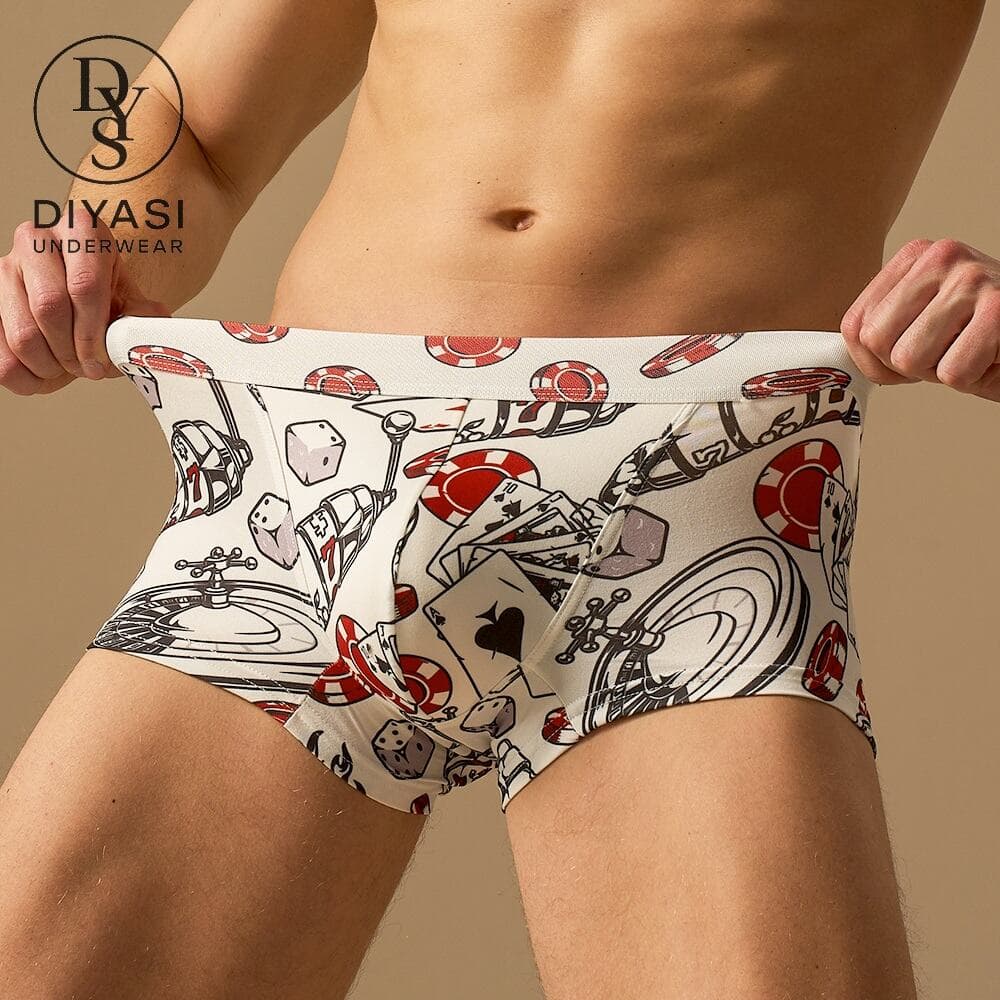
Choose the base garment before developing artwork
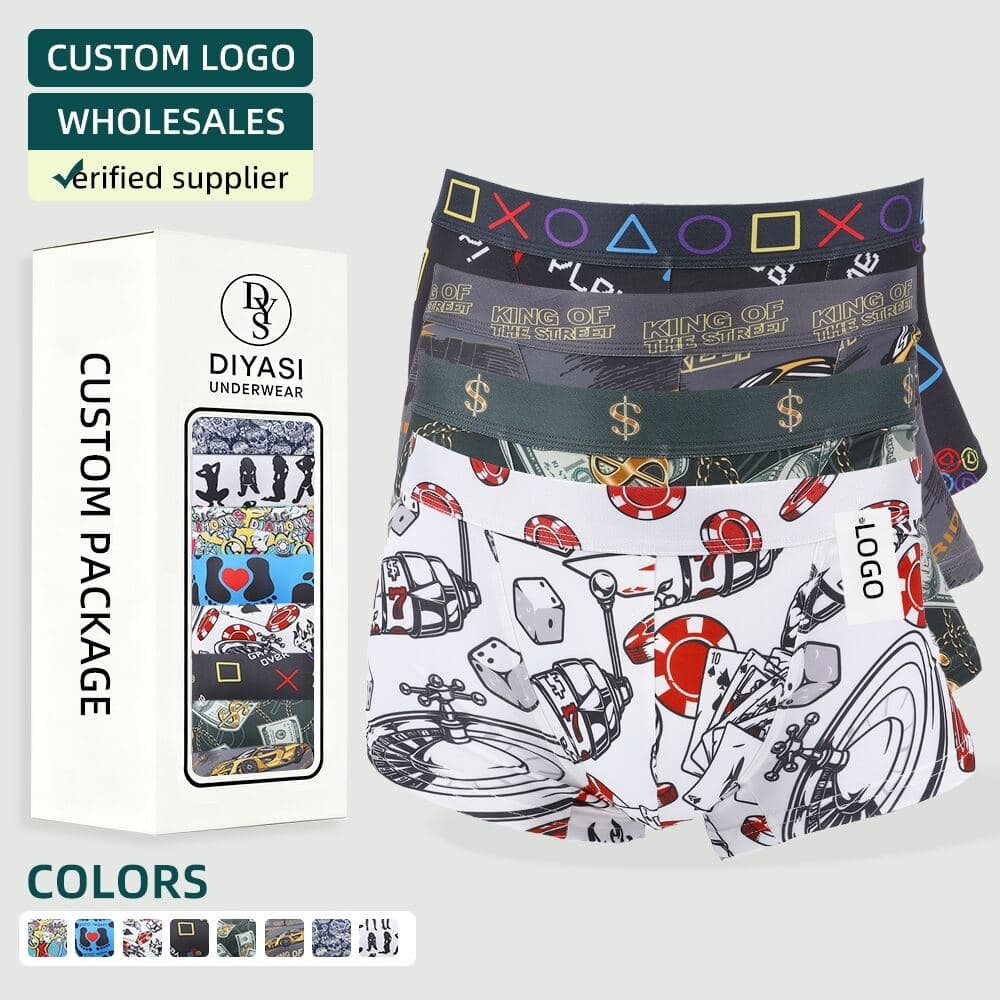
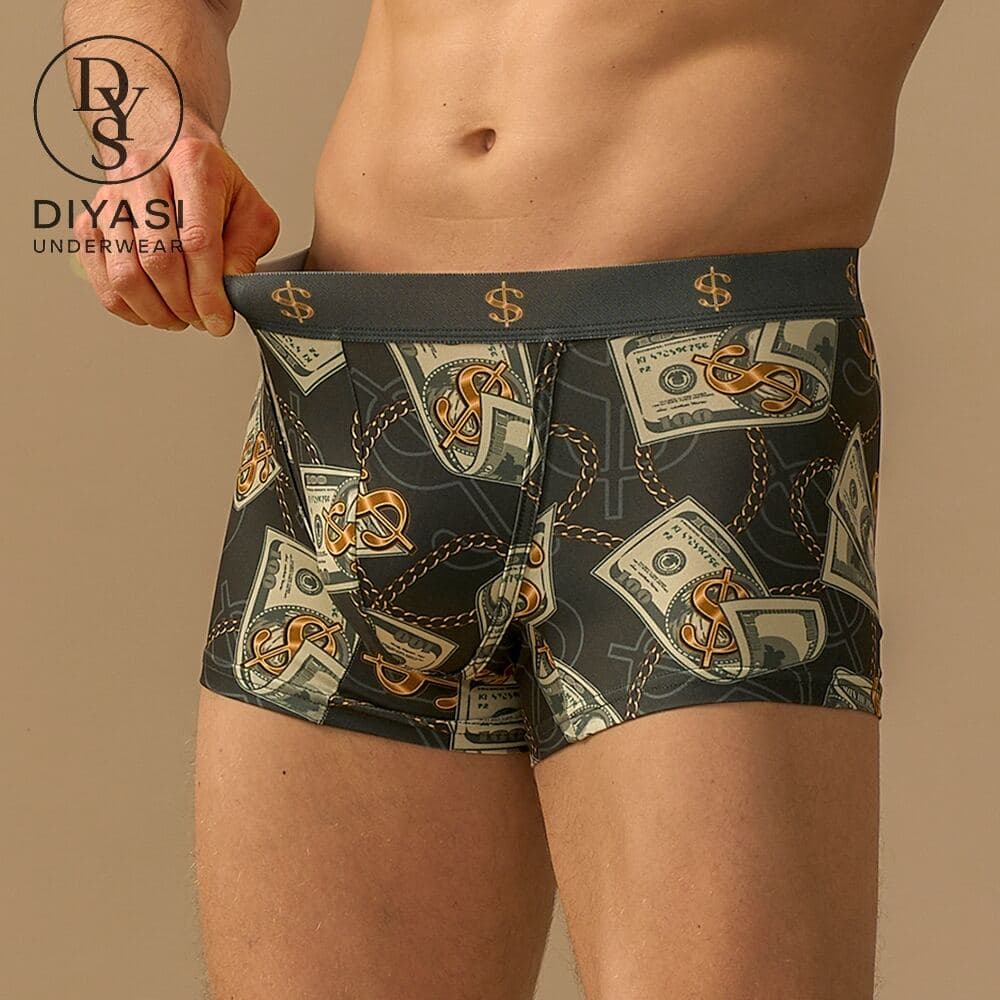
A plain body can put more visual emphasis on the waistband and garment shape. An all-over print adds another set of choices: motif size, repeat, orientation and how the design meets seams. Neither option is automatically easier to sell; assign each a clear role for the intended customer and price position.
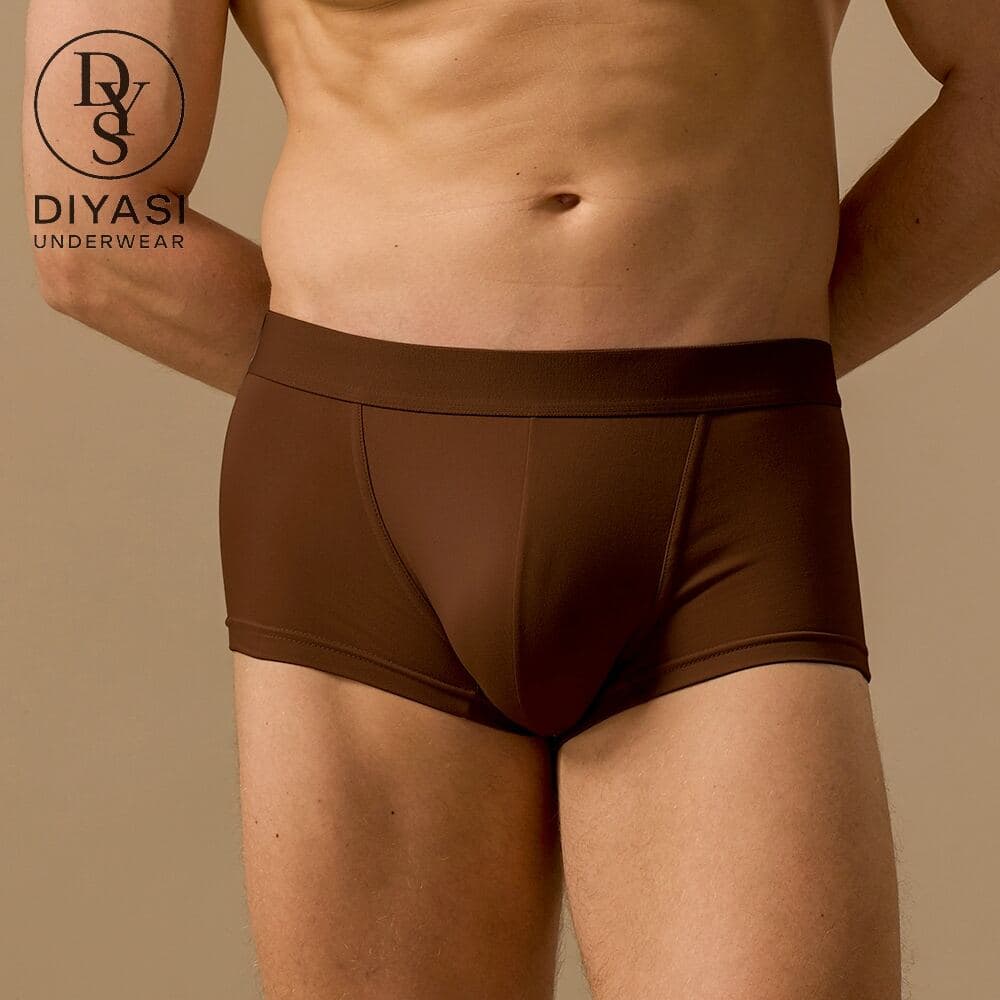
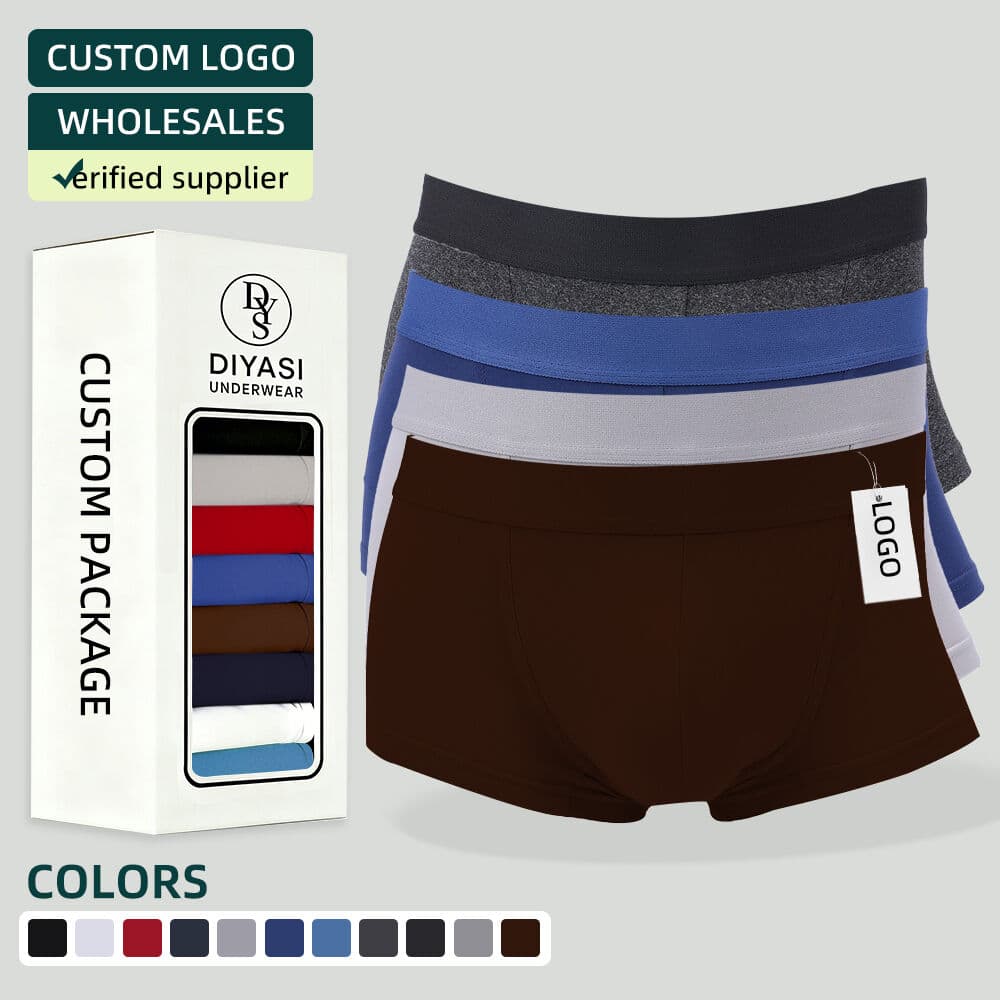
M006 is a plain trunk reference, M006 Print a printed trunk, and M003 Print a printed boxer brief. Their listed materials describe a polyester-and-spandex body with modal in the gusset or pouch area. That wording does not make the full garment modal, establish the exact body blend, or verify recycled content. Confirm those details for the actual base fabric before approving labels or claims.
What changes between plain and printed orders?
Separate garment fit approval from colour and artwork approval. A fit sample can establish measurements without being the final colour or print, provided that difference is recorded. The final approval should identify the actual material, appearance and construction that production must follow.
| Review point | Plain style | Printed style |
|---|---|---|
| Appearance reference | Approved body colour and waistband combination | Approved ground colour, artwork version, motif scale and orientation |
| Sample evidence | Colour reference plus the agreed garment sample | Print trial on the intended fabric plus an assembled garment sample |
| Seams and panels | Colour consistency across components | Expected motif position and any required matching at seams |
| Order allocation | Quantity by model, colour and size | Quantity by model, artwork or colourway, and size |
| Reorder reference | Approved colour and material records | Archived artwork file, colour reference, material and approved sample |
Make the print brief reproducible
Provide the artwork file in a format agreed with the factory, its version, intended repeat dimensions, colour references and direction. State whether the design repeats across the fabric or must sit in a specific position on the garment. Supply artwork you own or are authorised to use.
Ask the factory to confirm the print method for the selected fabric; a catalogue photograph does not establish the manufacturing process. Review a print trial on the intended substrate, then check the assembled sample for motif scale, stretching and placement near the pouch and seams. Agree any matching requirement before the quote, because it can affect cutting and material use.
Approve the waistband and care performance separately
The waistband is a separate component even when its colour or graphics coordinate with the body. Specify width, logo repeat, artwork orientation, attachment and the intended colour relationship. Keep its approved reference with the garment sample rather than treating a logo file as full waistband approval.
Agree the relevant wash, colour-transfer and stretch checks for the finished product. Record what will be assessed and which sample represents production. Neither a printed appearance nor the fibre names establish colourfastness, stretch recovery or a tested performance level.
Plan quantities and reorders by colourway
An order total can hide small quantities across many sizes and artworks. Prepare a matrix that shows the pieces for each model, size and colourway, then ask which garment, fabric, printing and waistband minimums apply. Do not assume a catalogue garment minimum covers every custom component.
For repeat orders, retain the approved artwork version, fabric specification, colour reference, finished measurements and sample approval record. Review size-level sales and remaining stock before repeating the same allocation. A matching model number alone is not enough to reproduce an earlier custom order.
Common questions about custom printed underwear
Is printed underwear always more expensive? Not necessarily. Cost depends on the base fabric, artwork, process, setup and quantity. Compare quotations using the same specification and ask for development and production costs to be separated.
Can a printed style use the fit approved for a plain style? Ask the factory to confirm the pattern and material relationship. In this catalogue, M006 and M006 Print are distinct products, so compare measurements before assuming equivalence.
Can a brand launch with one plain and one printed style? Yes, that is a possible assortment plan, subject to feasibility and quantities. Keep the fit, branding and artwork approvals distinct so each part of the order has a clear production reference.
Put your research to work
Browse men's underwear styles ↗Specify a custom underwear waistband ↗Understand custom-component minimums ↗Plan reorders by size and remaining stock ↗Product sources
Product examples refer to the linked DIYASI source specifications. Confirm the final materials, measurements and availability for your selected sample.
M006 original product specification ↗M006 Print original product specification ↗M003 Print original product specification ↗A starting point for your collection.
Share your selected model numbers, intended market and sample requirements with the DIYASI team.
Discuss your collection ↗