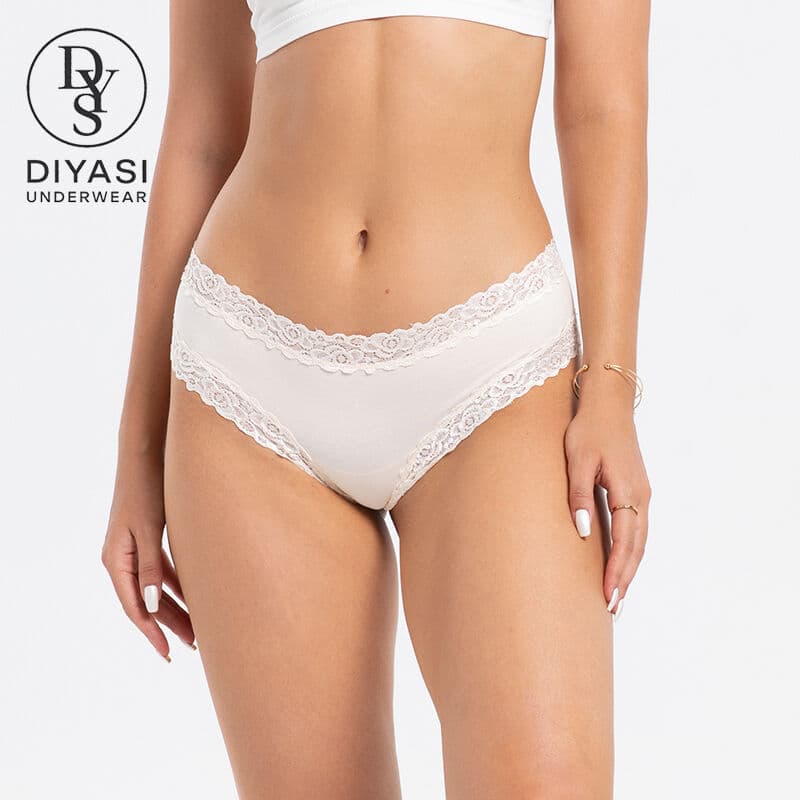
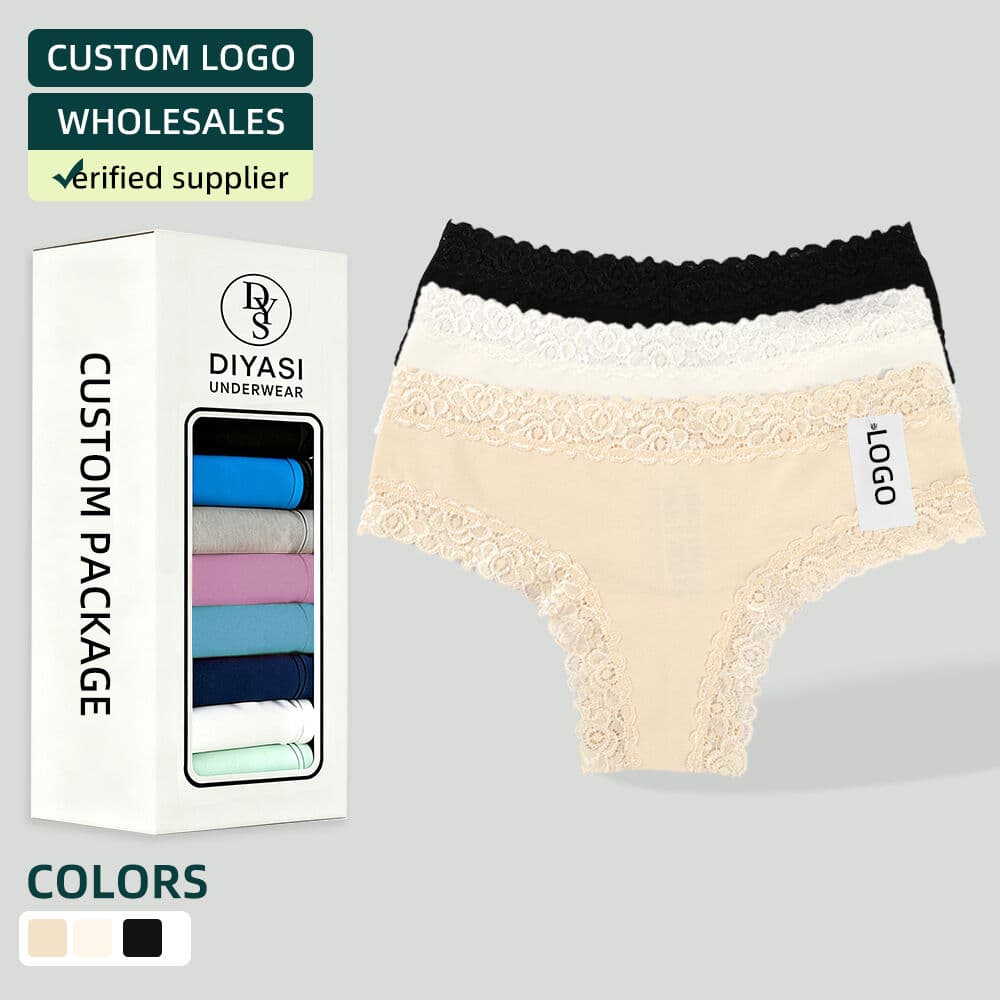
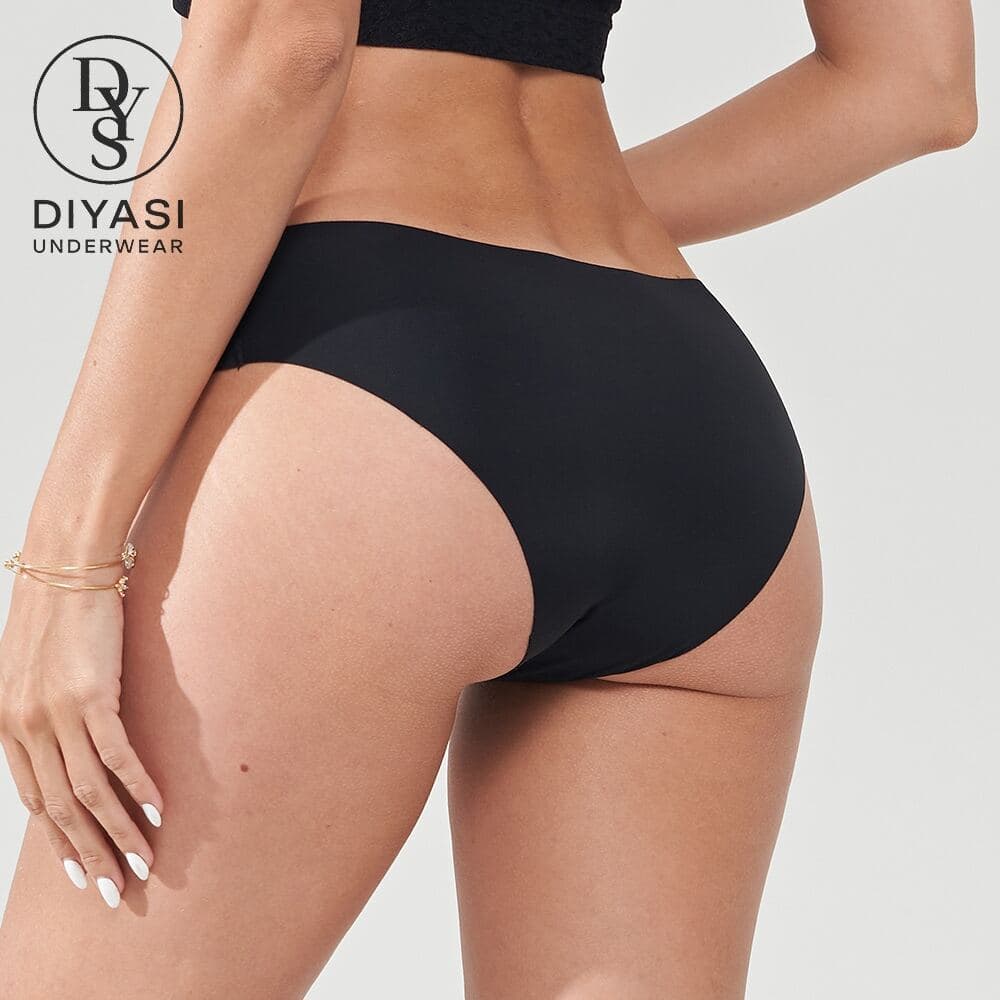
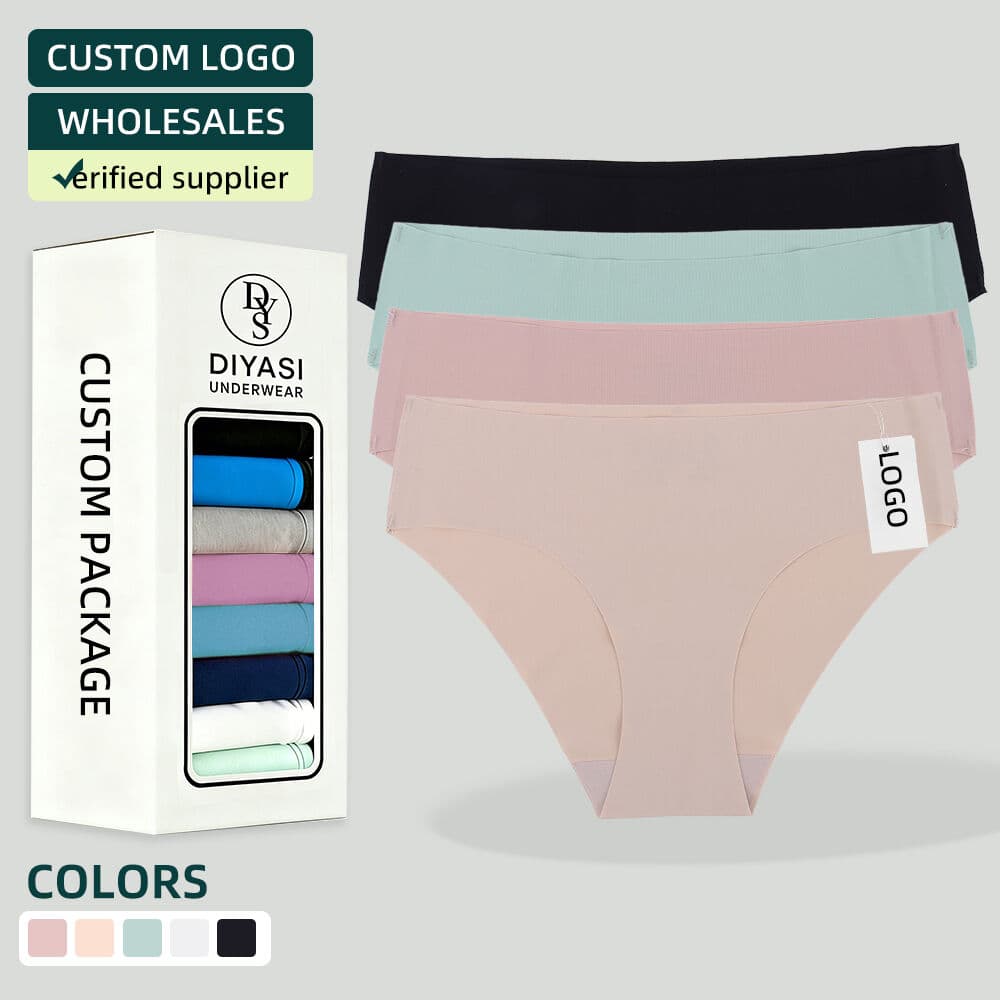
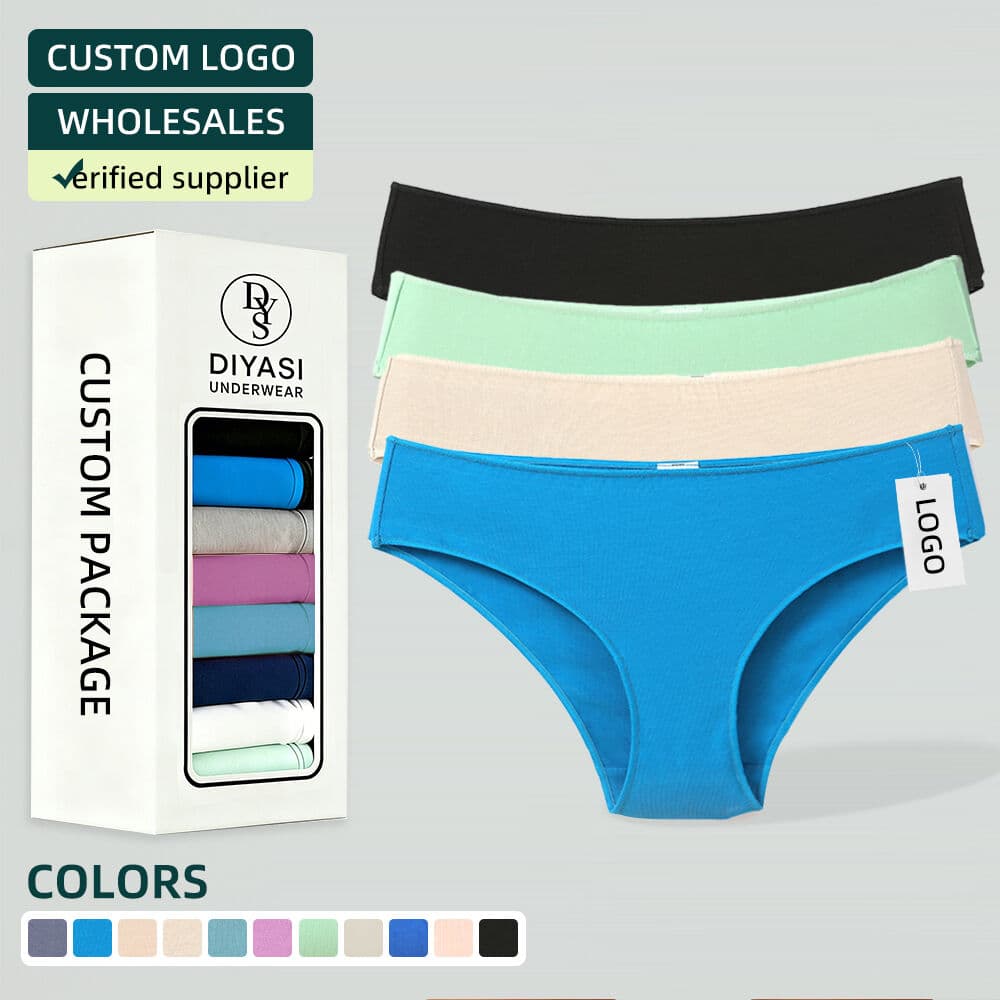
Understand underwear MOQ explained by style, size/color allocation and custom components. Most specification tables in the current DIYASI catalogue list 120 pieces per style, with mixed sizes and colors subject to confirmation. That is a catalogue starting quantity, not a universal minimum for custom fabric, colors, waistbands or packaging.
Your model allocation and component worksheet
Use one copy per model. Enter the size × colour quantities as separate lines in the downloaded file, reconcile the total, then ask the supplier to accept or revise the allocation. Blank fields are not confirmed terms.
| Field | What to record | Your entry |
|---|---|---|
| Source model and sample version | ||
| List each combination and units; reconcile the sum | ||
| Whole units for this model only | ||
| Available reference or custom development | ||
| Supplier response; do not infer acceptance from the catalogue | ||
| Separate label, elastic and packaging quantities | ||
| Quantity, charge, owner and storage arrangement | ||
| Availability and terms that must be reconfirmed |
Entries stay in this page until you leave or reload. Download a copy to keep them; this worksheet does not submit an enquiry.
Separate the garment quantity from the component minimum
An existing style with available fabric follows a different production route from a new pattern or a custom-dyed fabric. A woven waistband, printed care label and branded box can each have a separate supplier minimum. Request a written breakdown so that unused labels or boxes do not become a surprise cost.
| Order route | What to confirm |
|---|---|
| Existing catalogue style | Current stock, size/color mix and quantity per style |
| Branding an existing style | Logo method, label or waistband minimum and setup cost |
| Custom color or fabric | Dye lot, fabric availability and development approval |
| New pattern | Pattern charge, grading, fitting rounds and production minimum |
Plan an assortment you can actually test
For illustration, 120 pieces split equally across two colors and four sizes would create eight SKUs with 15 units each. This is planning arithmetic, not an approved factory allocation. Ask whether the style supports that mix and adjust it to your customer size distribution. Starting with fewer silhouettes makes it easier to compare fit feedback and reorder demand.
Before approving the order
Record the model number, body and gusset composition, measurements, color references, branding artwork and packing method. Agree on sample approval, quantity tolerances, final price, delivery terms and payment milestones. The catalogue commonly quotes 5 to 7 days for samples; the actual schedule depends on your changes and material availability.
One more thing
Can I put my logo on 120 pieces?
The factory must confirm the logo method and component minimum for the selected style. A catalogue garment quantity alone does not establish a custom-label minimum.
Sources & further reading
Product examples refer to the DIYASI catalogue. External standards explain their own scope; a reference is not a claim that a specific garment or factory is certified.
DIYASI source catalogue ↗How garment and component minimums work ↗
Put the details into practice.
Share your selected styles, target market, planned quantity and branding needs.
Start a Project