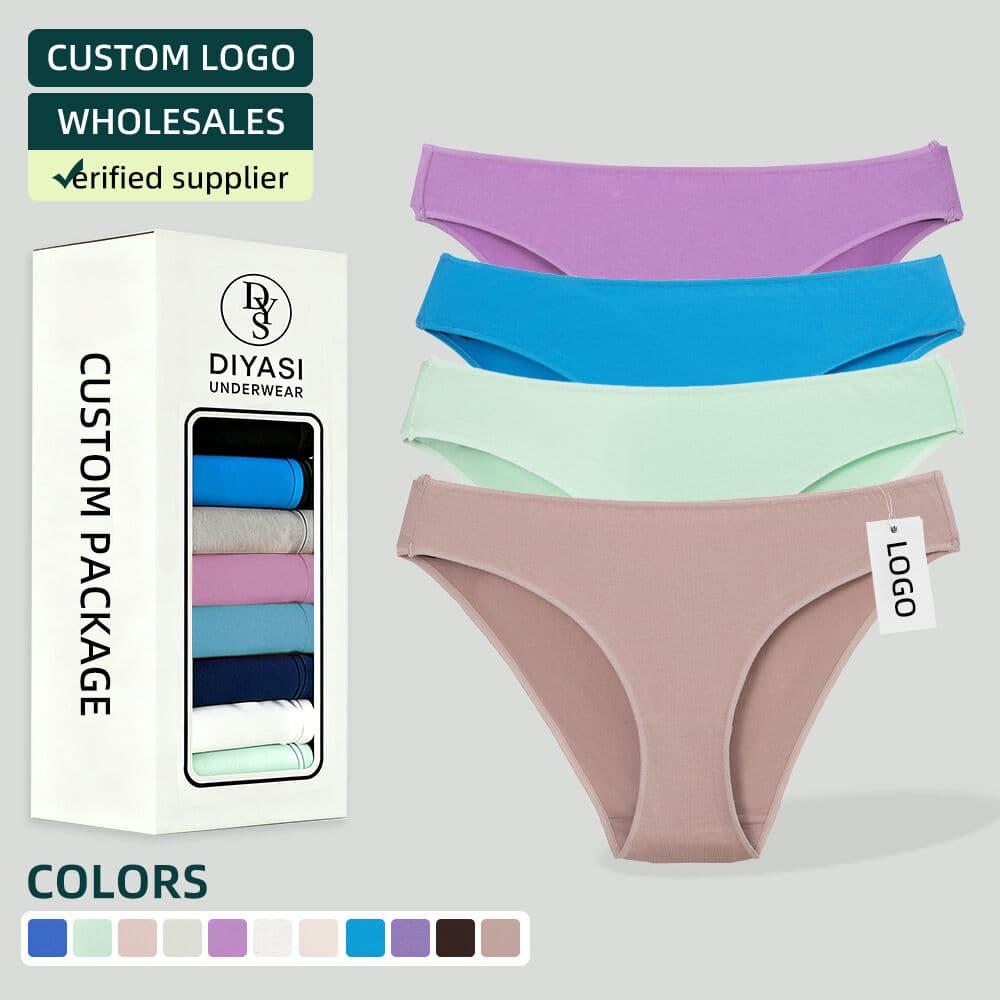
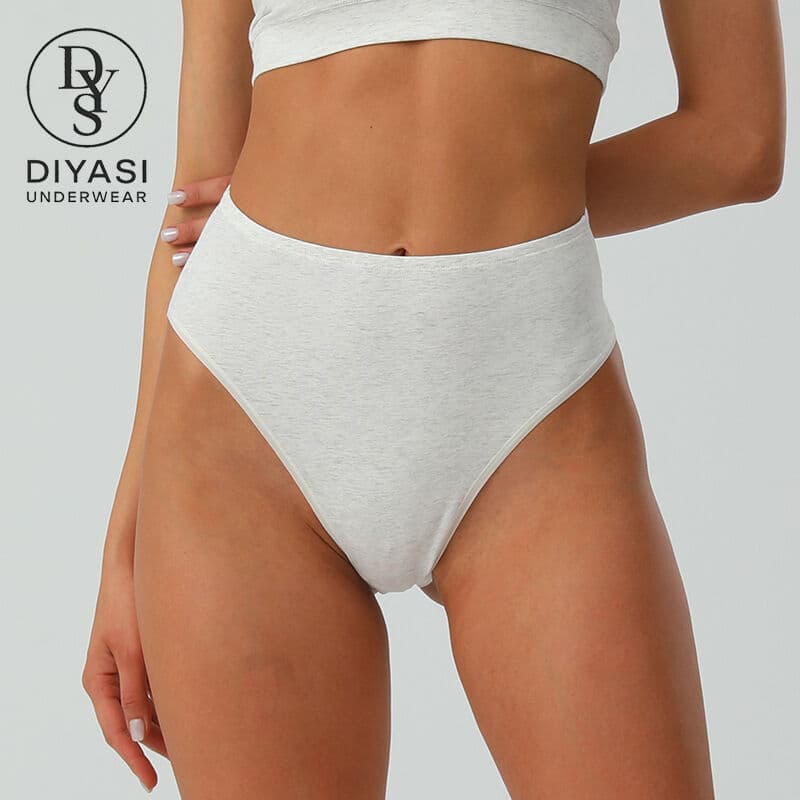
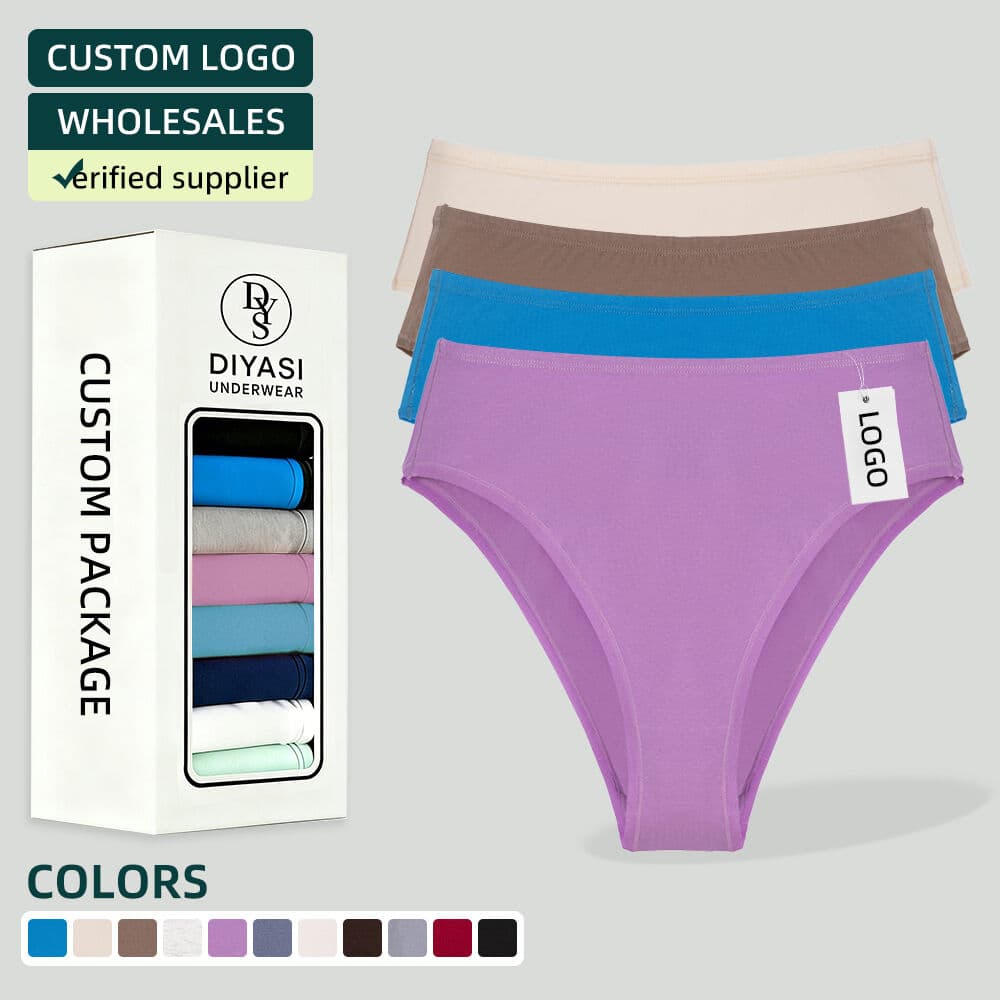
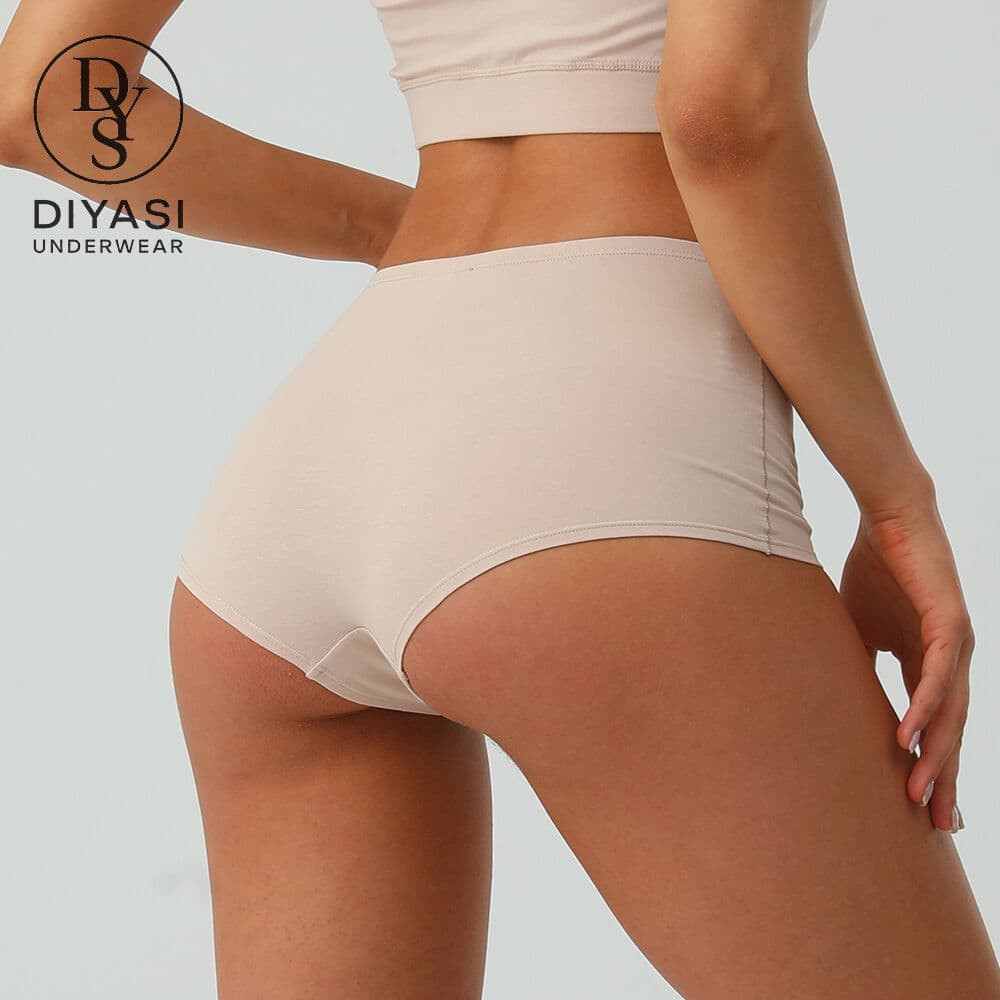
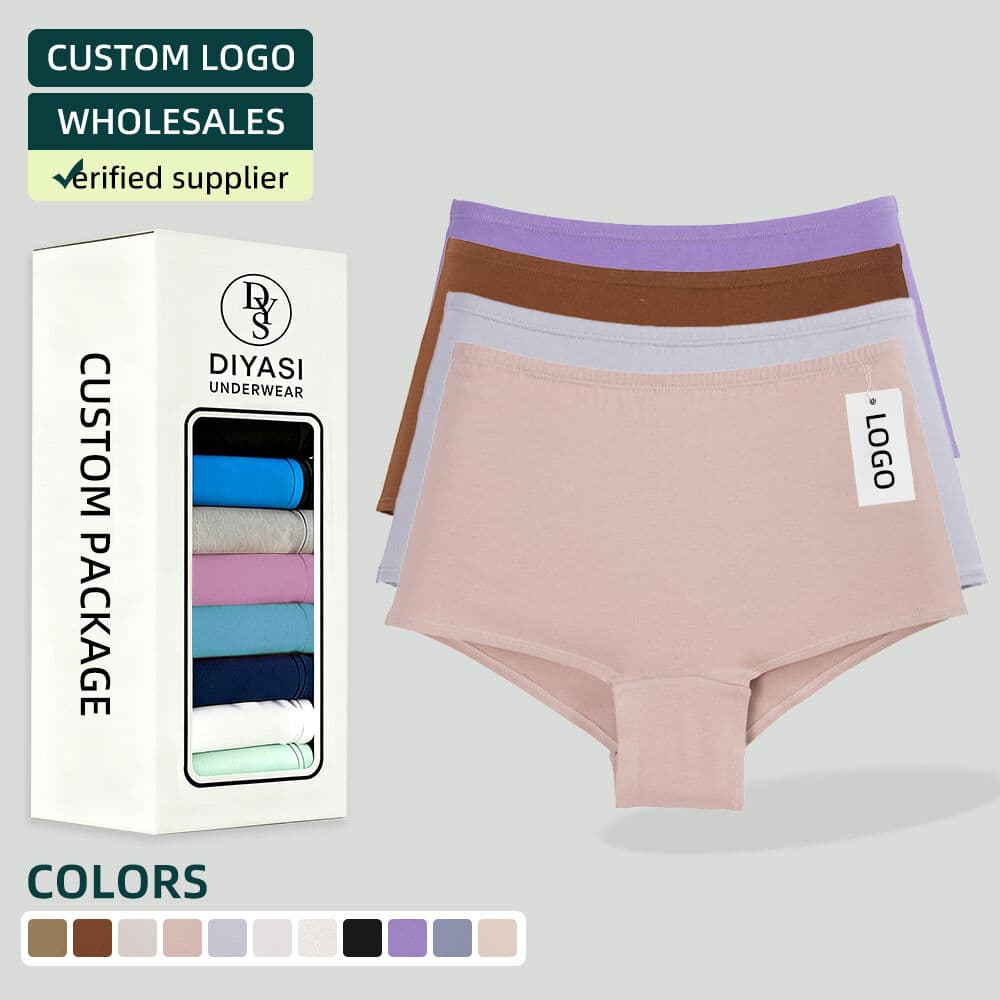
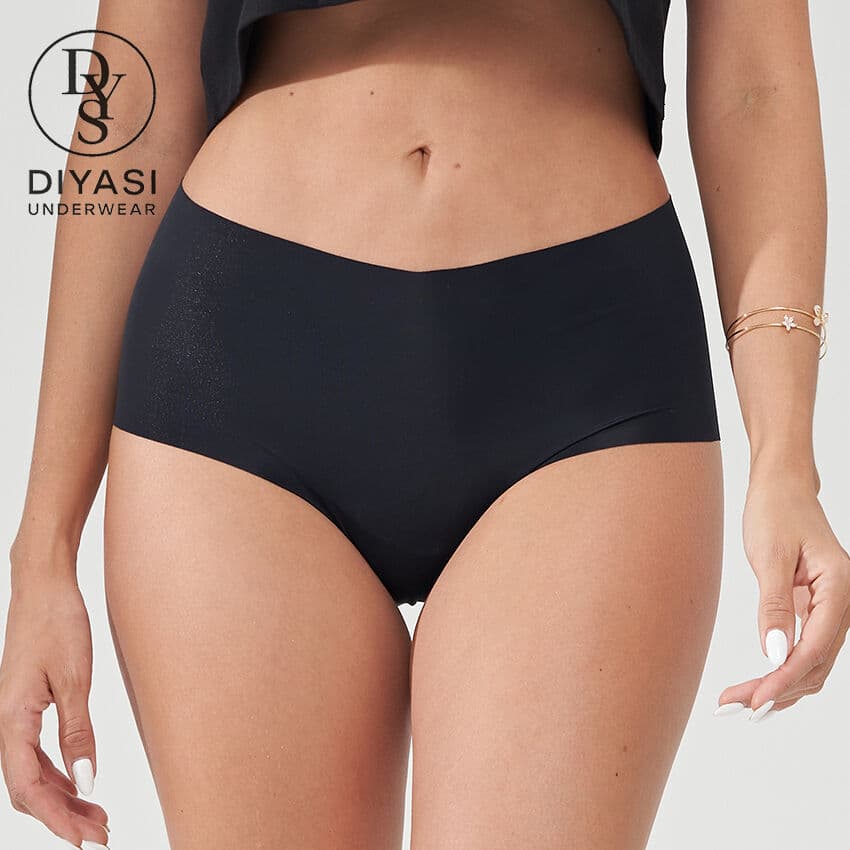
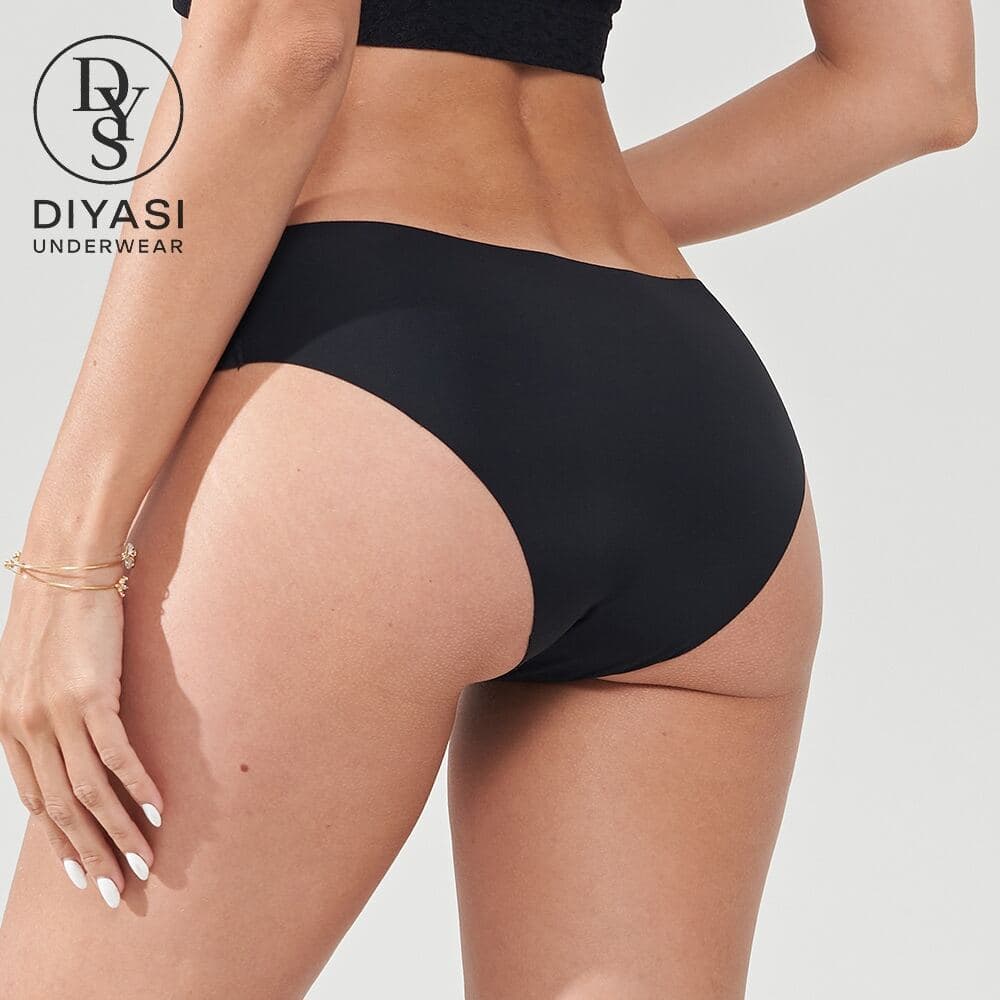
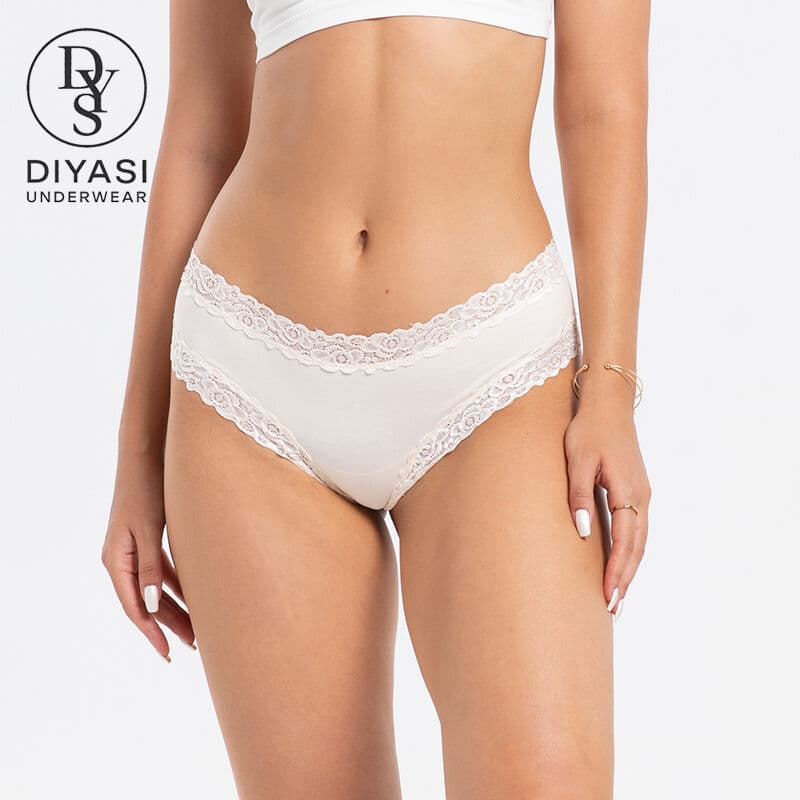
A leg opening that looks neat in a photograph may press, gape or shift when worn. For a private-label underwear order, define the intended coverage, finished opening and elastic application on a named sample. Compare feedback at the same size and under the same wear conditions before asking a factory to change tension. DYS206, DYS219 and DYS214 show different bikini, high-leg and boyshort shapes; they are starting references, not proof that one elastic setting works for every silhouette.
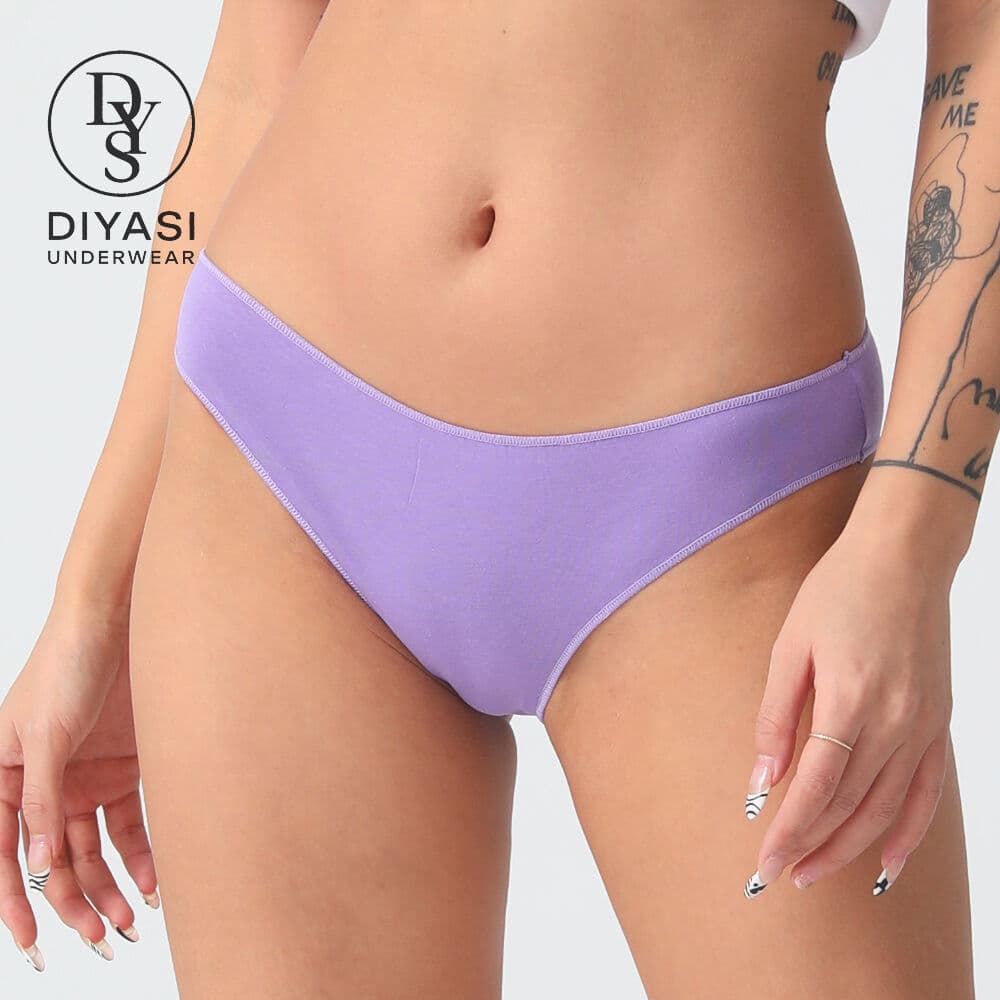
Describe the opening before discussing comfort
Record the model, sample size and intended leg line. Mark the front and back points where the opening should sit, then note the finished opening measurement and how the elastic is enclosed or exposed. A high-leg brief may place the edge differently from a boyshort even when both are labelled the same size. The pattern and fabric must be reviewed together with the elastic.
Ask the maker which measurement is taken with the garment relaxed and which is taken under a stated extension. Do not substitute a supplier's unstated stretch percentage for a fit trial. If the edge digs in, note the exact area and wearer position; if it gaps, note whether the issue appears at the front, seat or both. Photos with the wearer's permission can make corrections clearer.
| Review point | Record on the sample | Decision it supports |
|---|---|---|
| Leg line | Front and back placement | Coverage and silhouette |
| Finished opening | Size and measurement method | Pattern comparison |
| Elastic application | Width, position and finish | Construction approval |
| Wear feedback | Pressure, movement and gaps | Targeted revision |
Test the selected size range, not only one sample
Review at least the sizes that best reveal the fit risk in your proposed range. A comfortable middle size does not establish that the smallest or largest size has the right leg-opening balance. Keep the wearer profile and trial method consistent, and record each observation against the sample version. If the same issue recurs, ask whether the pattern grade, elastic cut length or material recovery needs review.
The DYS206 bikini, DYS219 high-leg brief and DYS214 boyshort have distinct leg shapes. Their catalogue descriptions do not publish leg-opening measurements or elasticity. Request the exact specifications for the chosen model and approve a physical sample rather than transferring a measurement from one shape to another.
Close the change before bulk production
A revision request should identify the sample version, the location of the problem, the proposed change and the expected result. Compare the revised sample against the original under the same conditions. Check that changing the leg edge has not altered coverage, side-seam position or the appearance of a matched waistband.
Put the accepted pattern, material, elastic details and finished measurements into the production specification. Define who signs off size-set samples and how an out-of-tolerance opening will be handled. This turns subjective wear feedback into a repeatable inspection reference without pretending that a single fit claim applies to every customer.
Common buyer questions
Can a photo prove the elastic is comfortable? No. It can show placement and finish, but pressure and movement need a wearer trial on the actual size and fabric.
Should every size use the same elastic cut length? No universal rule follows from the catalogue. Agree size-specific measurements and review the grade on samples.
What should go into the approval record? Include model, sample size and version, measurement method, wearer observations, approved elastic specification and the decision owner.
Put your research to work
Compare women's underwear shapes ↗Review size-set samples ↗Prepare the tech pack ↗Discuss your sample ↗Product sources
Product examples refer to the linked DIYASI source specifications. Confirm the final materials, measurements and availability for your selected sample.
DYS206 original product specification ↗DYS219 original product specification ↗DYS214 original product specification ↗A starting point for your collection.
Share your selected model numbers, intended market and sample requirements with the DIYASI team.
Discuss your collection ↗