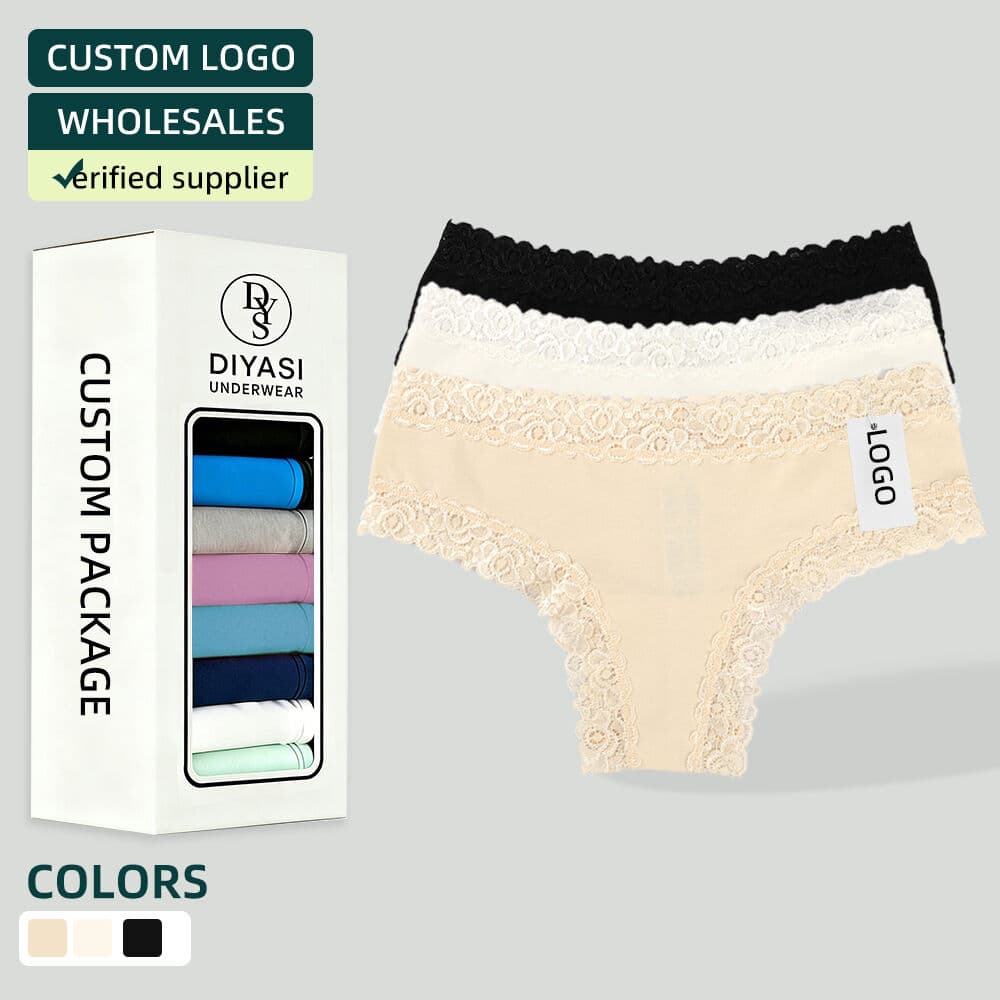
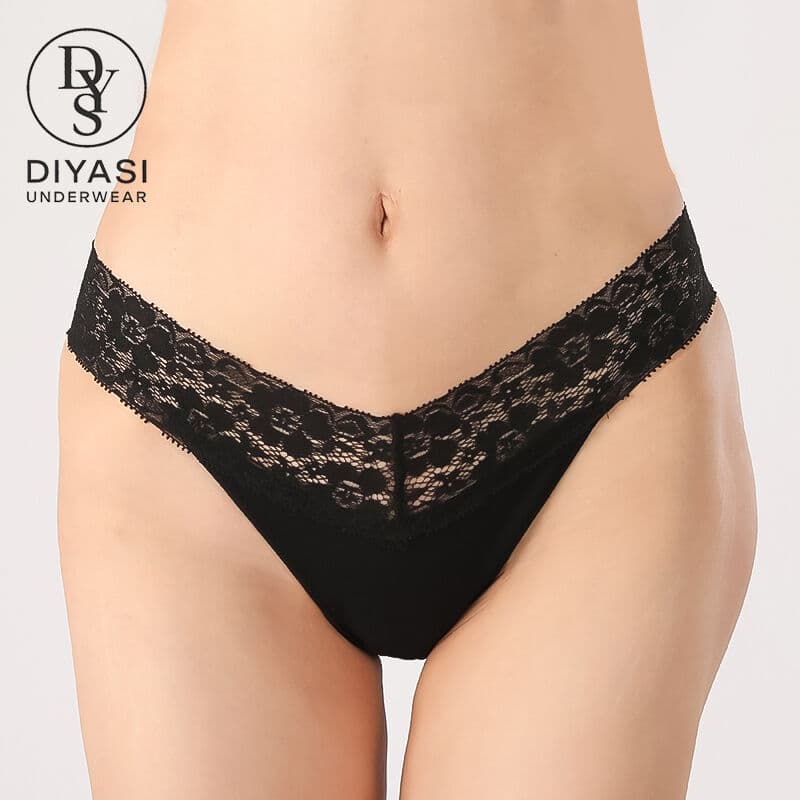
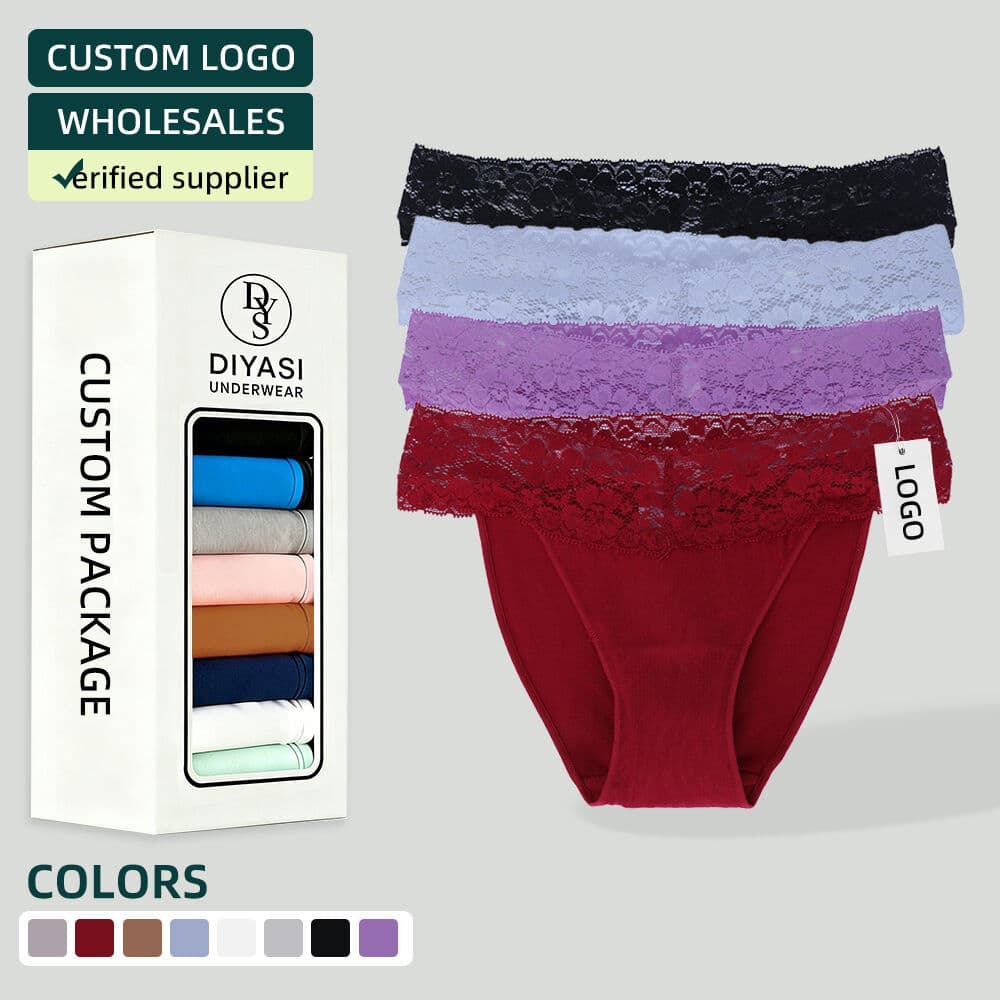
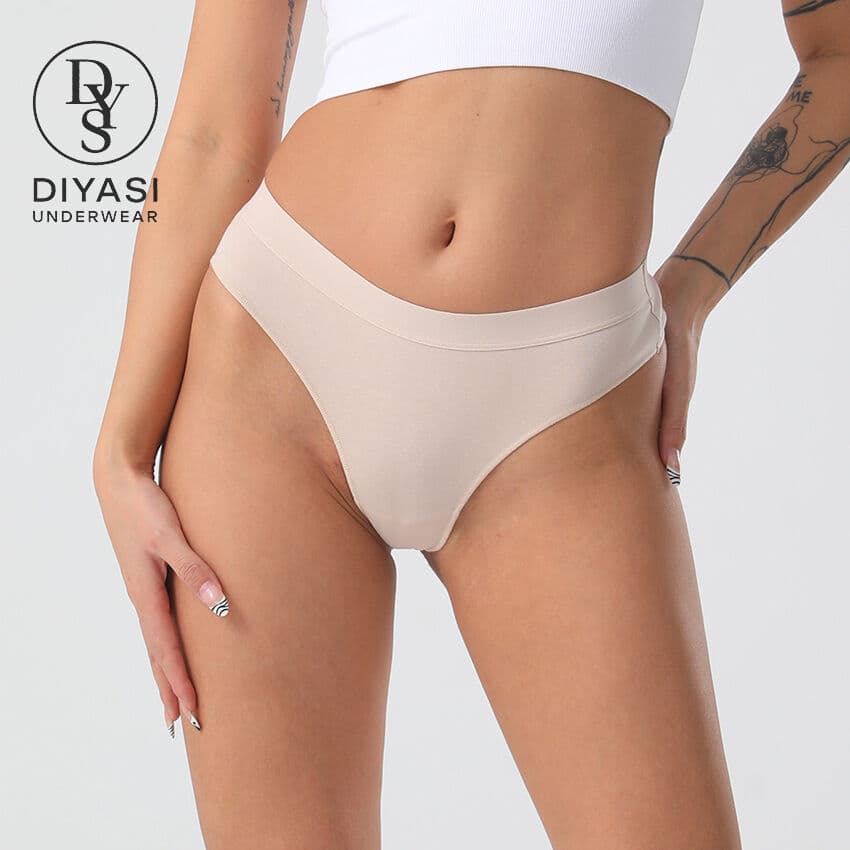
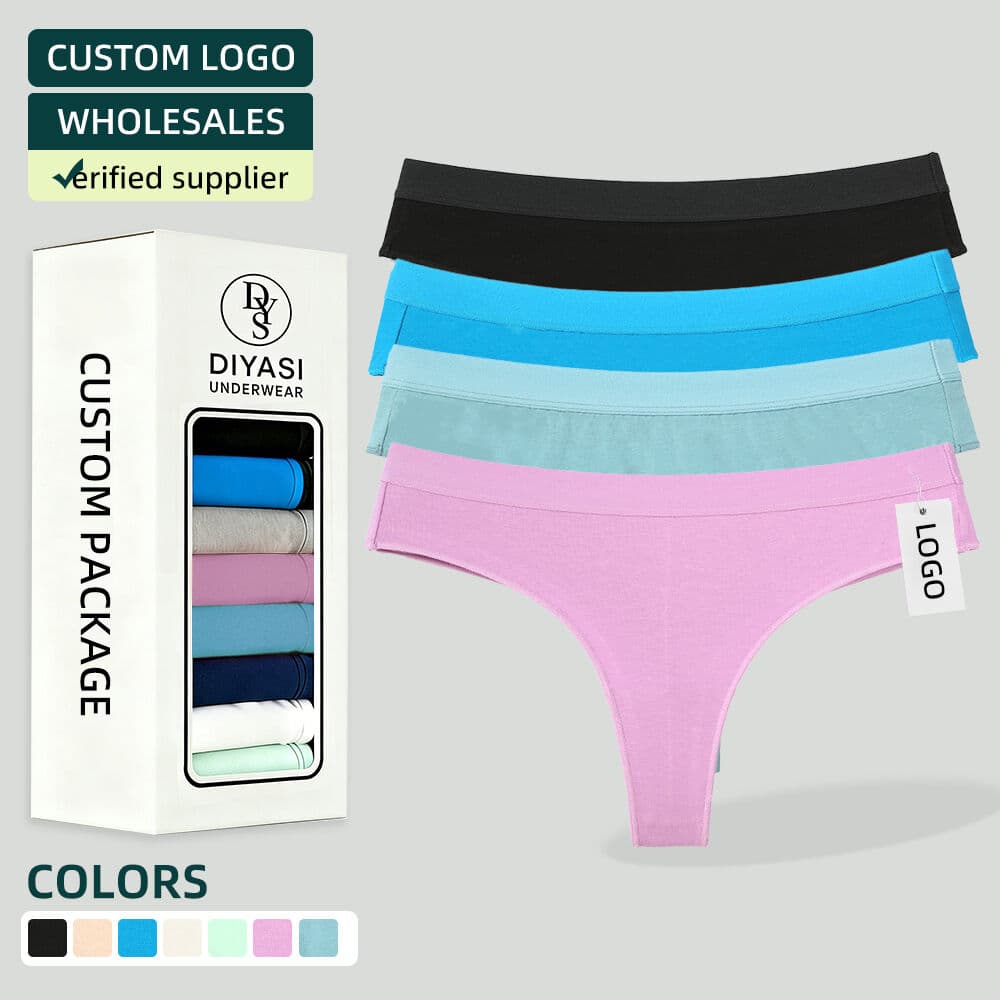
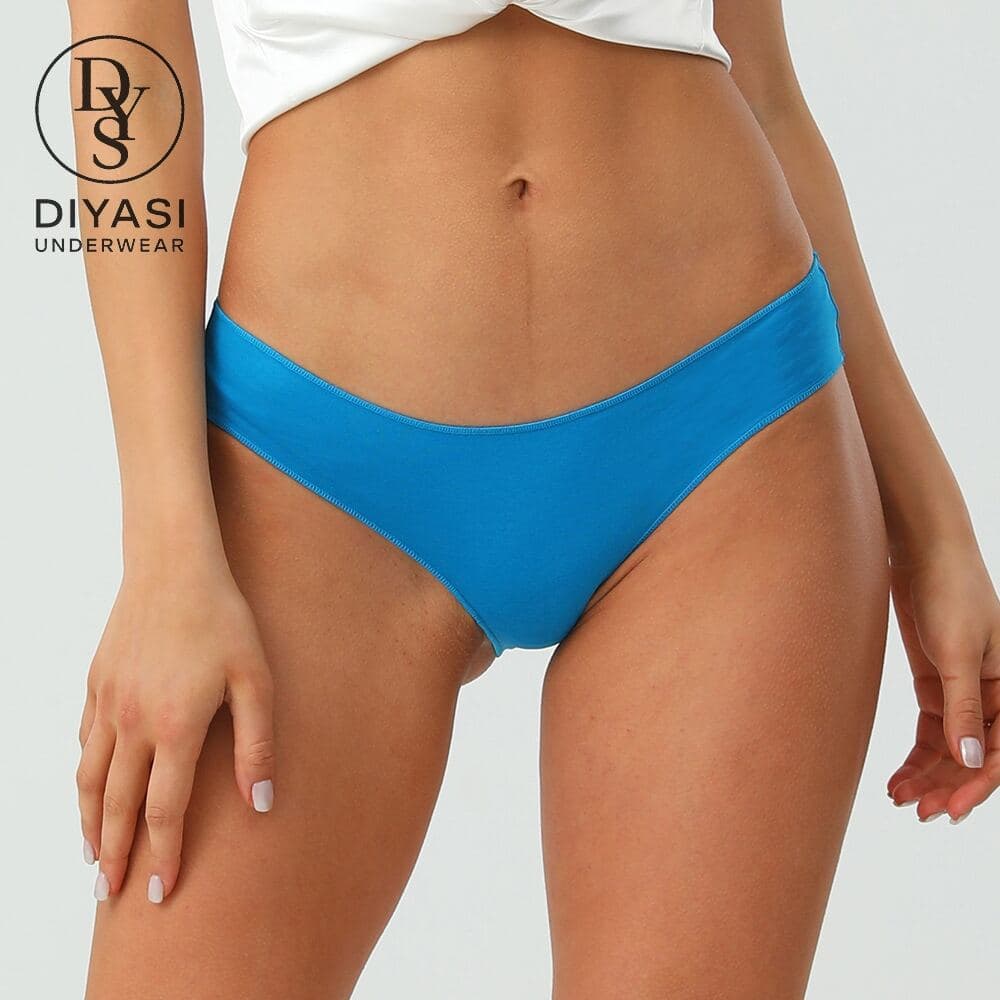
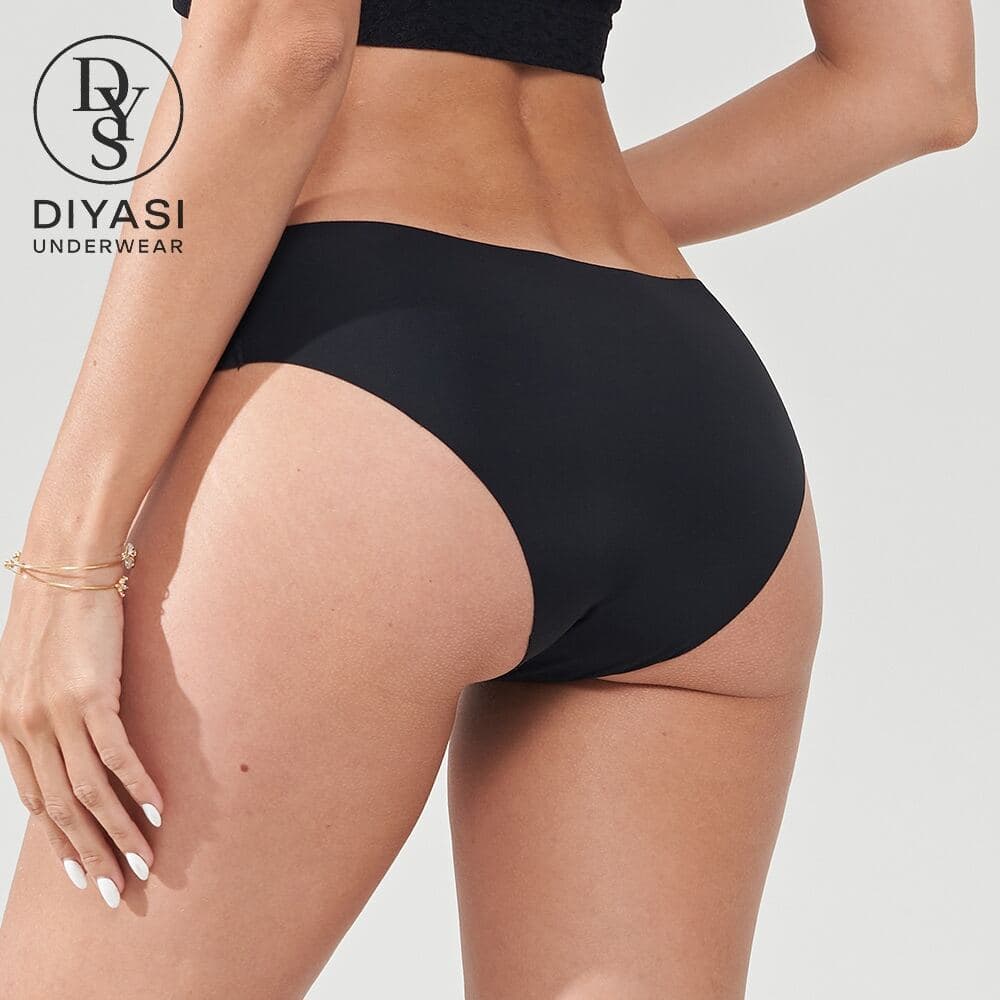
Cotton and lace can appear together in a product photo while answering different shopper needs. A buyer searching for cotton underwear may care about the body fabric; someone searching for lace underwear may expect more decorative coverage. DIYASI's LS006 and LS005-142 list cotton-spandex bodies with polyamide-spandex lace. DYS202 provides a plain cotton-spandex bikini reference. These source details let a brand explain the design honestly instead of calling the whole garment 'cotton lace' without identifying which part is which.
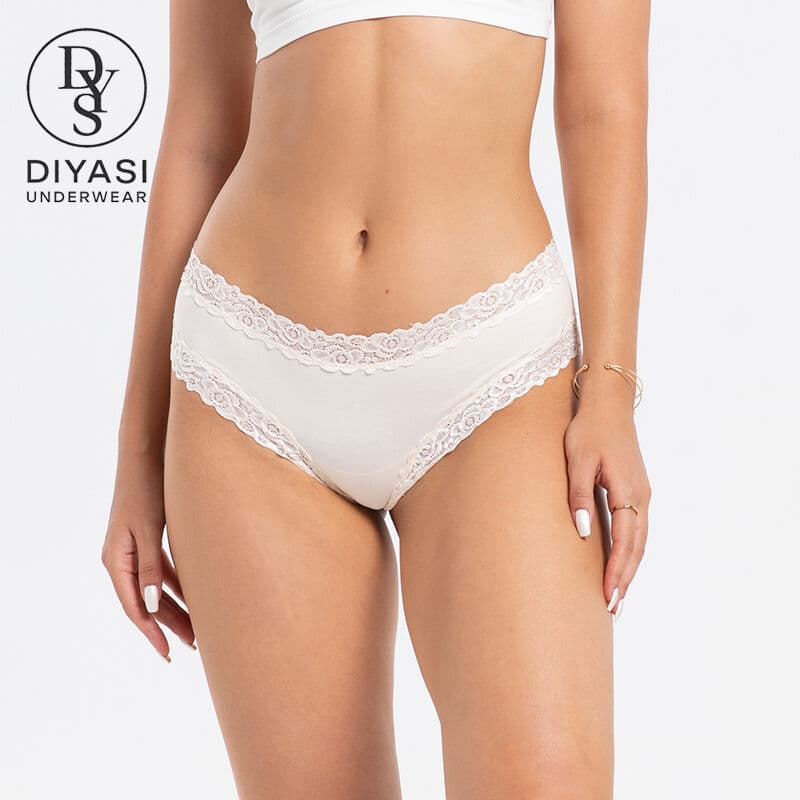
Map the body, lace and lining separately
Request a component drawing or annotated inside photo. Identify the main body, lace placement, gusset, elastic and labels. The published LS records list 95% cotton and 5% spandex for the body and 80% polyamide and 20% spandex for the lace. Confirm these details for the actual order, including any alternative trim, before preparing a fibre label.
A photograph can show that lace is on the edge, but it cannot prove how much of the garment each component represents or how it is attached. Do not use 'full lace' if the approved item has a cotton-spandex body with lace trim. A precise title such as 'lace-trim cotton brief' is easier to verify and more useful for a retail buyer.
| Component | LS006 / LS005-142 source | Copy question |
|---|---|---|
| Main body | Cotton and spandex | Is the body described correctly? |
| Lace | Polyamide and spandex | Is placement shown accurately? |
| Gusset and elastic | Confirm order details | Are labels based on final materials? |
| Plain comparison | DYS202 cotton-spandex bikini | What does lace add to the range? |
Review the visual and fit purpose of lace
A retailer might use lace at the waist, leg or side to differentiate a cotton-basic range. Each placement can affect stretch, edge feel and color matching. Compare a finished lace sample with a plain body-fabric reference under the intended wearer trial, and record where any pressure or shifting occurs. Avoid claiming improved comfort simply because the garment contains cotton.
Check whether lace and body fabric recover together after the agreed care method. If the trim changes for a new colorway, review the finished sample again. A substitute with similar color can still have a different width, stretch or texture.
Write copy that survives production changes
Keep a source-backed product name, component list and approved sample image tied to the SKU. A change in lace supplier or body fabric should trigger a review of the retail page, hangtag and care label. The terms 'cotton', 'lace' and 'seamless' should not be stacked as search keywords when the actual garment does not support all three.
Ask the factory for current material, size and color availability before presenting these as ready-to-ship options. Use the real model reference in wholesale requests so the buyer and supplier discuss the same construction.
Common buyer questions
Is lace-trim cotton underwear the same as full-lace underwear? No. The extent and position of lace differ.
Can the body composition describe the lace? No. The cited styles list different blends for body and trim.
What should accompany retail imagery? Provide the component statement, front and back views and a note when a color is only a sample.
Put your research to work
Explore lace underwear ↗Read the lace OEM guide ↗Review lace trim approval ↗Discuss a cotton-lace sample ↗Product sources
Product examples refer to the linked DIYASI source specifications. Confirm the final materials, measurements and availability for your selected sample.
LS006 original product specification ↗LS005-142 original product specification ↗DYS202 original product specification ↗A starting point for your collection.
Share your selected model numbers, intended market and sample requirements with the DIYASI team.
Discuss your collection ↗