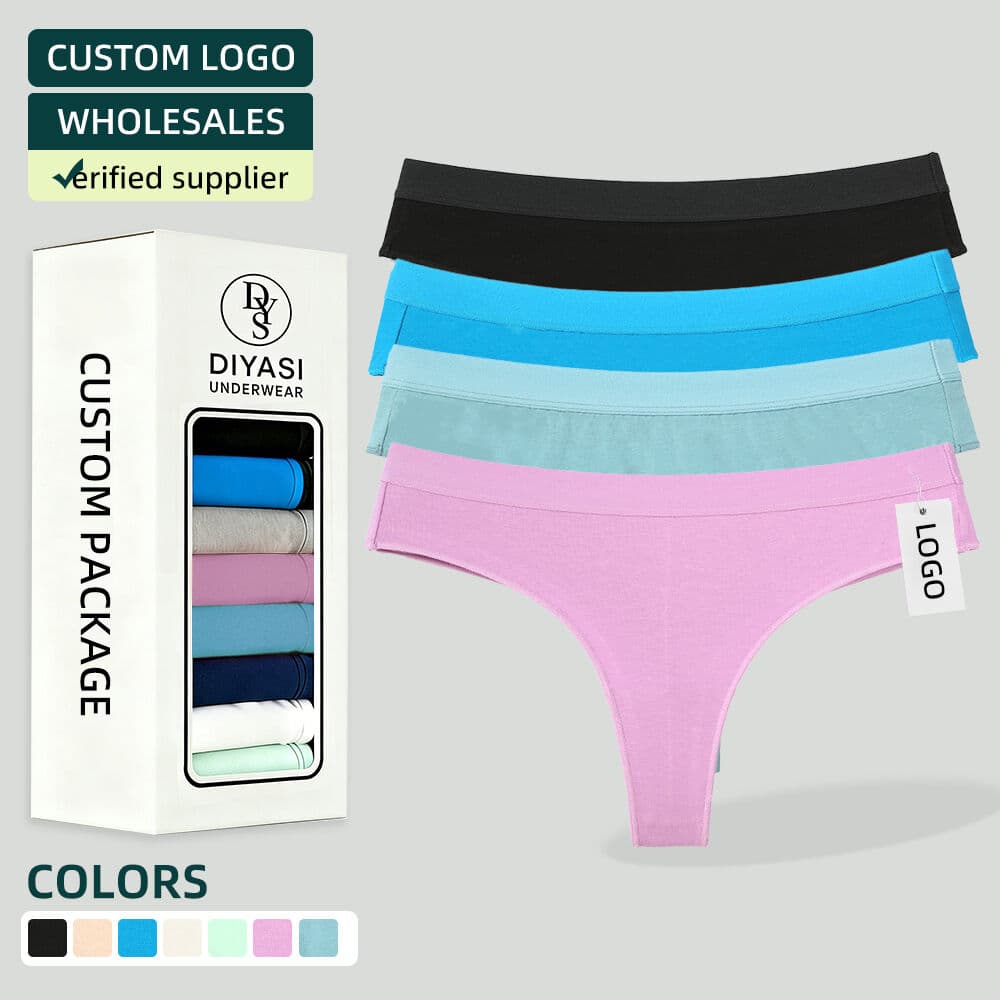
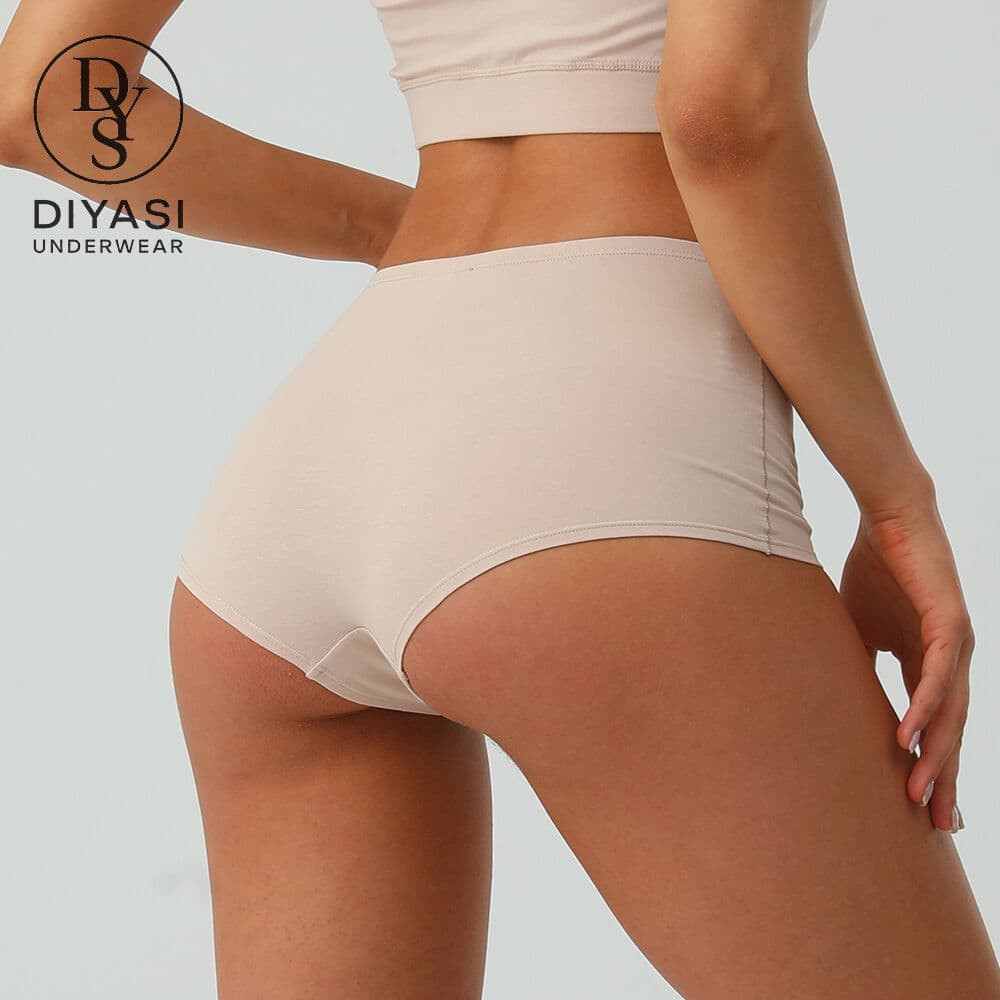
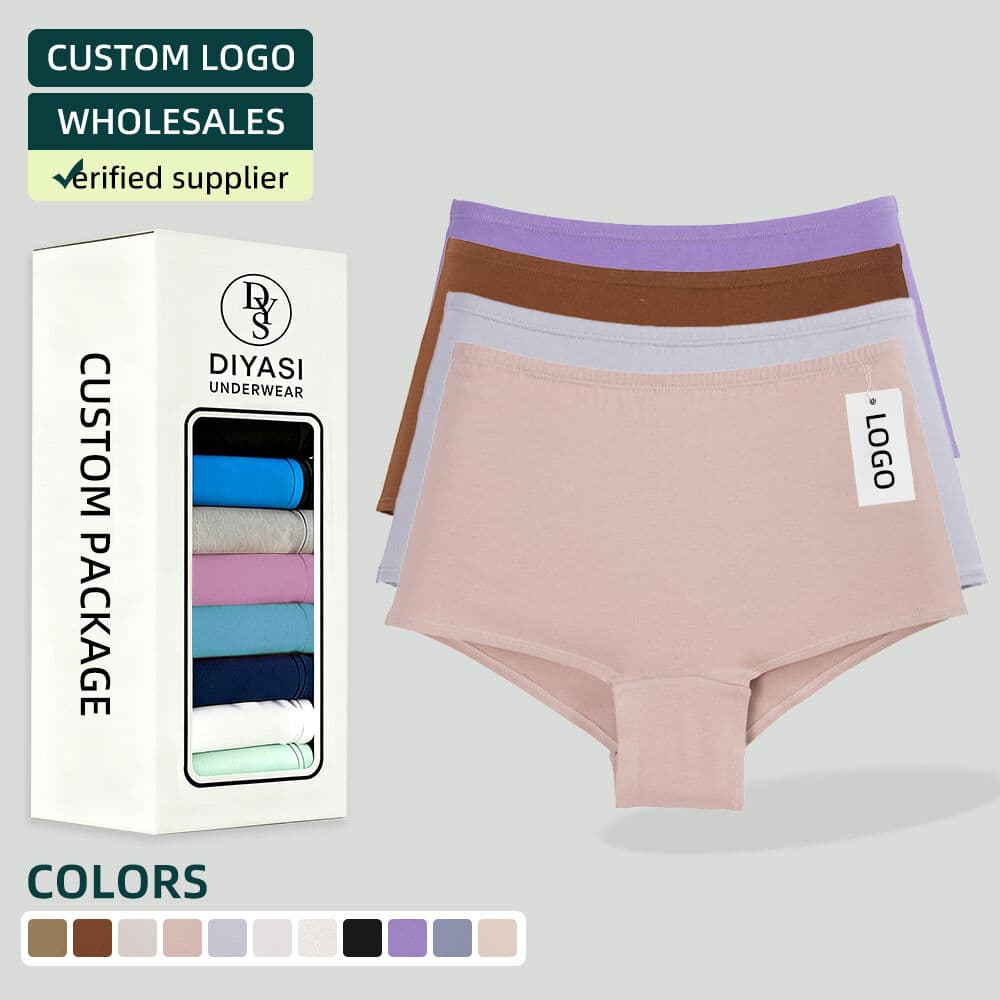
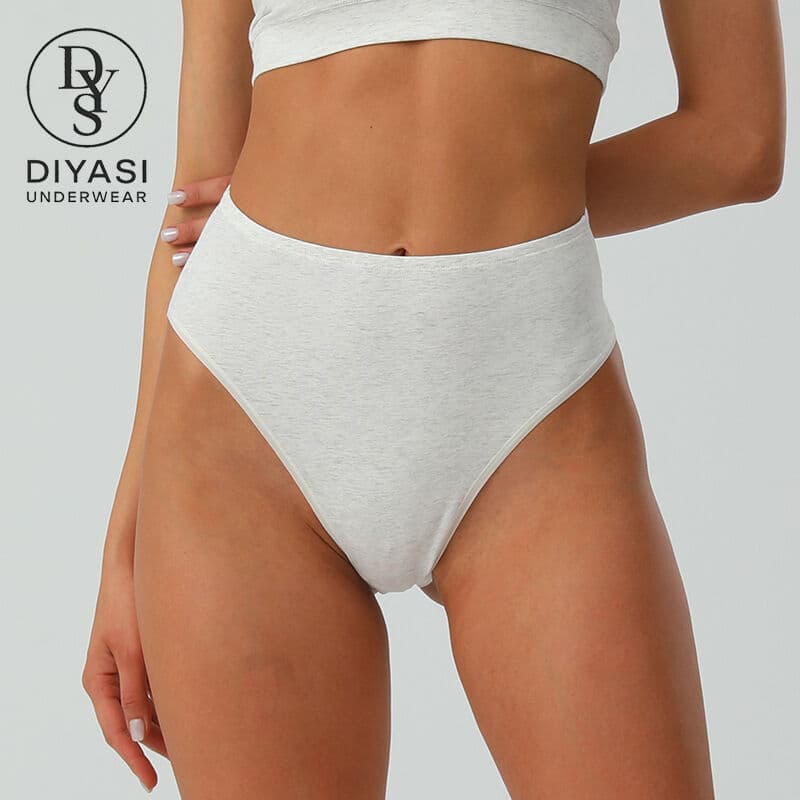
Organic cotton underwear is a visible shopper search theme, but a popular term is not evidence that a particular garment qualifies. DIYASI lists DYS202, DYS214 and DYS219 as cotton-spandex products; their current public records do not establish organic status. A brand exploring an organic option should treat it as a separate sourcing project: define the claim, confirm the fibre and certification scope, approve the actual material, and keep records that connect the claim to the order.
Define exactly what would be organic
Ask whether the proposed claim concerns cotton fibre in the body, all textile components, a finished garment or a certified supply chain. A cotton-spandex body still contains spandex, and trims or elastic may have other materials. The wording on a product page should match the portion and scope that the evidence actually covers. 'Organic underwear' and 'made with organic cotton' are not interchangeable descriptions.
Do not assume a fabric swatch or an unrelated supplier certificate covers the order. Request the relevant standard, certificate holder, validity, material transaction evidence and the link to the exact lot. The buyer should check the standard owner's current labeling rules and obtain a compliance review for the target market before printing hangtags or advertising copy.
| Claim element | Evidence to request | Risk if absent |
|---|---|---|
| Fibre source | Material and supplier records | Unverified organic origin |
| Order trace | Lot and transaction documents | Certificate cannot be tied to goods |
| Component scope | Body, gusset and trims list | Whole-garment overclaim |
| Label use | Current standard rules and approval | Unapproved certification wording |
Separate sustainability interest from available stock
A source page that lists standard cotton-spandex styles is a useful pattern reference, not proof that organic material is available in its stock colors. Ask the factory whether a new material can be sourced for the selected model and what quantity, sampling and timing changes that would require. Do not advertise a new material until a sample and commercial plan have been approved.
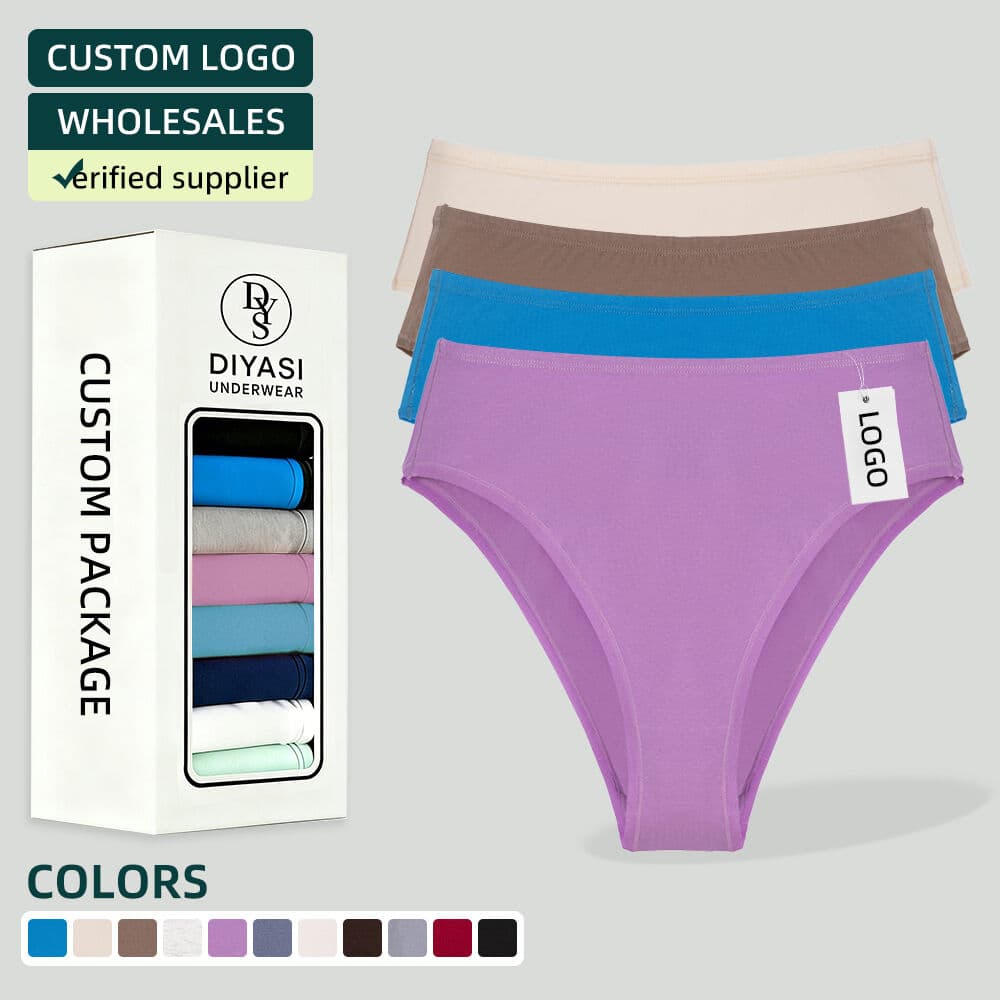
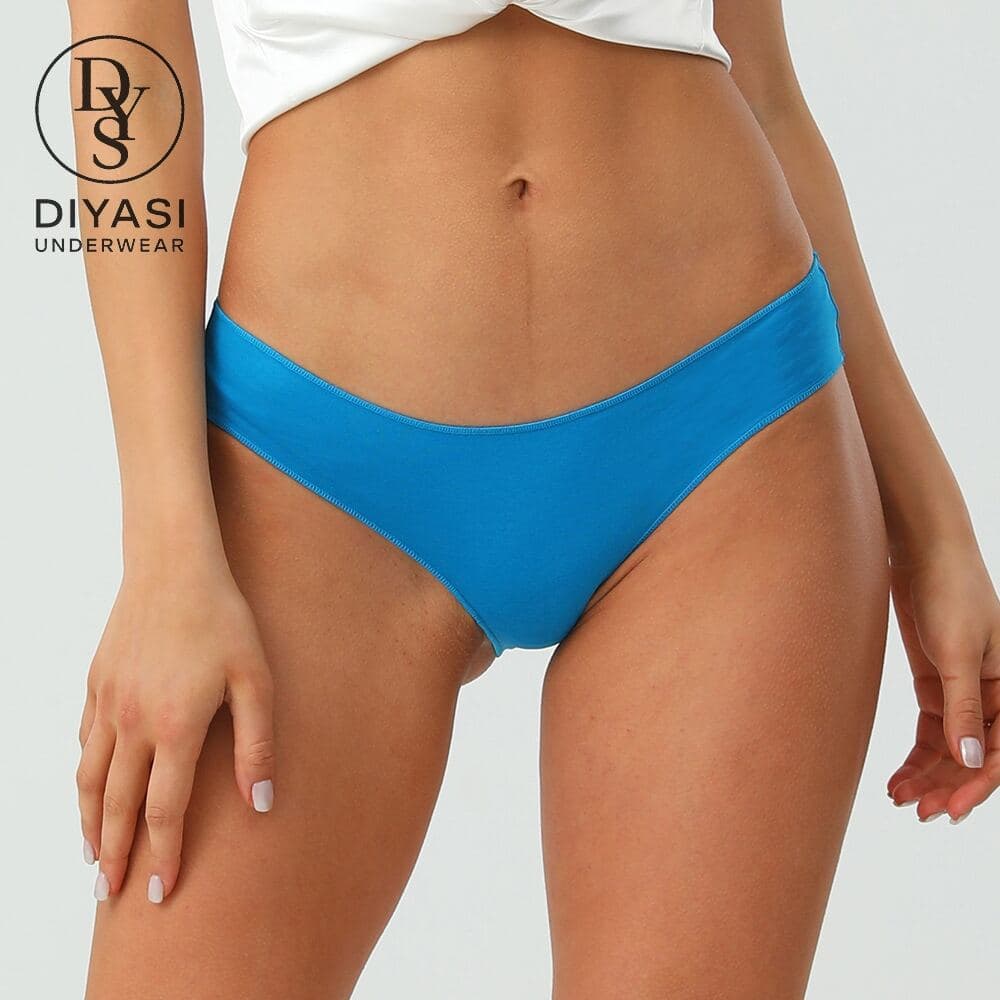
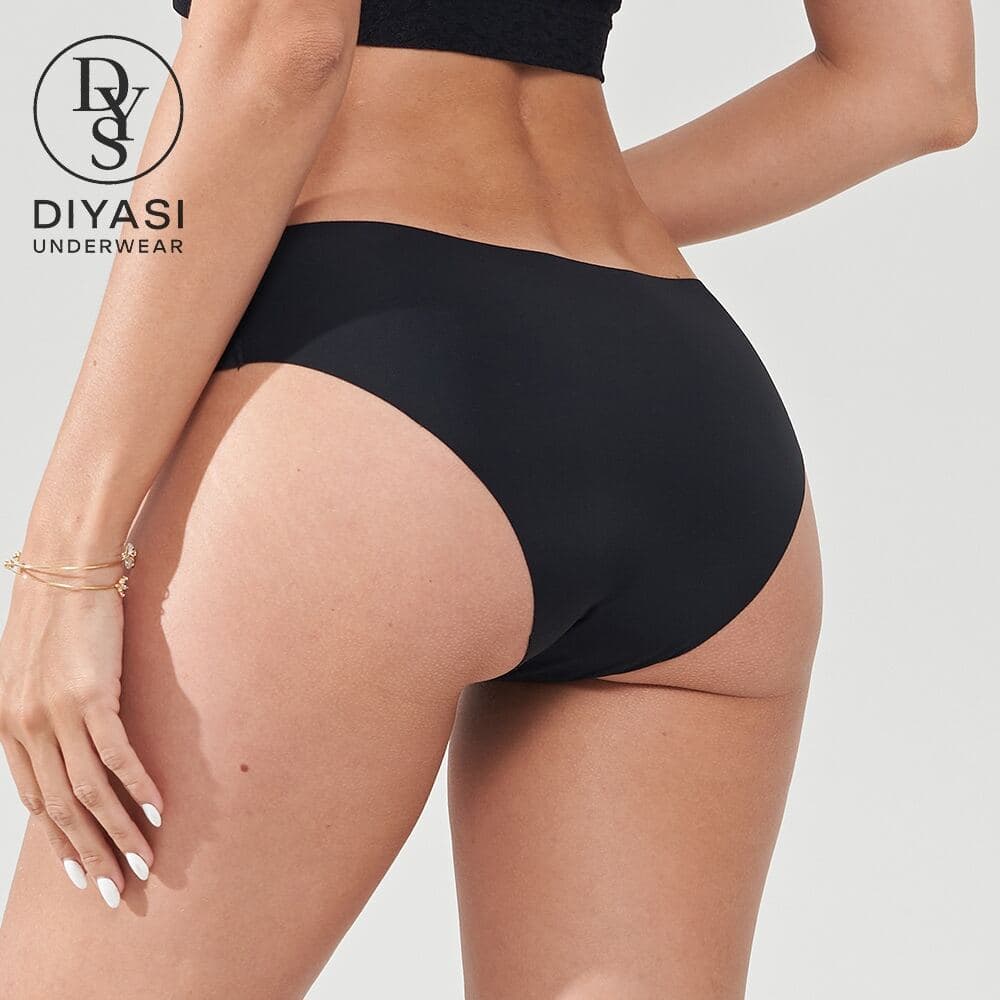
DYS202 is a bikini, DYS214 a boyshort and DYS219 a high-leg high-waist brief. Their different bodies can affect how a new fabric performs. Review fit, appearance and care on each intended silhouette rather than assuming an approved swatch transfers to every pattern.
Keep public copy narrower than the evidence
If evidence supports only organic cotton content in one component, name that component and avoid implying the entire product is certified. If the paperwork is incomplete, use the verified cotton-spandex specification and describe any organic development as an inquiry option only. A search trend does not justify an unsupported environmental claim.
Preserve the certificate version, transaction records, approved sample and final label proof with the order. Review future reorders separately if the supplier, lot or component changes. This makes a claim traceable long after the initial sample presentation.
Common buyer questions
Are DIYASI's listed cotton styles already certified organic? The current public product records do not establish that; request order-specific evidence.
Can a supplier's general certificate cover every style? Only the relevant scope and transaction records can answer that for a particular order.
Should a brand use a certification logo immediately? No. Check the standard owner's permission and labeling rules before artwork approval.
Put your research to work
Explore cotton styles ↗Review material-claim discipline ↗Read responsible sourcing notes ↗Ask about a documented material option ↗Product sources
Product examples refer to the linked DIYASI source specifications. Confirm the final materials, measurements and availability for your selected sample.
DYS202 original product specification ↗DYS214 original product specification ↗DYS219 original product specification ↗Further references
FTC environmental claims summary (US) ↗A starting point for your collection.
Share your selected model numbers, intended market and sample requirements with the DIYASI team.
Discuss your collection ↗