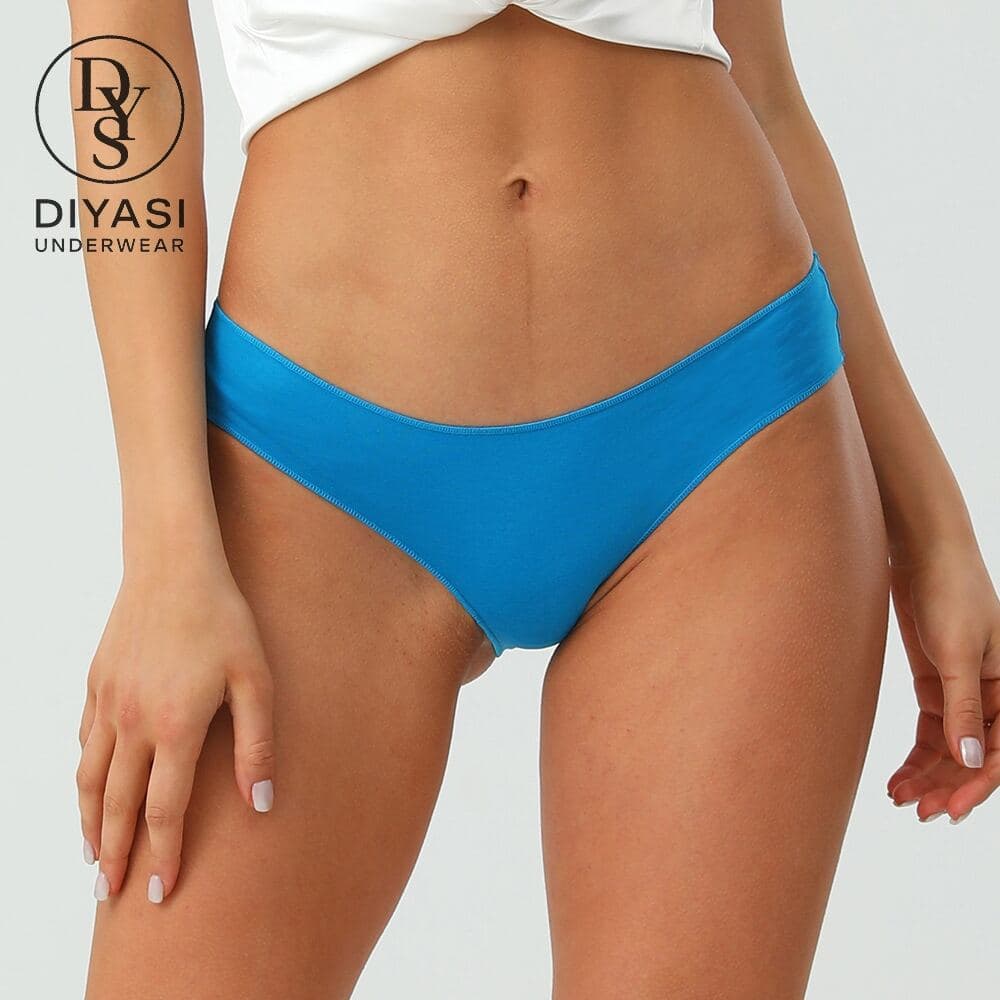
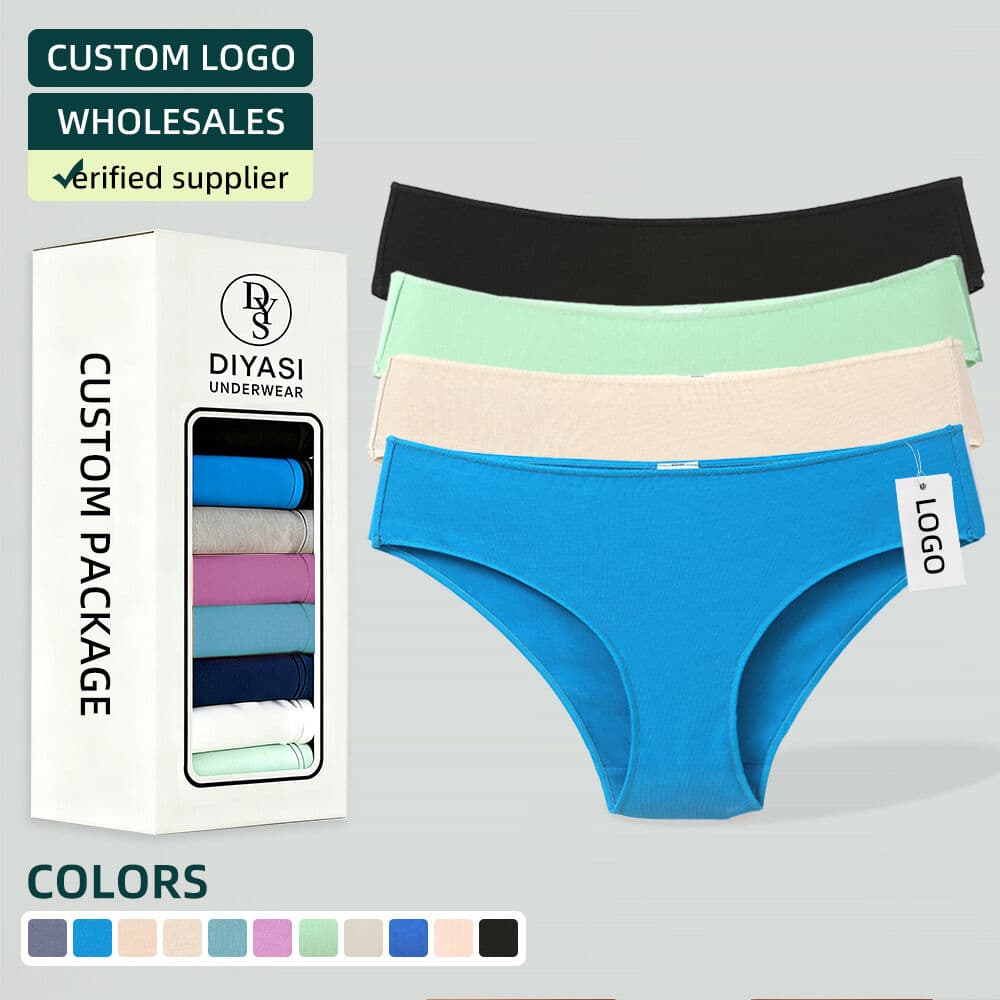
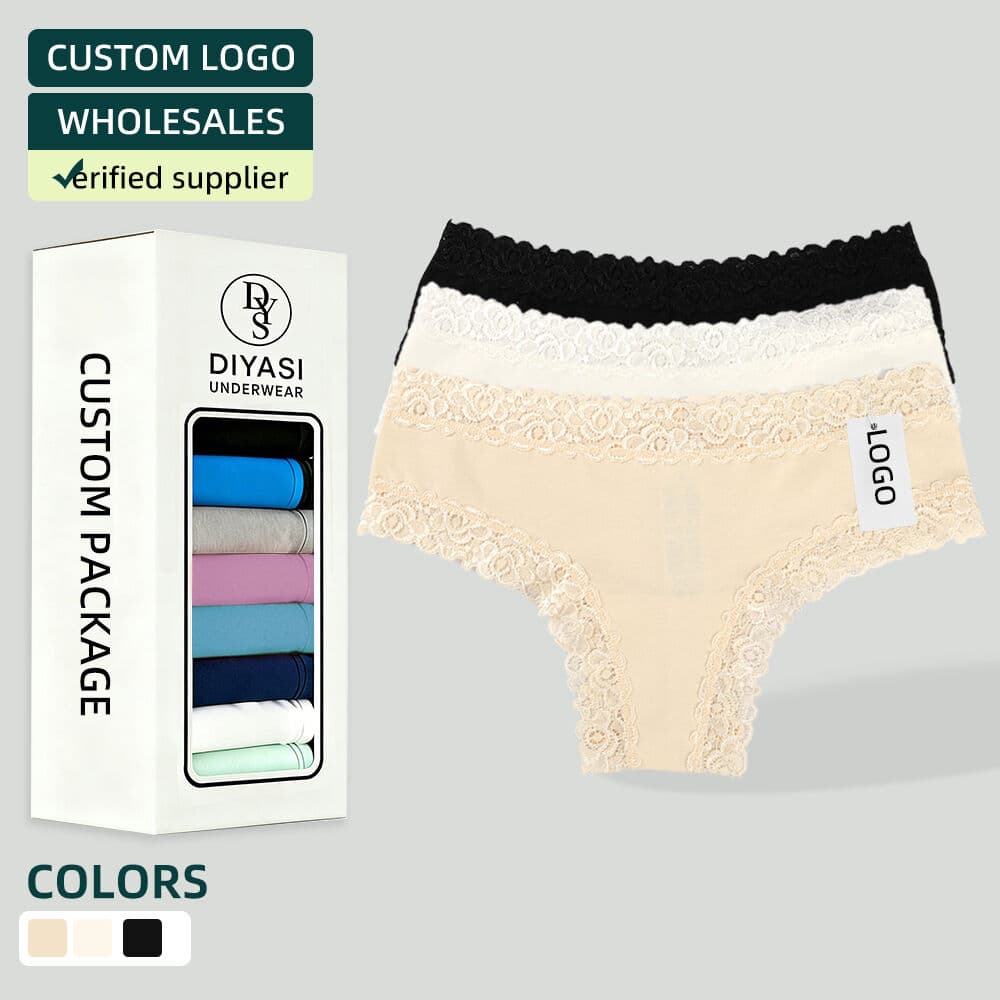
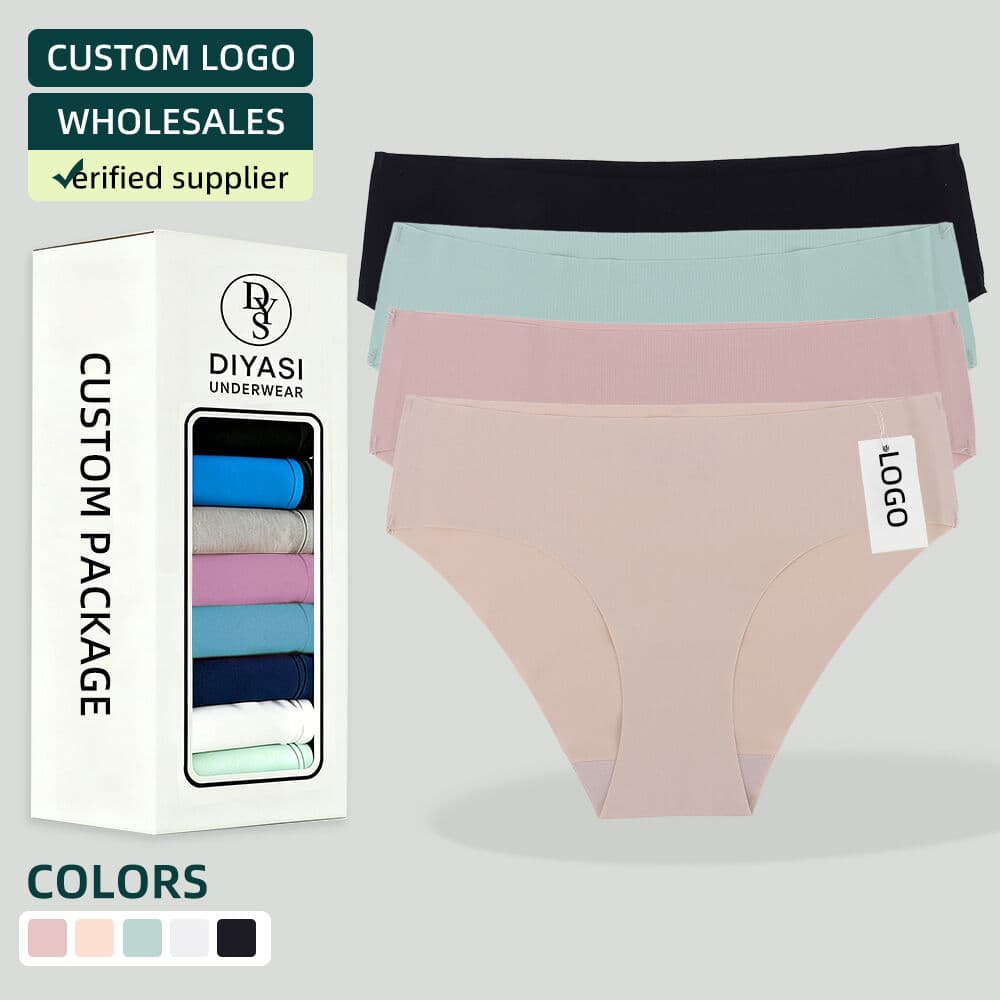
Bikini and Brazilian describe a direction for the silhouette, but the name alone is not enough to approve a product. For a buying decision, compare the actual front and back coverage, rise, side width and leg opening on the selected garments. Then review the fabric and finishing details independently.
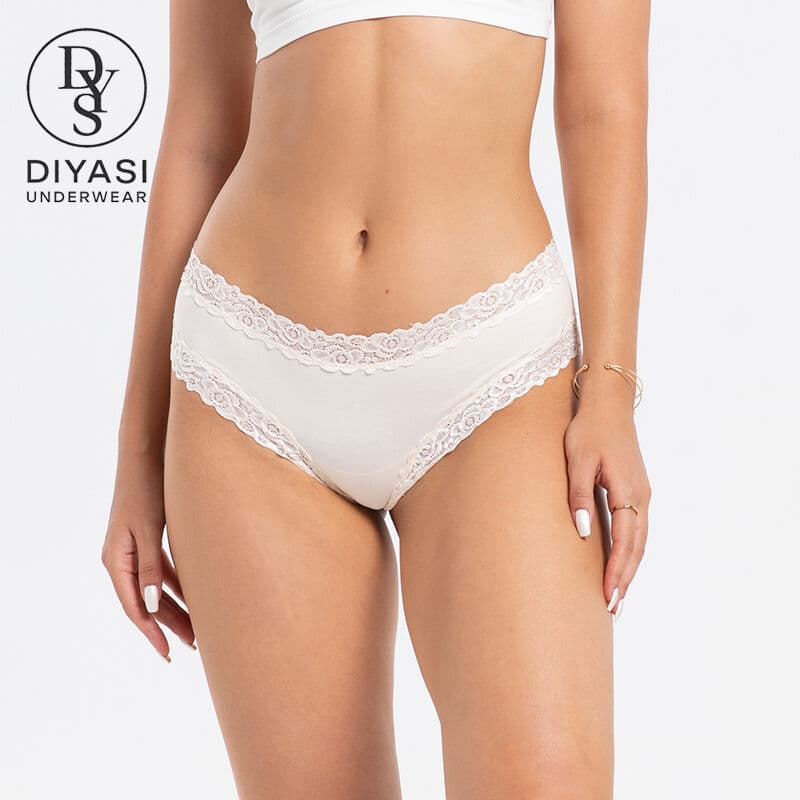
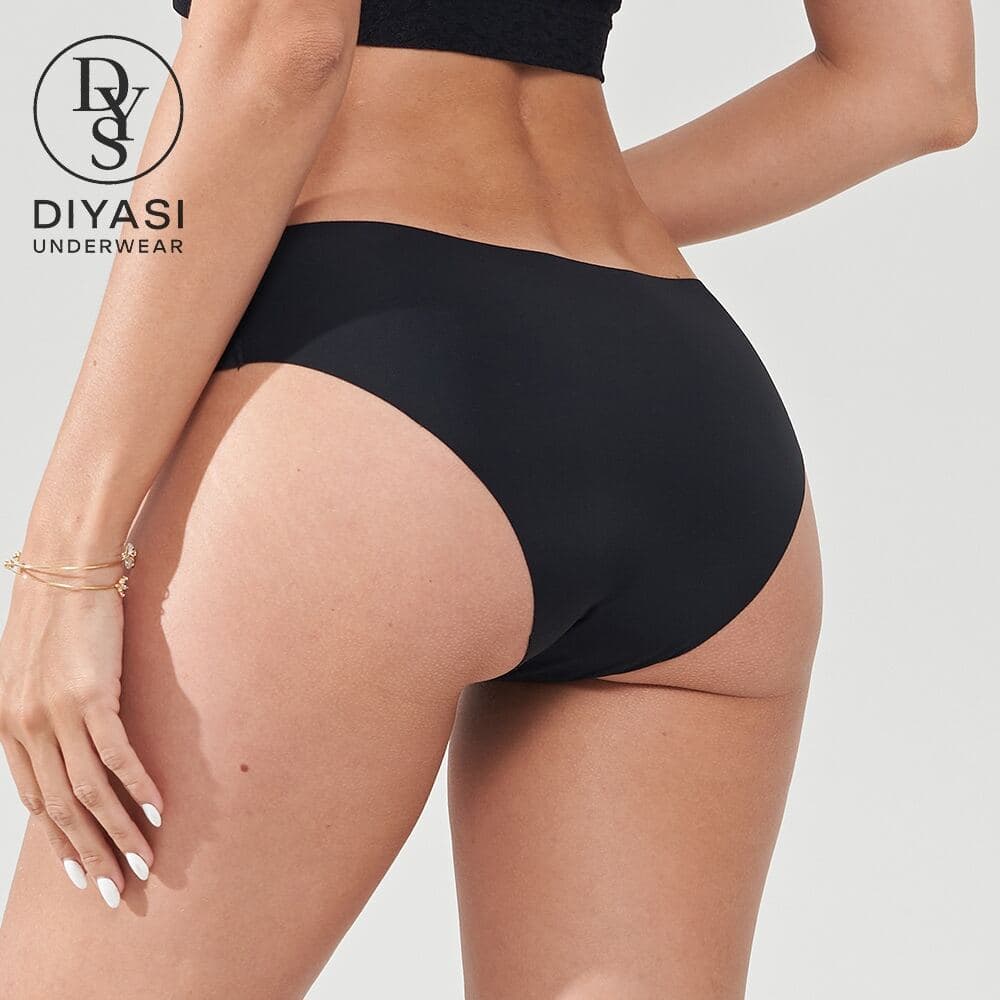
Use the back view as part of the brief
A Brazilian cut generally provides less rear coverage than a conventional bikini, although the exact shape varies between designs and suppliers. A front photograph can hide much of that difference. Include front and back references when requesting samples and identify the areas where more or less coverage is intended.
Rise is a separate choice. A lower waistband does not automatically mean a narrower back, and a higher waistband does not establish how the leg opening will sit. Record the intended rise and coverage as separate points rather than relying on one category label.
| Review point | What to record |
|---|---|
| Rear coverage | Back-view reference and the intended amount of coverage |
| Rise and sides | Waistband position, front and back rise, and side width |
| Leg opening | Shape, finishing method and fit observations on the sample |
| Gusset | Material, dimensions, placement and attachment method |
Compare the construction as well as the cut
The DIYASI catalogue provides several useful starting points. DYS201 is a bikini with a stated body composition of 95% cotton and 5% spandex. LS006 is a Brazilian brief with a 95% cotton and 5% spandex body, plus polyamide-and-spandex lace. DYS323 is also a Brazilian style, but its body is listed as 80% polyamide and 20% spandex with a cotton gusset.
This comparison separates silhouette from material. Two Brazilian briefs can use different edges, fabrics and gusset construction. Neither the name nor the fibre percentage proves how a garment will feel on a particular wearer or perform after repeated washing. Confirm those requirements through an appropriate sample review and supporting tests where needed.
Give each sample a clear purpose
For an initial range, a buyer might sample one bikini and one Brazilian to compare coverage, then decide whether an additional lace or no-show construction serves a different customer need. This is a planning option rather than a fixed recommendation for every brand.
Use the same measurement method and record the size worn for each comparison. Note any requested adjustments with marked photographs or a measurement sheet. Before asking for a production quote, identify which model and construction have been selected, which details stay unchanged and which need development. Final size allocation, colours and component quantities should be confirmed with the factory.
Put your research to work
Browse women's underwear ↗Compare seamless and no-show construction ↗Review gusset construction ↗Product sources
Specifications referenced in this article were checked against the DIYASI source catalogue on 18 September 2026. Confirm the final materials and measurements for your selected sample.
DYS201 original product specification ↗LS006 original product specification ↗DYS323 original product specification ↗A starting point for your collection.
Share your selected model numbers, intended market and sample requirements with the DIYASI team.
Discuss your collection ↗