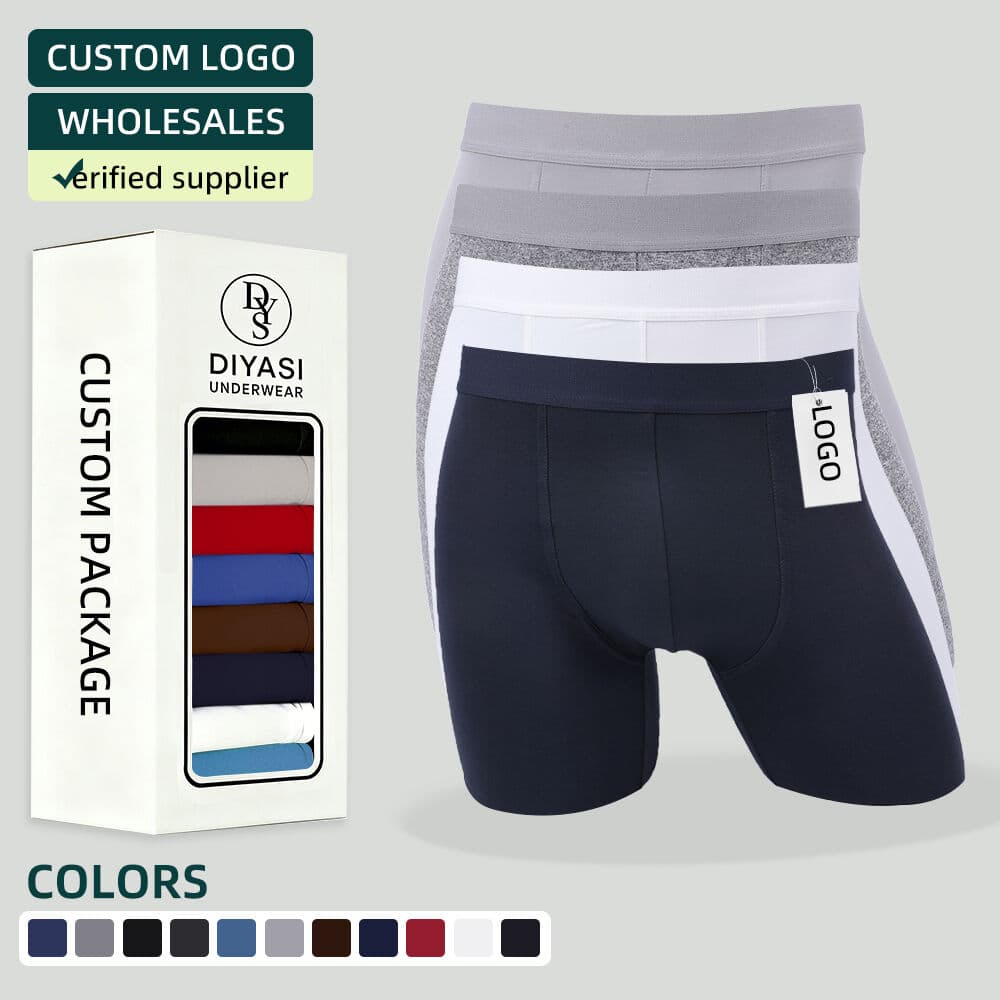
The practical starting point for choosing between trunks and boxer briefs is the intended leg length and fit. Category names vary, so a sourcing brief should specify the finished inseam, leg opening, rise and waistband rather than asking for a silhouette by name alone.
Turn the silhouette into measurable details
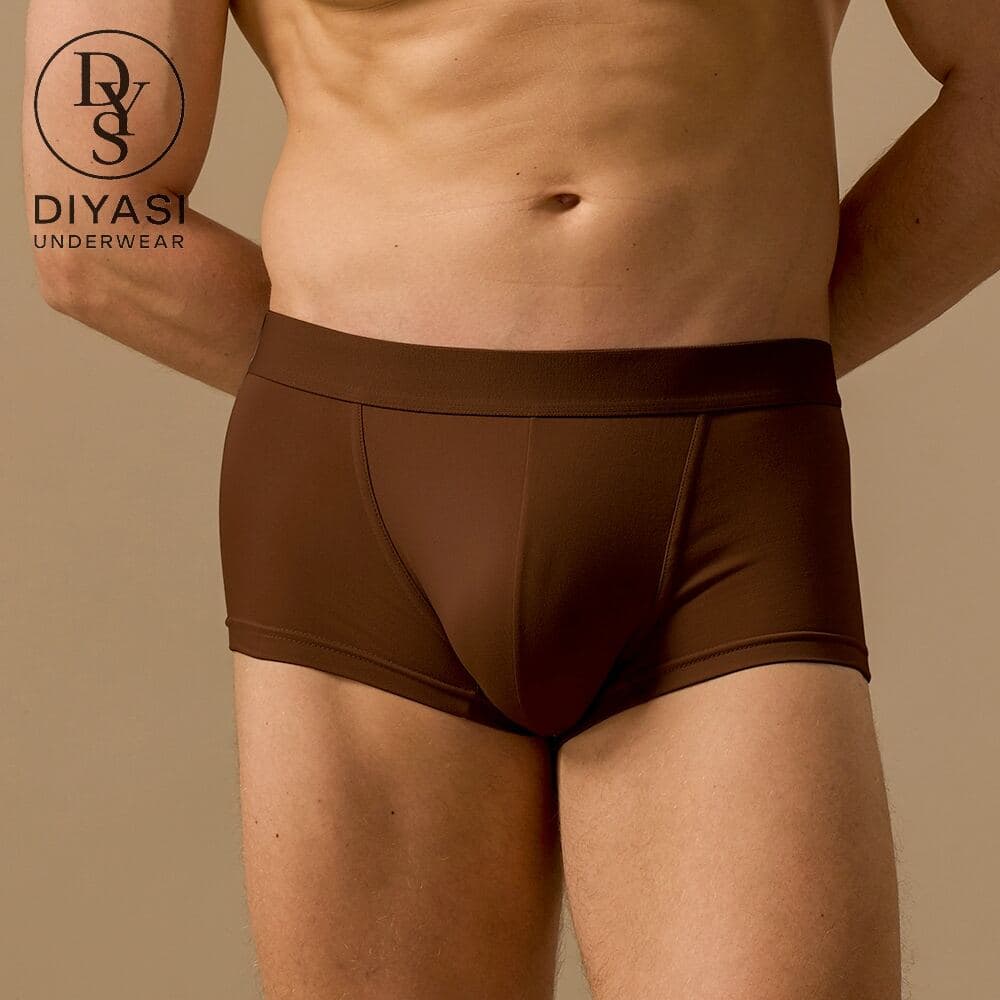
Trunks usually describe a shorter leg, while boxer briefs generally extend further down the thigh. There is no single inseam that every supplier uses for those names. Request measurements for the actual model and sample size, and agree where each measurement begins and ends.
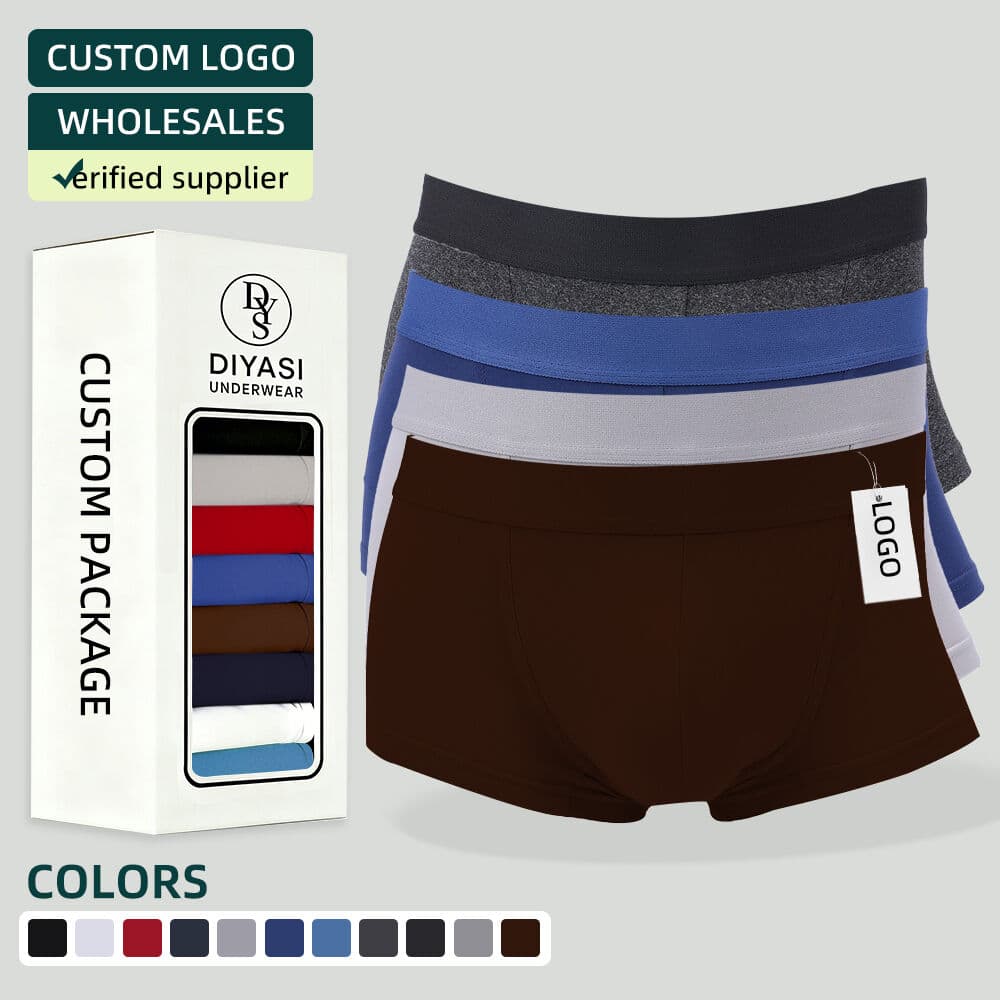
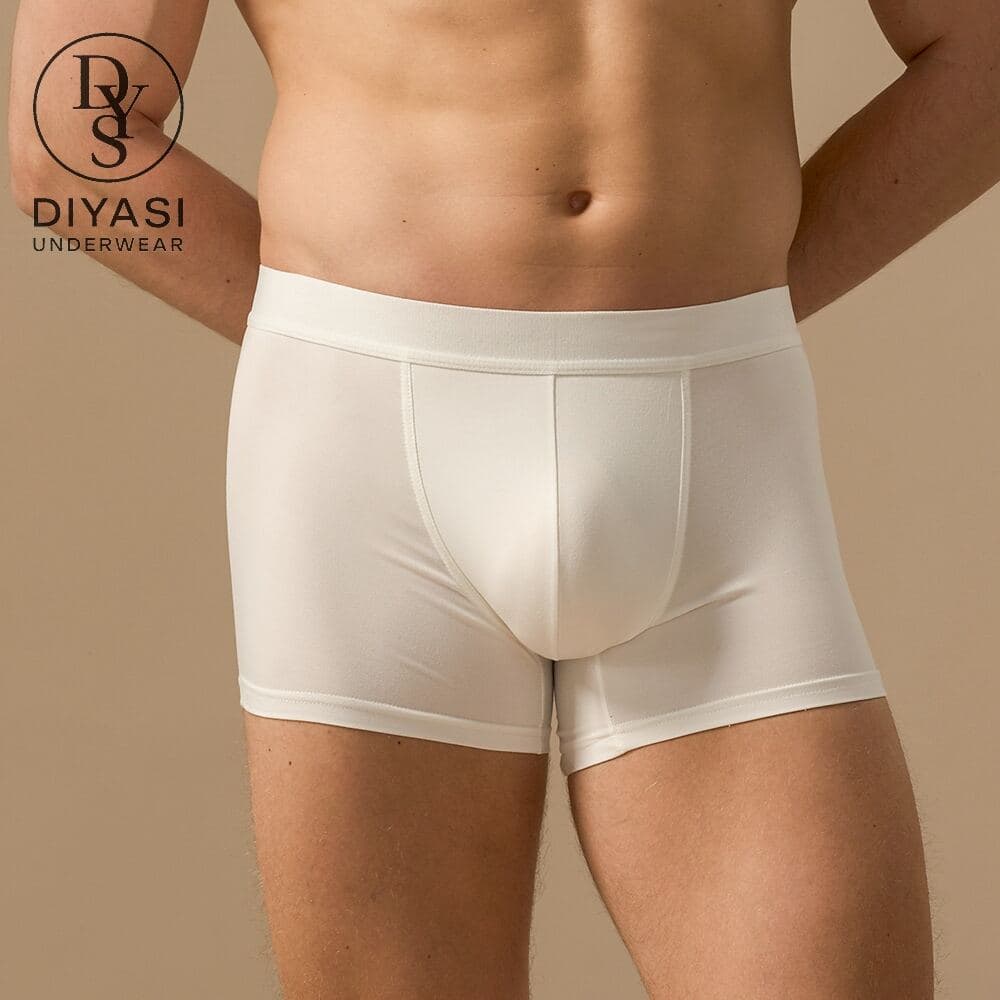
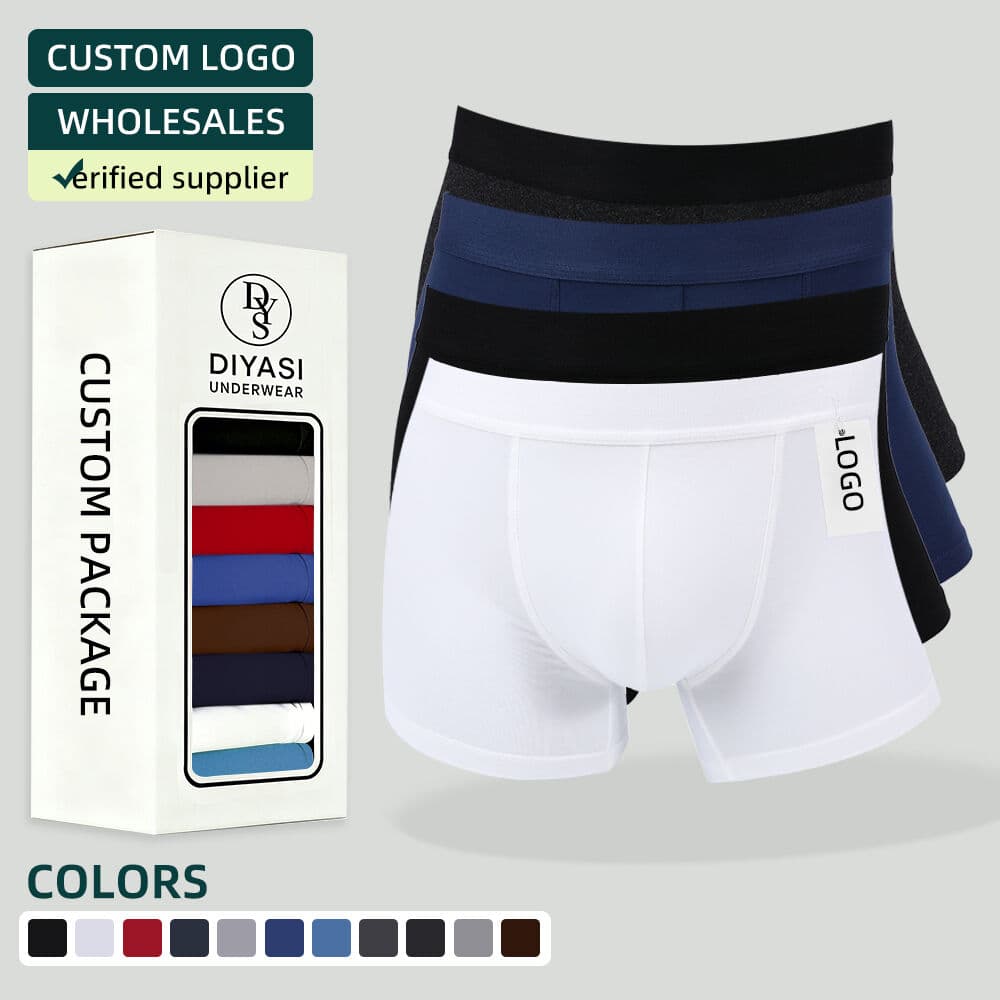
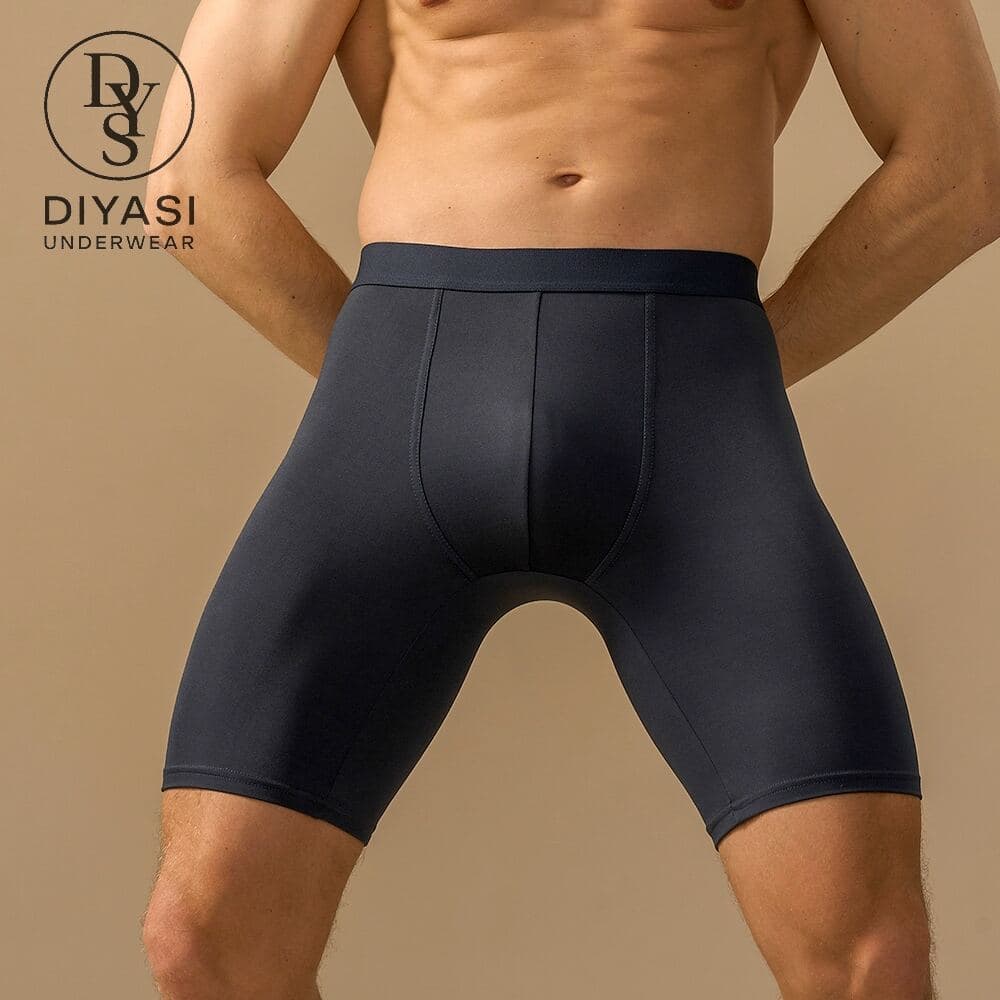
The DIYASI catalogue includes M006 as a trunk, M007 as a boxer brief and M002 as a long-leg boxer. These give buyers different starting silhouettes to discuss. Their category descriptions are not a substitute for an approved size chart or a fit assessment.
| Specification | Why it belongs in the sample brief |
|---|---|
| Finished inseam | Makes the intended leg length explicit for each size |
| Leg opening | Defines the finished opening alongside the chosen fabric and construction |
| Front and back rise | Records the intended waistband position and body coverage |
| Waistband | Identifies width, artwork, attachment and approved sample reference |
Keep body and pouch materials separate
The source specifications for M006 and M007 describe a polyester-and-spandex body with modal in the gusset or pouch area. That does not make the whole garment modal. When comparing suppliers, ask for the body, pouch or gusset, waistband and other components to be identified separately.
The same composition description can still leave important details open, including the fabric weight, knit structure, finish and exact blend. Request those details where they affect the intended product. Claims about moisture handling, support, durability or reduced rubbing need suitable evidence; they should not be inferred from the silhouette or a fibre name.
Review fit before committing to the assortment
Start a sample comparison with a consistent size reference and record the wearer's observations about the waistband, pouch and legs. If a sample rides up or feels restrictive, describe the location and conditions rather than assuming that changing the category name will solve it. The production team can then assess the relevant measurement, material or construction.
Once the fit direction is chosen, agree the size grading, colour allocation and waistband artwork. Printed and plain styles should be identified by their exact model reference, because similar model names can describe different products in a catalogue. Confirm sample charges, component minimums and production milestones in the written quotation.
Put your research to work
Browse men's underwear ↗Specify a custom waistband ↗Prepare sizes and labels for your market ↗Product sources
Specifications referenced in this article were checked against the DIYASI source catalogue on 18 September 2026. Confirm the final materials and measurements for your selected sample.
M006 original product specification ↗M007 original product specification ↗M002 original product specification ↗A starting point for your collection.
Share your selected model numbers, intended market and sample requirements with the DIYASI team.
Discuss your collection ↗