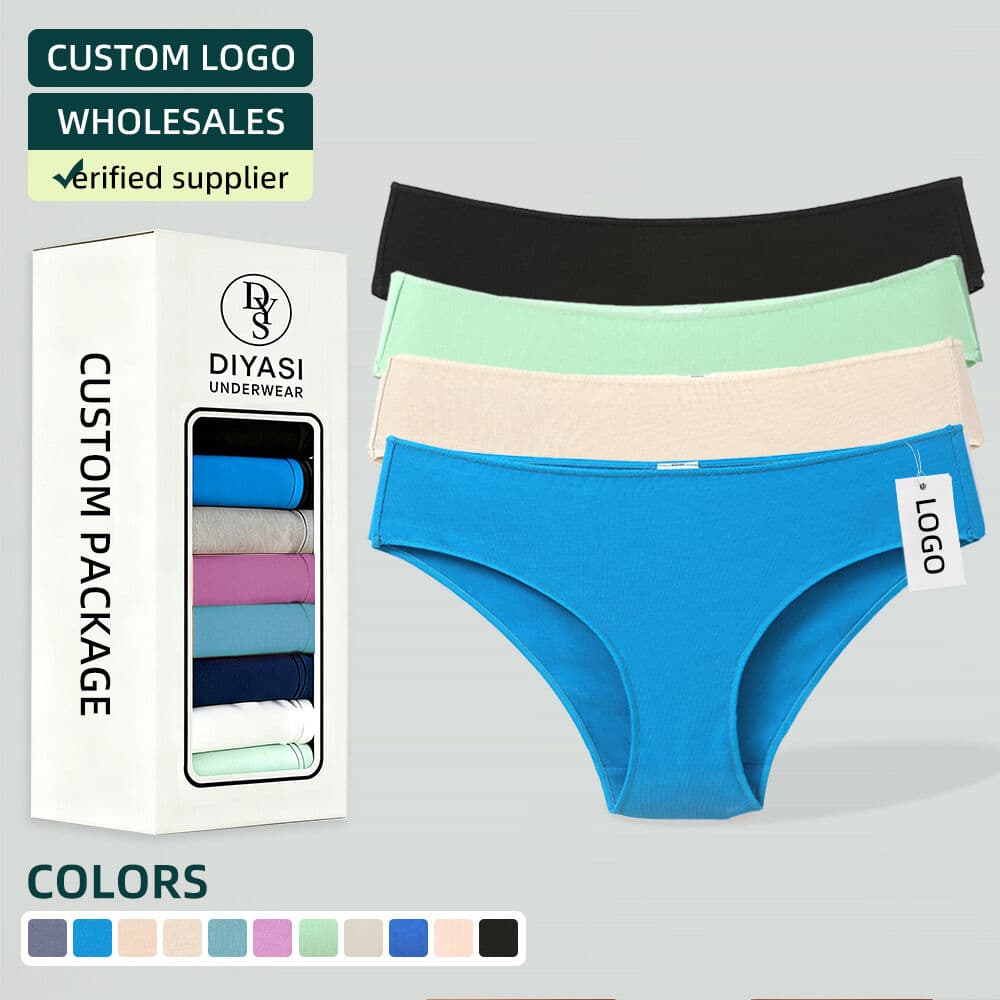
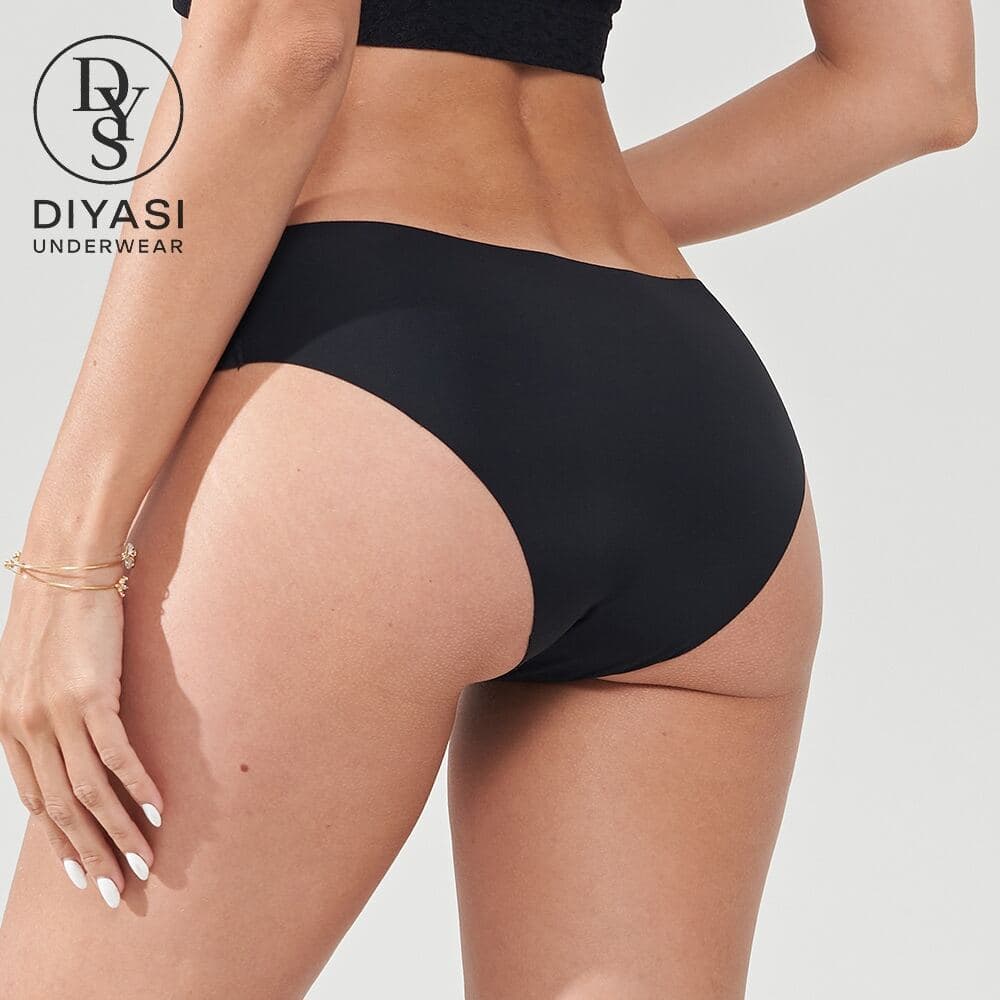
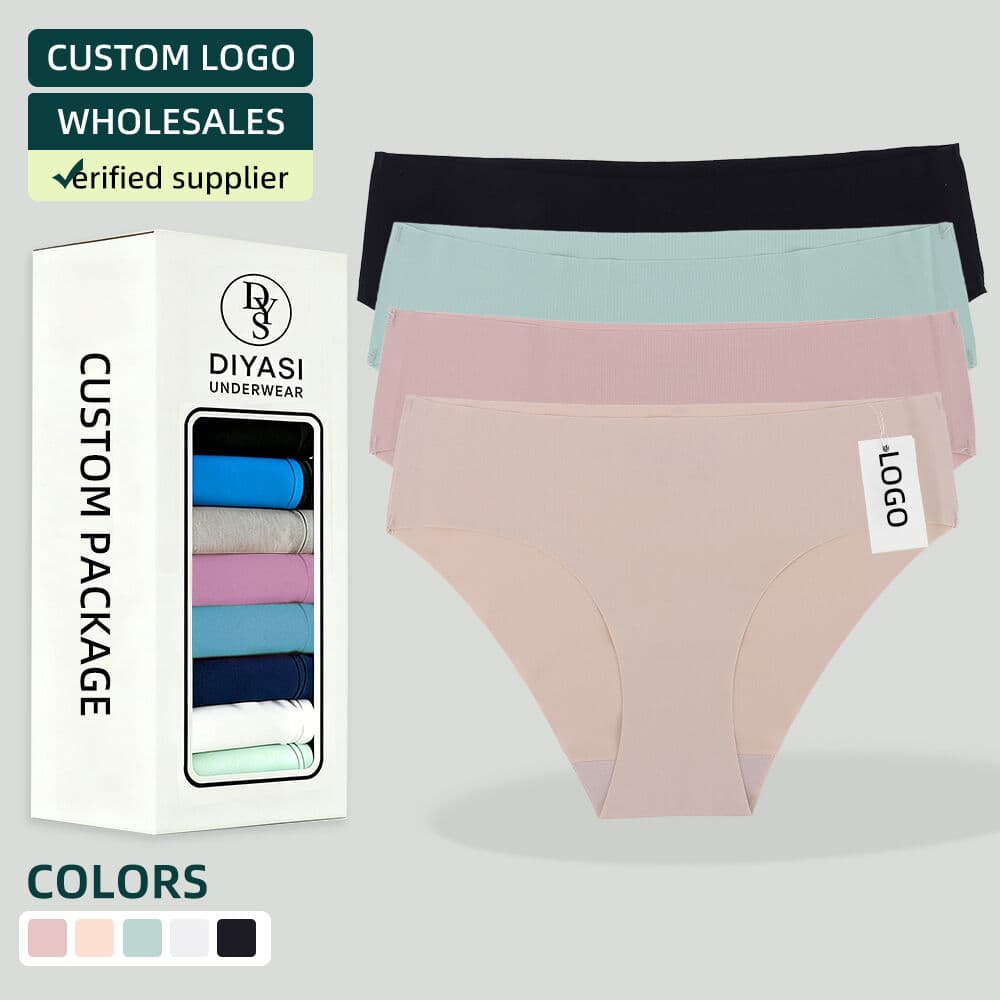
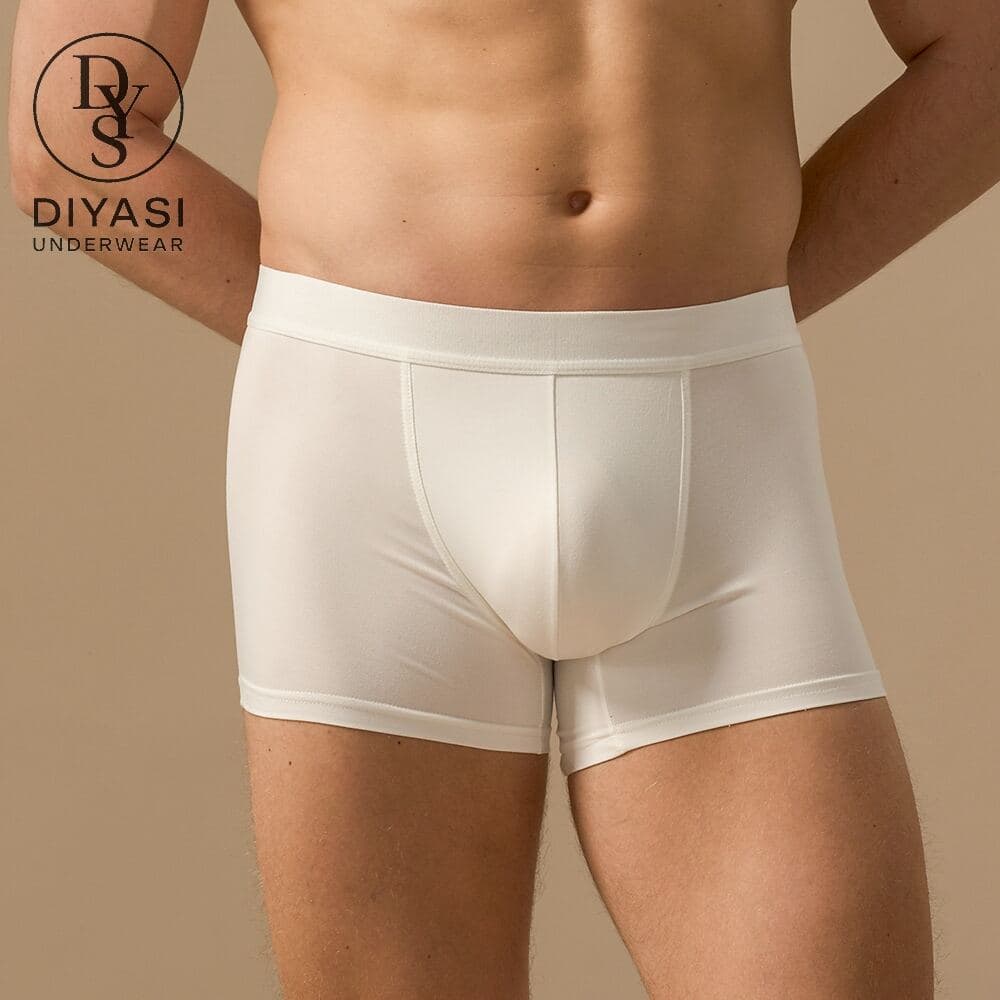
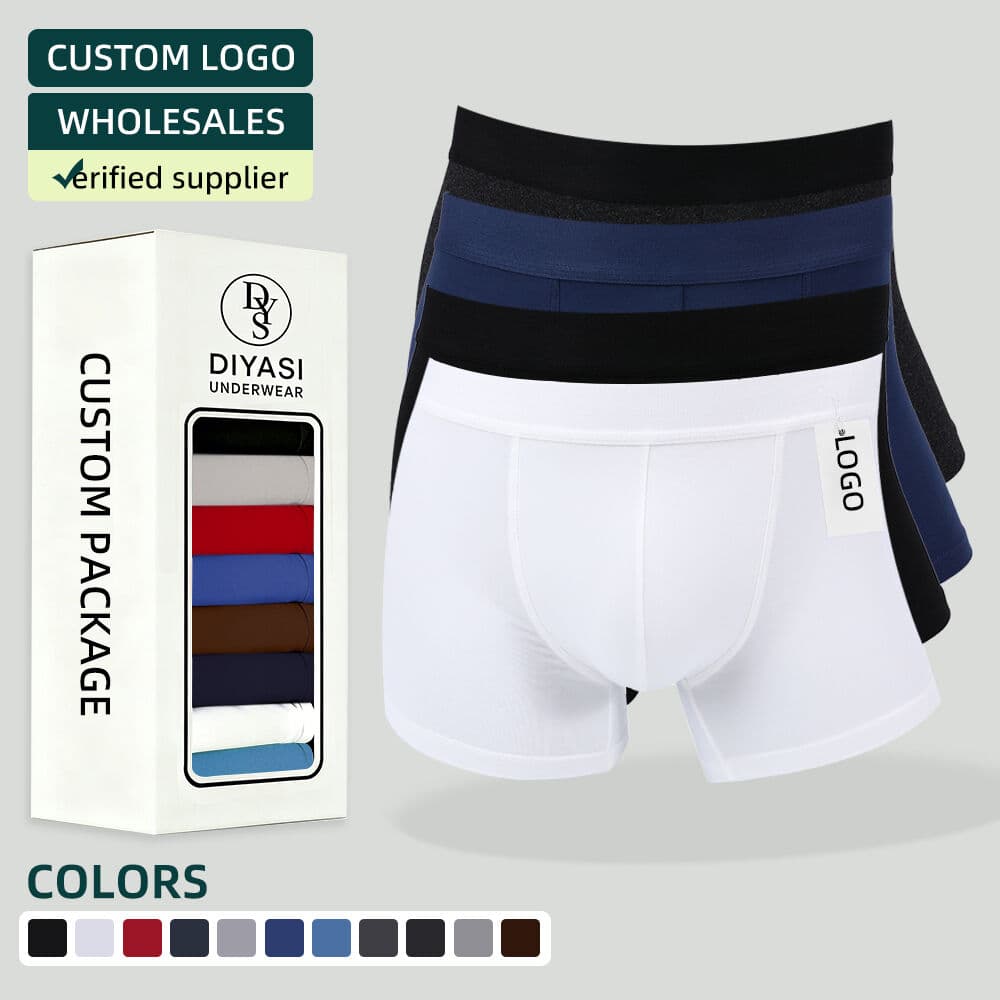
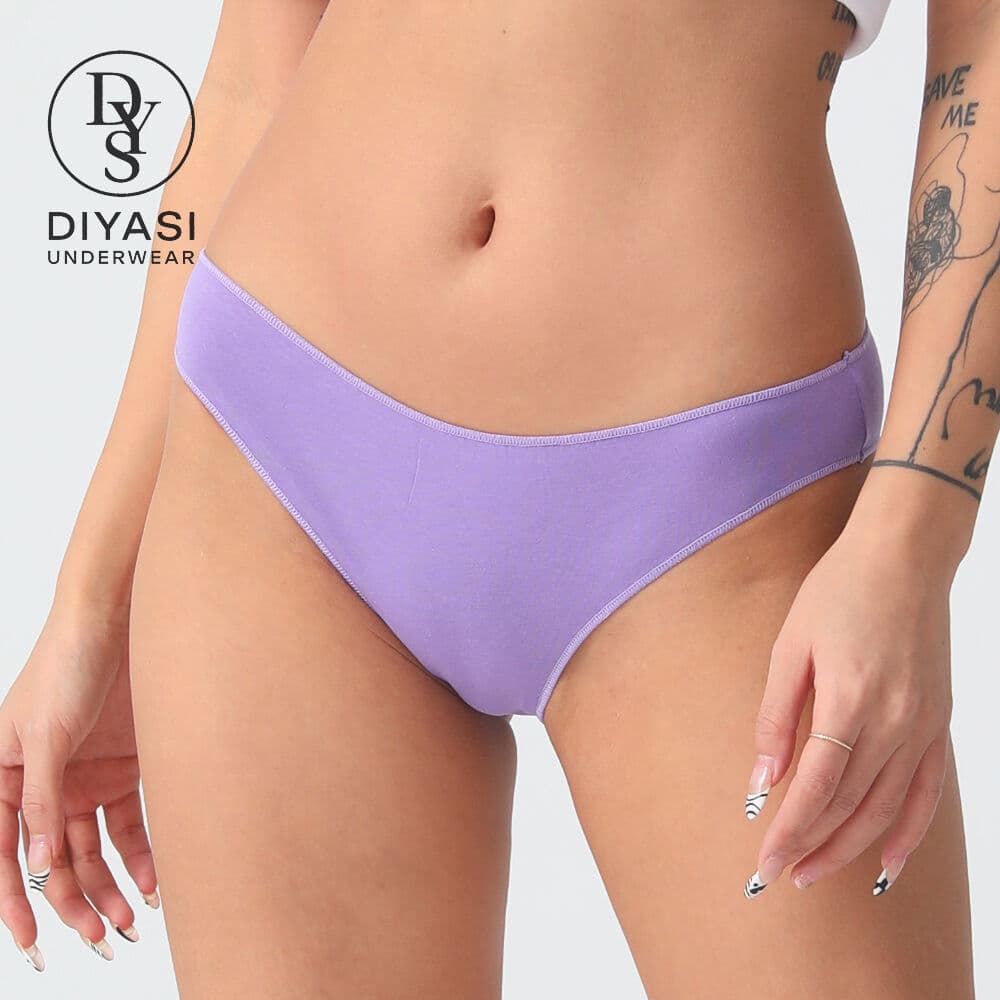
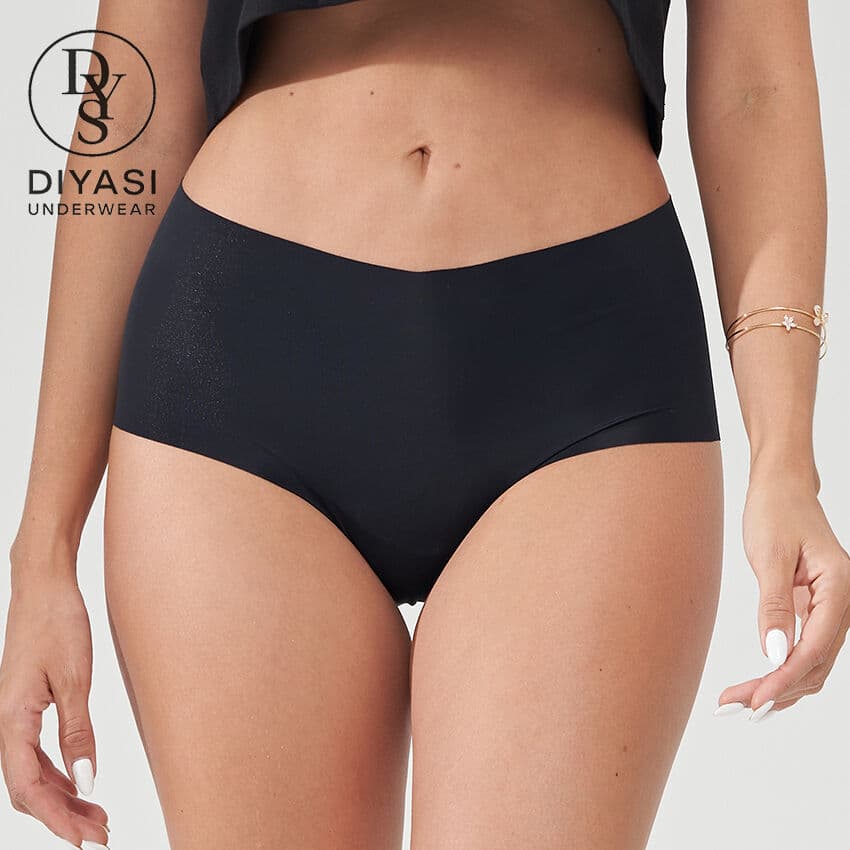
A line sheet should help a wholesale buyer identify the exact underwear styles available for discussion, not imply that every catalogue photograph is a stocked variant. Start with verified model references, silhouettes, material components and the sizes and colors the factory can confirm. DIYASI's DYS201 cotton bikini, DYS323 bonded seamless brief and M007 men's boxer brief can illustrate different product families. Their images and source specifications are useful starting evidence, while prices, current stock and production timing require order-specific confirmation.
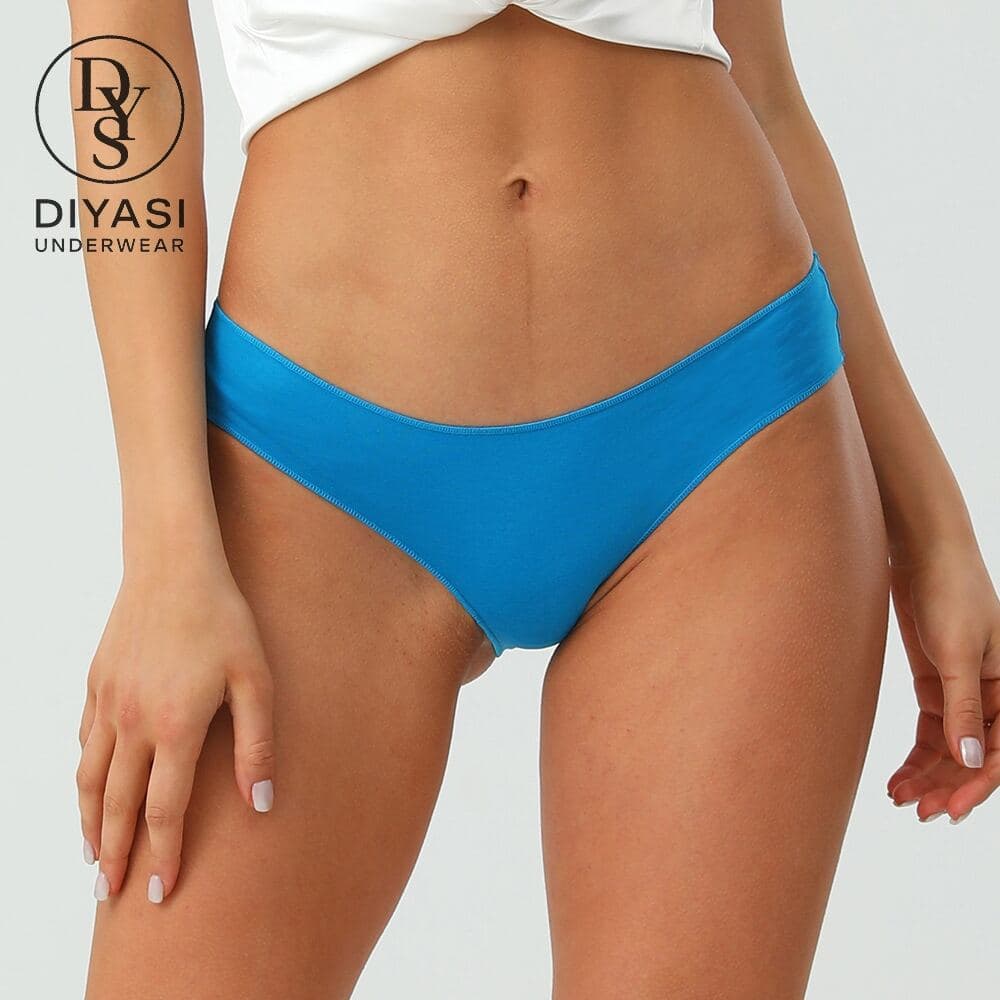
Give each style a clear identity
Use one row or panel per model and show the model number, product name, front and back imagery, silhouette, rise and relevant construction. Where the image shows a sample color, label it as an example until the order colors are confirmed. Do not merge a printed and plain men's variant under one stock-keeping unit merely because their names are similar.
Link to the live product page or keep the source reference in the working file so a buyer can ask about the actual style. Describe components precisely: for example, DYS323 lists a polyamide-spandex body and cotton gusset; the modal reference on M007 relates to the pouch or gusset, not automatically to the entire garment.
| Line-sheet field | Verified source | If unknown |
|---|---|---|
| Model and silhouette | Product page and sample | Mark pending confirmation |
| Fabric by component | Current specification | Do not invent percentages |
| Sizes and colors | Current factory confirmation | List inquiry options only |
| MOQ and timing | Written order quotation | Avoid fixed promises |
| Image and pack | Approved sample or photo | Show sample status |
Separate public facts from commercial terms
A catalogue MOQ can be a starting reference, but custom colors, labels, fabric and packaging may change component minimums. Put a date and scope on every quote. If the line sheet is used for several markets, identify which size scale and labeling plan applies to each. The buyer should be able to tell whether a figure is confirmed for a particular order or only a discussion point.
Do not publish a made-up wholesale price or a universal lead time to fill a blank cell. A useful line sheet can instead say 'quote on request' and ask for quantity, color breakdown, branding and destination. This keeps buyer expectations aligned with the factory's actual production review.
Turn the sheet into a sampling decision
Arrange styles by use case or construction so the buyer can compare a coherent group: cotton everyday basics, bonded seamless styles or men's options. Add a short sample decision for each, such as checking leg opening, gusset attachment or pouch fit. Link those questions to the product page and the selected sample rather than generic quality language.
Version the sheet whenever a model, image or commercial term changes. Before sending it externally, have the product owner verify current source details and the sales team check the offer terms. Track which models attract questions, then improve the relevant product and service pages with confirmed answers.
Common buyer questions
Does the line sheet prove inventory is available? No. Availability needs a current factory confirmation for the selected variant.
Can a sample photo stand for every color? Only if clearly labeled as a sample image and not presented as all available options.
What makes the sheet actionable? Exact model references, clear unknowns and a route to request samples or a scoped quotation.
Put your research to work
Browse the catalogue ↗Plan private-label development ↗Read the quote checklist ↗Request a line-sheet quote ↗Product sources
Product examples refer to the linked DIYASI source specifications. Confirm the final materials, measurements and availability for your selected sample.
DYS201 original product specification ↗DYS323 original product specification ↗M007 original product specification ↗A starting point for your collection.
Share your selected model numbers, intended market and sample requirements with the DIYASI team.
Discuss your collection ↗