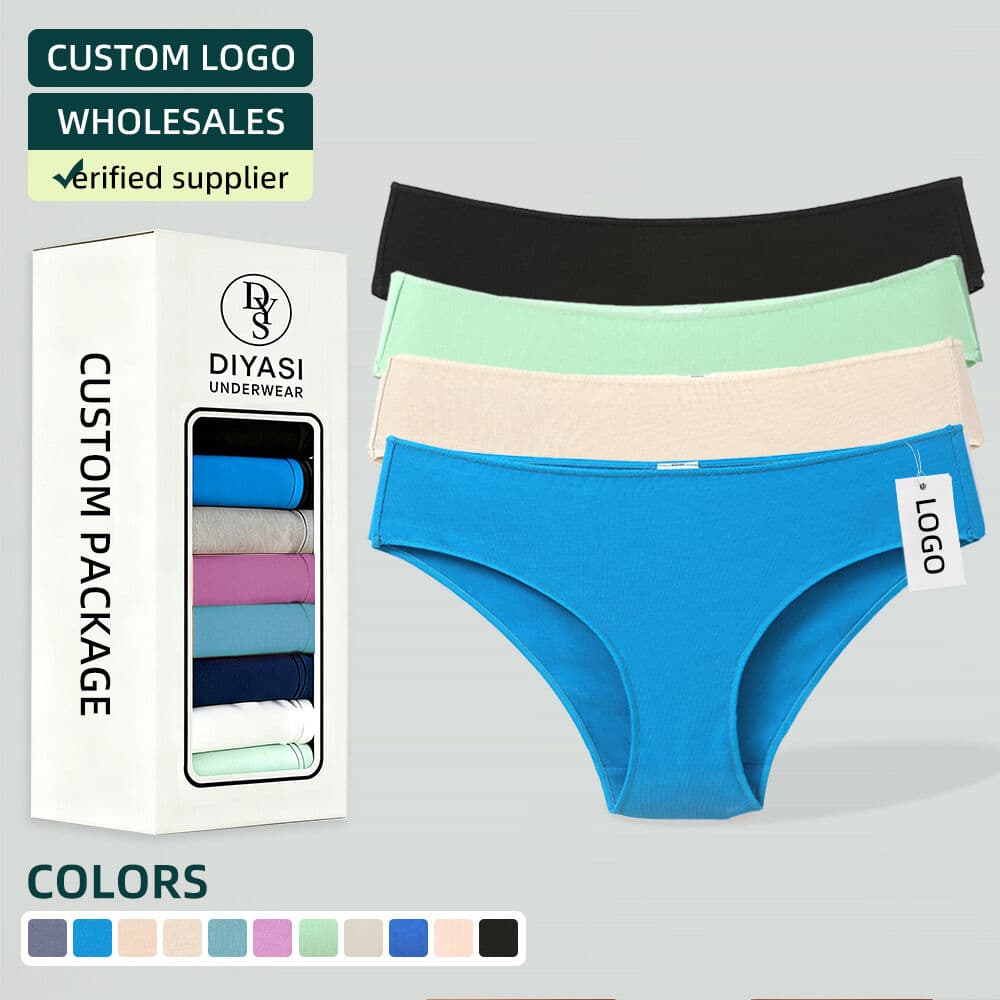
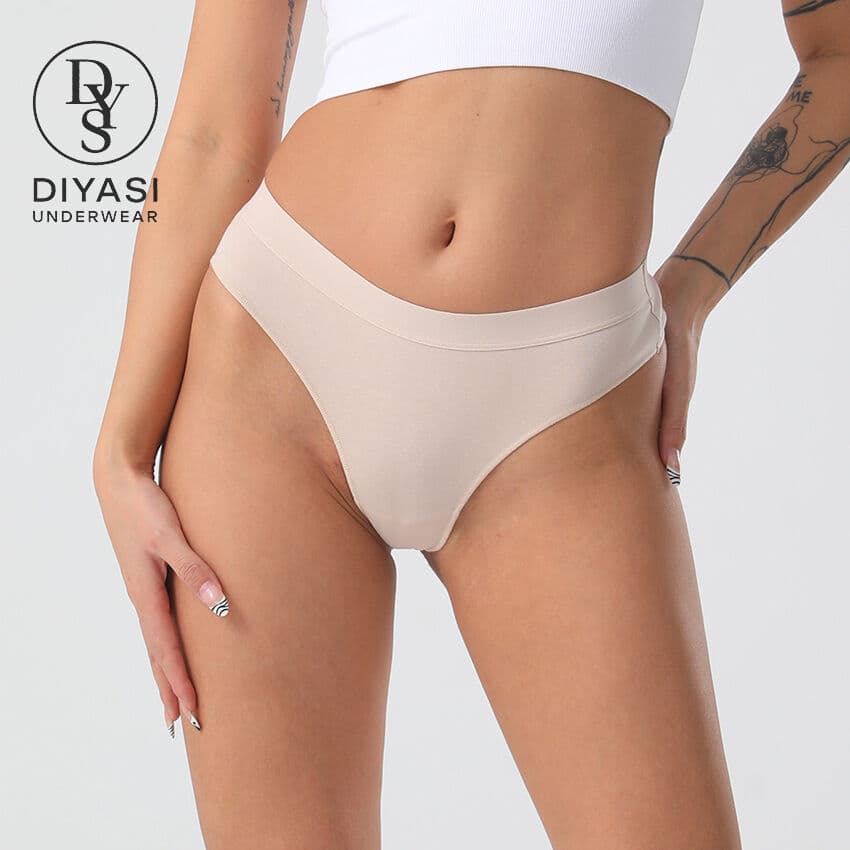
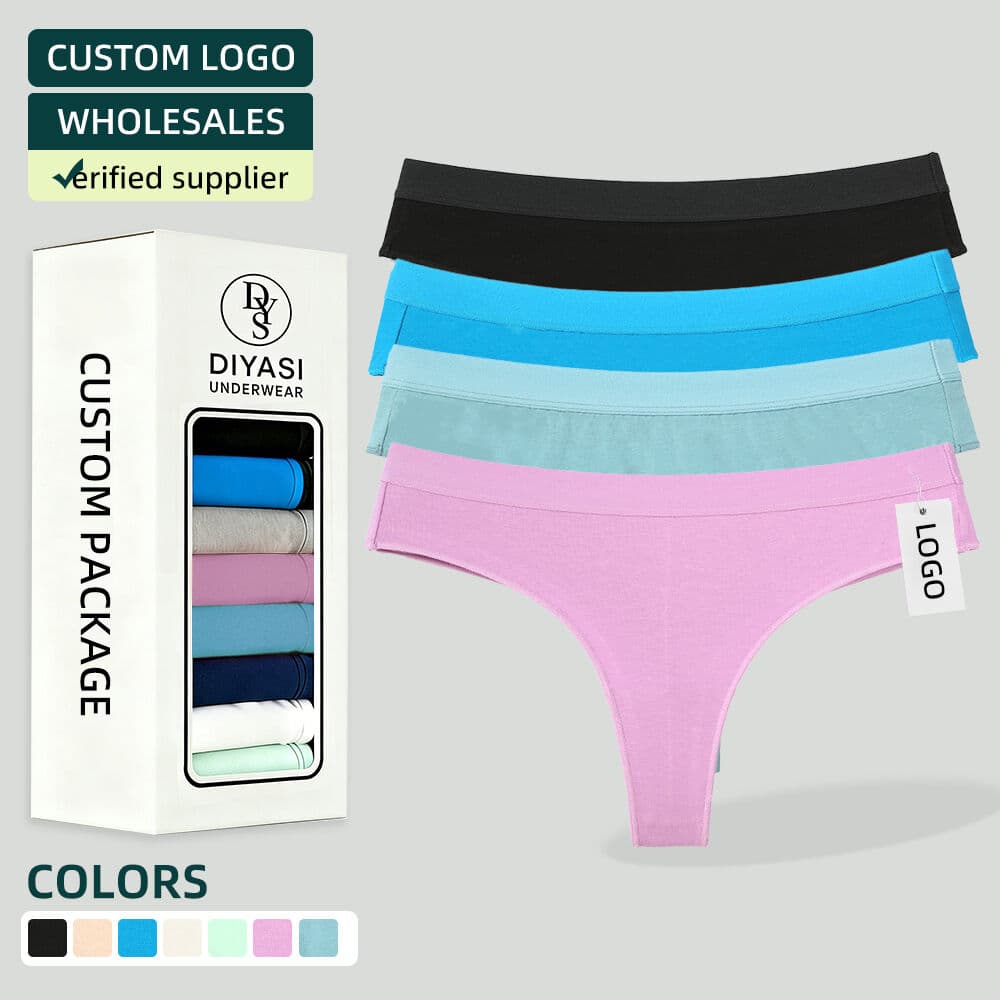
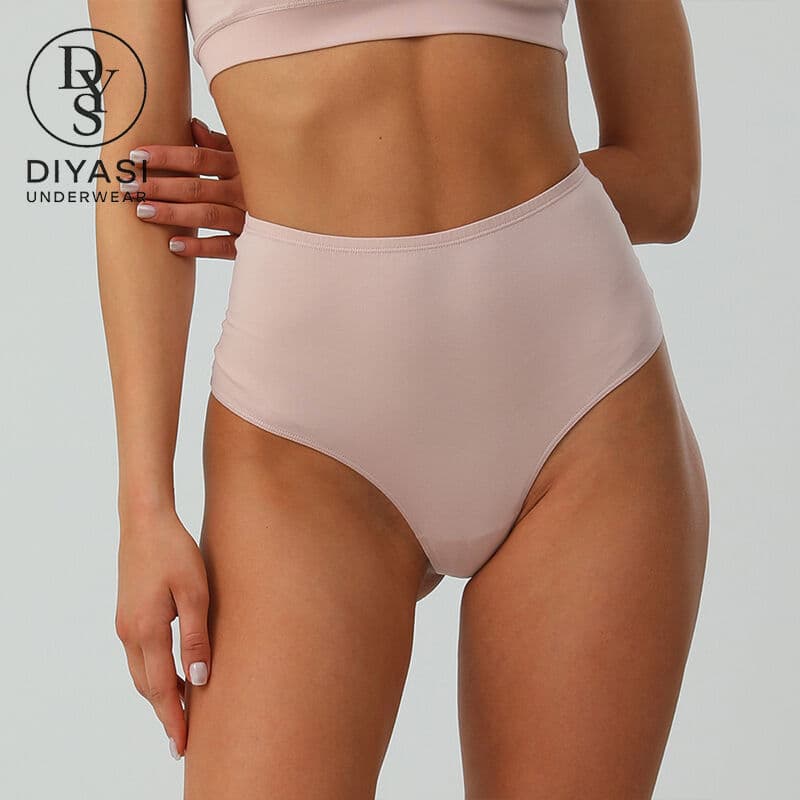
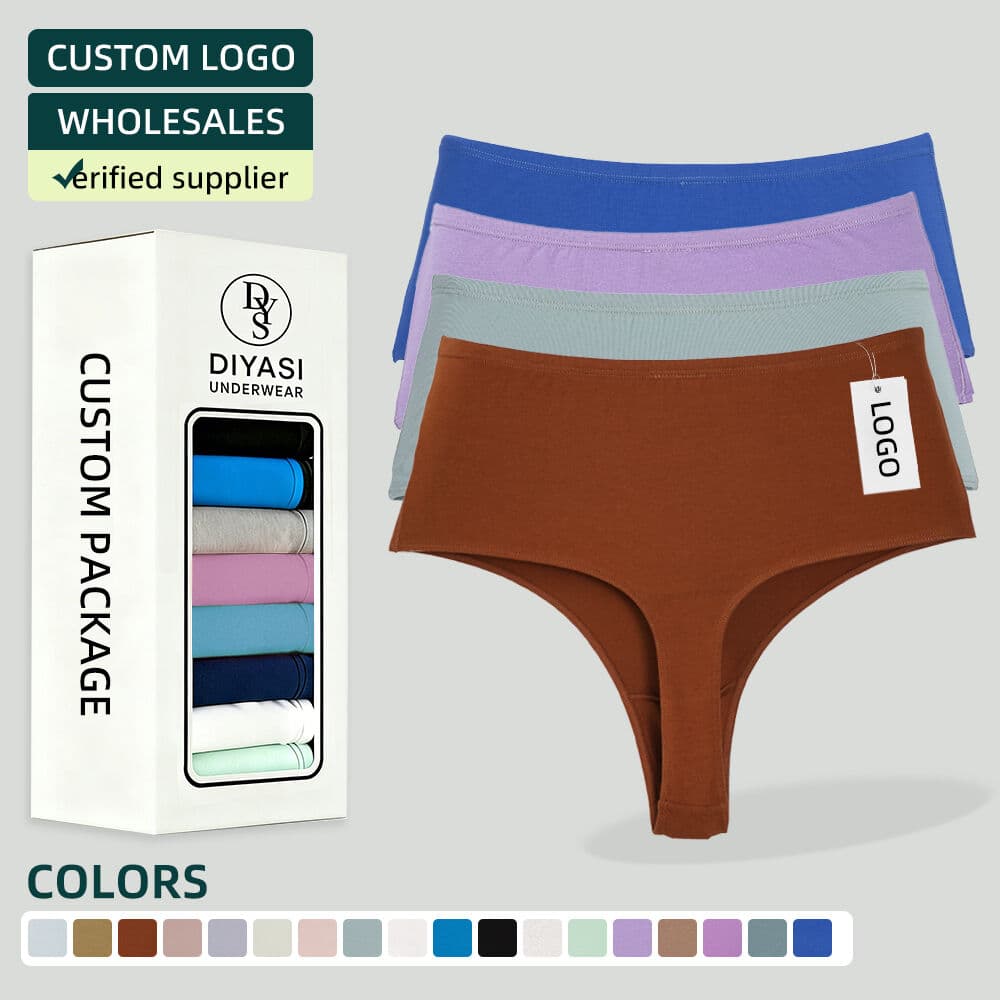
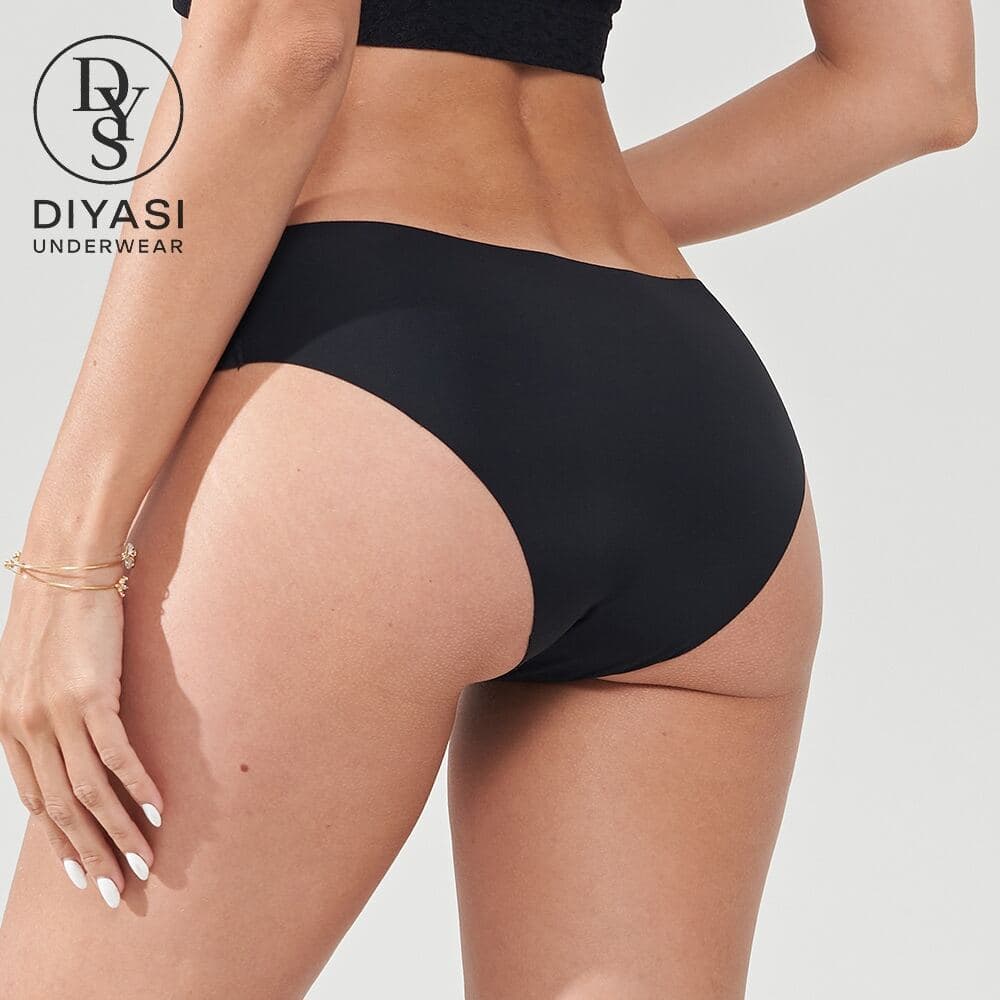
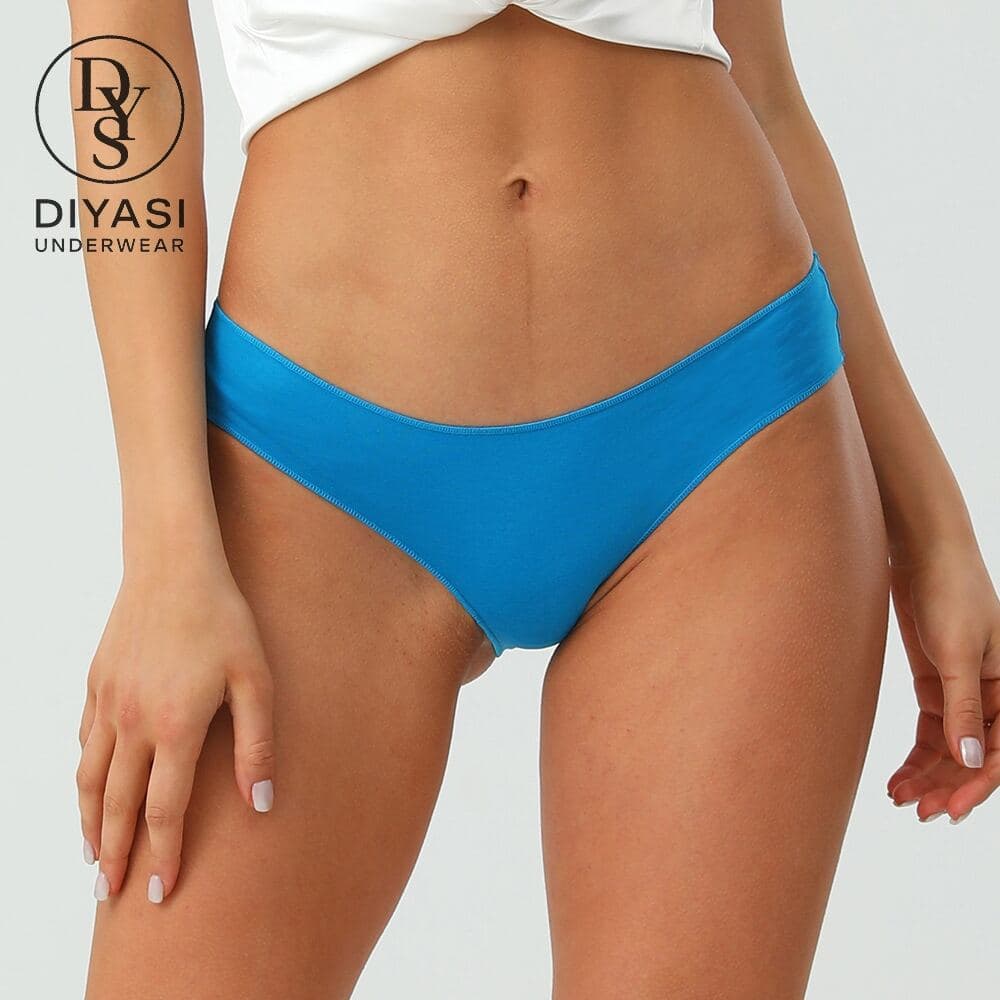
Searches for 100% cotton underwear show why a fibre percentage belongs near the top of a buyer's product brief. The phrase has a precise meaning; it cannot be applied to a 95% cotton and 5% spandex body just because cotton is the main fibre. DIYASI's DYS201, DYS202 and DYS223 are cotton-spandex catalogue styles. They can anchor an everyday-cotton range, while a brand seeking an all-cotton garment needs a separately verified material and sample.
Start with the fabric bill, not the category name
Ask the supplier to identify the main body, lining or gusset, lace, elastic and any other component that needs separate description. A product title such as 'cotton brief' may be useful shorthand, but retail fibre statements must reflect the actual finished item and the rules of its sales market. Do not turn a cotton-rich description into a claim that every part is cotton.
The current DIYASI records for DYS201, DYS202 and DYS223 state 95% cotton and 5% spandex. Confirm the exact order specification and any component changes before artwork approval. If a different cotton percentage is requested, ask for a new sample and material documentation instead of silently changing the website copy.
| Buyer phrase | What the source record supports | What to confirm |
|---|---|---|
| 100% cotton | Not supported for these 95/5 styles | Separate all-cotton material and sample |
| Cotton-spandex | Listed for DYS201, DYS202 and DYS223 | Order-specific fabric and components |
| Cotton gusset | A component statement only | Body and gusset separately |
| Soft or breathable | Not proved by fibre percentage alone | Relevant product evidence |
Compare the intended use on real samples
An all-cotton fabric and a cotton-spandex fabric may feel or recover differently, but performance depends on knit, weight, finish and construction as well as fibre content. Set a fit and care review for the selected silhouette. Compare finished measurements before and after the agreed care method rather than declaring one blend universally better.
DYS201 is a low-rise bikini, DYS202 a regular-rise bikini and DYS223 a regular-rise brief. Those differences also affect the wearing result. Keep the fabric comparison on the same pattern where possible, or record the pattern difference so it is not mistaken for a fibre effect.
Write accurate retail and quotation language
A quotation should state the fabric and component assumptions on which it is based. A label proof should then be checked against the approved production materials and destination-market requirements. If elastic, lace or a lining is added, revisit the wording before printing. A supplier product photo alone cannot validate the final fibre statement.
Retailers can still present a 95/5 style as a cotton-rich everyday option when that description is accurate for the specified component. Avoid all-cotton, organic or medical comfort claims without their own evidence. A small wording correction before launch is easier than replacing labels after packing.
Common buyer questions
Can a 95/5 brief be sold as 100% cotton? No. The exact fibre claim must follow the actual component specification and applicable labeling rules.
Does a cotton gusset make the whole garment cotton? No. The body and gusset may use different materials.
What should a sample request include? Name the model, target fibre content by component, size range, care plan and the claim you hope to make.
Put your research to work
Browse cotton underwear ↗Compare cotton and polyamide ↗Review market labeling preparation ↗Ask about a verified fabric ↗Product sources
Product examples refer to the linked DIYASI source specifications. Confirm the final materials, measurements and availability for your selected sample.
DYS201 original product specification ↗DYS202 original product specification ↗DYS223 original product specification ↗A starting point for your collection.
Share your selected model numbers, intended market and sample requirements with the DIYASI team.
Discuss your collection ↗