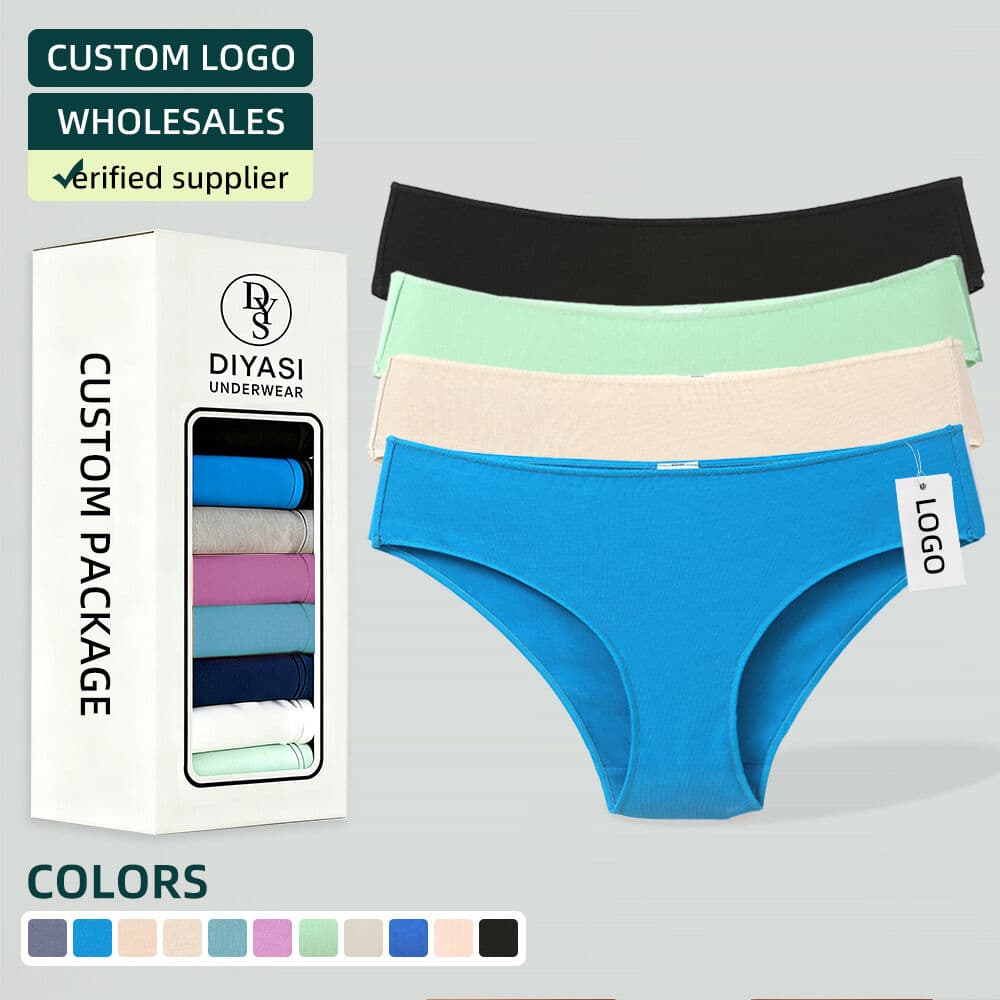
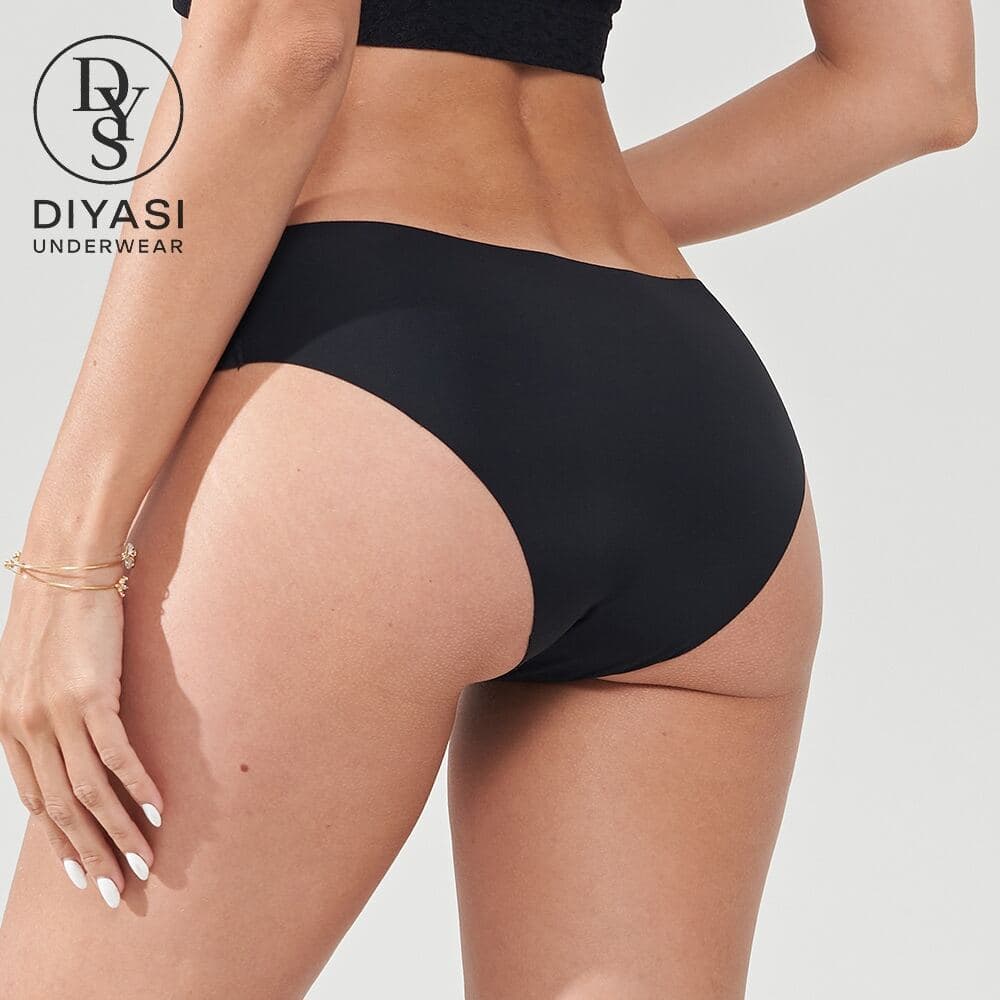
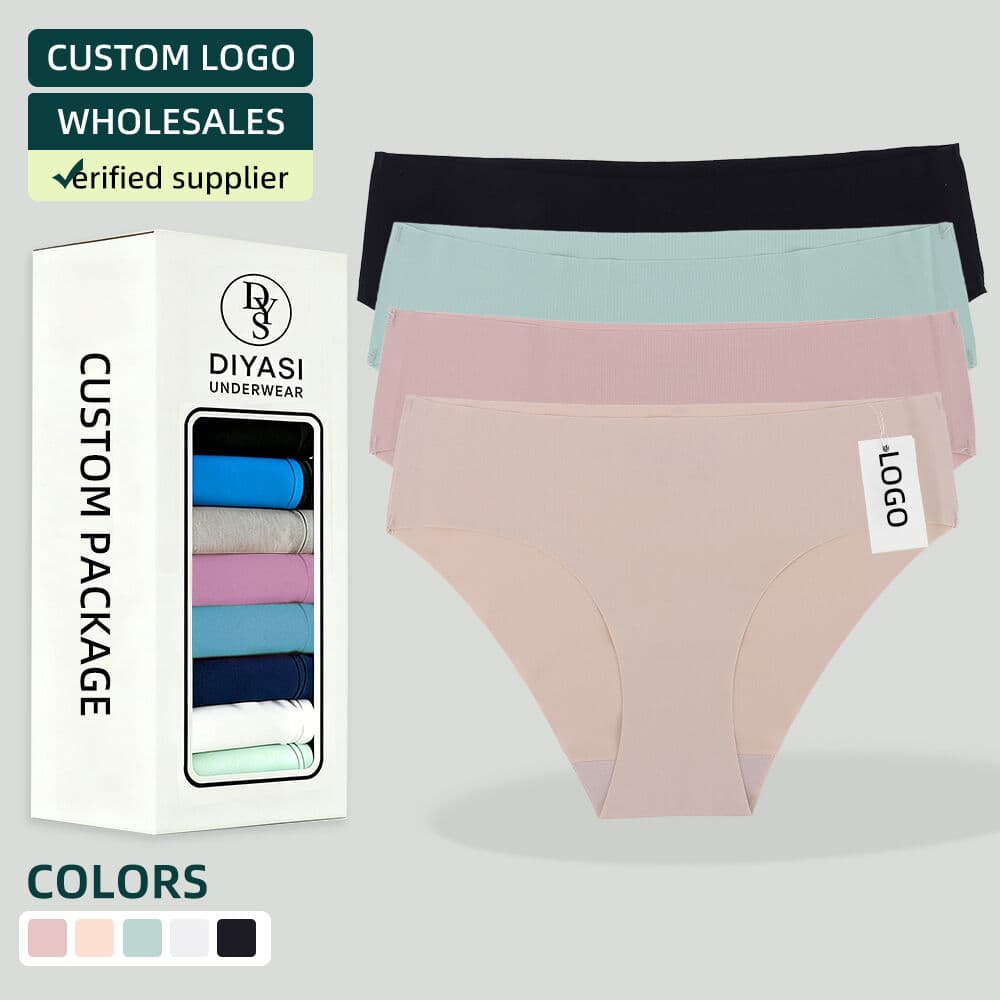
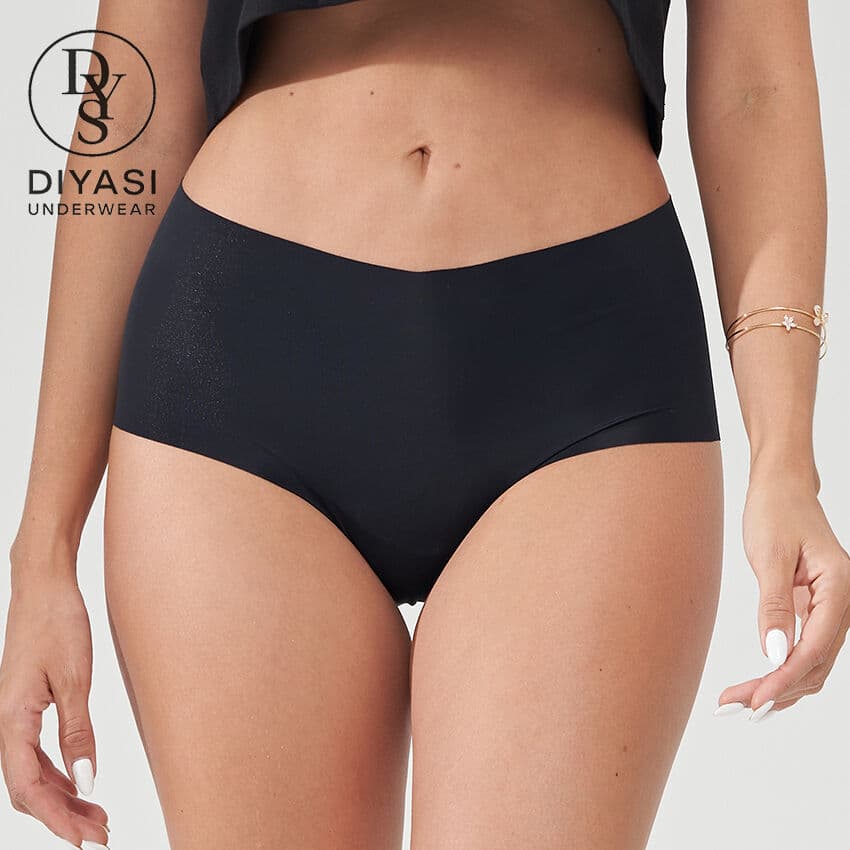
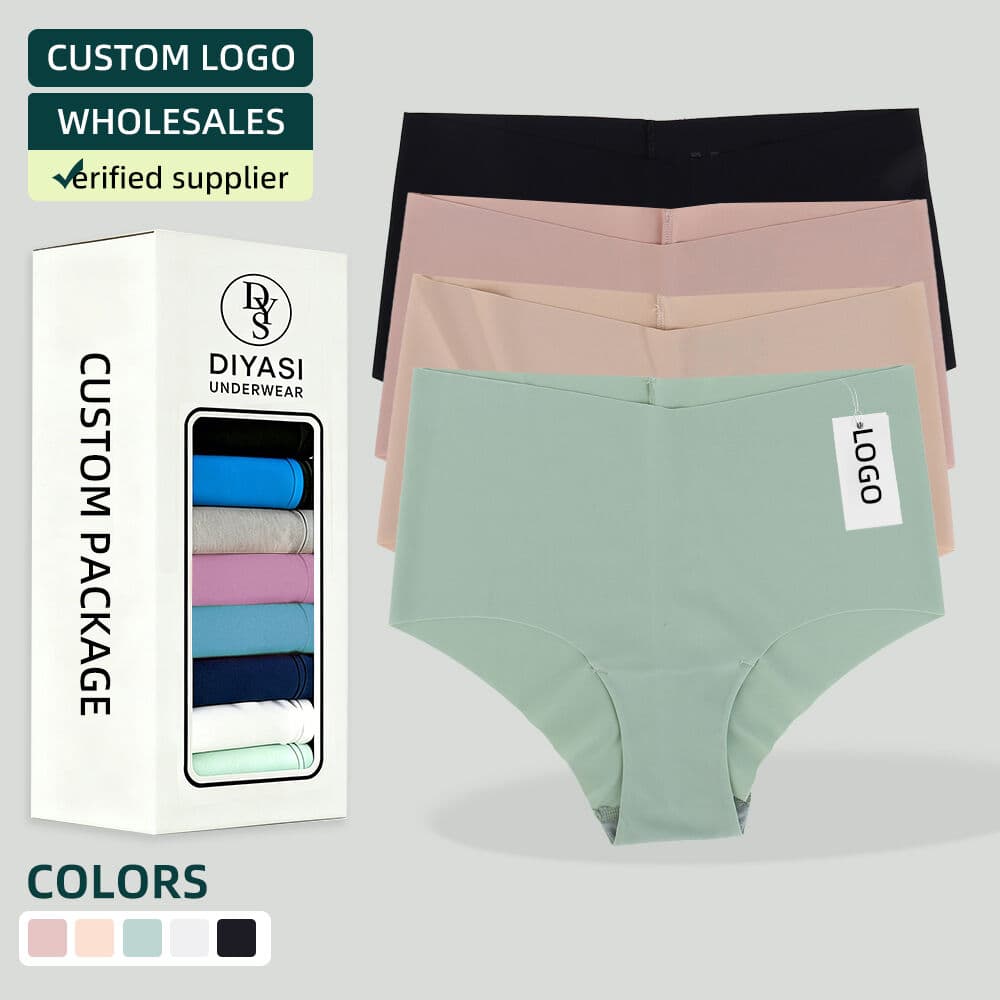
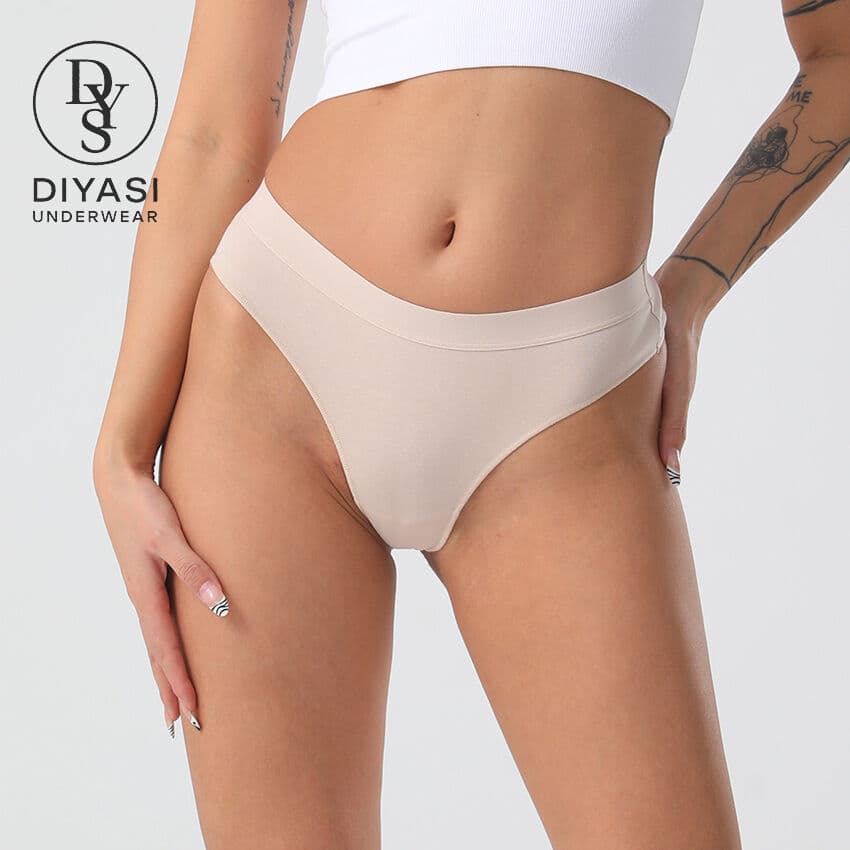
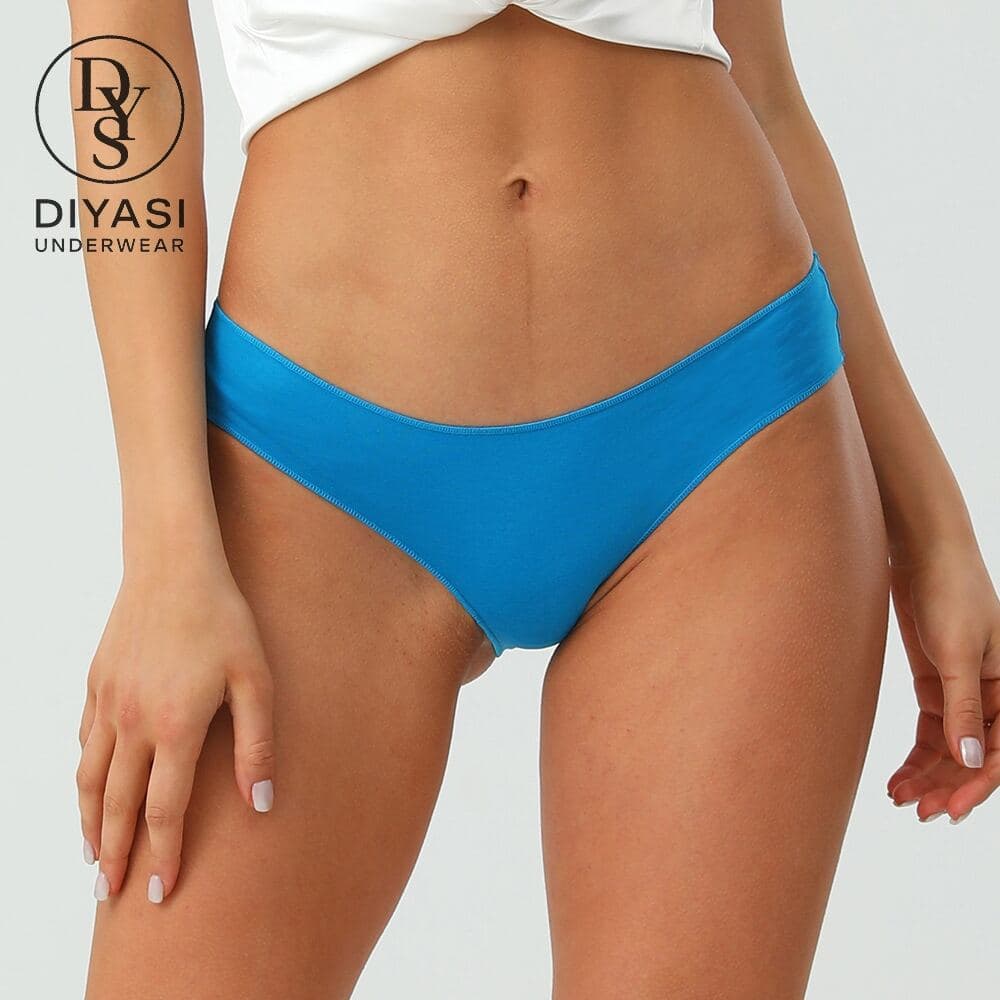
Consumer searches around cotton, seamless and high-waisted underwear make those useful categories for a 2026 range review. Search demand is a signal of questions people ask, not a forecast for any factory model or a guarantee of website traffic. A private-label buyer still needs an identifiable sample, accurate materials and a clear reason for each SKU. DIYASI's DYS201 cotton-spandex bikini, DYS323 bonded seamless Brazilian brief and DYS314 high-waist seamless full brief offer three distinct starting points for that discussion.
Translate search language into real product attributes
A customer typing 'cotton underwear' may expect a cotton body, while a 'seamless underwear' search may be about visible edges. 'High waisted' describes rise, not fibre or rear coverage. Put those attributes into separate fields in a buyer brief rather than stacking popular phrases onto every page. Each collection landing page should lead to the styles that genuinely match its promise.
DYS201 lists a 95% cotton and 5% spandex fabric. DYS323 and DYS314 list polyamide-spandex bodies with cotton gussets, with DYS314 adding a high-rise full-brief silhouette. These differences are visible in the source specifications and are more useful than an unsupported claim that one product serves all three search needs.
| Search theme | Real sample question | Suitable starting reference |
|---|---|---|
| Cotton | Is the body cotton or only one component? | DYS201 |
| Seamless | Which edge and gusset construction is approved? | DYS323 |
| High-waisted | Where does the top sit during movement? | DYS314 |
| Private label | What changes and quantities are confirmed? | Written factory brief |
Choose questions before adding variants
A small brand can compare one sample in each category before multiplying colors and sizes. Ask a wearer to evaluate the intended use: everyday cotton fit, low-visibility edge beneath an outfit, or high-waist coverage. Keep each trial tied to the model, size and fabric. This produces an evidence-based shortlist rather than a line sheet filled with speculative trends.
Review component minimums, sample costs, size availability and timing in the written quotation. Public catalogue references are a starting point, not a promise that a custom material or color can be made at the same terms. Update the assortment if the verified offer differs from the initial idea.
Make the website answer the actual buyer question
A useful product page shows front and back images, body and gusset materials, rise, size range and an honest sample request route. A collection page can compare verified styles without manufacturing a product count or performance claim. News articles should answer one question and link back to the exact products and sourcing service.
Review search performance later in Search Console to see which terms generate impressions and clicks for this site. Broad consumer volume may be high while a manufacturer's article draws a much narrower audience. Update the pages that attract qualified sample enquiries, not merely the ones that resemble popular consumer searches.
Common buyer questions
Does a popular search term prove a product will sell? No. It identifies interest in a category, not demand for a specific model.
Should every page target cotton, seamless and high-waist together? Only when the actual product supports all three attributes.
What is the next practical step? Choose a model, obtain its current specification and request a sample against a written use case.
Put your research to work
Browse the full catalogue ↗Plan OEM and ODM development ↗Read the wholesale line-sheet guide ↗Discuss a 2026 range ↗Product sources
Product examples refer to the linked DIYASI source specifications. Confirm the final materials, measurements and availability for your selected sample.
DYS201 original product specification ↗DYS323 original product specification ↗DYS314 original product specification ↗A starting point for your collection.
Share your selected model numbers, intended market and sample requirements with the DIYASI team.
Discuss your collection ↗