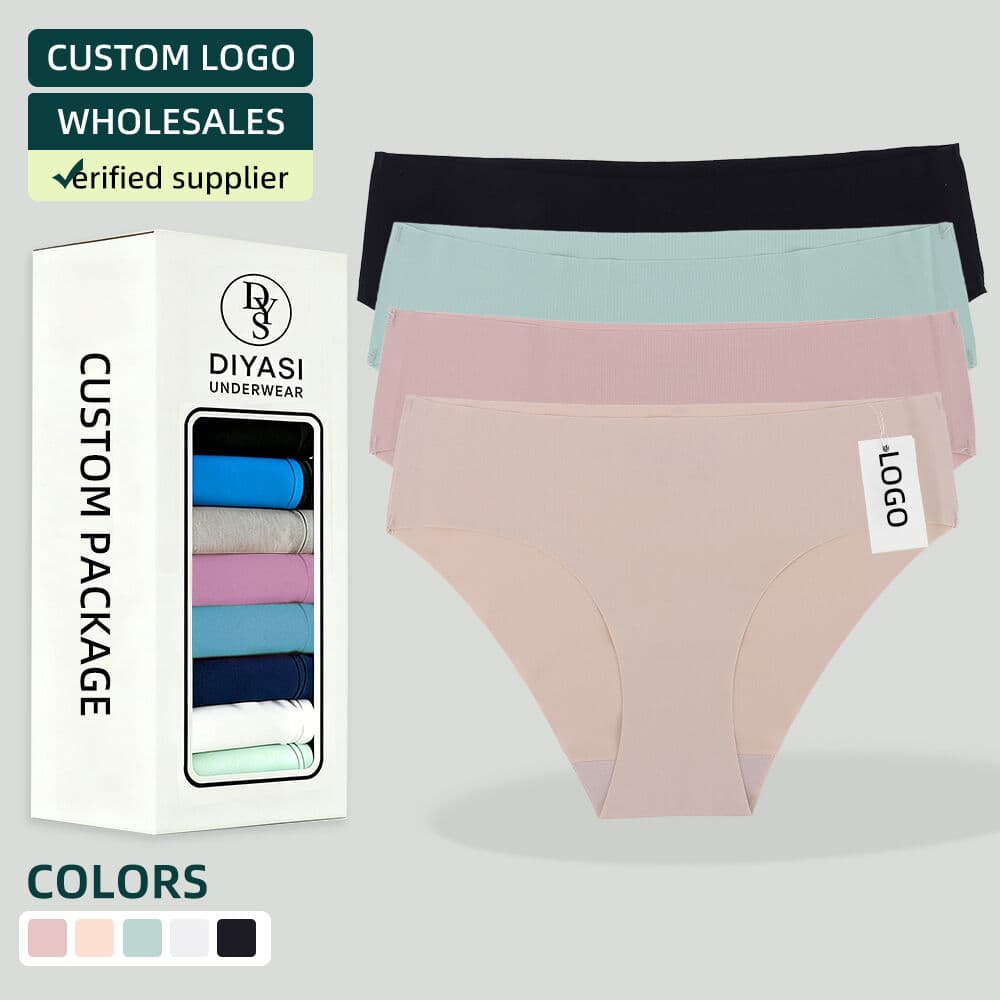
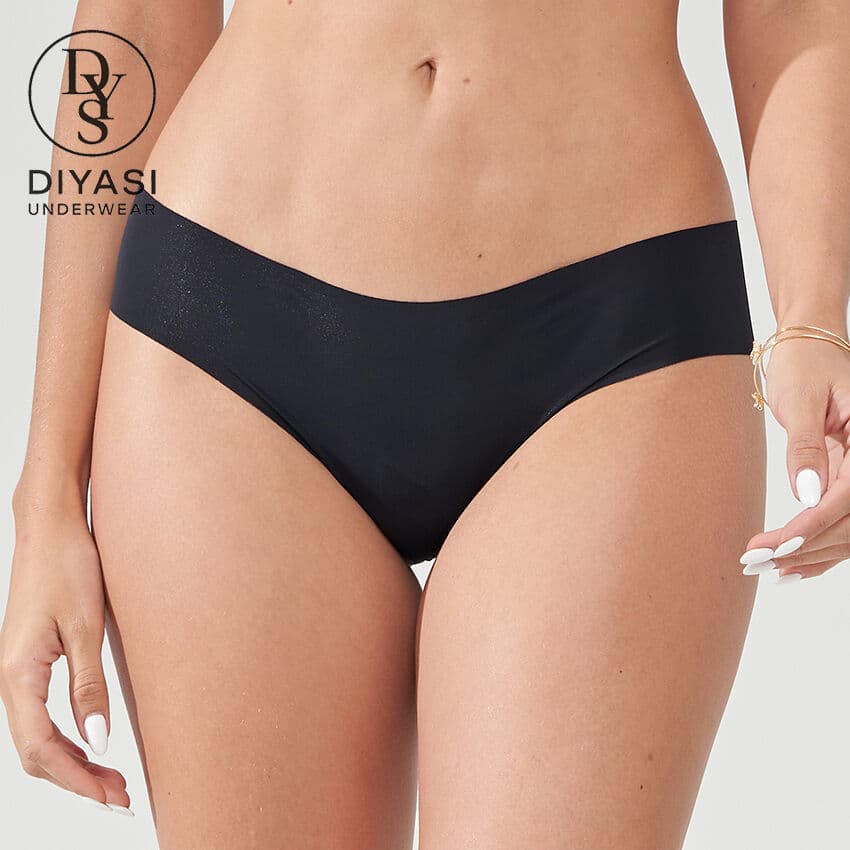
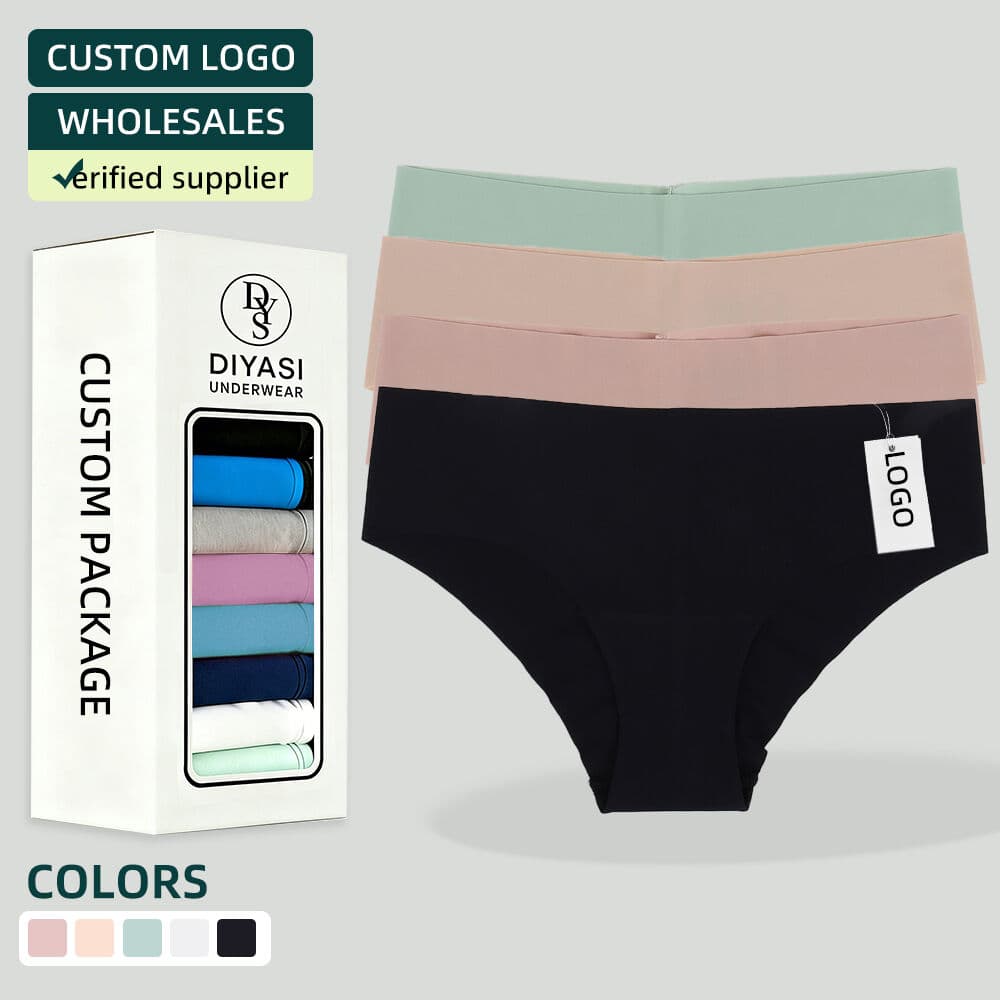
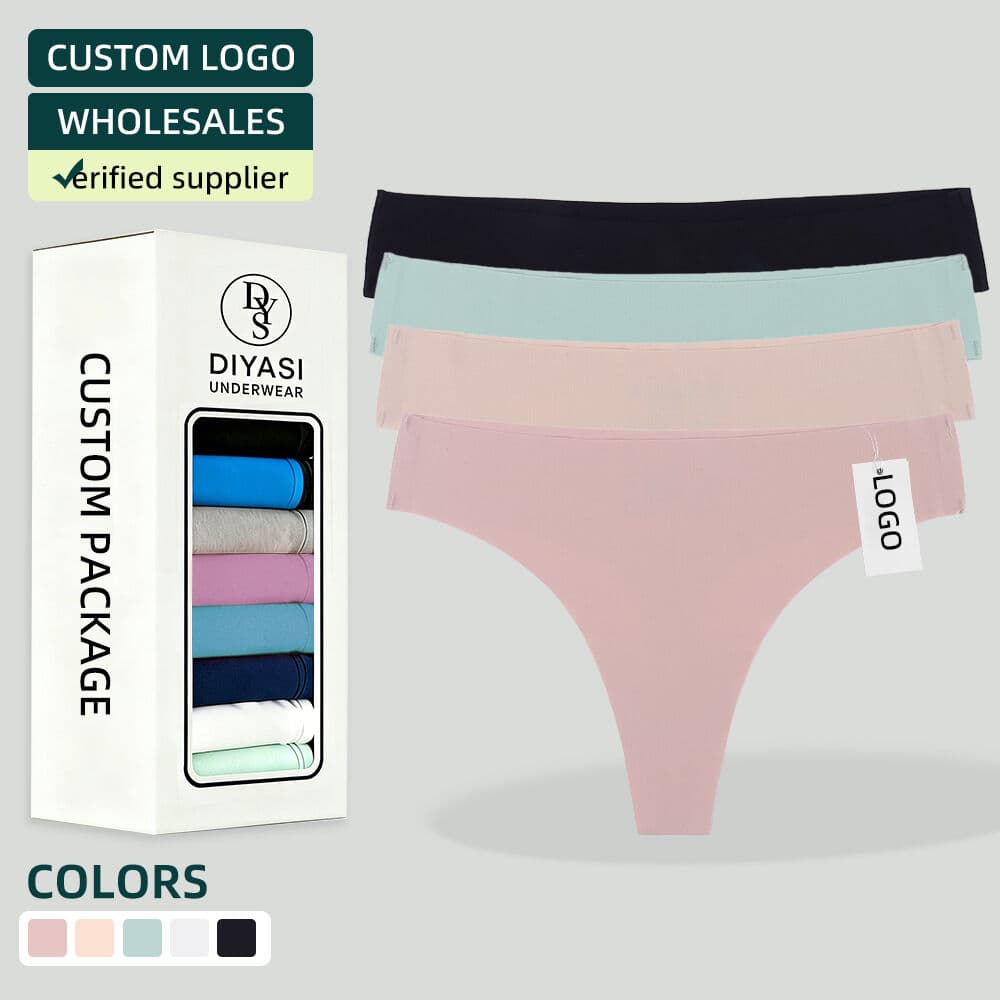
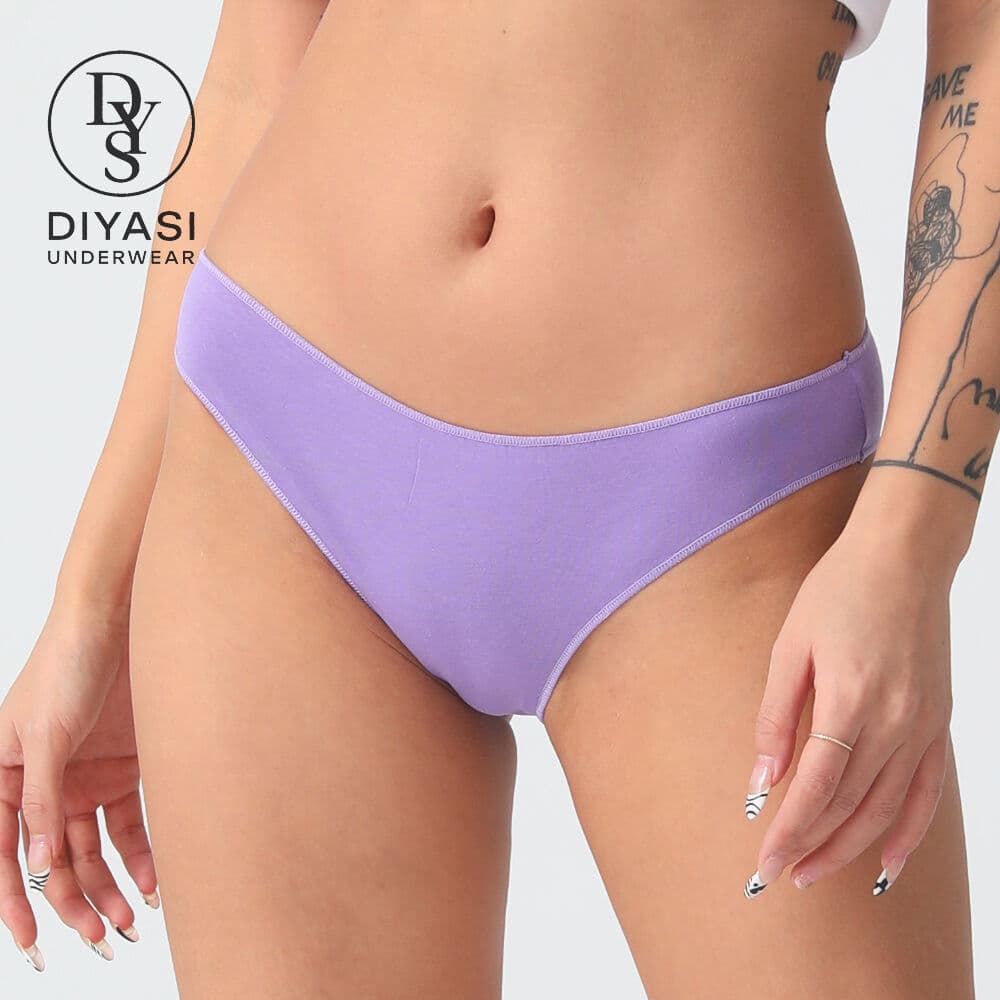
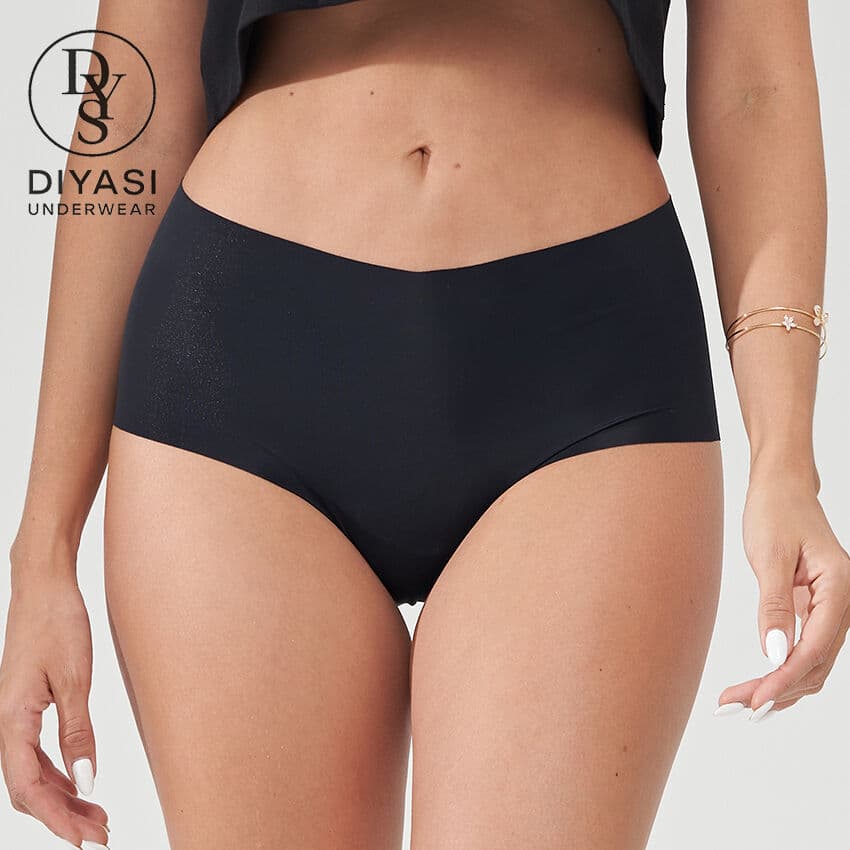
A cotton gusset does not tell a buyer how its edges are attached. DIYASI lists DYS323 and DYS322 with bonded cotton gussets, while DYS311 specifies a stitched cotton gusset. That makes them useful references for discussing attachment, but no catalogue label proves durability or comfort. Examine the actual inside and outside of each sample, record the construction and agree what must remain intact after the buyer's specified care review.
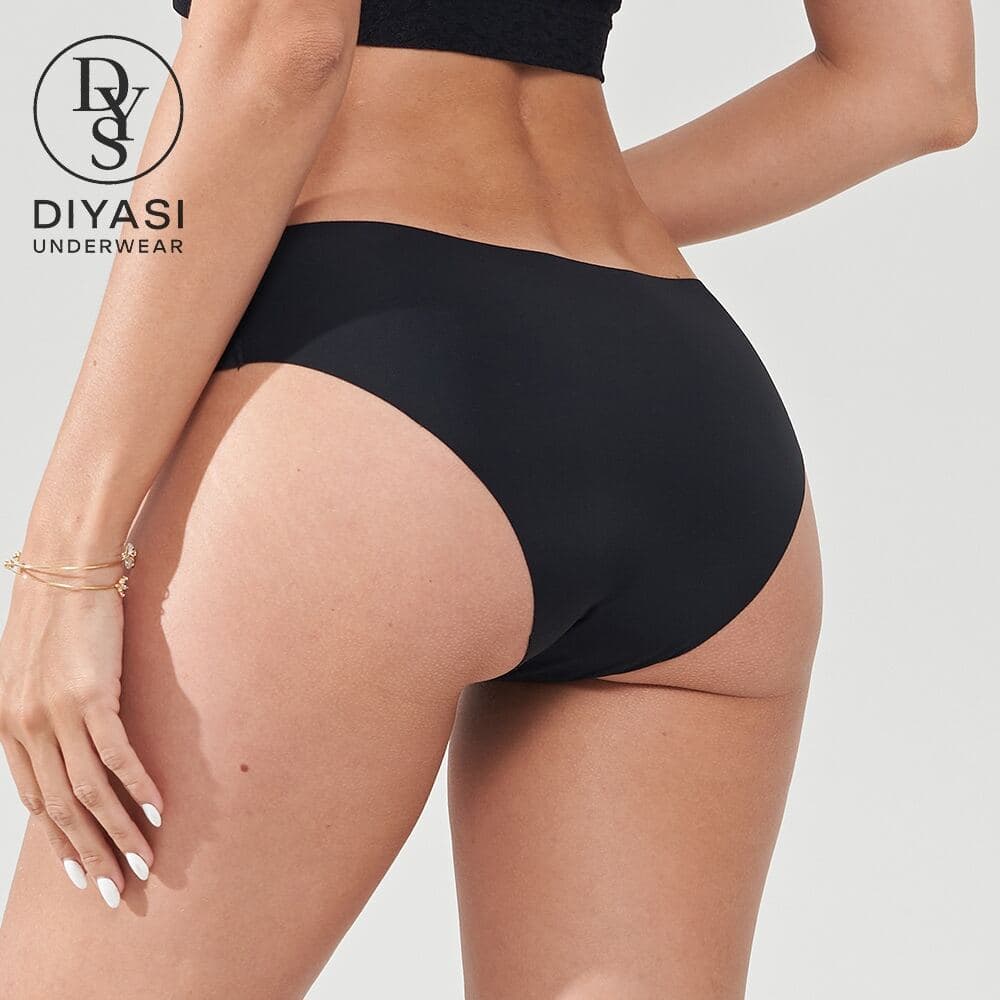
Identify each layer and attachment point
Ask for the body composition, lining composition, gusset dimensions and edge-attachment method separately. A bonded edge may involve an adhesive or film system that the finished catalogue photo cannot identify. A stitched edge may vary in seam type, stitch placement and thread. The buyer should request construction details for the chosen model rather than infer them from the word 'seamless'.
Inspect the front and rear ends of the gusset and both side edges. Note exposed edges, wrinkles, visible adhesive, skipped stitches or a shift away from the intended placement. Record the sample size and version; a narrow gusset on one size cannot define the expected coverage across a range.
| Feature | Bonded sample review | Stitched sample review |
|---|---|---|
| Edge | Lift, wrinkles and visible bonding | Stitch consistency and seam bulk |
| Placement | Front, rear and side alignment | Front, rear and side alignment |
| After care | Edge integrity under agreed wash method | Thread and seam condition |
| Documentation | Bonding process and approved sample | Stitch details and approved sample |
Use a stated care method for comparisons
Agree a laundering and drying method based on the intended care instructions before reviewing a sample. Photograph the same edge before and after the review, and record whether a bond lifts, a seam changes or the lining distorts. One satisfactory wash is not a lifetime guarantee. The number of cycles and acceptance criteria should be part of the buyer's agreed test plan, not invented from a product description.
If a change is requested, ask for a revised sample using the intended fabric, lining and attachment method. Changing the body knit or lining can alter how the edge behaves. Reconfirm the whole assembly rather than signing off only an isolated swatch.
Write an approval that production can follow
The specification should distinguish the gusset lining from the body fabric and show where each attachment begins and ends. Include images of the approved inside and outside, measurement points, approved care instructions and the responsible reviewer. If a supplier proposes another bonding material or stitch, treat that as a documented change.
For DYS323, DYS311 and DYS322, confirm the current source specification and sample details with the factory before placing an order. The catalogue records a construction starting point, not a test certificate or a promise that every batch uses the same unreviewed component.
Common buyer questions
Is a bonded gusset always less visible? Visibility depends on the full fabric and edge construction; inspect the selected garment under intended use.
Does stitched mean more durable? Neither method guarantees durability without a defined material, process and care review.
What should be retained after approval? Keep the physical sample, construction images, care method and change record together.
Put your research to work
Compare seamless styles ↗Read the gusset construction guide ↗Plan wash and appearance checks ↗Request a construction sample ↗Product sources
Product examples refer to the linked DIYASI source specifications. Confirm the final materials, measurements and availability for your selected sample.
DYS323 original product specification ↗DYS311 original product specification ↗DYS322 original product specification ↗A starting point for your collection.
Share your selected model numbers, intended market and sample requirements with the DIYASI team.
Discuss your collection ↗