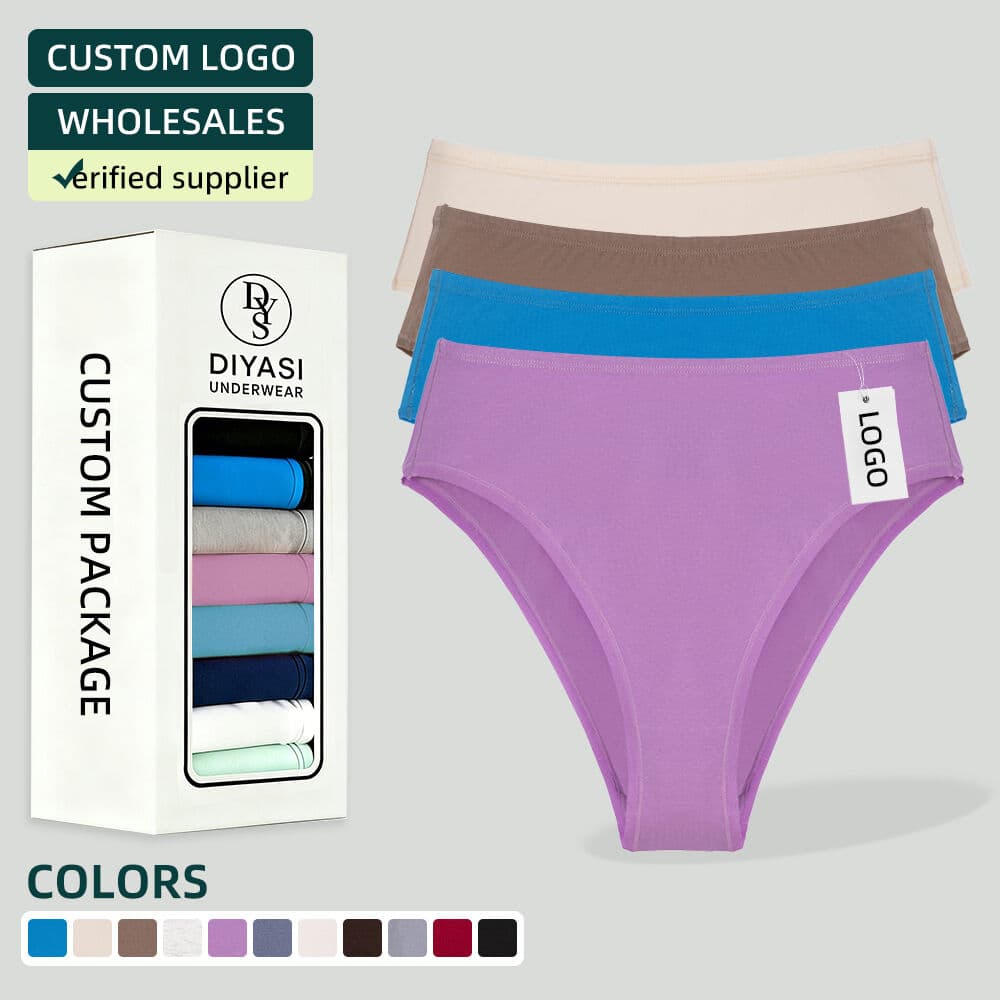
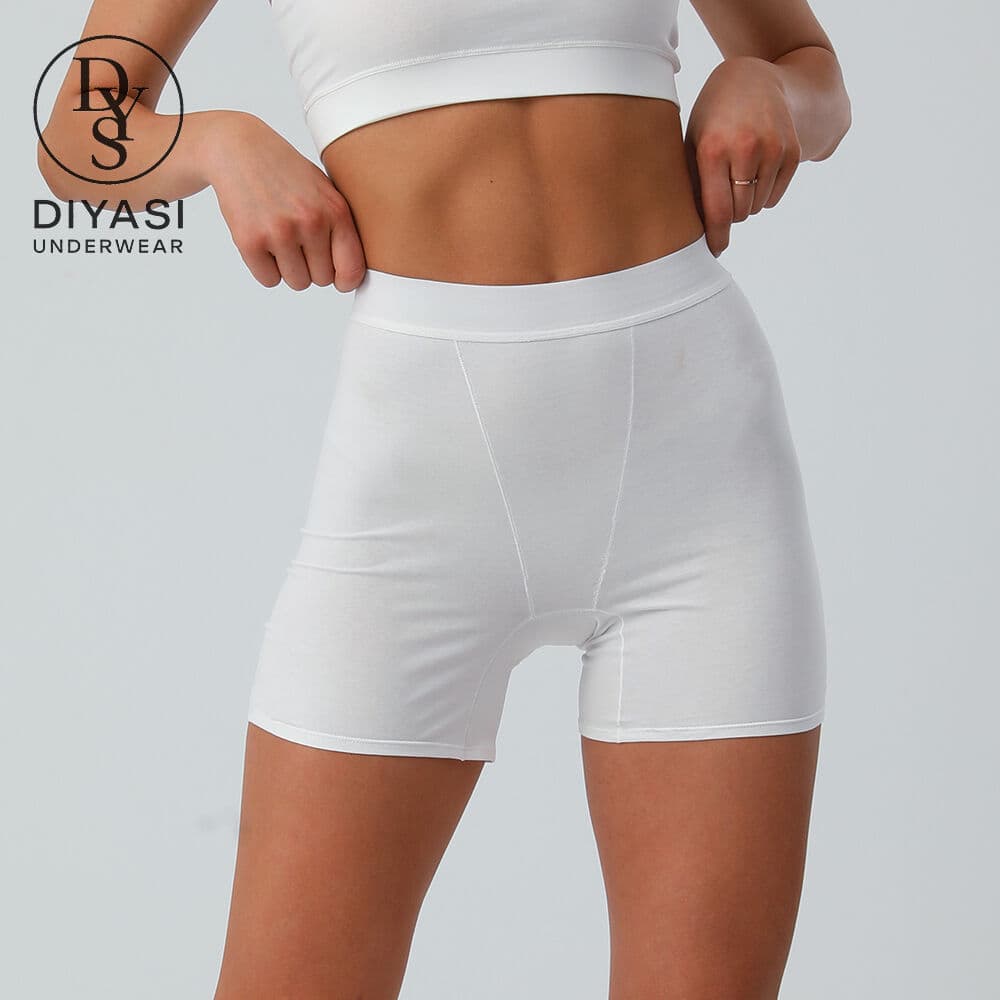
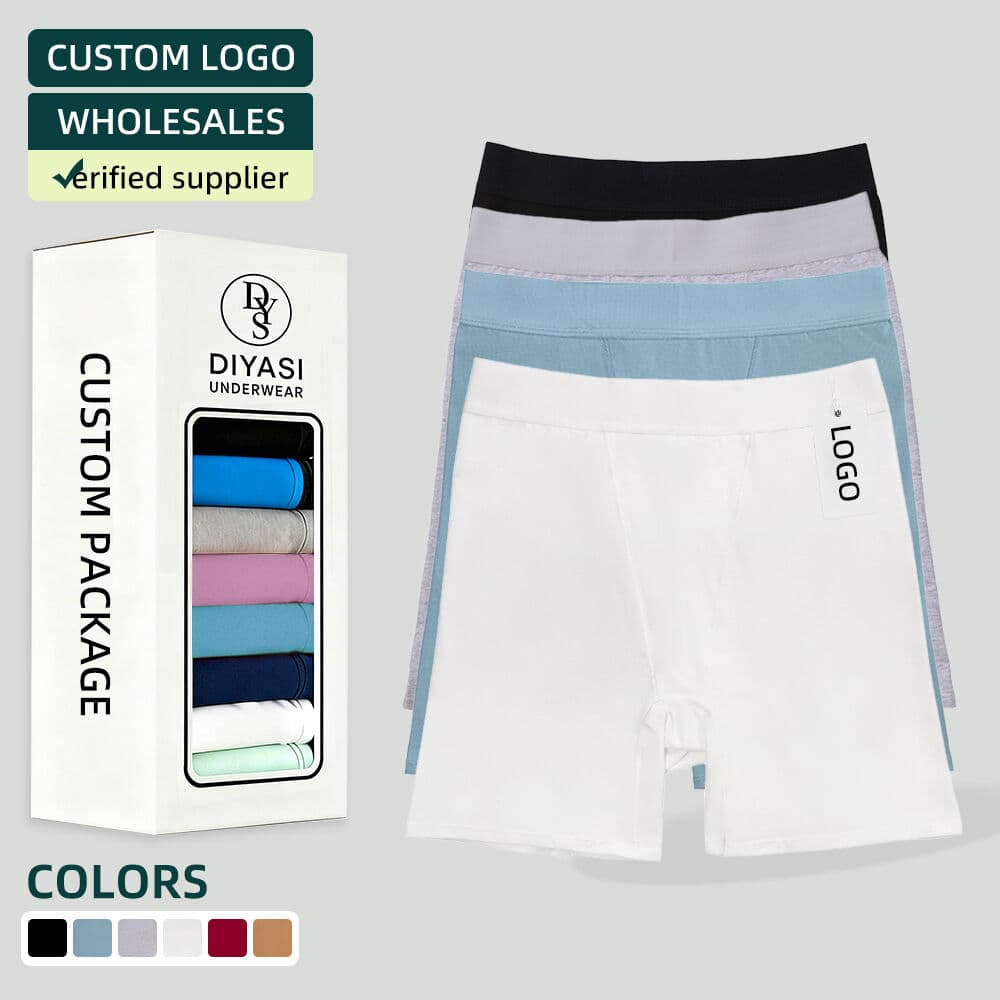
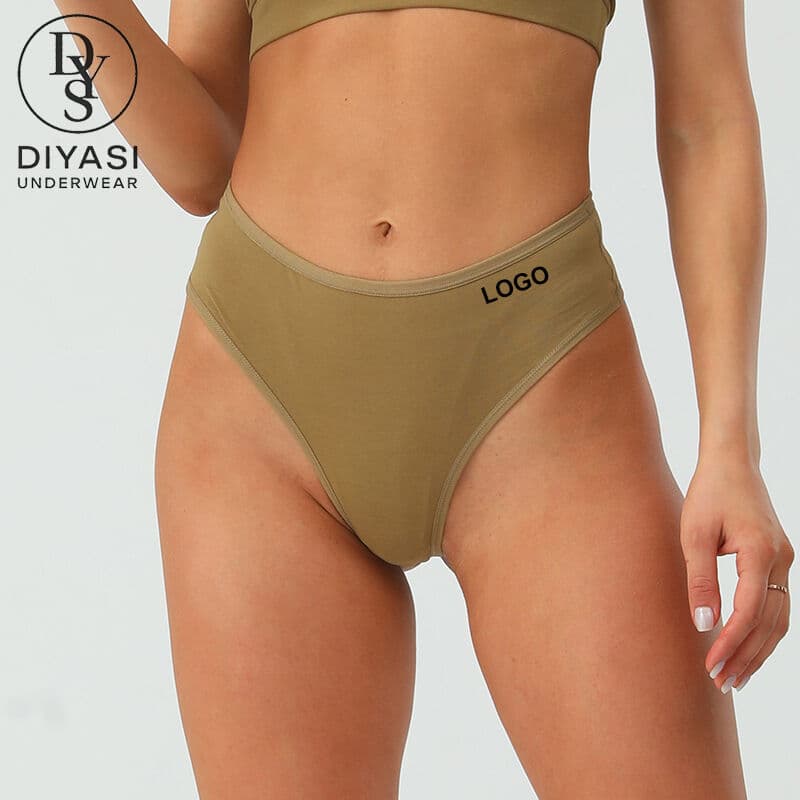
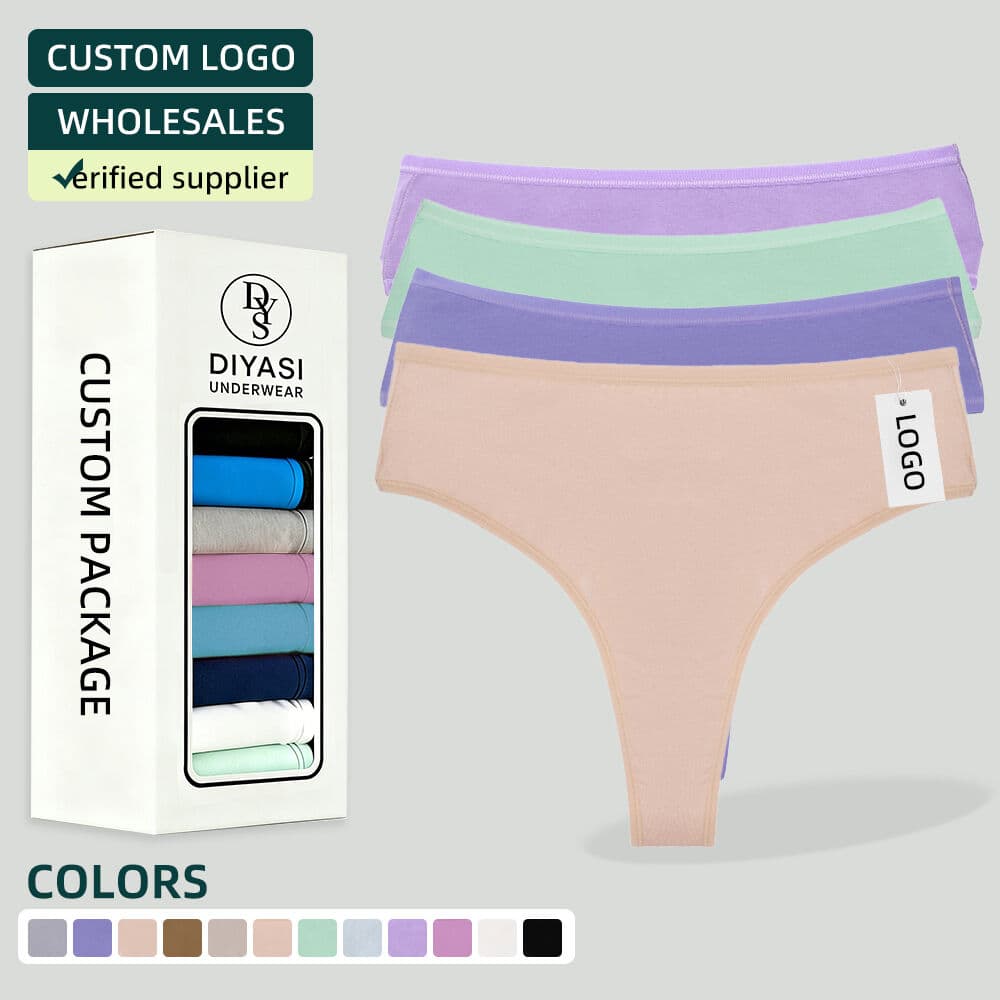
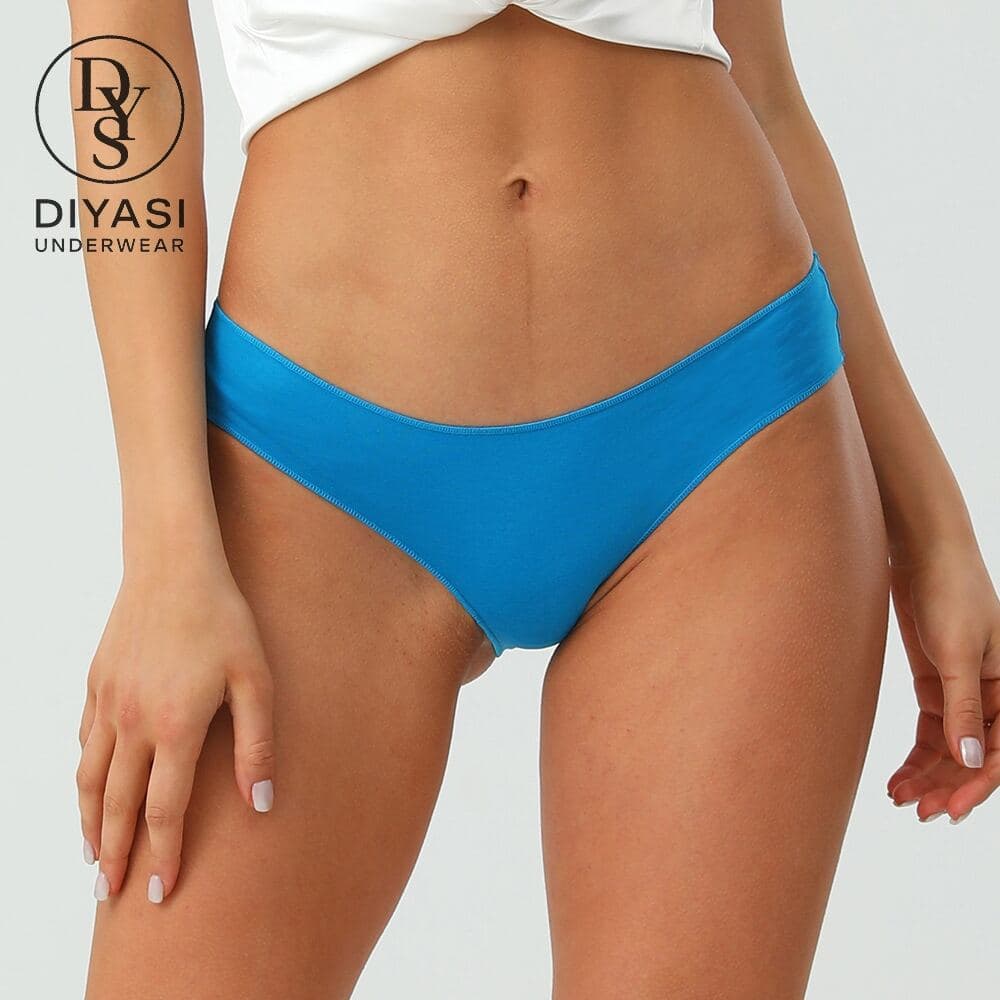
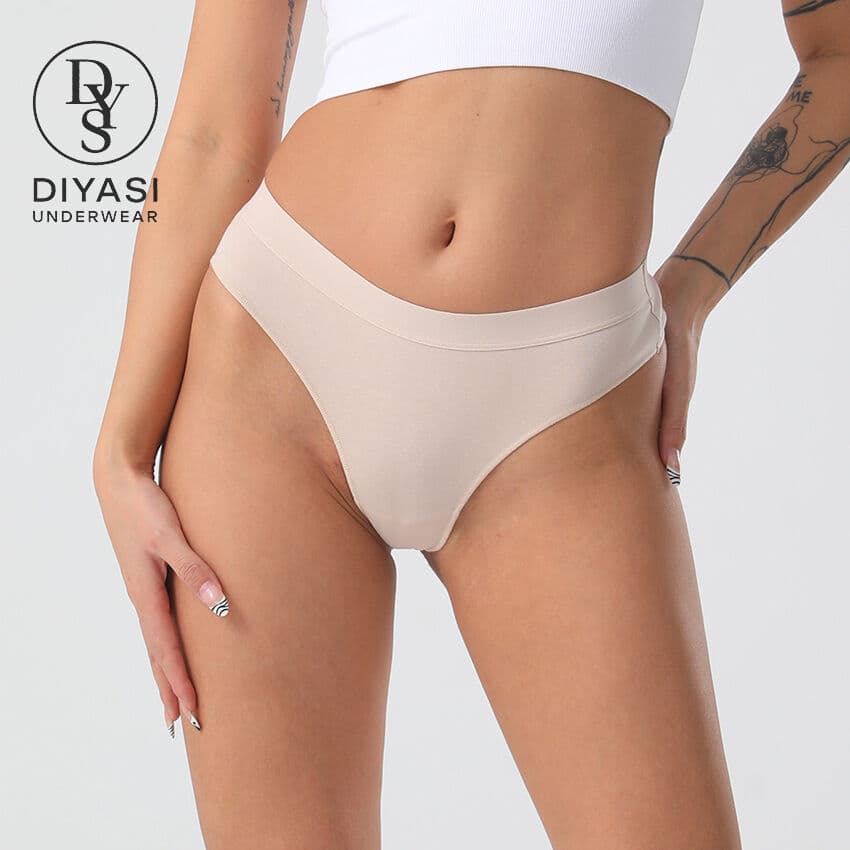
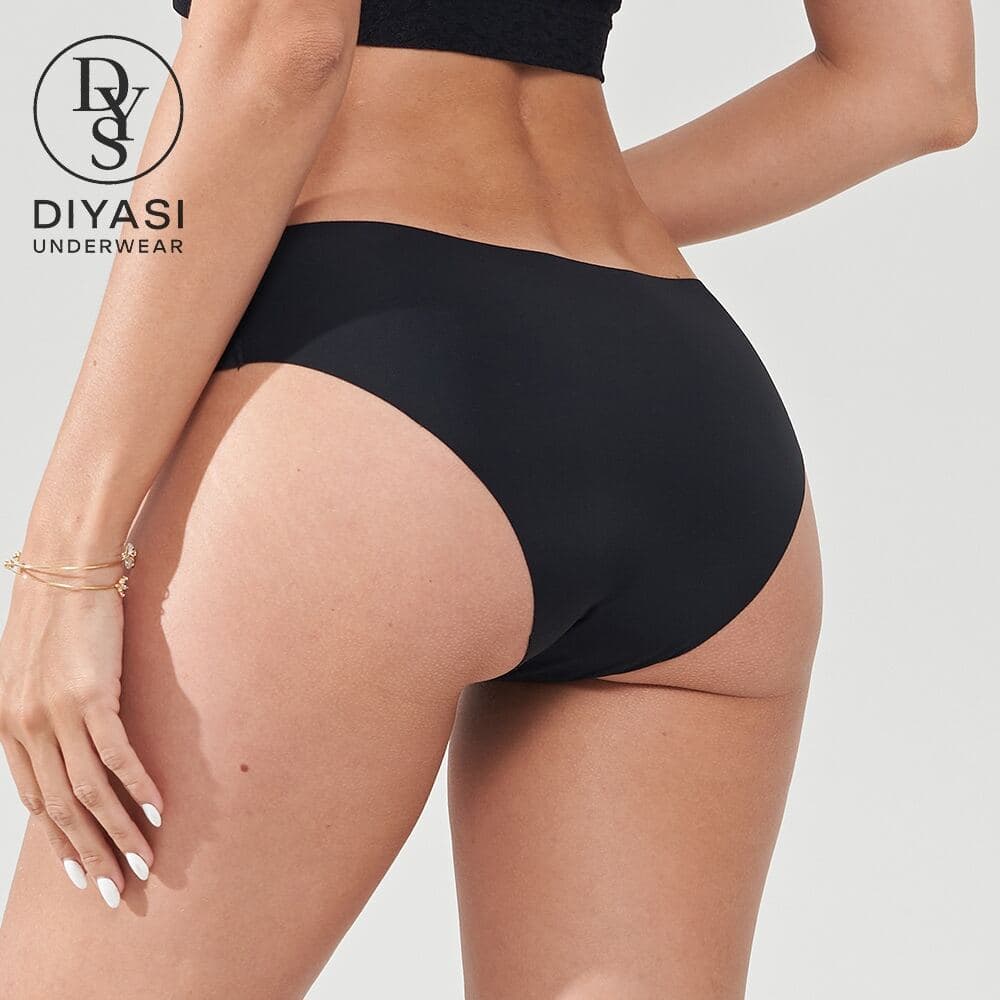
High-waisted underwear attracts shopper interest, but a high rise does not specify leg line or rear coverage. A retailer can build a clearer range by showing why each high-waist shape exists. DIYASI's DYS219 high-leg brief, DYS210 long-leg brief and DYS225 thong all use cotton-spandex material references while serving different coverage choices. Confirm current sizes and colors for the intended order before presenting a complete assortment.
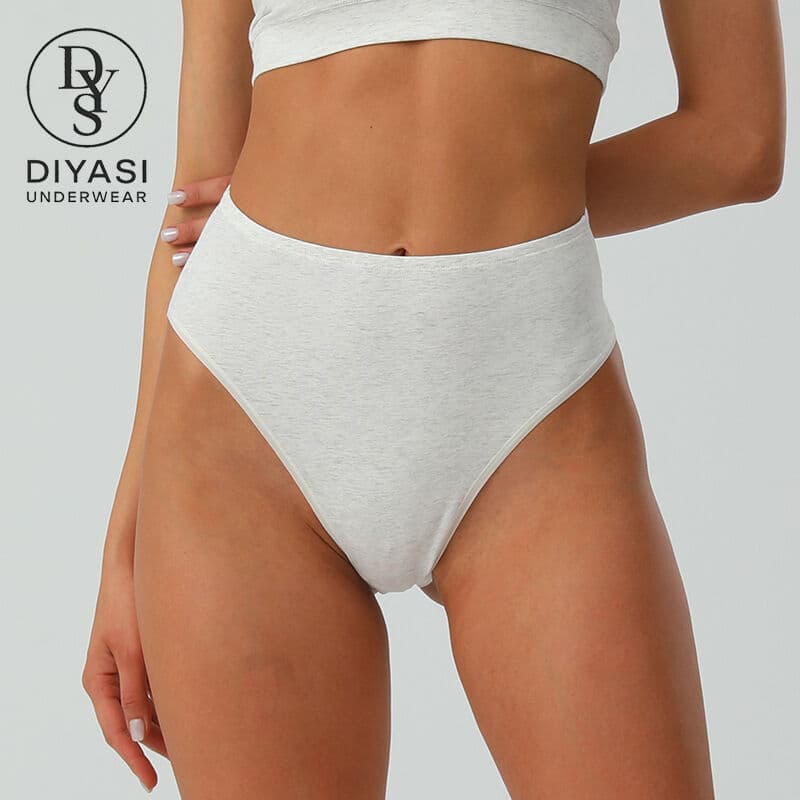
Separate rise from leg and rear coverage
Use a common measurement method for front and back rise, waistband height, side seam and leg opening. A high-leg brief exposes more of the upper leg than a long-leg style, while a thong changes rear coverage. Those shapes cannot be reduced to a single 'high-waist' attribute. Give each style a front, side and back image so the consumer understands the difference.
DYS219, DYS210 and DYS225 are three actual catalogue references, not interchangeable variants of one pattern. Compare physical samples in the selected sizes. Record where the waistband sits during movement and whether the leg opening or longer leg stays in the intended position.
| Style | Distinct starting point | Sample question |
|---|---|---|
| DYS219 | High-leg high-waist brief | Is leg line and rear coverage as intended? |
| DYS210 | Long-leg high-waist brief | Does the leg remain in place? |
| DYS225 | High-waist cotton thong | Does minimal rear coverage suit the range? |
| All three | Cotton-spandex source reference | Are order components confirmed? |
Choose a small, explainable assortment
A buyer does not need every silhouette in every color. Start with a defined customer use case and decide whether the range needs full coverage, a long leg or a lower-visibility rear line. Keep the number of sizes and colors within the quantities the factory confirms for the selected models. Avoid treating a catalogue color count as guaranteed current stock.
The size ranges on public product pages can differ. Verify the exact size chart and availability before promising a shared range. A retailer's line sheet should show each style's actual model, fibre components, size scale and sample status instead of copying one generic high-waist description. That choice also shapes which images and filters the retailer needs to prepare.
Approve fit and product copy together
Review the waistband after sitting and bending, then inspect the leg line and seat. If a sample rolls or shifts, record the location and conditions before requesting a pattern or elastic change. The accepted sample becomes the reference for measurements and visuals.
Use precise titles such as high-leg high-waist brief or high-waist thong. A broad 'tummy control' or shaping claim would need design and performance evidence beyond the catalogue labels. Keep marketing copy limited to verified rise, material and silhouette facts.
Common buyer questions
Does high-waist mean full rear coverage? No. DYS225 is a high-waist thong, while DYS219 and DYS210 are different brief shapes.
Can the three models share one size chart? Confirm measurements and grading for each pattern first.
What belongs in the first sample brief? Include use case, model references, target coverage, sizes, colors and waistband review steps.
Put your research to work
Browse high-waist styles ↗Compare briefs and thongs ↗Review waistband roll-down ↗Ask about a high-waist range ↗Product sources
Product examples refer to the linked DIYASI source specifications. Confirm the final materials, measurements and availability for your selected sample.
DYS219 original product specification ↗DYS210 original product specification ↗DYS225 original product specification ↗A starting point for your collection.
Share your selected model numbers, intended market and sample requirements with the DIYASI team.
Discuss your collection ↗