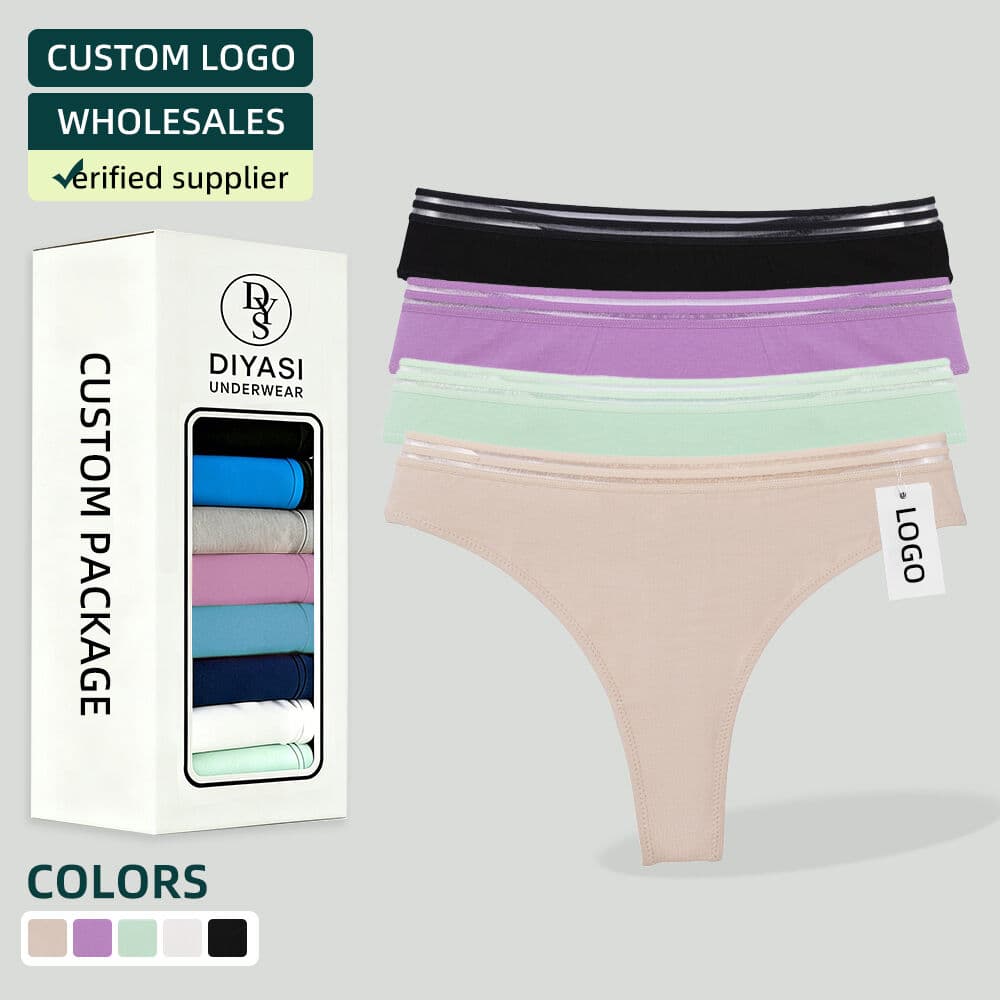
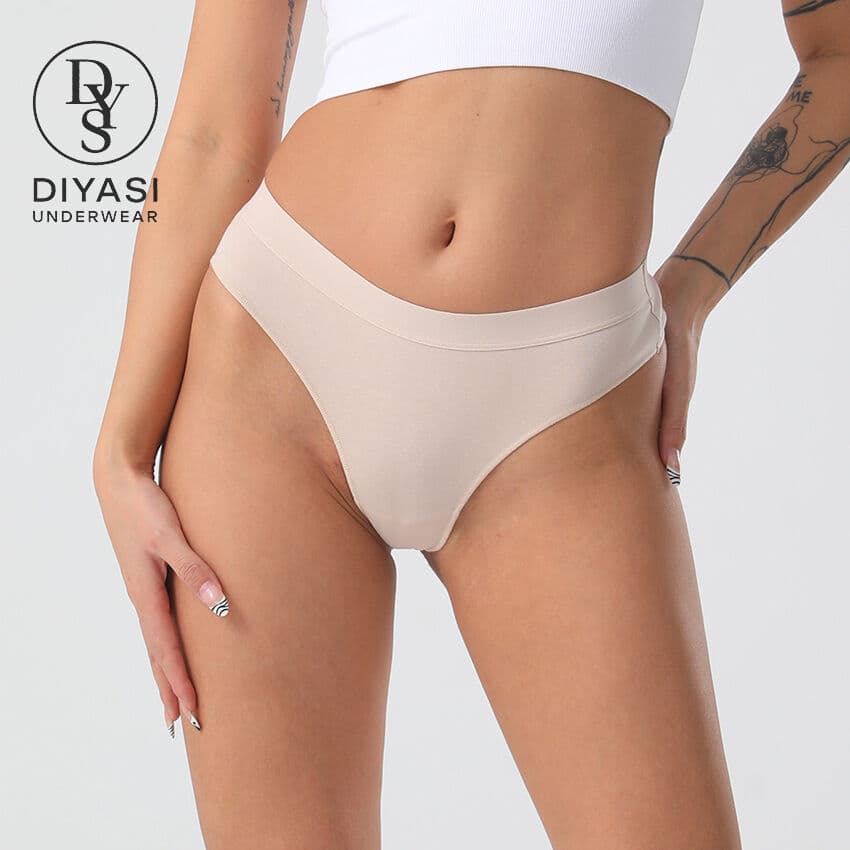
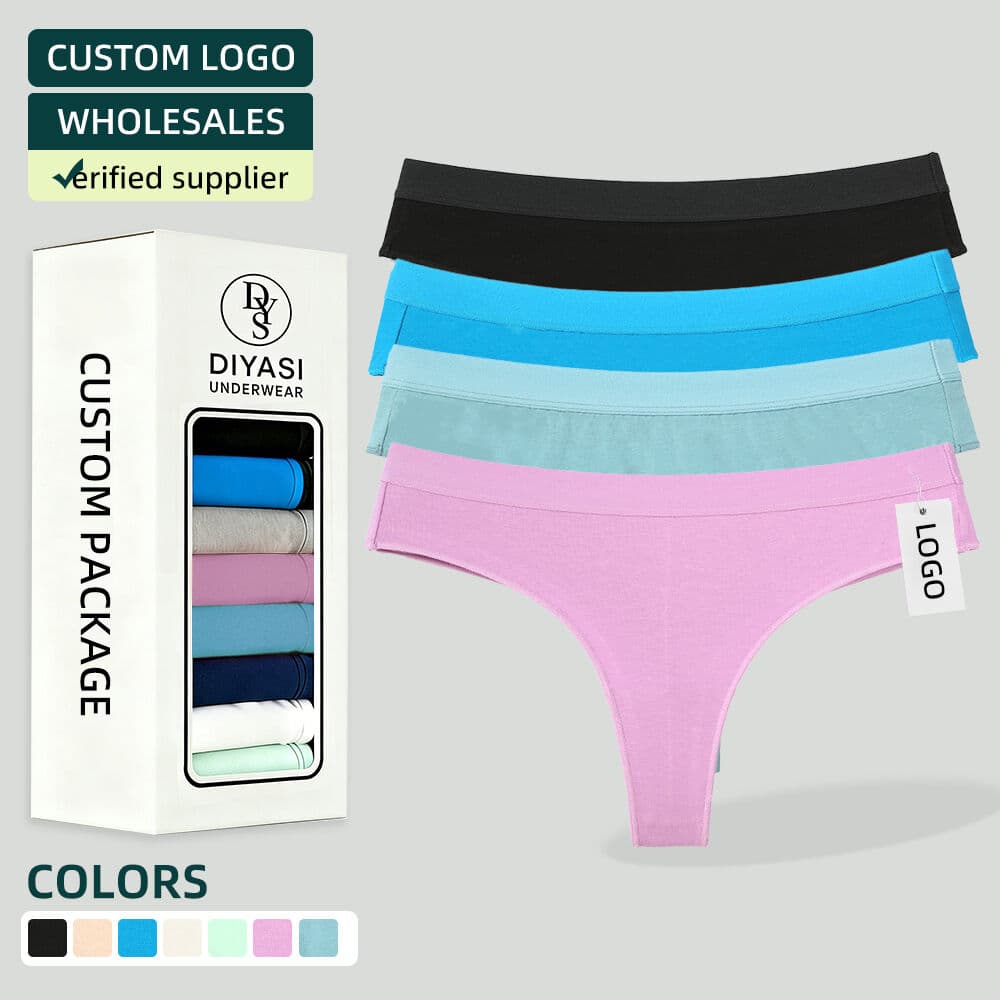
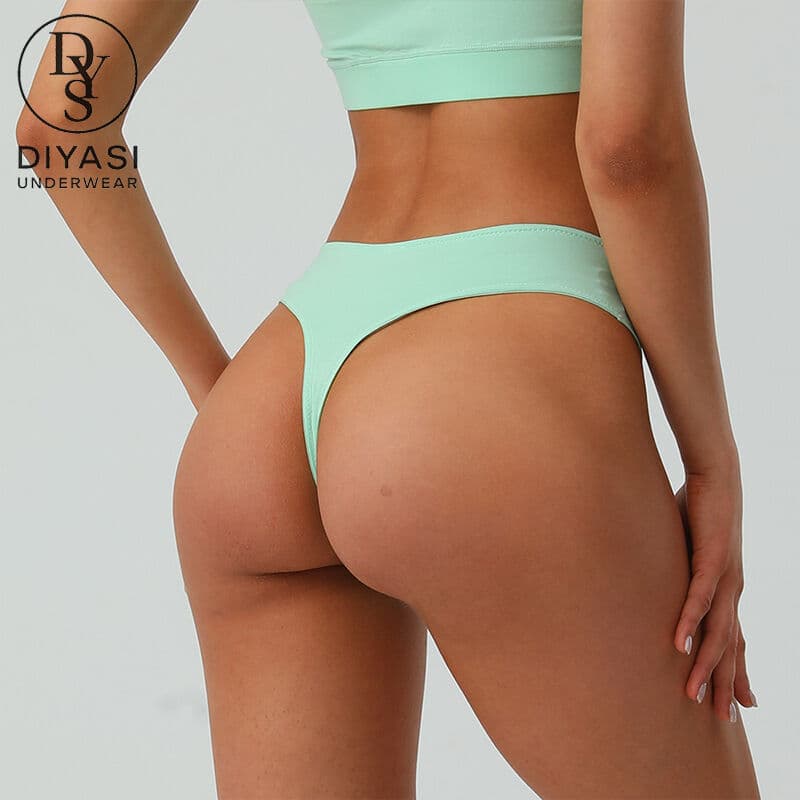
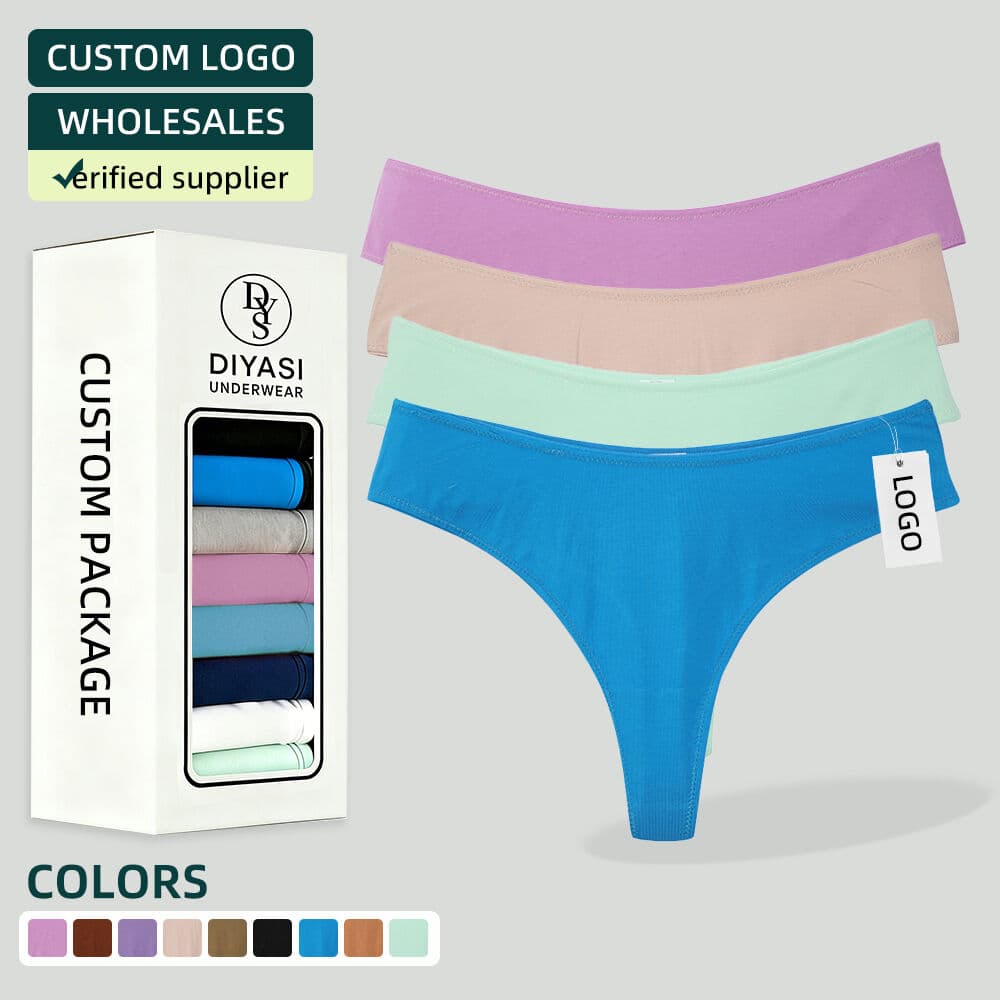
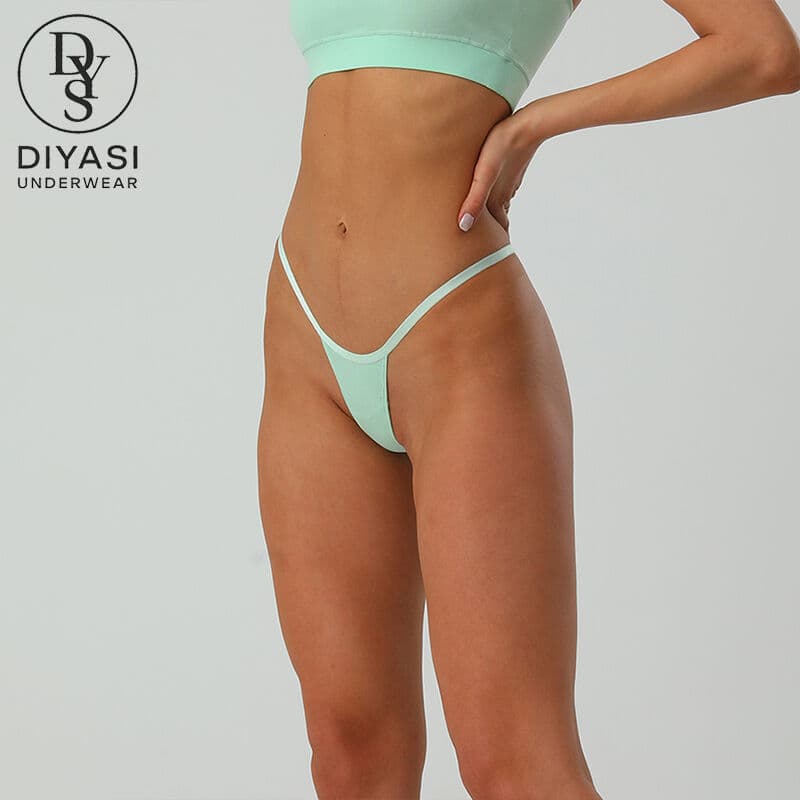
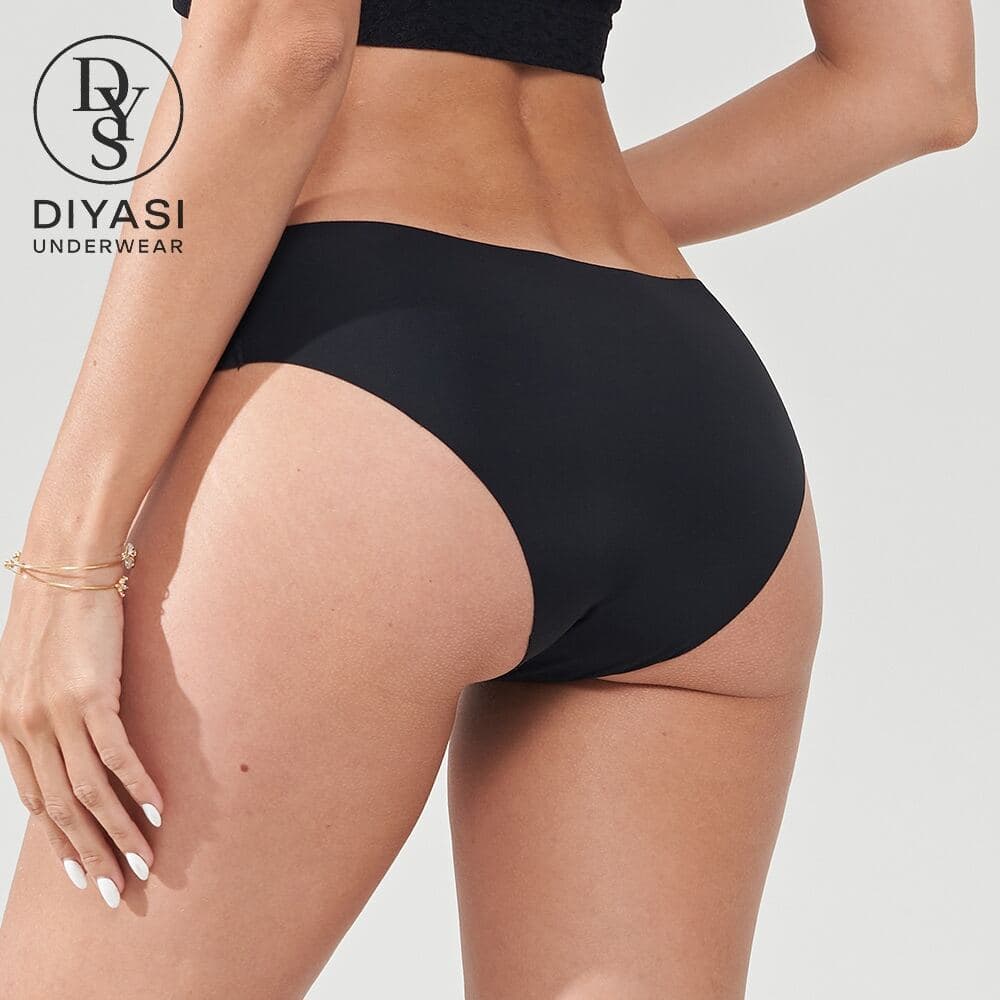
Tanga is a variable retail term, so an underwear sourcing brief should pair it with front-and-back references and measurements. In the DIYASI catalogue, DYS208 provides a cotton tanga direction between a classic brief and a minimal thong in visual coverage. Compare it with DYS202 bikini and DYS229 thong by the actual back panel and side construction. Do not assume every supplier uses tanga to mean the same amount of coverage.
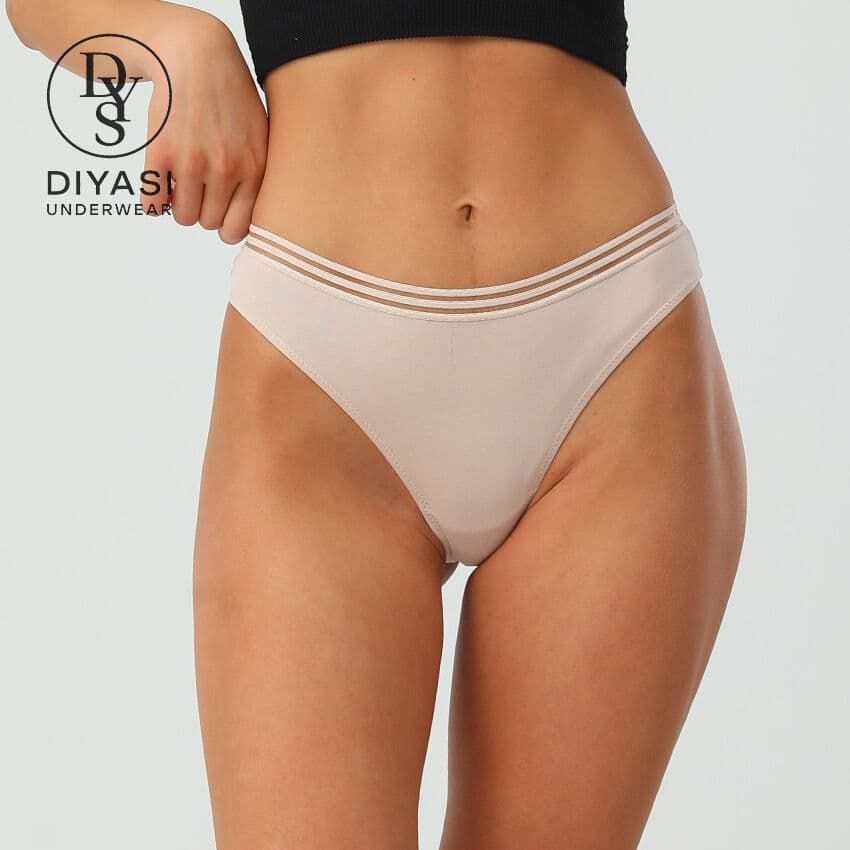
Use one identifiable style for each comparison
The selected DYS208, DYS202 and DYS229 styles all list 95% combed cotton and 5% spandex, with sizes S through XL. They nevertheless have different shapes and waistband details. The shared blend is a material reference, not proof of identical stretch, weight or fit.
Request back views taken at a comparable angle and identify the photographed size. Front images can make different silhouettes look similar. A side or back view is more useful for explaining the coverage change a buyer wants to make.
| Reference | Catalogue direction | Compare on the sample |
|---|---|---|
| DYS202 | Regular-rise cotton bikini | Back-panel coverage and side height |
| DYS208 | Regular-rise cotton tanga | Rear shape relative to the bikini and thong |
| DYS229 | Mid-rise cotton thong | Narrow-back shape and gusset connection |
Describe the rear shape without inventing a coverage percentage
Draw the intended back outline and mark the points that should be wider or narrower. Record width at defined locations, back rise and the relationship to the gusset. A phrase such as half coverage has no reliable production meaning unless the drawing and measurement method explain it.
Keep leg-opening height separate from rear width. Raising the leg line can change the appearance from the front without producing the desired back shape. When comparing samples, note which panel edge is moving and where it should sit on the intended wearer.
Check stability as well as the first impression
A fitting review should observe the back panel after sitting and walking, not just in a static pose. Record shifting, pulling or pressure at specific points. Ask the pattern team to consider coverage, opening tension and gusset placement together before changing the entire size.
Use the same body-size reference when comparing the three silhouettes. If each sample is assessed on a different fit basis, the buyer may attribute a sizing difference to the style name. Keep body measurements and finished-garment measurements in separate records.
Give the tanga a distinct assortment role
A tanga may be worth sampling when customers ask for less rear coverage than a selected bikini but do not want the selected thong. Treat that as a customer requirement to validate. It does not establish that every tanga will fit the same role or sell better than another silhouette.
For the approved style, use consistent naming, diagrams and photographs across the product page, packaging and supplier documents. Explain the actual coverage in customer-facing copy. If a target market uses tanga differently, clear images and a fit description can prevent the name from carrying the whole explanation.
Tanga buying questions
Is tanga always another name for thong? No. Usage varies by supplier and market. Confirm the actual pattern rather than relying on translation alone.
Is tanga the same as Brazilian? The terms can overlap in some catalogues, but they are not universal equivalents. Use the exact model and rear outline in the brief.
Can I develop a new back shape from DYS208? Ask for a pattern review with annotated changes. Confirm sampling work, material requirements and quantities before treating it as an available variant.
Put your research to work
Compare bikini and Brazilian references ↗Understand thong and G-string naming ↗Explore cotton underwear ↗Plan the size-set review ↗Product sources
Product examples refer to the linked DIYASI source specifications. Confirm the final materials, measurements and availability for your selected sample.
DYS208 original product specification ↗DYS202 original product specification ↗DYS229 original product specification ↗A starting point for your collection.
Share your selected model numbers, intended market and sample requirements with the DIYASI team.
Discuss your collection ↗