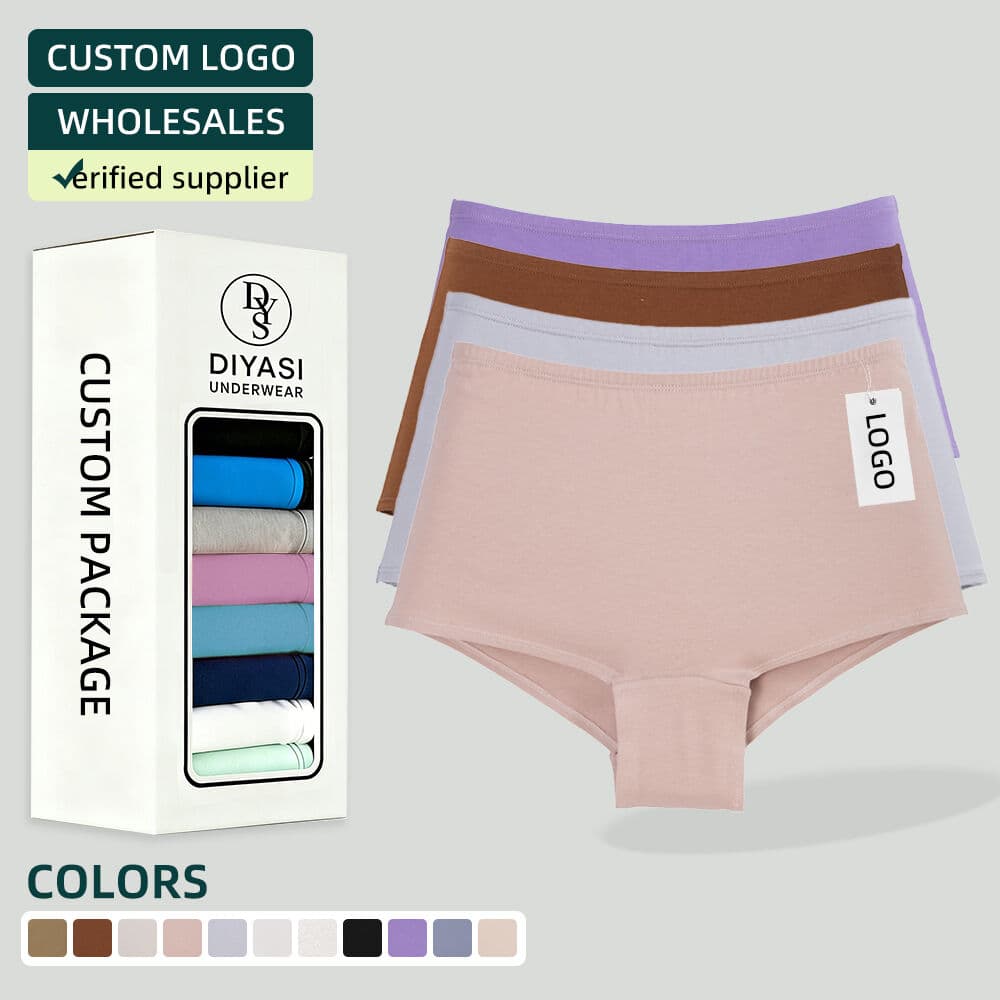
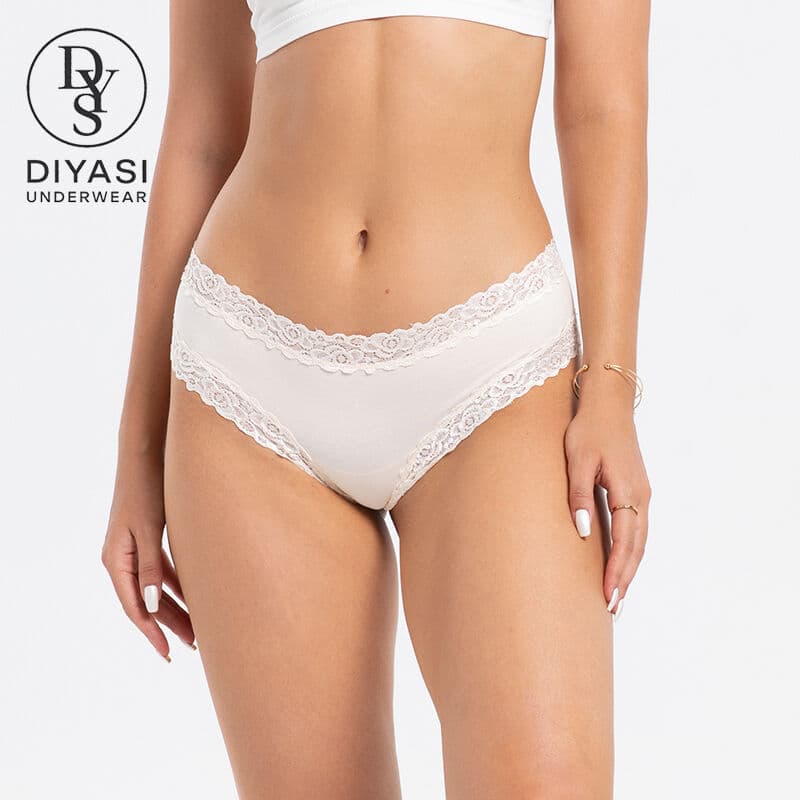
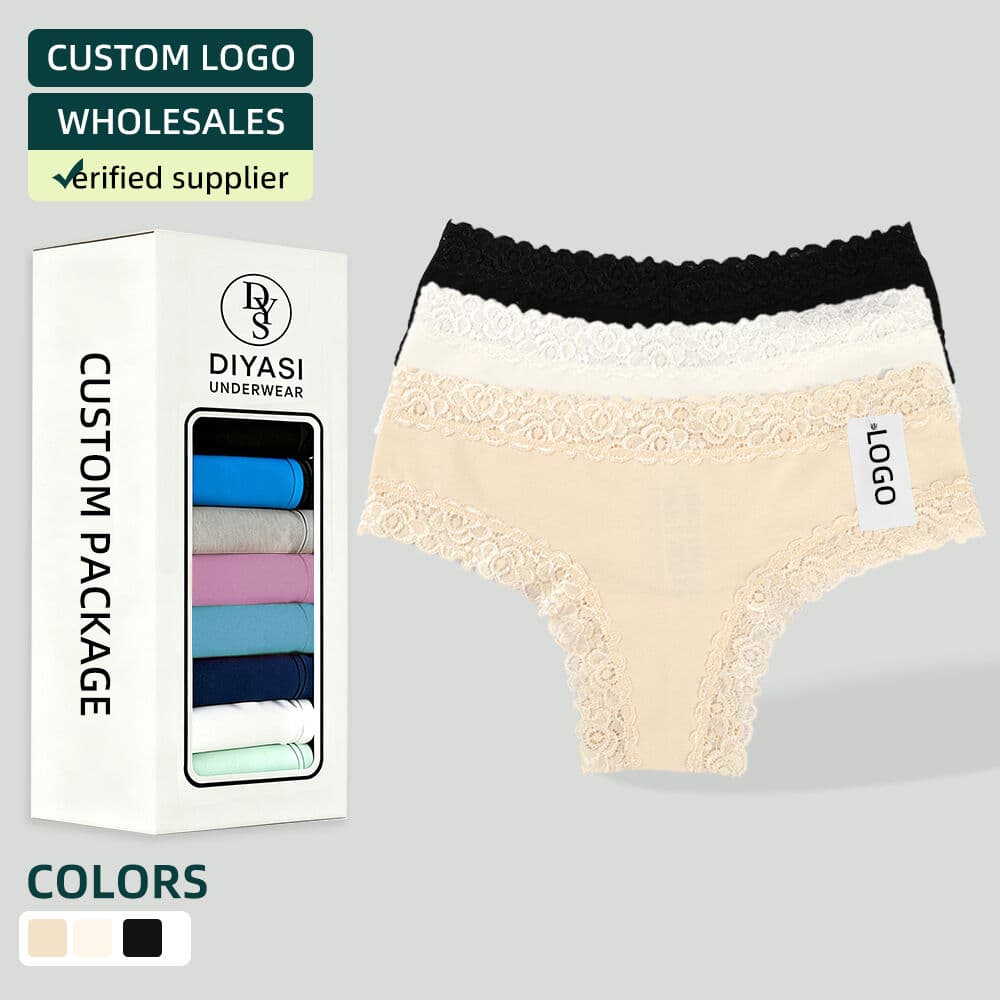
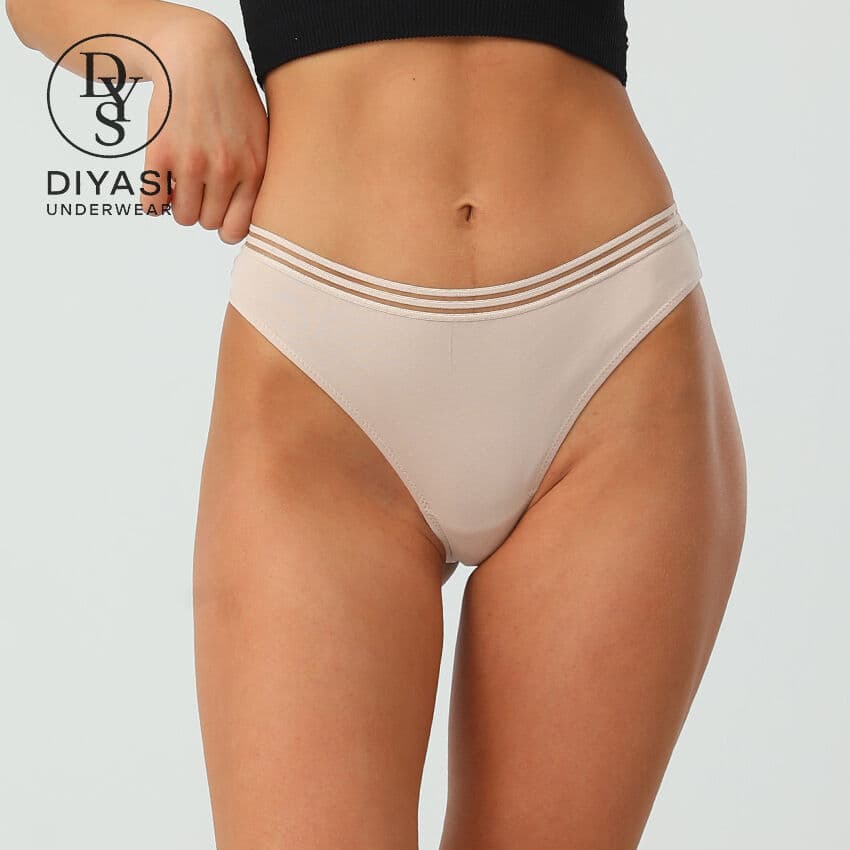
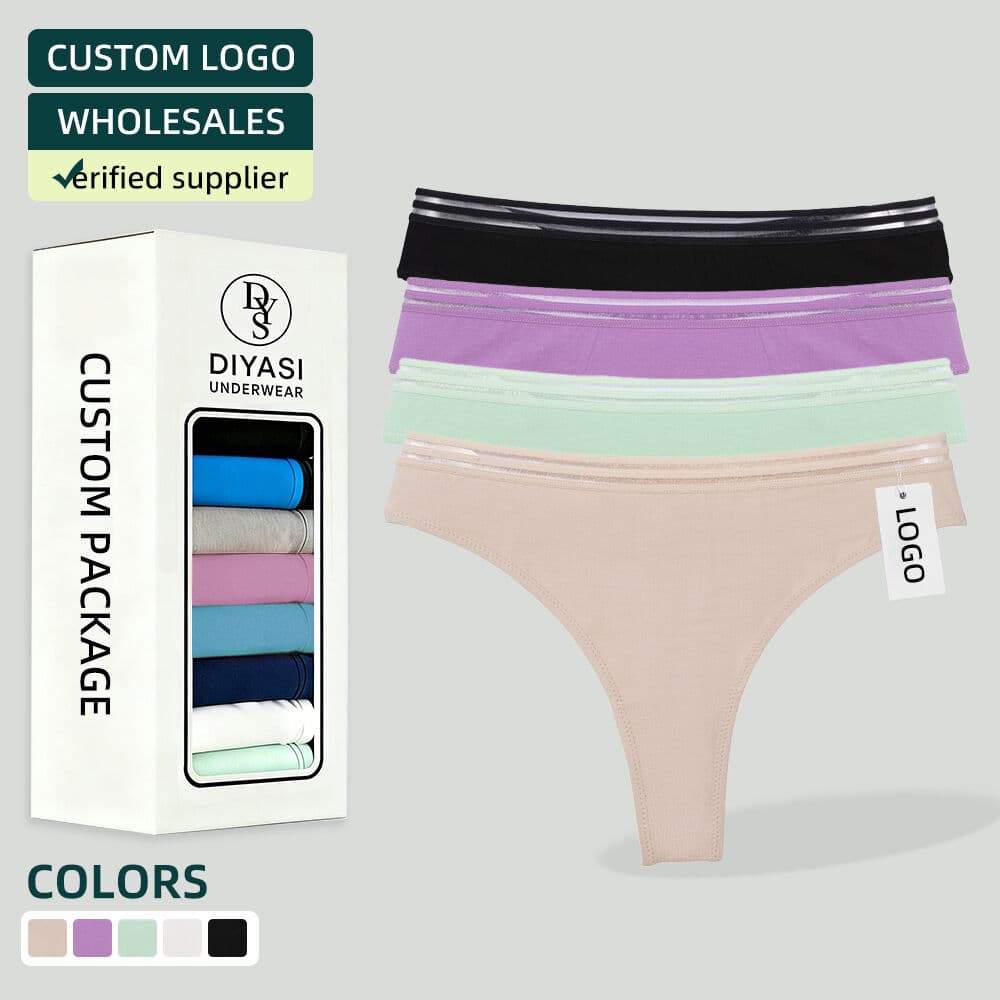
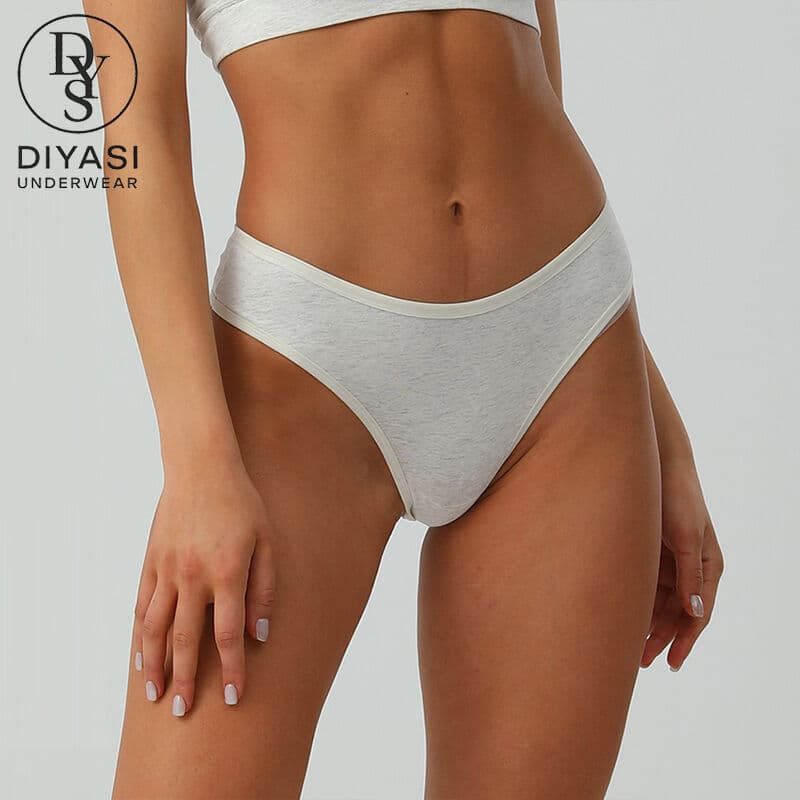
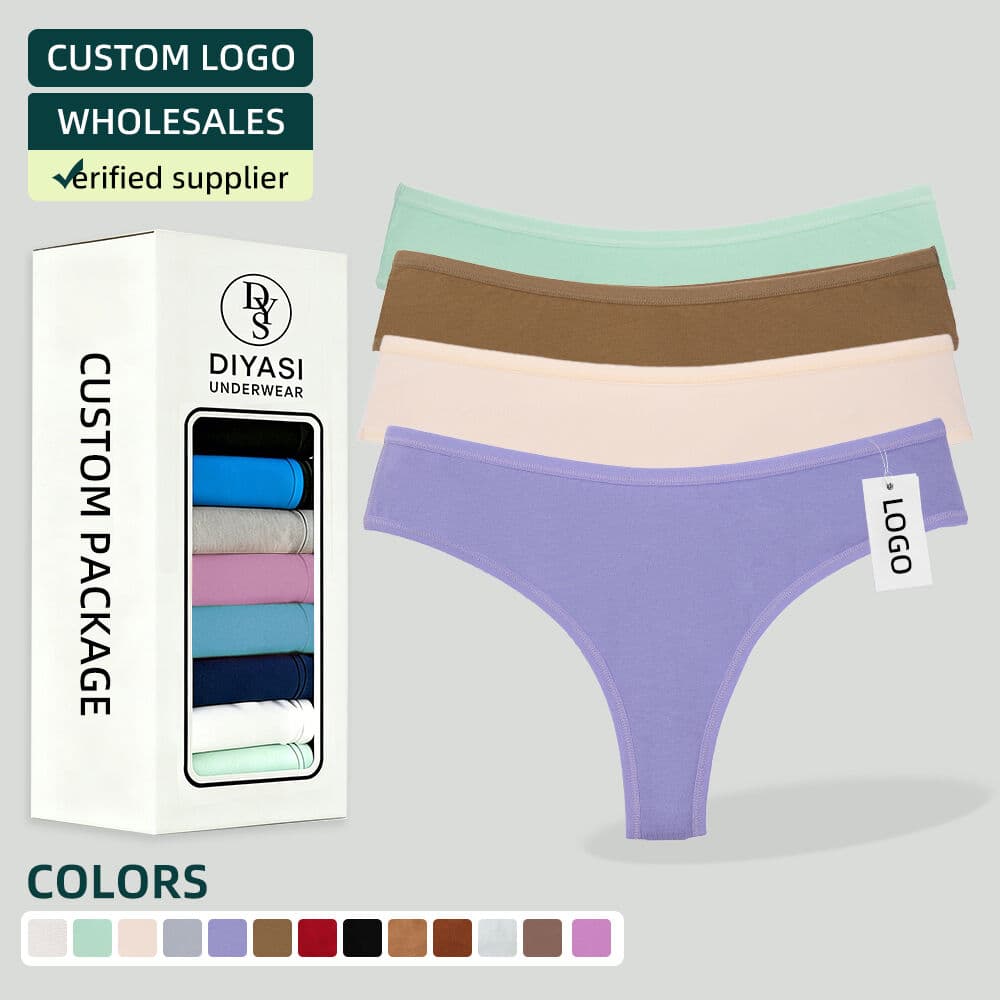
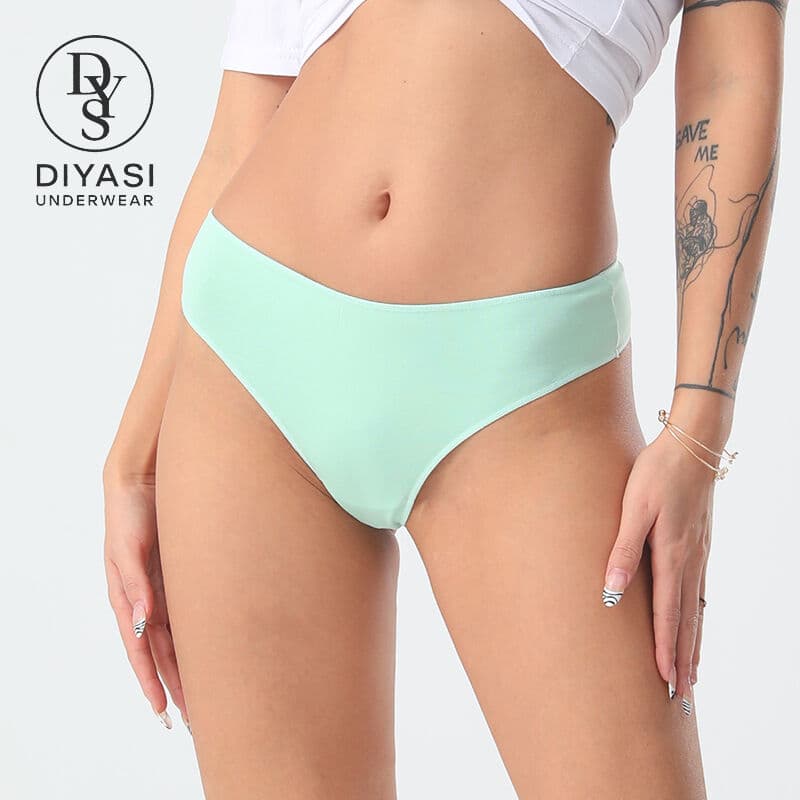
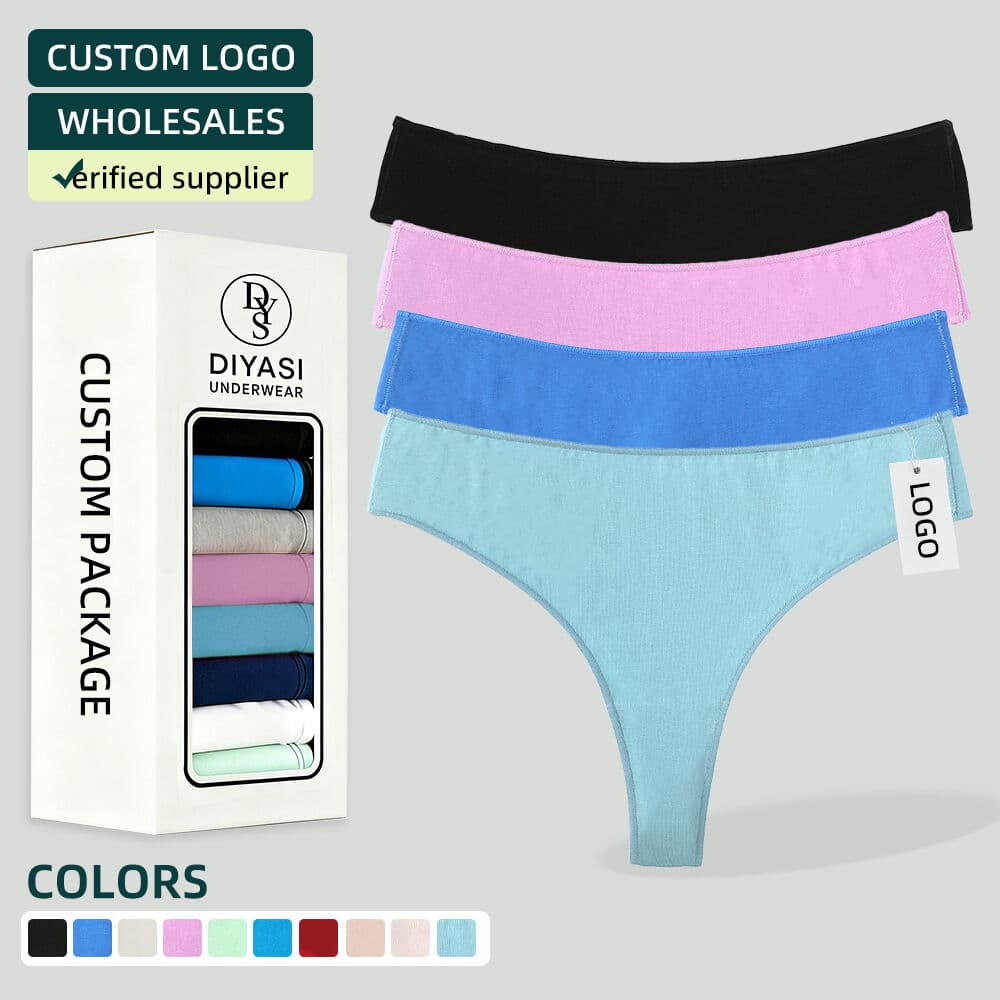
Common types of underwear for women include briefs, bikinis, hipsters, boyshorts, Brazilian or cheeky cuts, tangas, thongs and G-strings. Their main differences are how much of the back and hips they cover, how high the waistband sits, and the shape of the leg opening. Cotton and lace describe materials; seamless describes construction or an edge treatment. Those labels can apply to several shapes. Use the comparisons below to identify a silhouette, then check the exact product's front, back and size information.
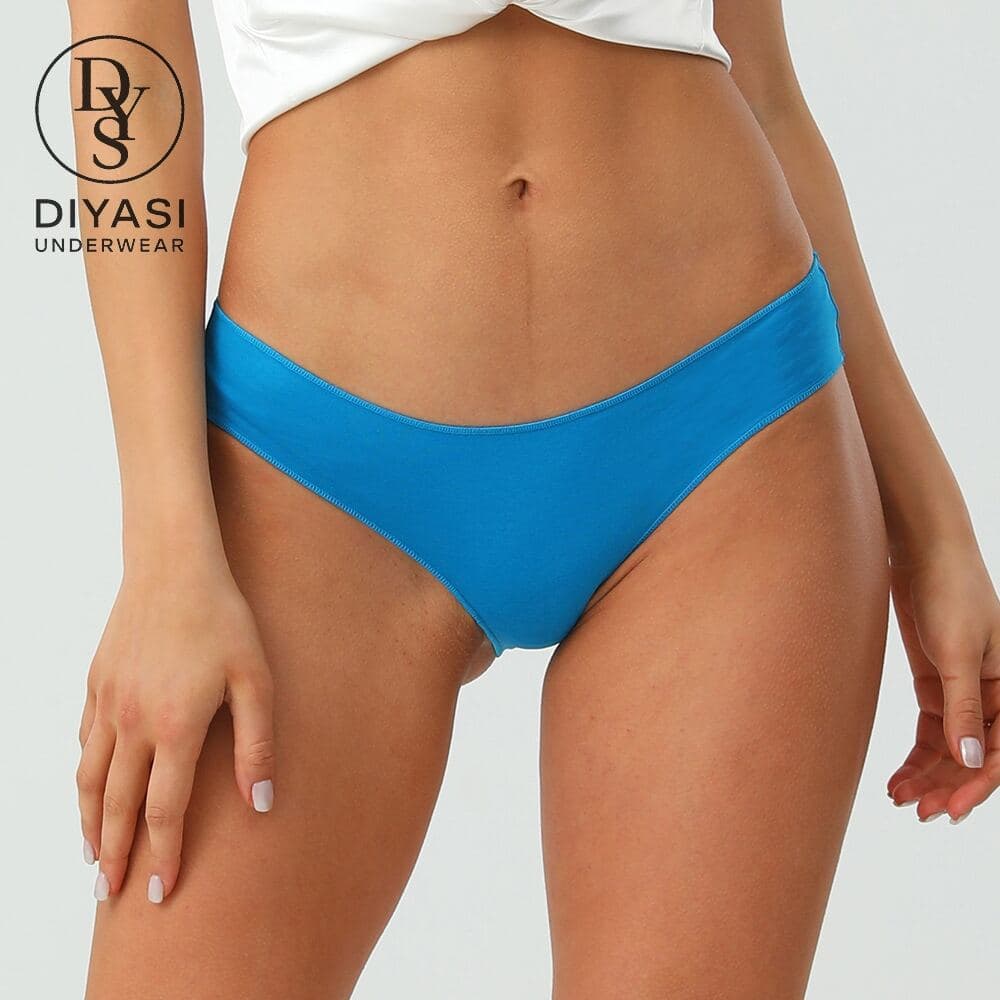
Women's underwear types at a glance
Style names are useful shorthand, but they are not standardized measurements. A bikini from one brand can have more coverage than a brief from another. The table describes common usage and points to identifiable DIYASI examples where the catalogue supports the name. Hipster and cheeky are included to help interpret shopping terms, not to claim an additional verified product range.
| Type | Typical shape or coverage | What to compare |
|---|---|---|
| Brief | A shaped front and back without a shorts-style leg | Rise, side width and back coverage; DYS219 is a high-leg example |
| Bikini | Usually narrower sides and a lower waist position than a full brief | Leg curve and front/back rise; DYS201 |
| Hipster | Typically sits around the hips with relatively broad sides | Check the back and leg cut; names overlap with briefs and bikinis |
| Boyshort | A more horizontal, short-like leg opening | Leg length, hem position and movement; DYS214 |
| Brazilian / cheeky | Partial back coverage, with substantial variation between brands | Compare the back photograph and panel width; LS006 is labelled Brazilian |
| Tanga | A reduced-coverage shape between a fuller brief and a minimal thong in this catalogue | Side width and actual back outline; DYS208 |
| Thong | A narrow strip of fabric at the back | Back width, rise and gusset placement; DYS224 |
| G-string | A minimal, string-like back | Strap width, joins and front coverage; DYS204 |
Brief, bikini or hipster: compare the sides and rise
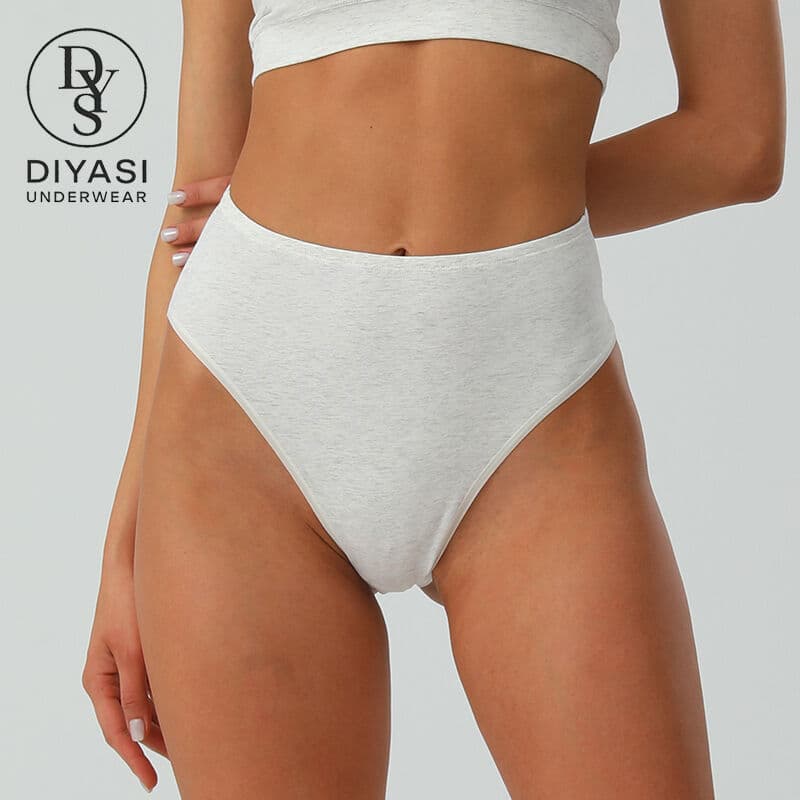
A brief is a broad family rather than one fixed waistband height. A bikini usually has narrower side panels, while a hipster is commonly described by its hip-level waist and broader sides. Look at front rise, back rise and side width together. A low waistband and a high-cut leg are different design choices, and one does not imply the other.
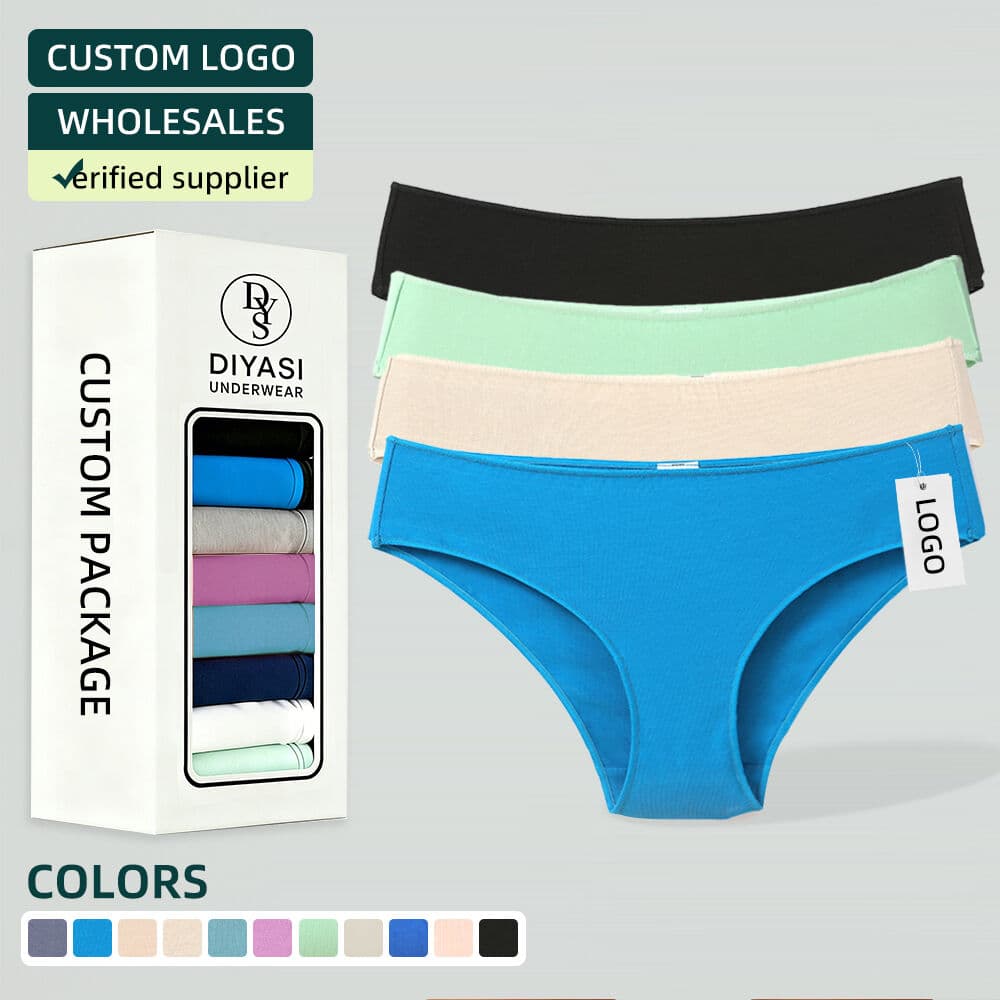
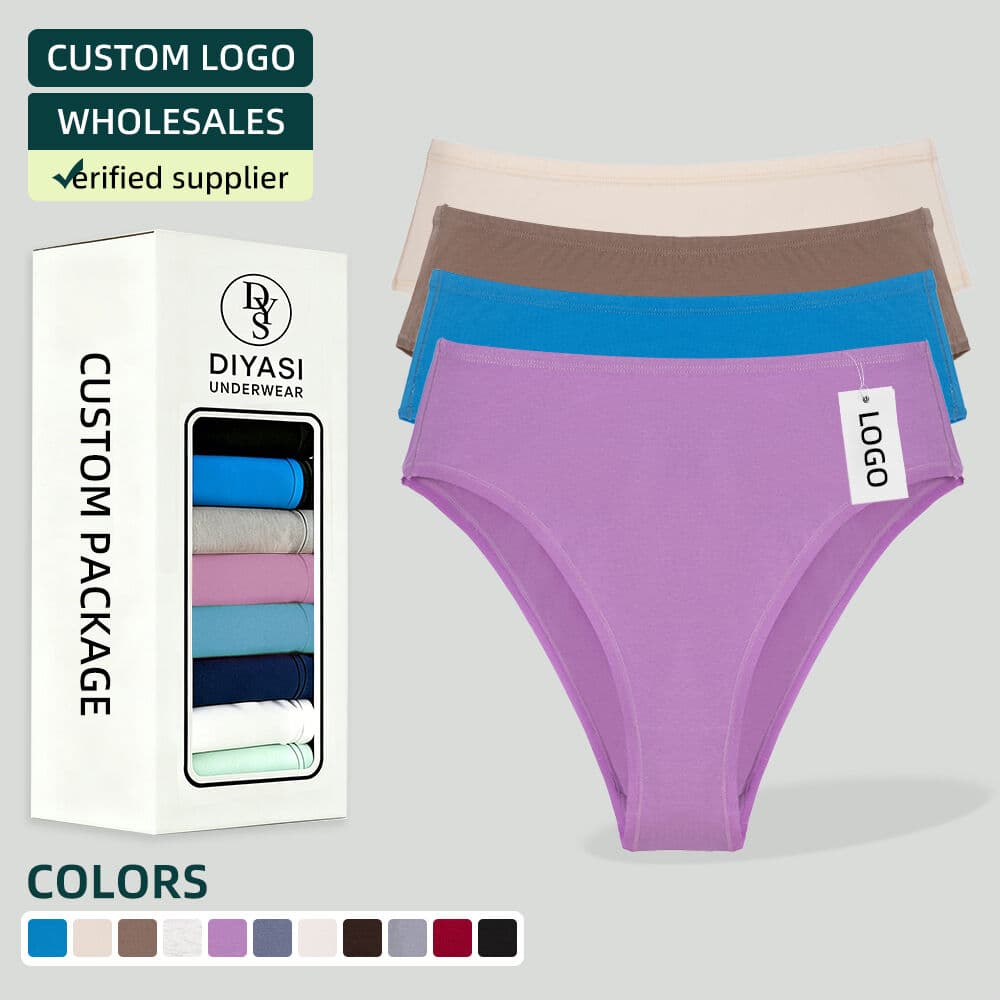
DIYASI DYS201 is a low-rise bikini. DYS219 combines a high waist with a high leg opening, showing why high waist does not necessarily mean low-cut legs or maximum side coverage. Compare each sample against the waistband of the outer clothing you intend to wear or design it for. Do not infer the finished measurements from the style label.
Boyshorts add a different leg shape
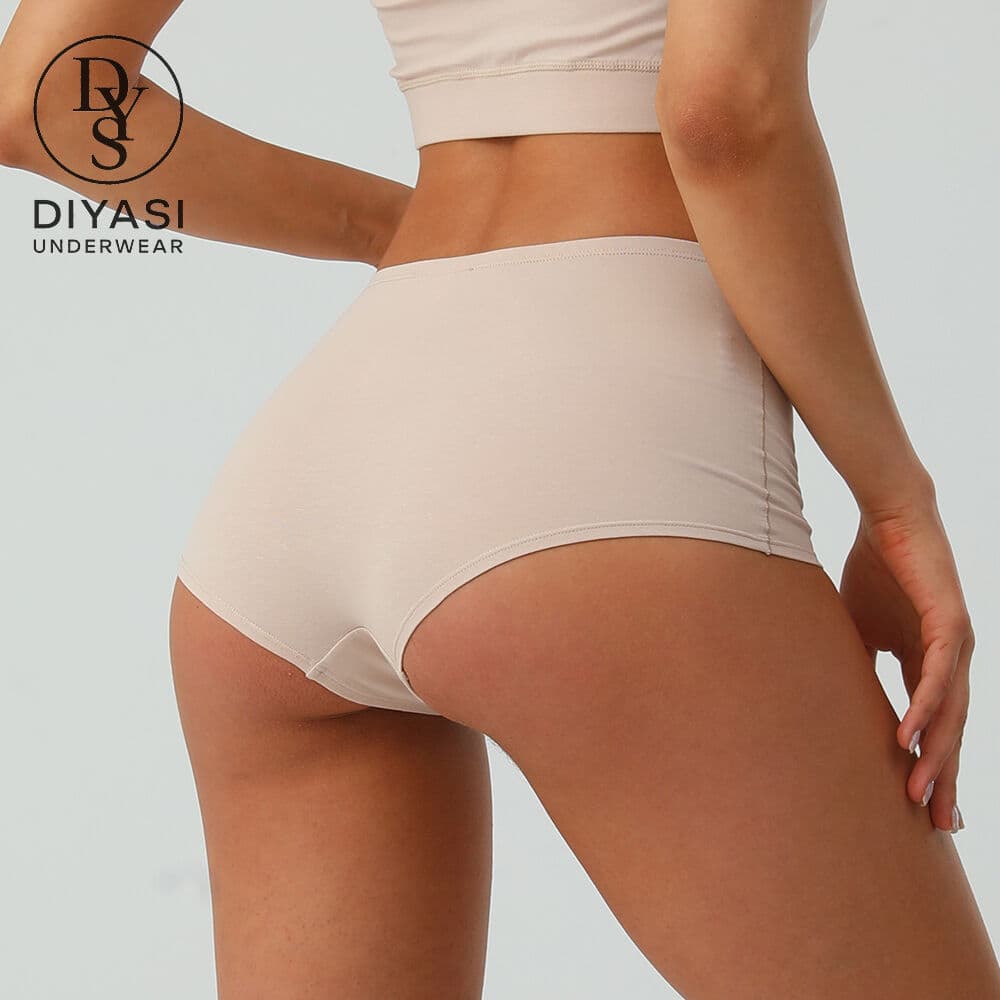
Boyshorts use a more horizontal leg opening and a shorts-like outline. They can offer more side and upper-leg coverage than a bikini or thong, but the amount depends on the pattern. DYS214 is the boyshort reference in this guide; it should not be treated as a long-leg short solely because of its name.
When trying a sample, sit, walk and check where the leg finish rests. If it rolls or feels tight, record the location and compare the opening and stretch. Longer legs do not automatically prevent riding up, and a larger size can change more than the leg fit. For a production brief, request the leg and rise measurements separately.
Brazilian, cheeky and tanga describe reduced coverage
These terms often indicate less back coverage than a fuller brief, but they do not create a universal sequence or fixed percentage of coverage. A front photograph can hide the most useful difference. Ask for the back view and compare how the panel follows the body, where the edges finish and how much the sides cover.
LS006 is listed as a Brazilian brief with lace trim; DYS208 is listed as a tanga. They also differ in materials and finishing, so they are not an isolated test of silhouette. Compare the shape first, then record the body fabric and trim separately. A sample is needed to establish how a particular size sits on the intended wearer.
Thongs and G-strings use a narrow back
A thong usually has a narrow fabric strip at the back, while a G-string often reduces it to a string-like strip. Waistband height is a separate choice. Neither term guarantees that lines will be invisible under fitted clothing; edge finish, size and outer fabric still matter.
DYS224 is the regular-rise thong reference and DYS204 the regular-rise G-string reference. For a fair comparison, inspect the back width, side straps and joins in the intended size. T-string is another catalogue term for narrow-strap styles; our separate G-string and thong guide includes DYS230 and explains why its actual back shape matters more than the letter in its name.
Keep silhouette, fabric and seamless construction separate
A cotton bikini and a cotton thong share a material description but offer different coverage. A seamless brief and a seamless thong can use similar edge treatments while retaining different shapes. High-waisted refers to rise, while high-leg refers to the leg opening. Keeping these features separate makes a product comparison more precise.
The listed DYS201, DYS219, DYS214, DYS208, DYS224 and DYS204 examples specify cotton-spandex blends; they are not 100% cotton styles. LS006 has separate body and lace compositions. DIYASI laser-cut seamless styles form another construction group, with bonded or sewn gussets depending on the model. Check the individual specification rather than carrying one fabric or construction claim across the whole range.
How to choose a shape or build a sample shortlist
Start with the back coverage you prefer, then choose a waist position and leg shape. Compare the size chart for the exact model, keeping body measurements separate from flat garment measurements. Check the waistband, edges and gusset while moving. No cut is universally the most comfortable, and this guide does not rank body shapes or claim a tested winner.
For a brand collection, shortlist different silhouettes before multiplying colours. Record the model, sample size, fabric and requested changes so feedback can be traced to one garment. The product links below let you inspect each reference and add styles to the sample list. Manufacturing enquiries should include the intended market and quantity alongside the chosen models; retail style research alone does not establish stock or order terms.
Put your research to work
Compare women's underwear styles ↗G-string vs thong: back and strap differences ↗bikini vs Brazilian underwear sample measurements ↗What is a gusset in underwear? ↗cotton vs seamless underwear buyers guide ↗high waisted briefs manufacturer ↗private label underwear manufacturer ↗Low-Rise Cotton Bikini Brief DYS201 ↗High-Leg Cotton High-Waist Brief DYS219 ↗Product sources
Product examples refer to the linked DIYASI source specifications. Confirm the final materials, measurements and availability for your selected sample.
DYS201 original product specification ↗DYS219 original product specification ↗DYS214 original product specification ↗LS006 original product specification ↗DYS208 original product specification ↗DYS224 original product specification ↗DYS204 original product specification ↗Buyer questions
What are the main types of underwear for women?
Common cuts include briefs, bikinis, hipsters, boyshorts, Brazilian or cheeky styles, tangas, thongs and G-strings. Names overlap between brands, so compare coverage, rise and leg shape on the actual garment.
Is seamless a type of underwear shape?
Seamless refers to construction or an edge treatment rather than one silhouette. Briefs, bikinis and thongs can all be described as seamless, so check how the specific model is made.
Does high-waisted underwear always have full coverage?
No. High-waisted describes waistband position. Back coverage and leg height are separate design choices.
Which underwear type is most comfortable?
There is no universal best cut. Compare the exact size, waistband, leg edges, gusset and material during movement, using your own fit preferences.
A starting point for your collection.
Share your selected model numbers, intended market and sample requirements with the DIYASI team.
Discuss your collection ↗