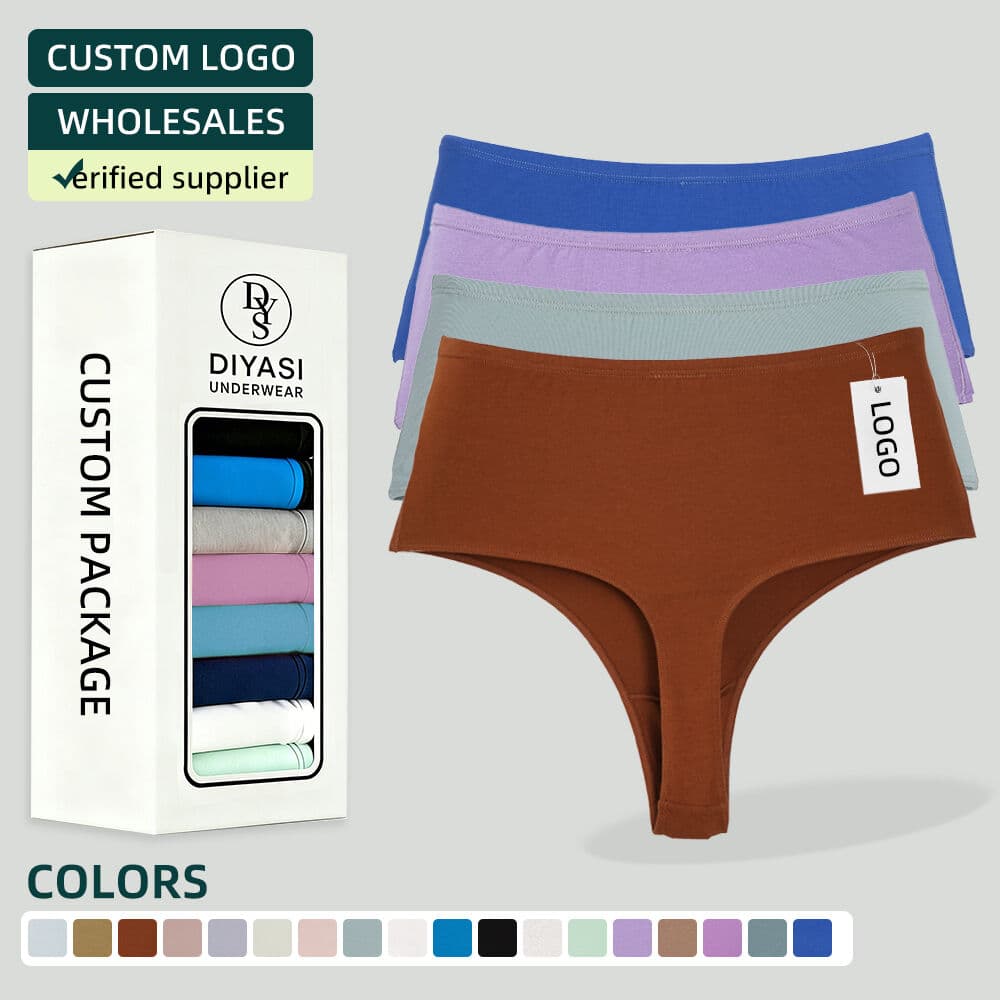
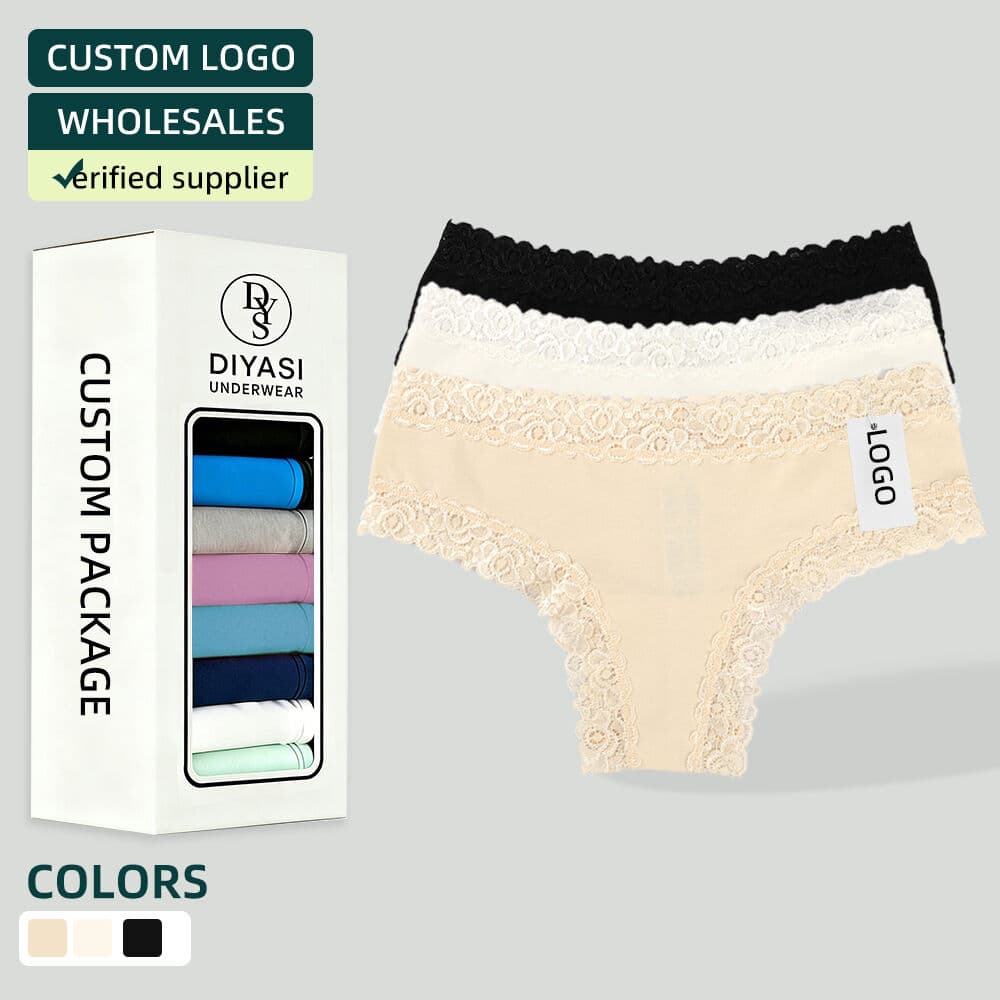
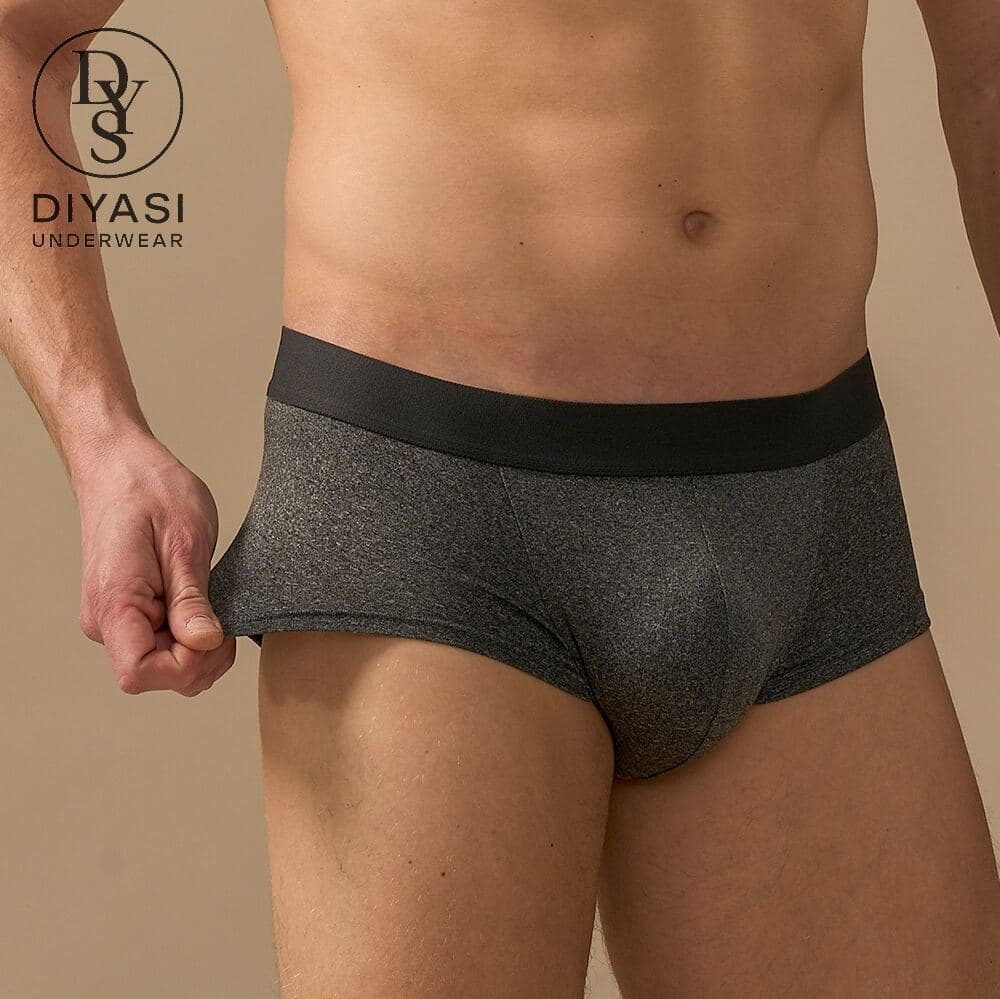
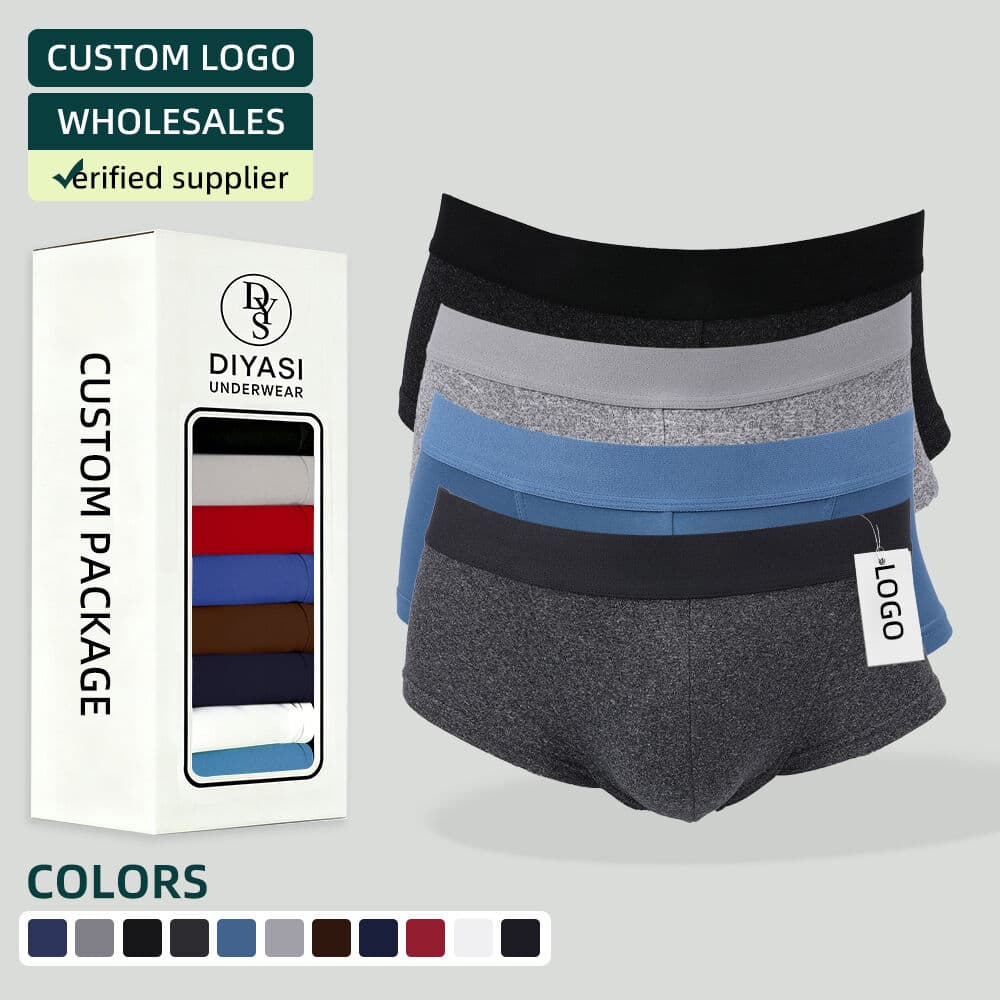
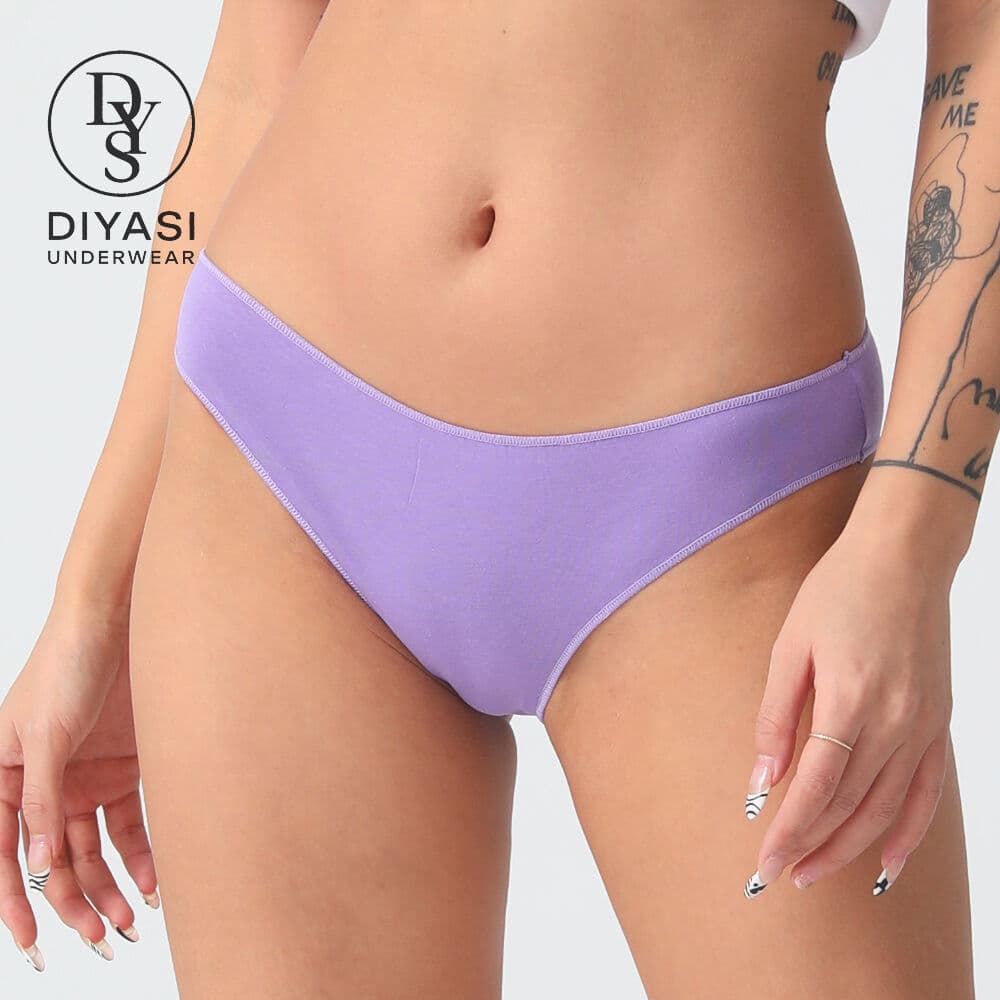
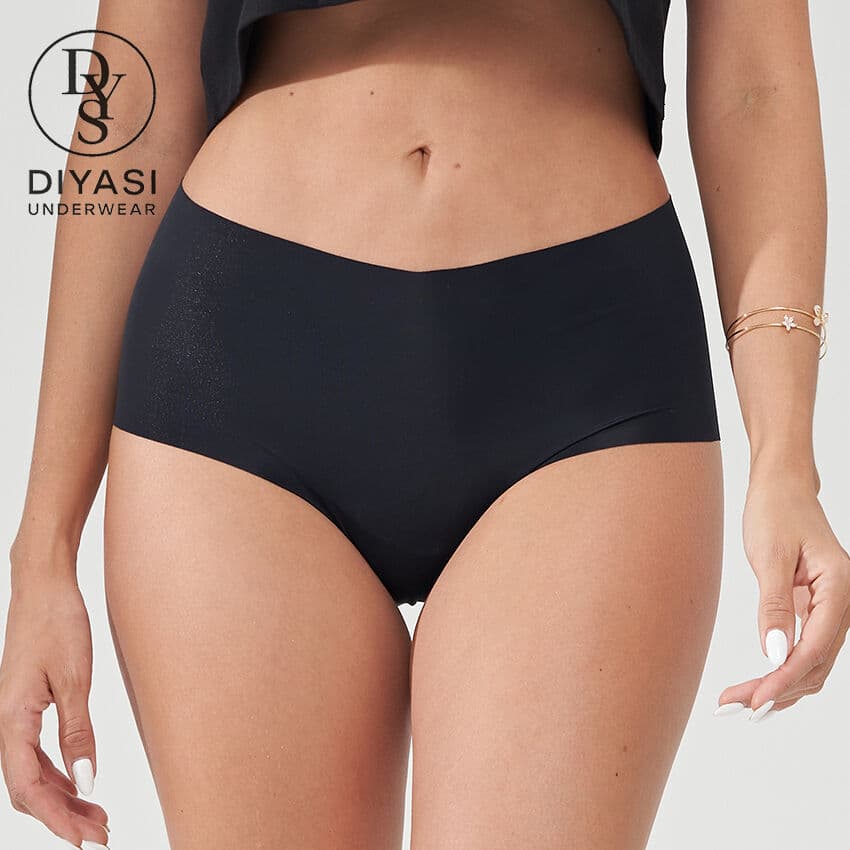
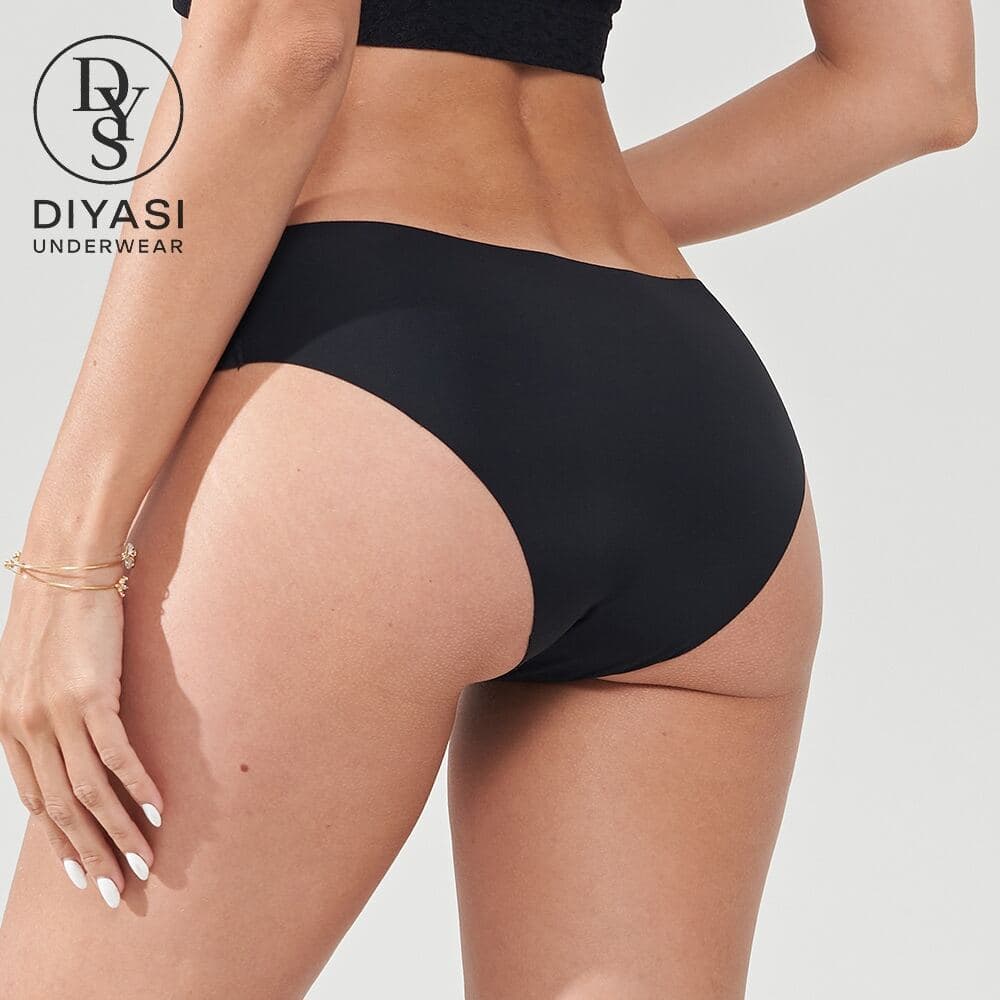
A correct garment can still become unsellable when its printed size, color or barcode identifies another variant. Before printing underwear packaging, join the product specification to a controlled SKU matrix and ask the brand's barcode owner to verify the assigned identifiers. DIYASI's DYS223, LS006 and M001 illustrate different product families; their catalogue model numbers are not retail barcodes. The buyer must supply or approve the retail identifiers and market-specific wording for the intended sales channel.
Create one source of truth for every sellable variant
List style, model, color, size, pack quantity and intended market in a table. Assign the correct brand SKU and barcode value to each sellable combination. Make it explicit whether a multipack has its own identifier and how it differs from each garment inside. Do not copy a barcode from a sample pack onto another color or size.
Keep barcode ownership with the party responsible for the retail listing. The factory can print supplied artwork but should not be asked to invent an identifier. If a marketplace or retailer has its own label rules, obtain the current specification from that channel and reconcile it with the brand's packaging plan.
| Proof field | Compare against | Common mismatch |
|---|---|---|
| Style/model | Approved product matrix | Another silhouette |
| Size and color | Approved variant row | Wrong pack artwork |
| Pack quantity | Sellable-unit definition | Single item used for multipack |
| Barcode | Owner-approved identifier | Duplicate or swapped code |
Review the physical proof, not only the file
Print a proof at the intended size and on the proposed label or card material. Check readable text, sufficient quiet space around the code under the printer's specification, and the position after the package is assembled. Scan the proof with the equipment or workflow used by the receiving channel, then verify that the decoded value maps to the intended SKU. A successful scan alone does not prove the associated product data is correct.
Check packaging artwork alongside the garment and care label. The fiber and care claims need order-specific evidence and market review; a generic template should not be reused blindly. If a size scale changes after fit approval, update the variant matrix and every related label file before printing.
Control revisions through packing
Give each artwork file and matrix a version number. The production order should identify the approved version, quantity and packing unit. At the first packing run, inspect a finished unit from every relevant variant and compare it with the matrix. Keep the signed proofs and record any correction before bulk labels are applied.
Ask the factory to identify leftover labels from earlier versions and how they will be segregated. This is a practical way to prevent a corrected artwork file from being undermined by old printed stock. Confirm the final barcode and label responsibilities in the written quotation.
Common buyer questions
Is a factory model number a retail barcode? No. It identifies a catalogue style; the retail identifier belongs to the brand's sellable-unit system.
Does a scanner pass approve all labels? No. Text, product mapping, size and pack quantity also need review.
When should proofs be repeated? Repeat them after any change to the SKU matrix, artwork, packaging format or receiving-channel requirement.
Put your research to work
Review packaging options ↗Read the SKU packing-list guide ↗Plan a multipack ↗Discuss private-label packing ↗Product sources
Product examples refer to the linked DIYASI source specifications. Confirm the final materials, measurements and availability for your selected sample.
DYS223 original product specification ↗LS006 original product specification ↗M001 original product specification ↗A starting point for your collection.
Share your selected model numbers, intended market and sample requirements with the DIYASI team.
Discuss your collection ↗