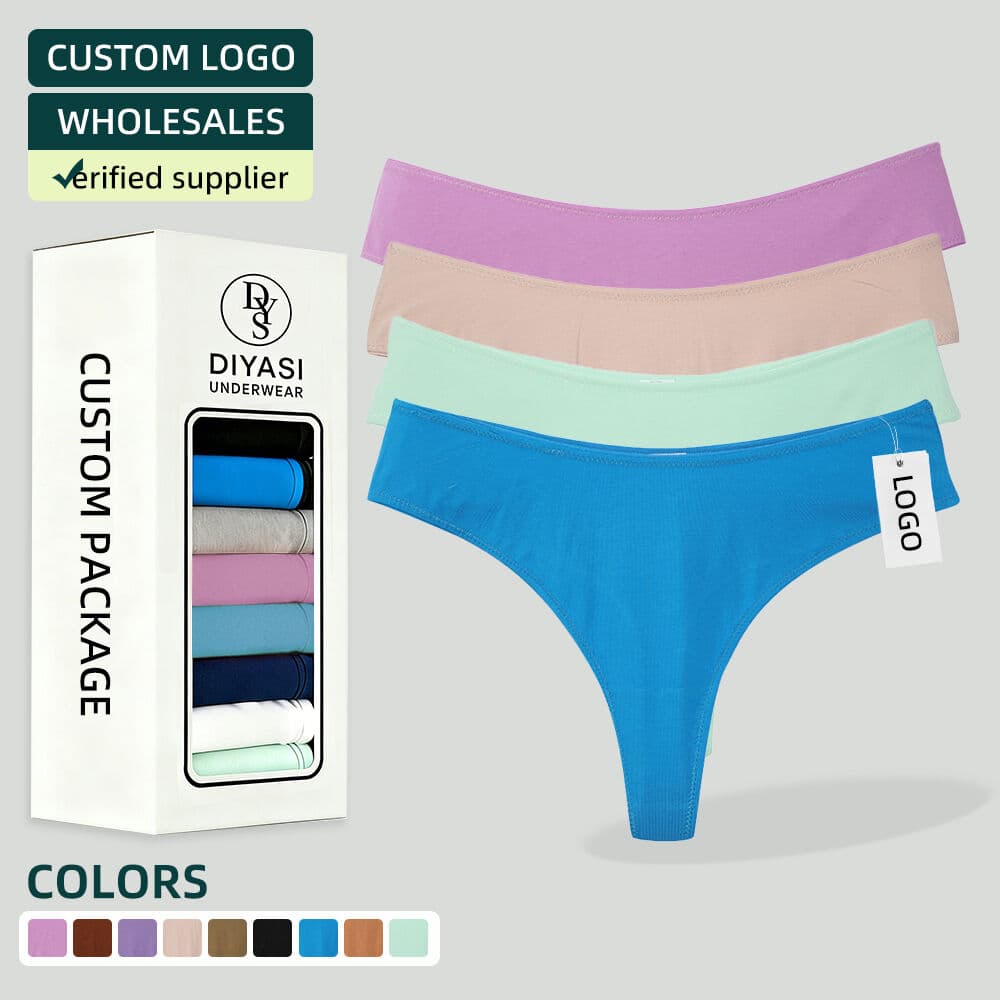
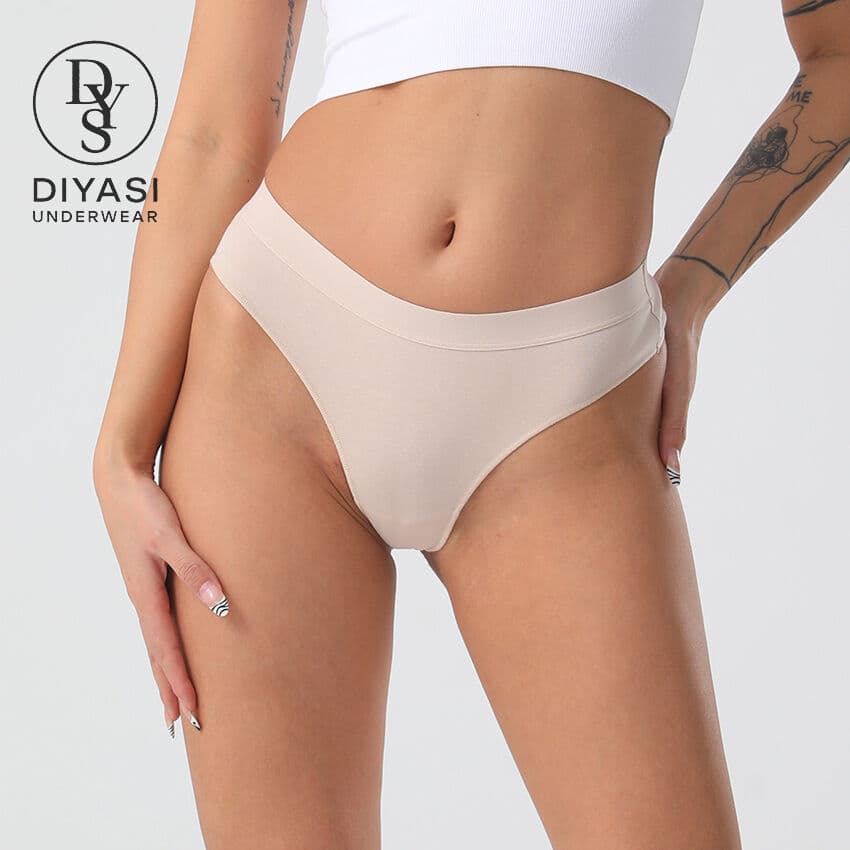
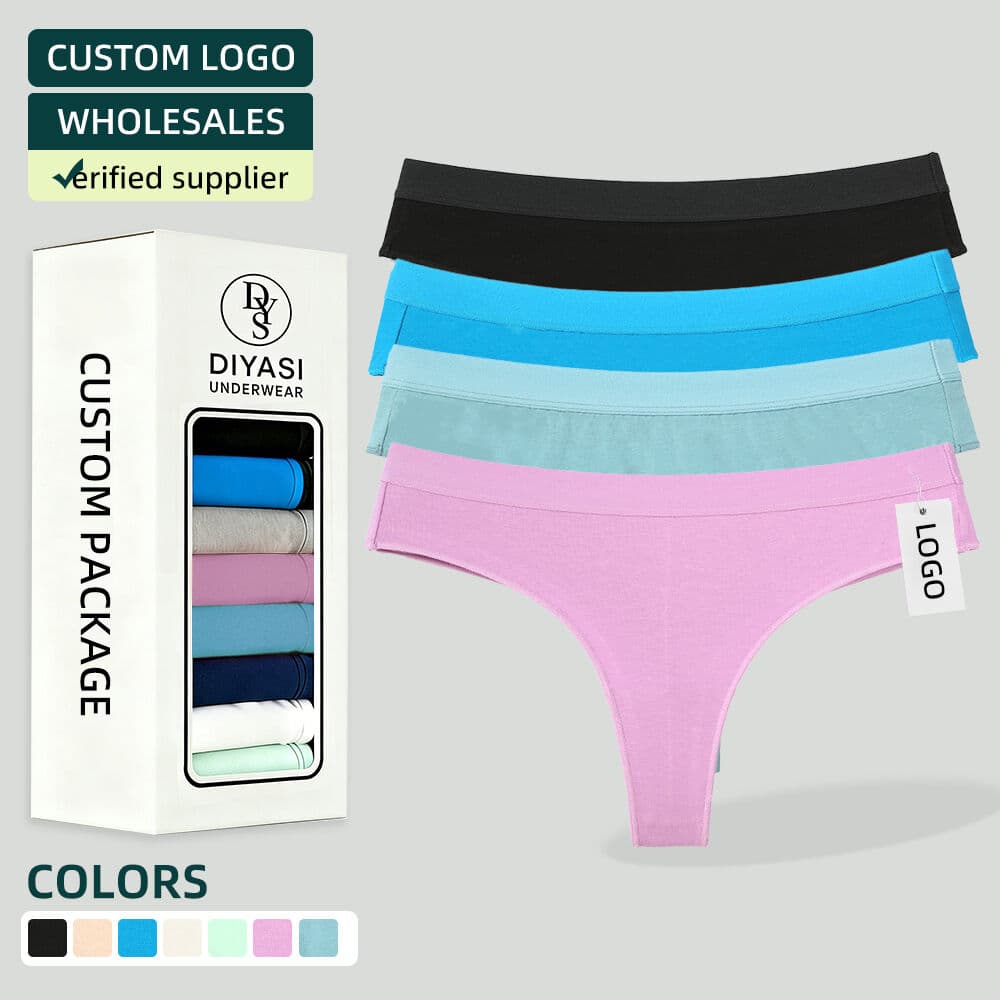
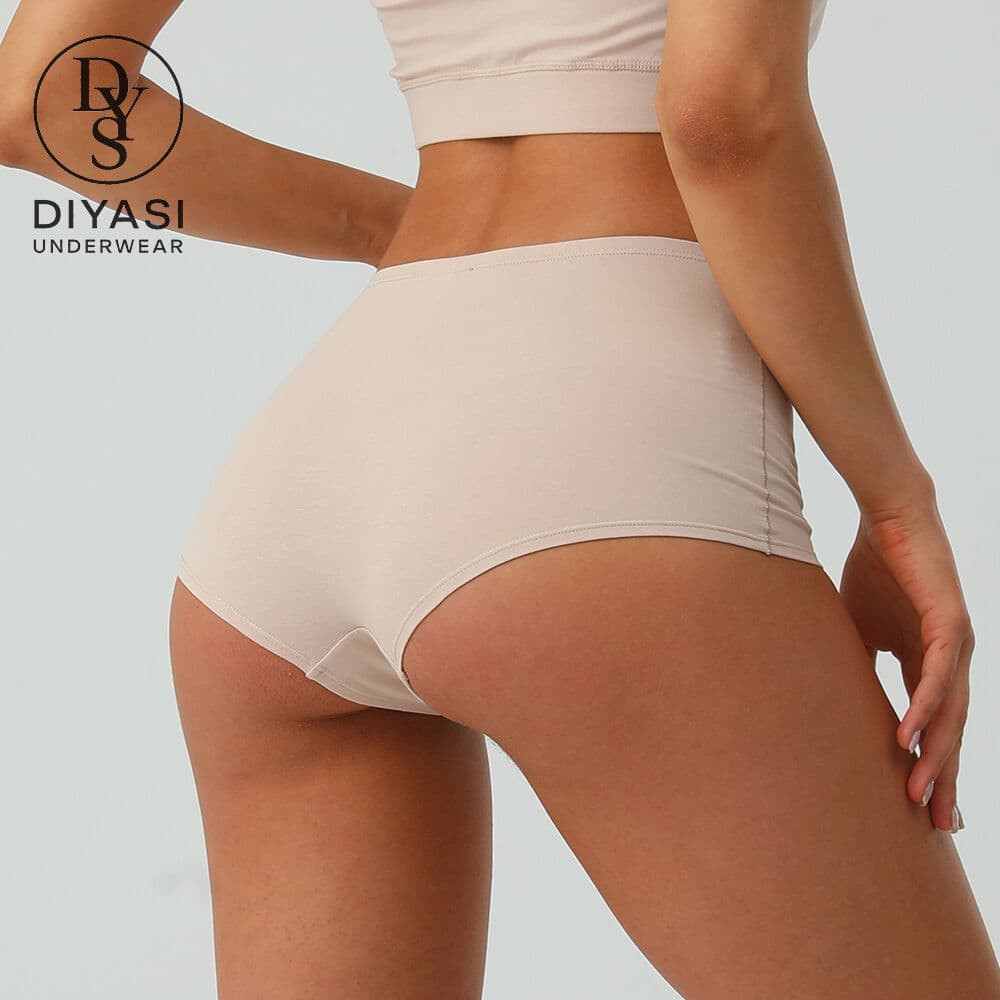
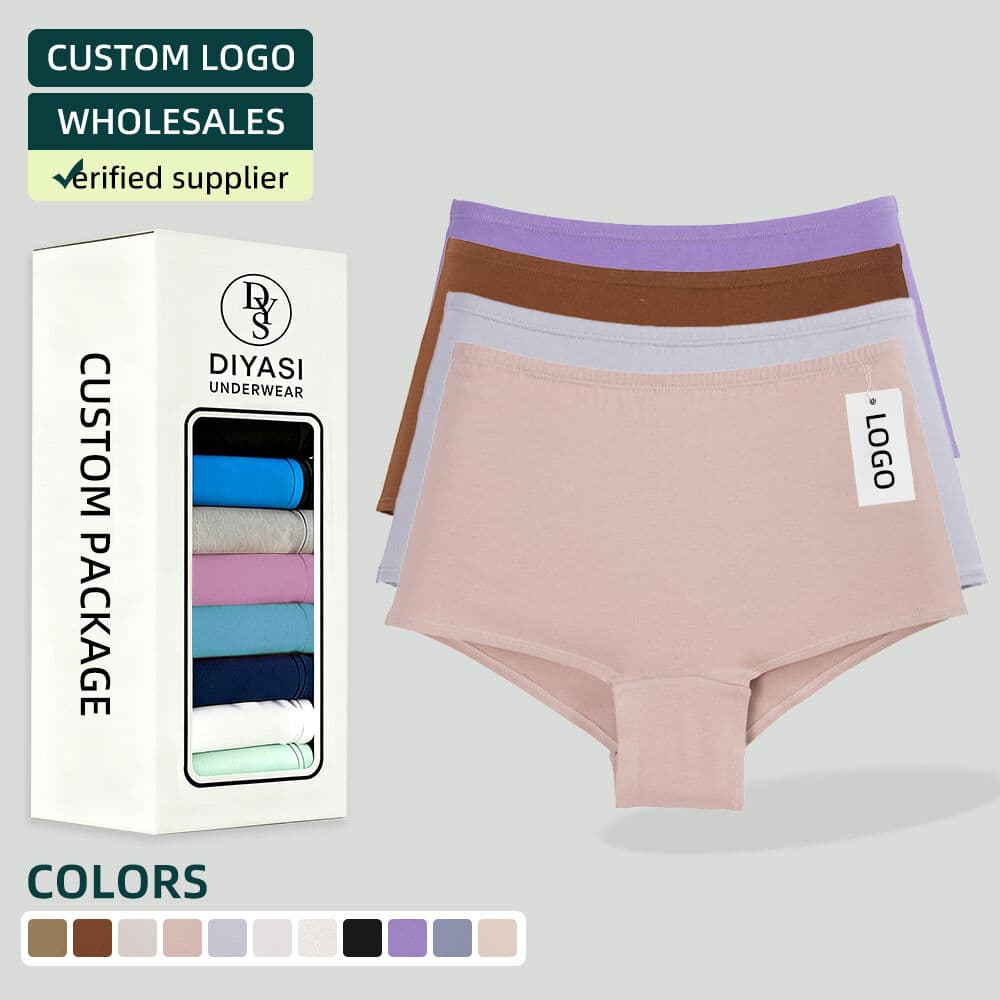
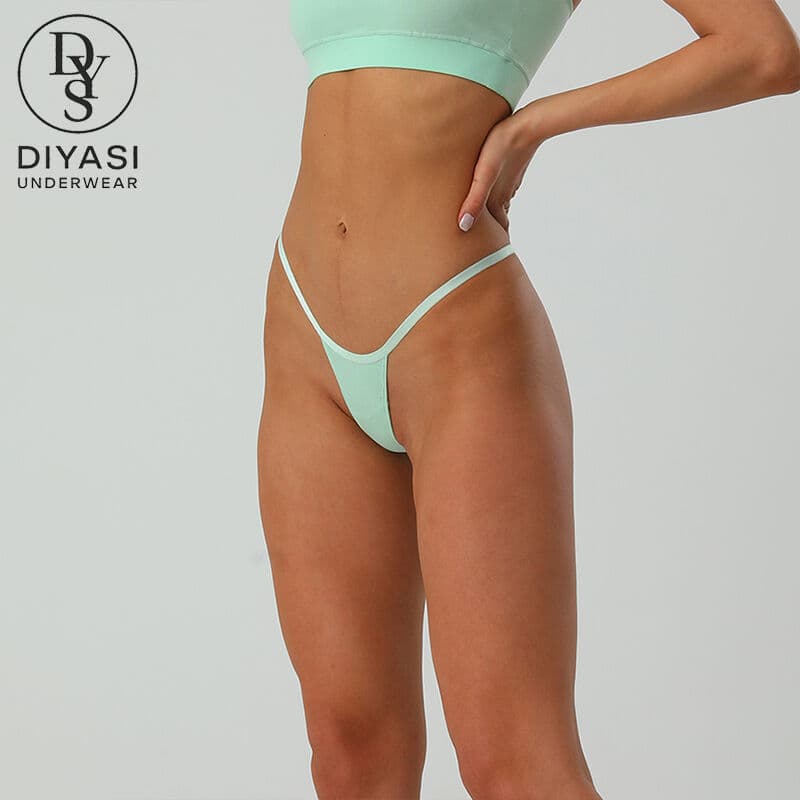
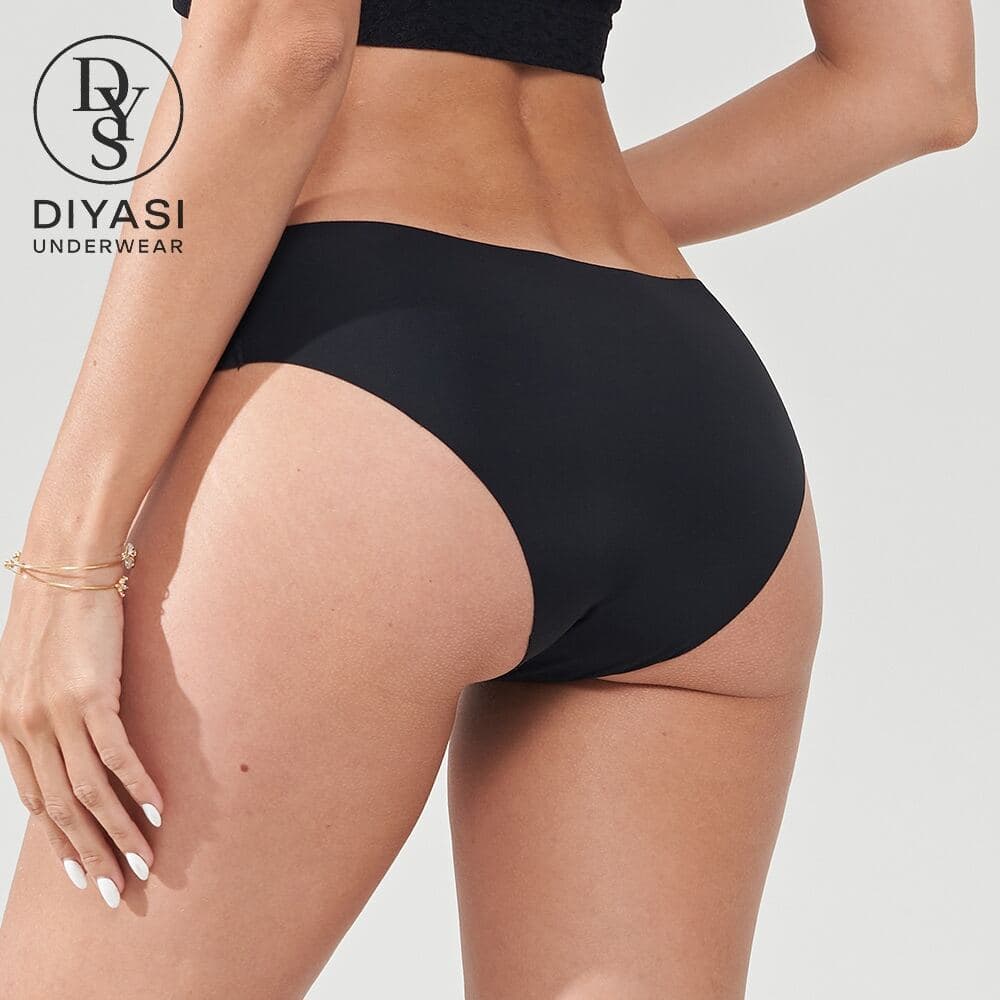
An underwear multipack is a defined combination of garments sold as one unit. Decide whether it contains one repeated silhouette, several colours or different shapes before requesting a quote. Then calculate the required garment quantities for each component and check size consistency across the set. DIYASI's DYS229 thong, DYS202 bikini and DYS214 boyshort can support that planning conversation, but they do not constitute a pre-approved pack or a fixed multipack price.
Choose a pack with one clear customer purpose
A repeated-style pack may serve a customer who already knows the fit, while a mixed-shape set may help a brand introduce different coverage choices. Validate that purpose with customer evidence before adding complexity. More garments in a pack do not automatically make the offer more attractive.
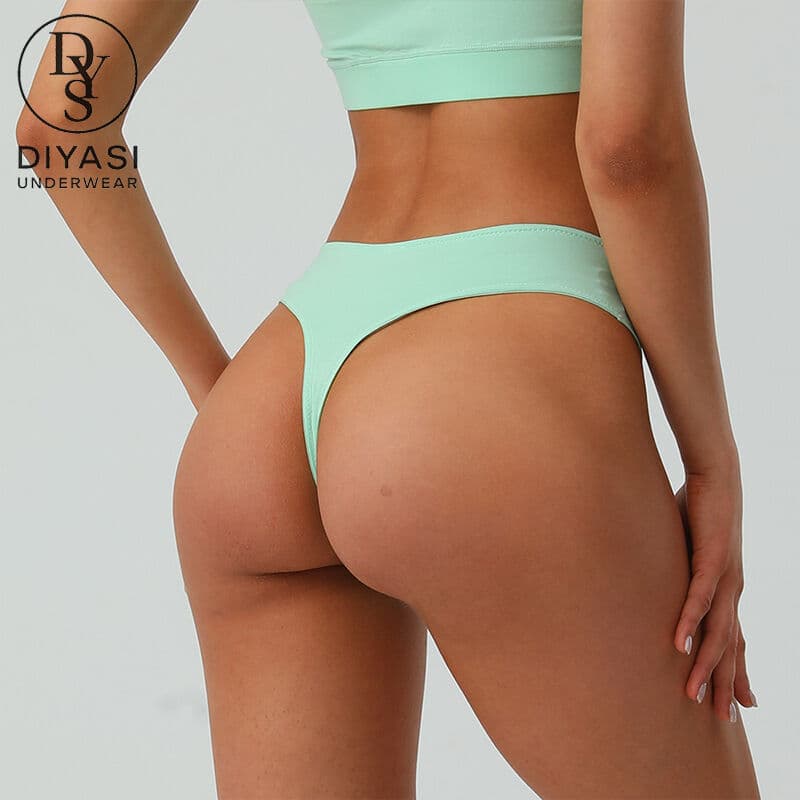
The three example styles list cotton-spandex compositions, but their patterns differ. DYS229 is a thong, DYS202 a bikini and DYS214 a boyshort. If combining shapes, explain the coverage of each and review whether the same labelled size provides the intended fit across the set.
| Pack direction | Buyer decision | Development check |
|---|---|---|
| One style, repeated colour | Replenishment-oriented basics offer | Consistent fit, shade and unit presentation |
| One style, mixed colours | Coordinated colour assortment | Each colour approved and available in the required quantity |
| Mixed silhouettes | A clearly explained coverage selection | Fit and size-label consistency across different patterns |
| Gift presentation | Packaging appropriate to the intended sales channel | Packed dimensions, component costs and artwork |
Calculate the component quantities before discussing minimums
For an illustrative three-colour pack with one garment in each colour, 100 packs require 300 garments: 100 of each colour. If the pack instead contains two black garments and one accent colour, the same 100 packs require 200 black and 100 accent garments. These are planning examples, not DIYASI minimum-order offers.
Repeat the calculation for every pack size and style combination. Then confirm garment, colour, trim and packaging minimums separately with the supplier. A catalogue minimum per style does not automatically define the minimum for a custom printed box or every colour in the pack.
Approve the fit and packed presentation together
For a mixed-shape set, review a complete pack in the relevant size references. Keep each garment's measurement specification separate while checking that the intended customer can use the set consistently. Do not correct a fit mismatch by simply changing the size sticker on one component.
Request a packed sample after the garment combination is settled. Check folding, orientation, visible size and colour information, and whether the contents match what the package promises. Confirm packaging dimensions using the actual garments rather than an empty mock-up alone.
Plan reorders at both pack and component level
A pack can become unavailable when one required component runs short even though the other garments remain in stock. Track the quantities needed to assemble a complete set and discuss how colour or style substitutions will be handled. A substitution changes the offer and needs explicit approval.
Give the sellable pack its own identifier and retain a list of the exact component variants and quantities. Keep the order allocation and carton packing instructions aligned with that list. This creates a clear handover from assortment planning to production and warehouse receiving.
Multipack planning questions
Does DIYASI already sell these three models as a fixed pack? This article proposes a planning approach. Confirm the desired configuration, feasibility, quantities and price for the actual project.
Is a multipack always cheaper per garment? Not necessarily. Packing work, materials, artwork and component quantities affect the final quotation.
Can different sizes be mixed in one pack? Specify the intended use and component sizes clearly. Do not leave the factory or receiving warehouse to infer the assortment.
Put your research to work
Map pack SKUs to carton quantities ↗Confirm style and component minimums ↗Compare underwear cost items ↗Discuss packaging presentation ↗Product sources
Product examples refer to the linked DIYASI source specifications. Confirm the final materials, measurements and availability for your selected sample.
DYS229 original product specification ↗DYS202 original product specification ↗DYS214 original product specification ↗A starting point for your collection.
Share your selected model numbers, intended market and sample requirements with the DIYASI team.
Discuss your collection ↗