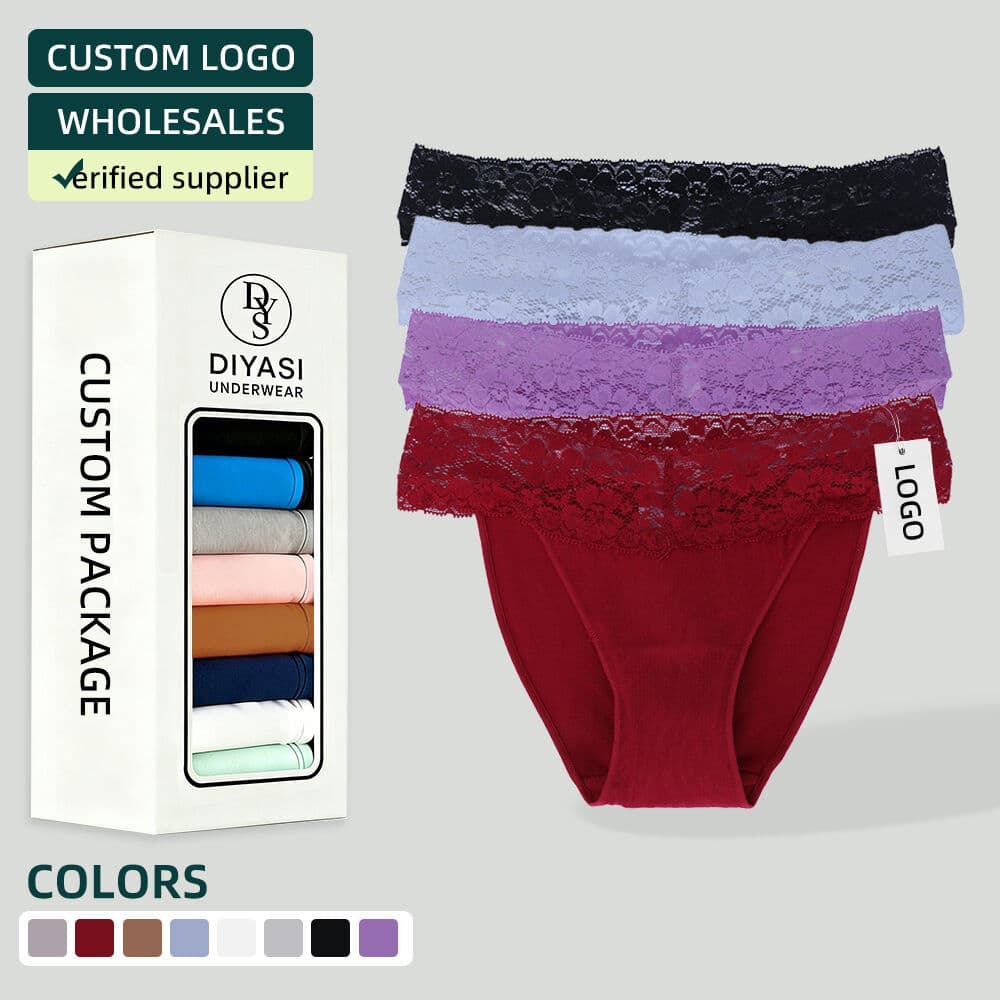
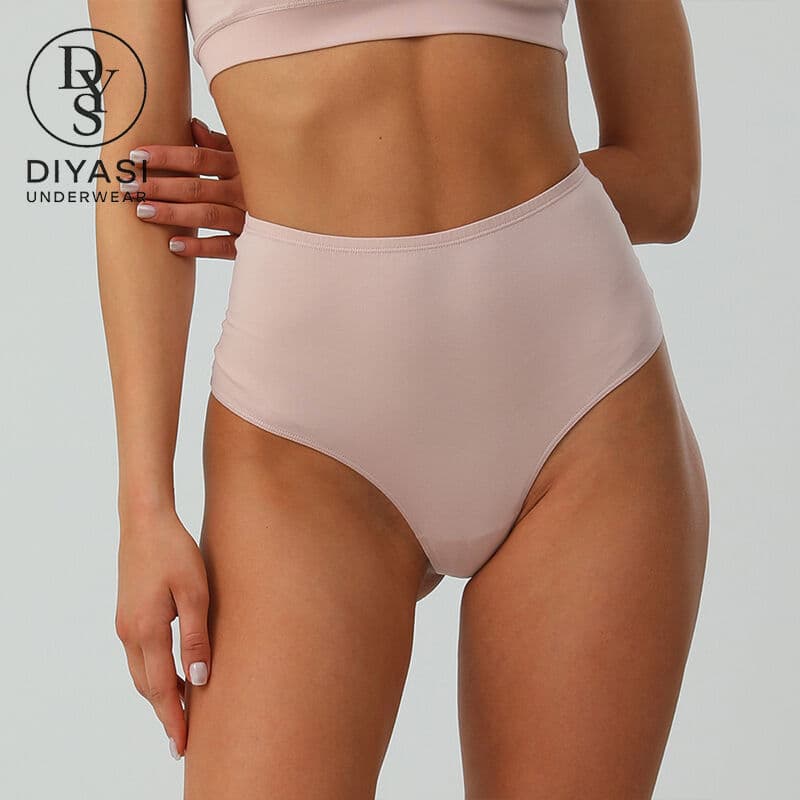
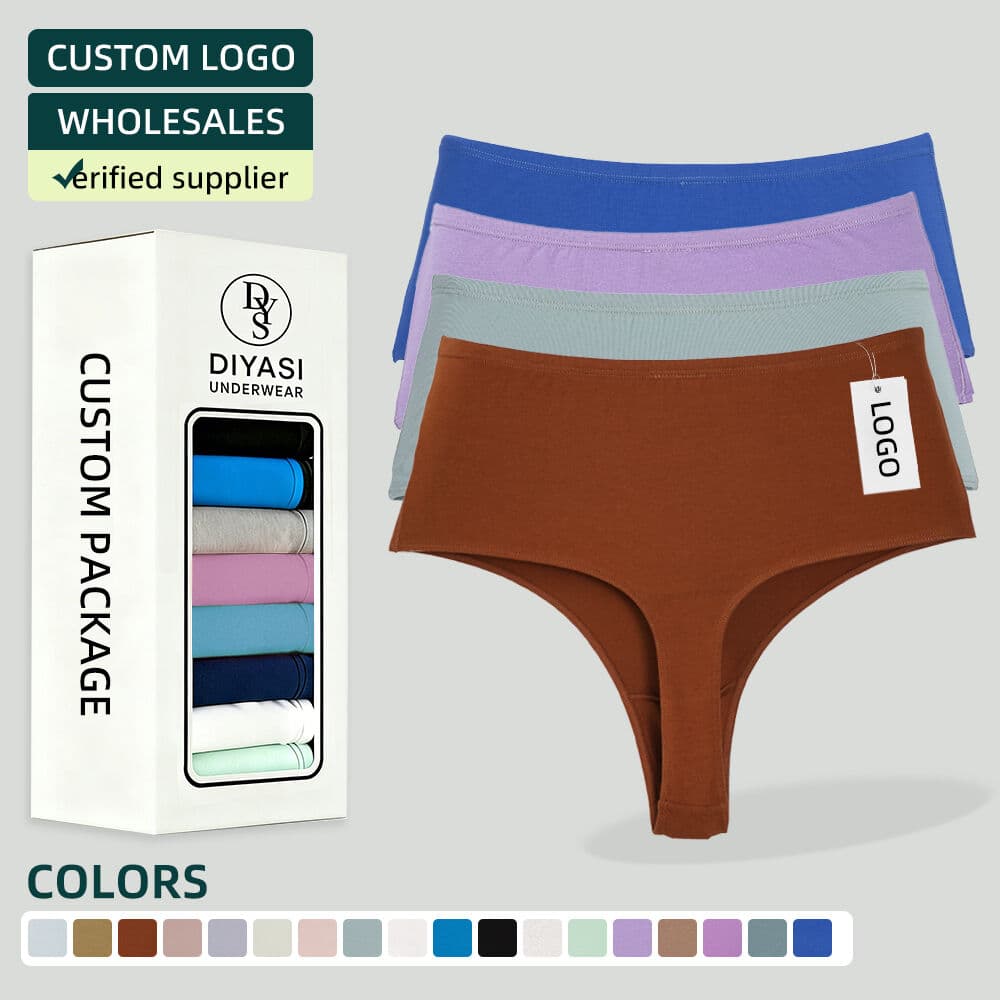
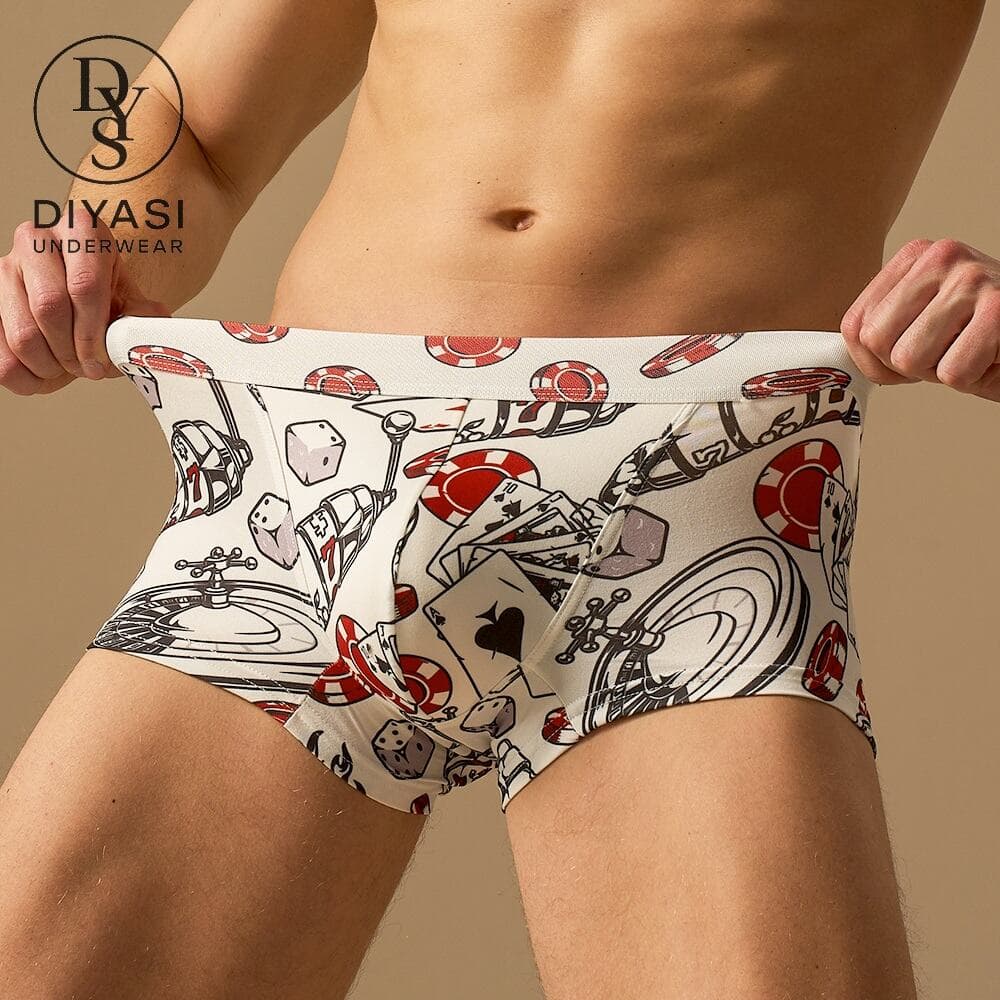
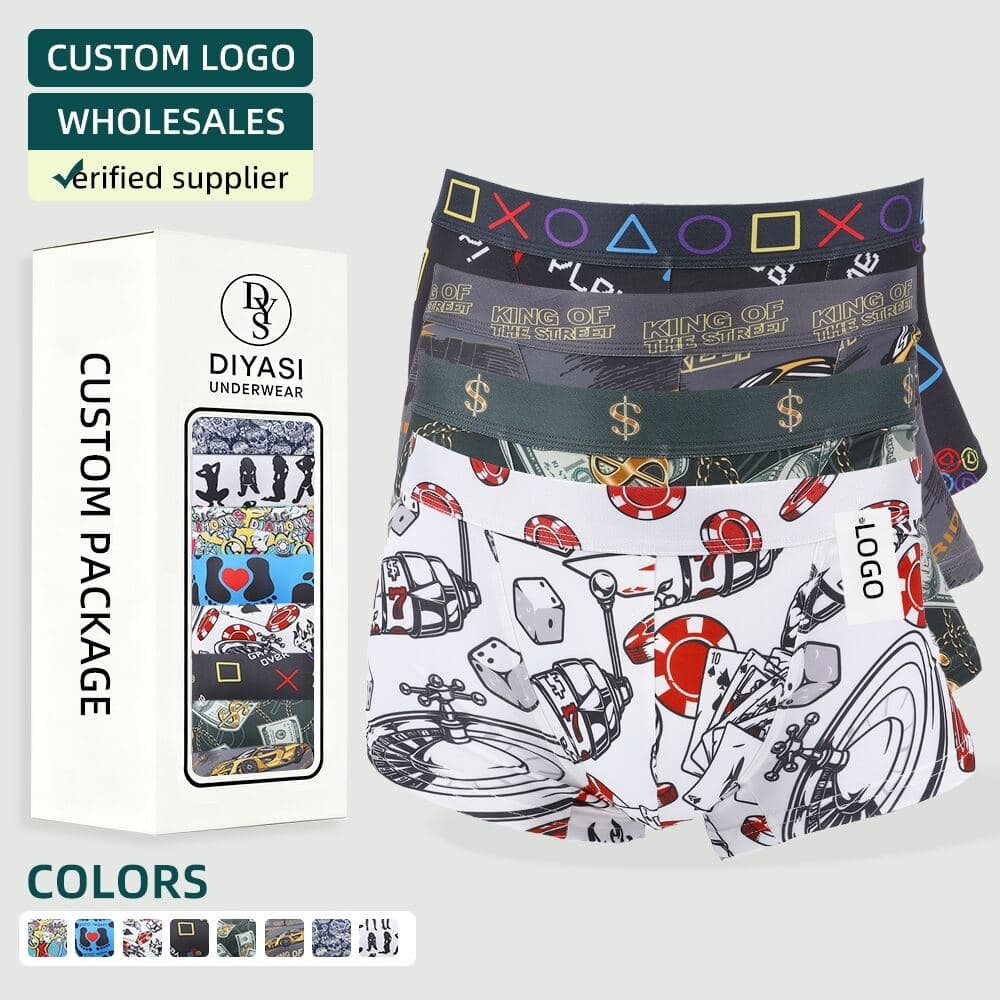
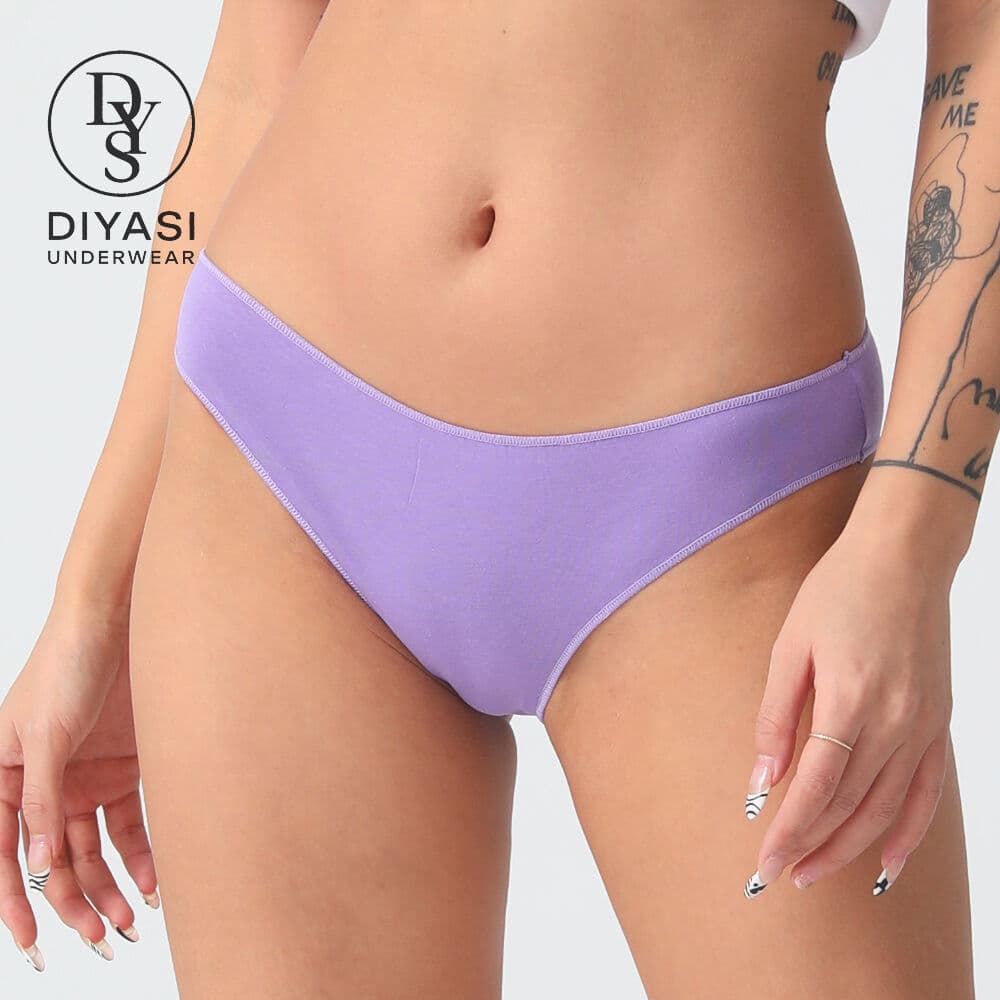
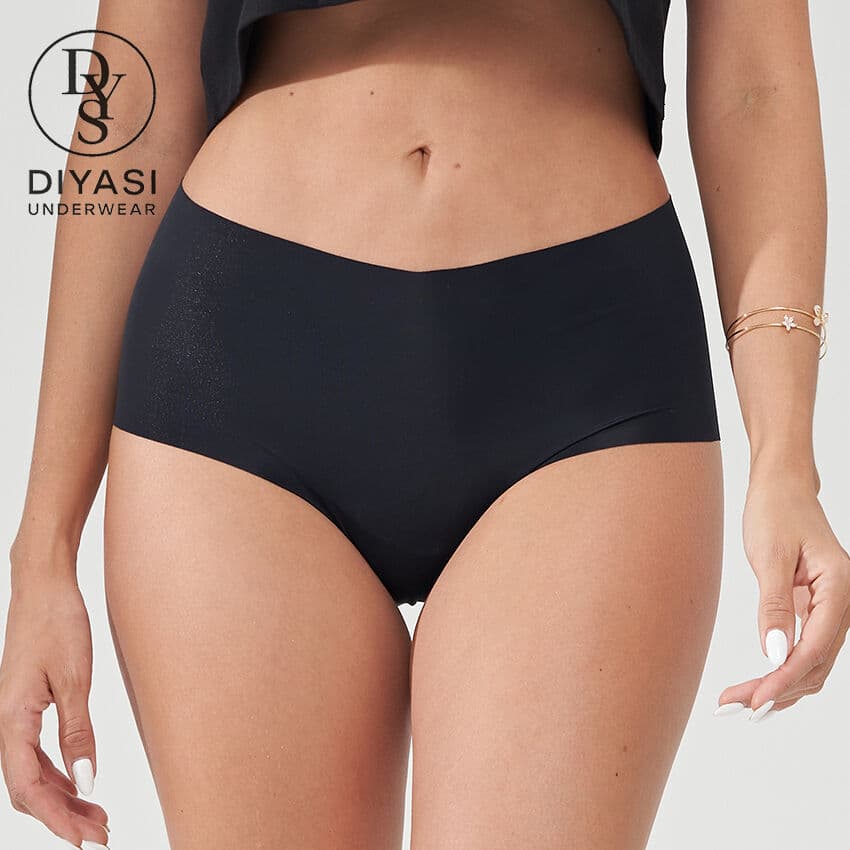
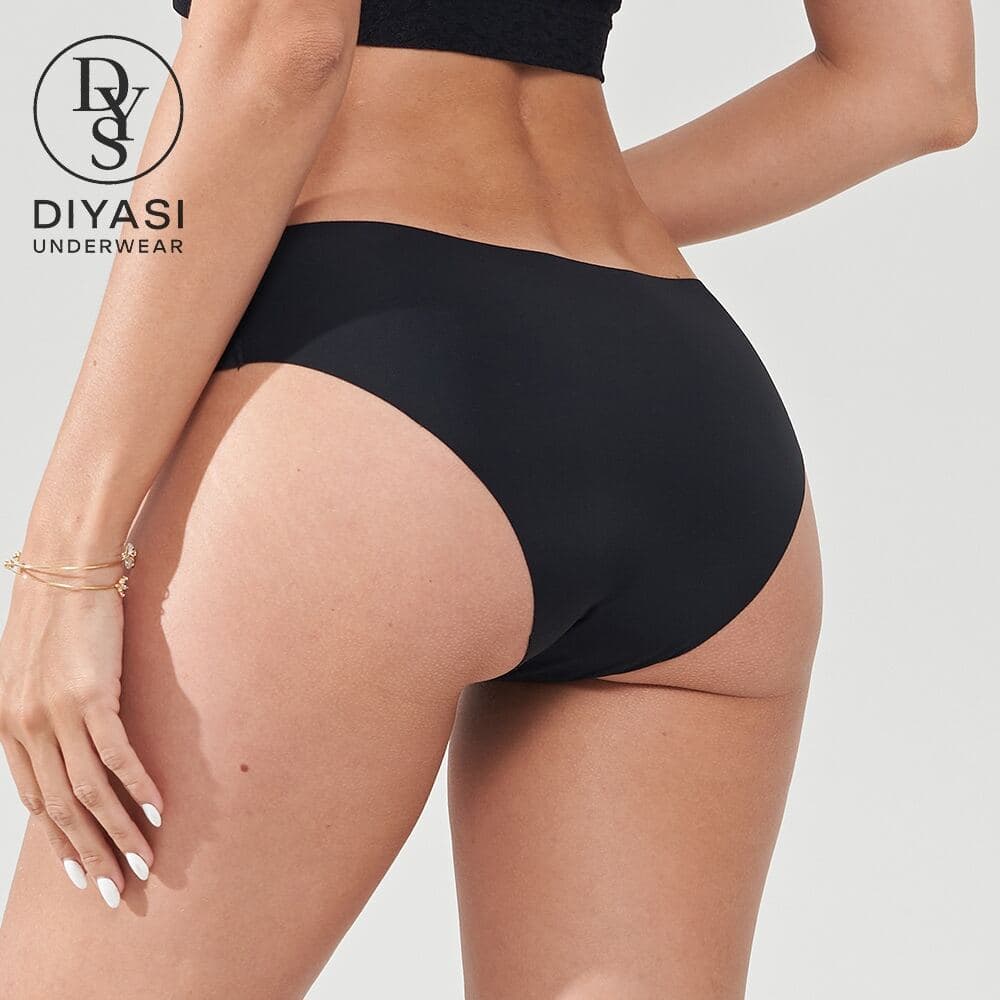
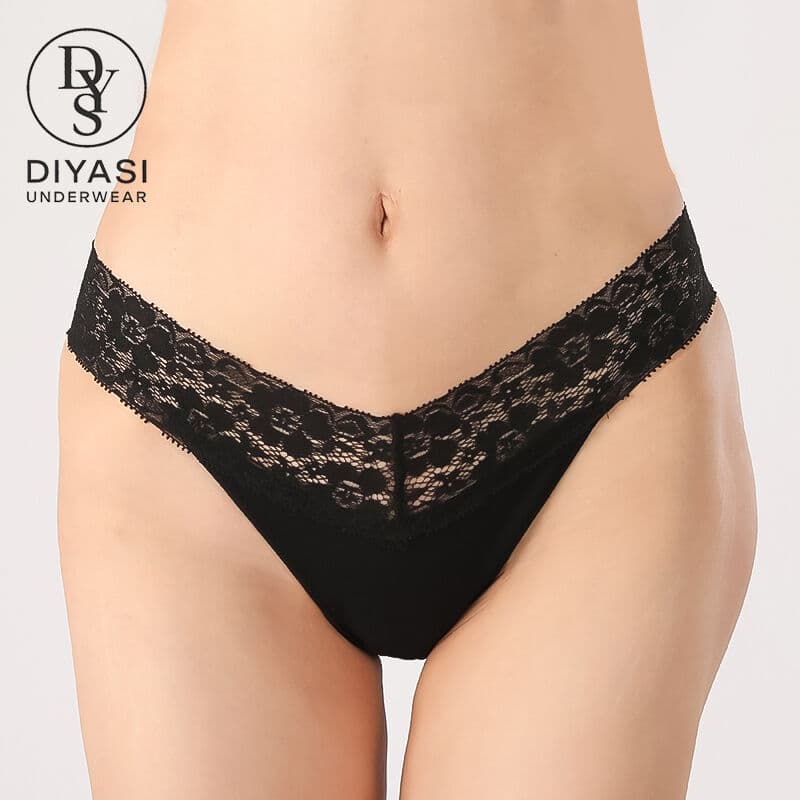
A lab dip can approve a color direction, but bulk fabric, lace, elastic and printed panels may still arrive in visibly different shades. A shade band is a physical range of bulk material samples reviewed against an agreed standard. For underwear with multiple components, define whether the goal is a close match or an intentional contrast. LS005-142 includes body and lace; DYS223 is a cotton brief; M006 Print adds printed material. They illustrate why one color name is not a complete production control.
Set the standard and viewing conditions
Identify the approved color reference and the material it applies to. Record whether the body, lace, waistband, thread and labels must match or may differ. Agree the viewing light and background used for comparison. A phone image can help communicate an issue, but camera settings and screens make it unreliable as the sole shade standard.
Ask the factory to show a representative range from the bulk material, not only the best-looking swatch. Keep the approved shade band or clear numbered physical samples with the order file. State who makes the accept, rework or reject decision when a delivery sits at the edge of the agreed range.
| Component | Reference to approve | Bulk question |
|---|---|---|
| Body fabric | Approved material and color swatch | Does each lot fit the shade band? |
| Lace or elastic | Component swatch beside body | Is the match or contrast intentional? |
| Strike-off on actual base fabric | Does bulk retain the approved appearance? | |
| Thread and label | Finished sample detail | Are visible components acceptable? |
Review lots before mixing them in garments
A style may use several fabric rolls or trim deliveries. Ask how lots are identified and whether pieces from different lots will be mixed in the same garment or carton. Compare components side by side before cutting, then inspect a finished sample because seam placement and lighting can change the visible effect.
If a material substitute is proposed, do not assume its shade will match the approved item. Check composition, finish and appearance again. Color consistency should be evaluated along with the approved construction and size; a visually matching but different material is not automatically an acceptable replacement.
Close the decision in the production record
Record the accepted range, the rejected examples, the sample date and the person who approved them. State what happens if a later lot falls outside the range. For a multi-color order, keep each colorway's references separate so a factory does not apply one approval to another style or season.
The public DIYASI catalogue does not establish a universal shade tolerance. Ask for a production plan and material evidence for the selected model and quantity. A written color decision is more useful than a claim that all units are 'perfectly identical'.
Common buyer questions
Does a lab dip approve bulk goods? It approves a target or sample; bulk material still needs comparison under the agreed process.
Can body and lace use one color code? They may need separate references because components and finishes can render a shade differently.
What belongs in a shade-band record? Include material and lot IDs, viewing conditions, physical references, decision and approver.
Put your research to work
Read the lab-dip guide ↗Explore lace products ↗Review inspection planning ↗Ask about bulk colors ↗Product sources
Product examples refer to the linked DIYASI source specifications. Confirm the final materials, measurements and availability for your selected sample.
LS005-142 original product specification ↗DYS223 original product specification ↗M006 Print original product specification ↗A starting point for your collection.
Share your selected model numbers, intended market and sample requirements with the DIYASI team.
Discuss your collection ↗