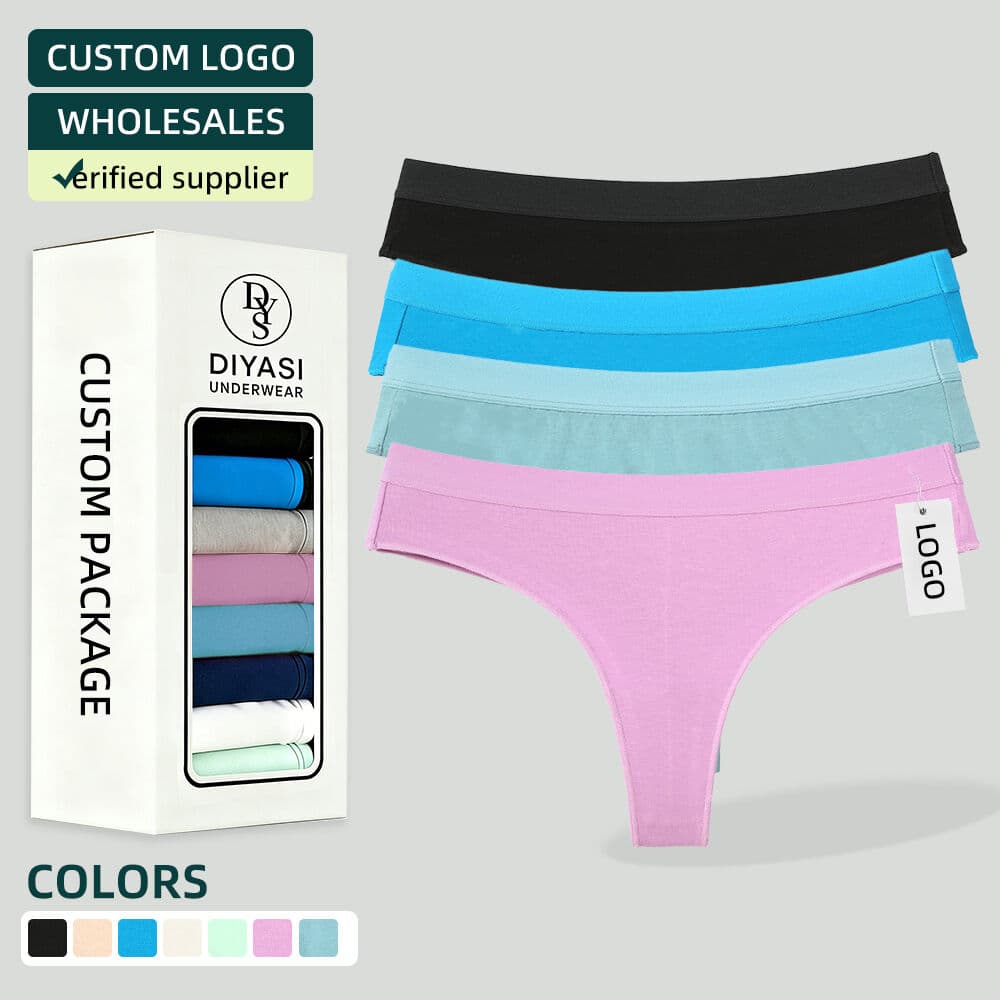
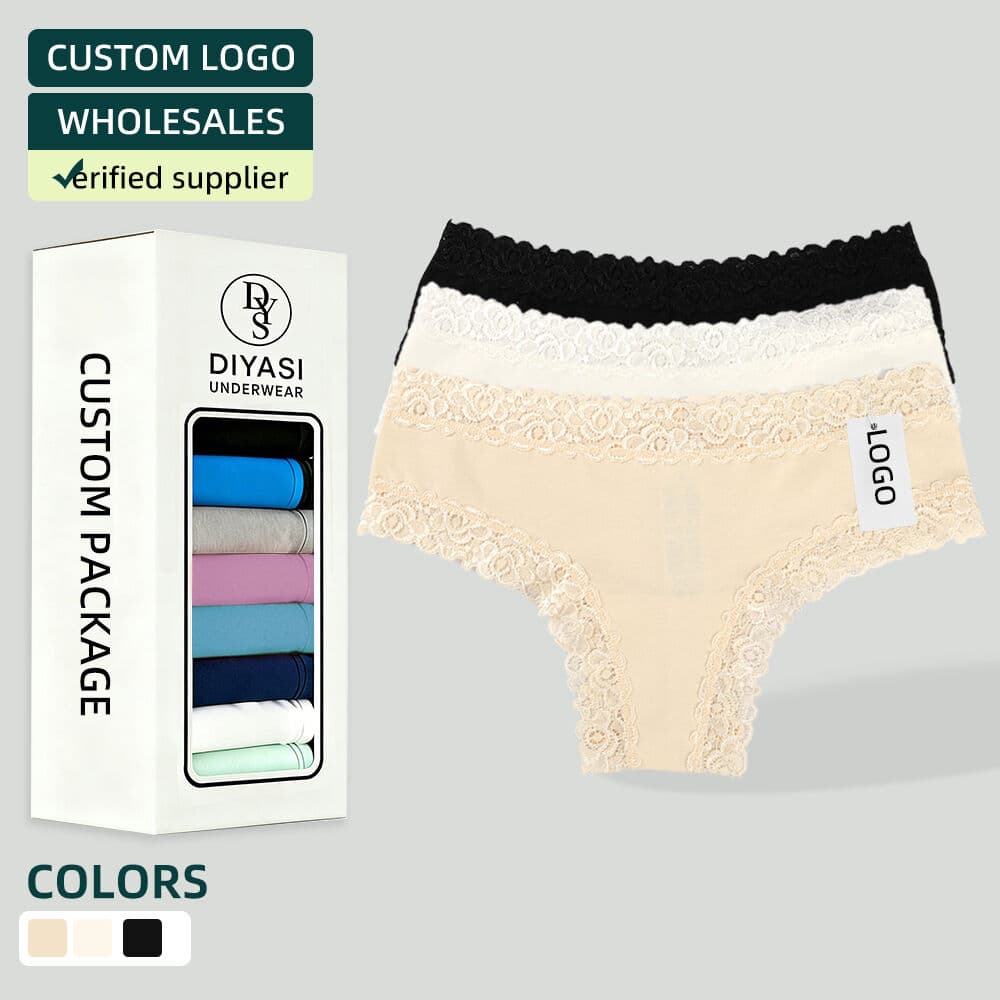
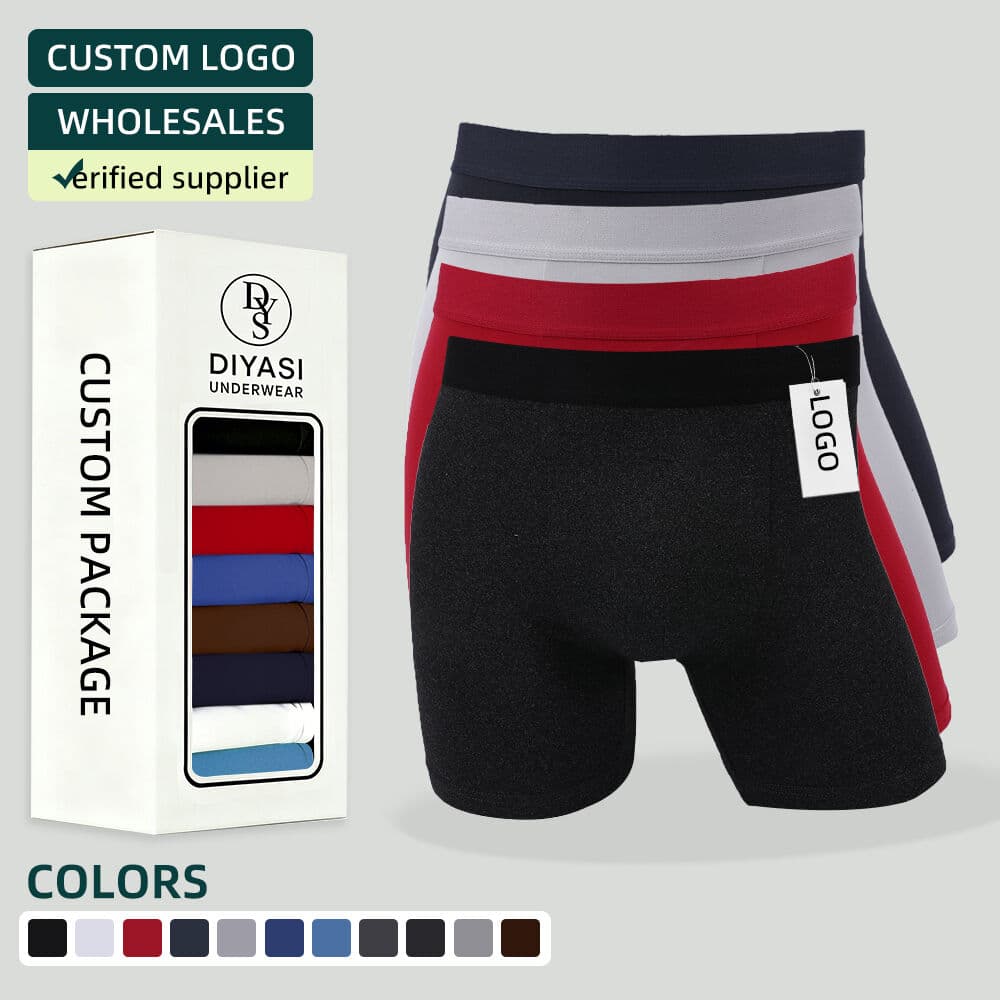
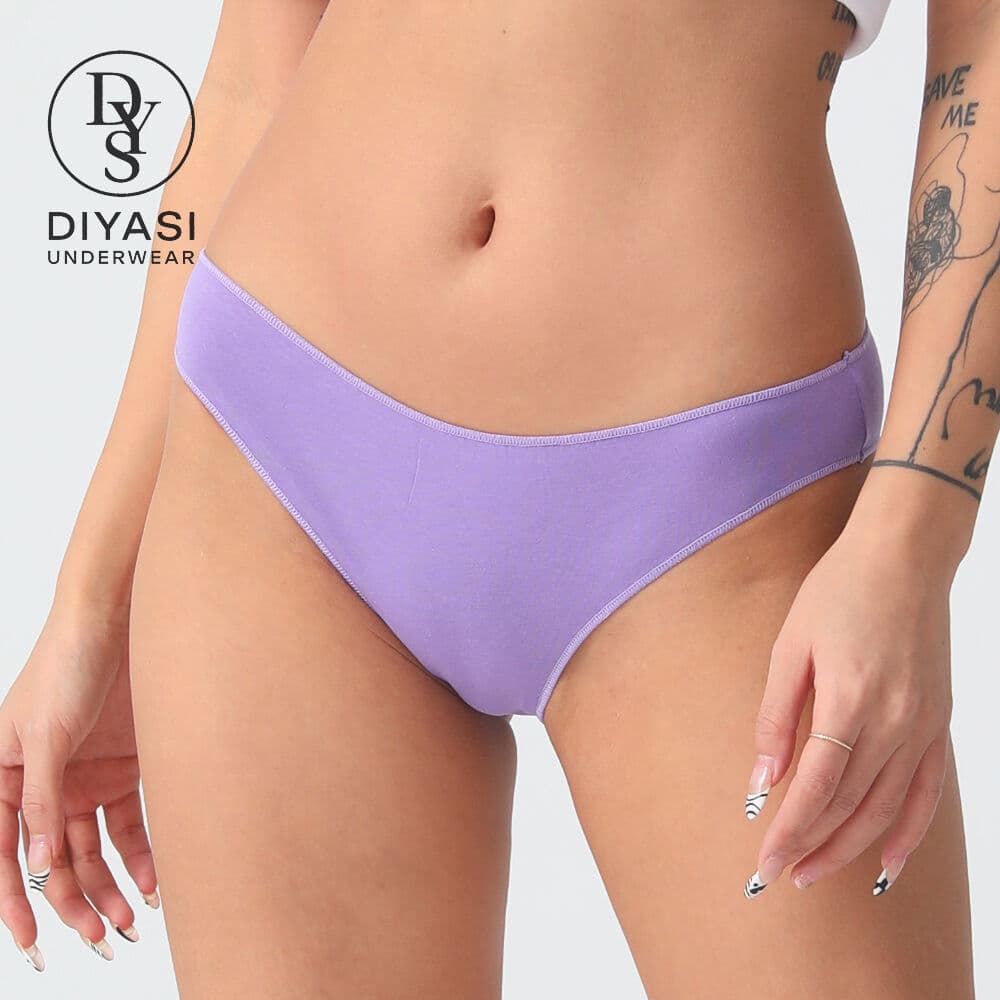
Underwear is lightweight, but its presentation can still be damaged by poor packing, moisture or a carton that is difficult to reconcile at receipt. A shipment plan should connect the finished garment, inner pack and outer carton to the SKU matrix and destination requirements. DIYASI's DYS202 cotton bikini, LS006 lace brief and M005 men's boxer illustrate different material and shape considerations. Their product pages do not promise a single carton specification for every buyer.

Define the pack around the actual product
Decide whether garments are folded individually, grouped by size or color, or packed as a retail multipack. Record the approved fold, insert, bag, label and carton quantity. Lace edges and printed surfaces may need different contact or folding review from a plain cotton brief. The right choice depends on the sample presentation and shipping route, not a stock photograph.
Specify carton dimensions and weight only after the packed sample and quantity are agreed. Ask the factory how it prevents crushed presentation, shifted bundles and mixed variants. Avoid claiming that a particular bag or desiccant always solves moisture risk; material choice and destination rules must be checked for the actual shipment.
| Packing layer | Approval evidence | Receiving check |
|---|---|---|
| Garment | Approved fold and finish | No unexpected marks or distortion |
| Inner pack | Bag, insert and variant label | Correct item and presentation |
| Master carton | Count, marks and closure | Matches packing list |
| Pallet or consolidation | Handling plan if used | No mixed or missing cartons |
Make carton marks match the packing list
Give each carton an identifier and define which style, color, size and quantity it contains. A mixed carton needs a clear breakdown. Reconcile the count of individual garments, retail packs and outer cartons; these are not always the same unit. Keep the commercial invoice and packing list aligned with the actual goods and buyer requirements.
Photograph a representative packed carton and the label before shipment. A scan or visual check at dispatch can catch a swapped variant, but the receiving party should still compare the arriving cartons with the documents and inspect for visible damage.
Agree what happens after a transport problem
The buyer and supplier should decide how damage will be recorded at receipt, including carton photos, lot or carton IDs, affected quantities and the time window for notification under their contract. This article does not set transport liability; those terms depend on the agreed sale and carrier arrangements.
For a new pack format, test a representative shipment configuration using a method appropriate to the route and risk. Record the conditions and results if a test is performed. Do not market a pack as transit-tested solely because a sample arrived intact once.
Common buyer questions
Can one carton count be used for all styles? Different garment sizes, folds and packaging can change the safe and practical count.
Should every carton be mixed? Mixed and single-variant cartons serve different fulfillment plans; decide from the receiving workflow.
What should be signed off? Approve the packed sample, carton matrix, marks, document totals and damage-reporting process.
Put your research to work
Review packaging options ↗Read the carton packing-list guide ↗Plan multipack quantities ↗Confirm a packing plan ↗Product sources
Product examples refer to the linked DIYASI source specifications. Confirm the final materials, measurements and availability for your selected sample.
DYS202 original product specification ↗LS006 original product specification ↗M005 original product specification ↗M005 original product specification ↗A starting point for your collection.
Share your selected model numbers, intended market and sample requirements with the DIYASI team.
Discuss your collection ↗