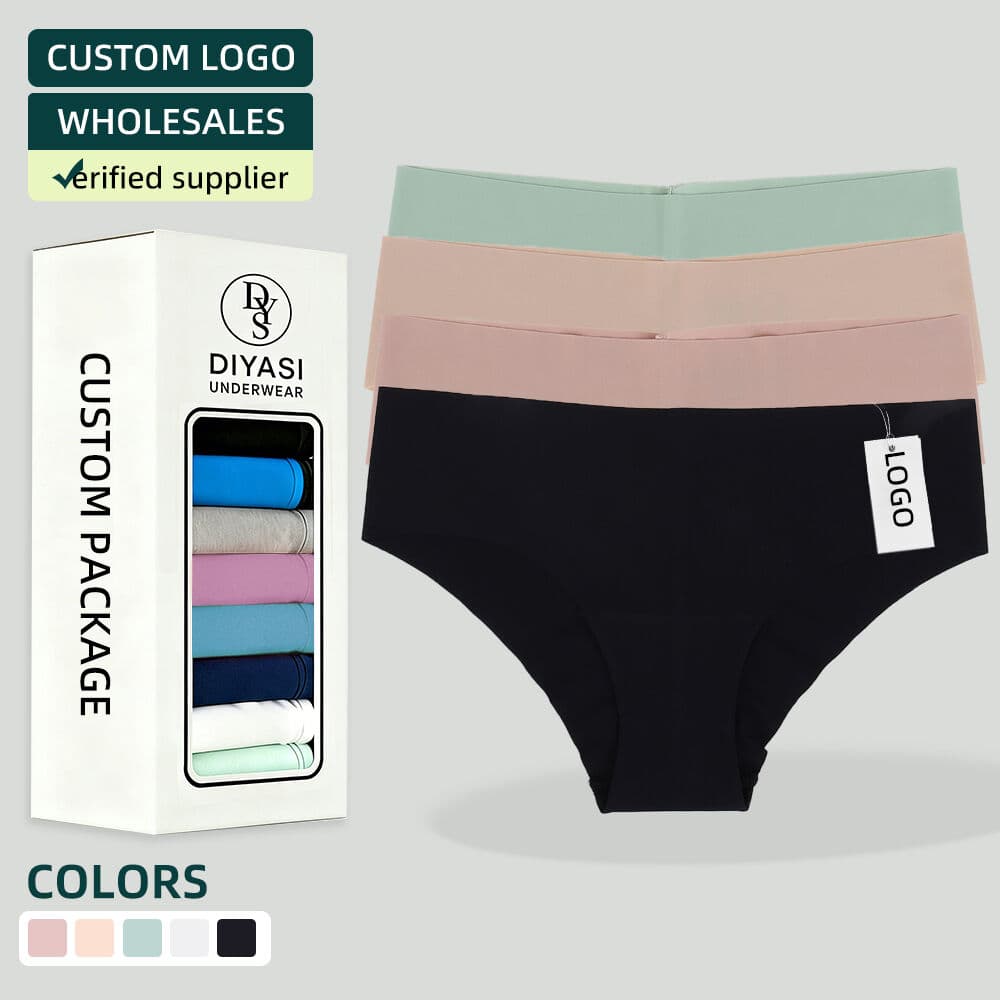
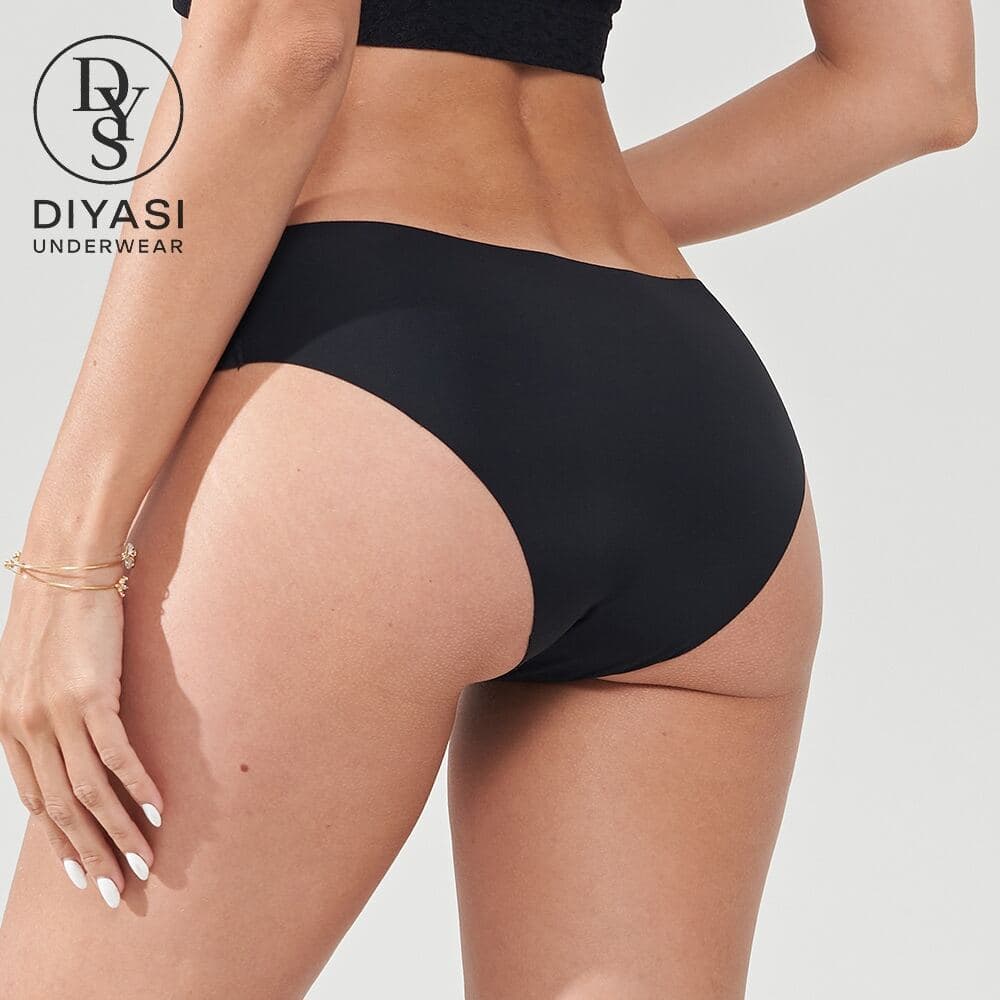
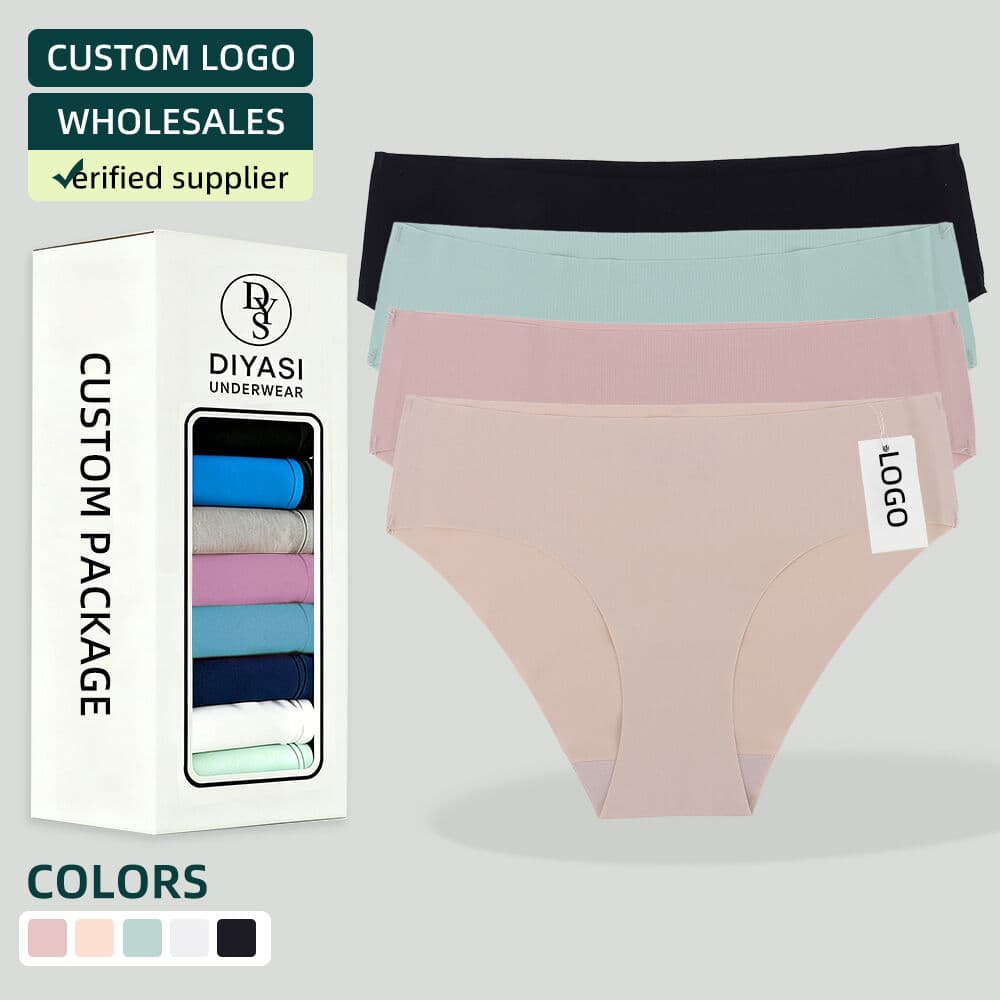
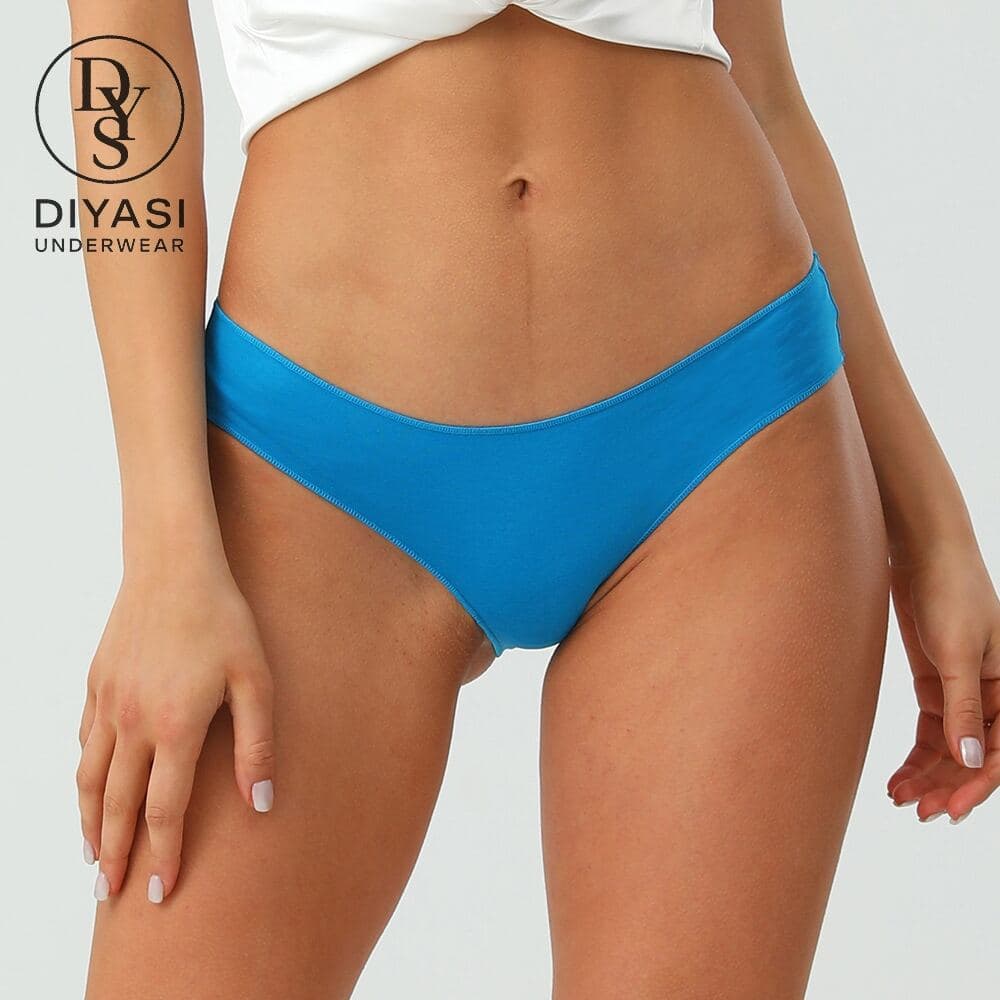
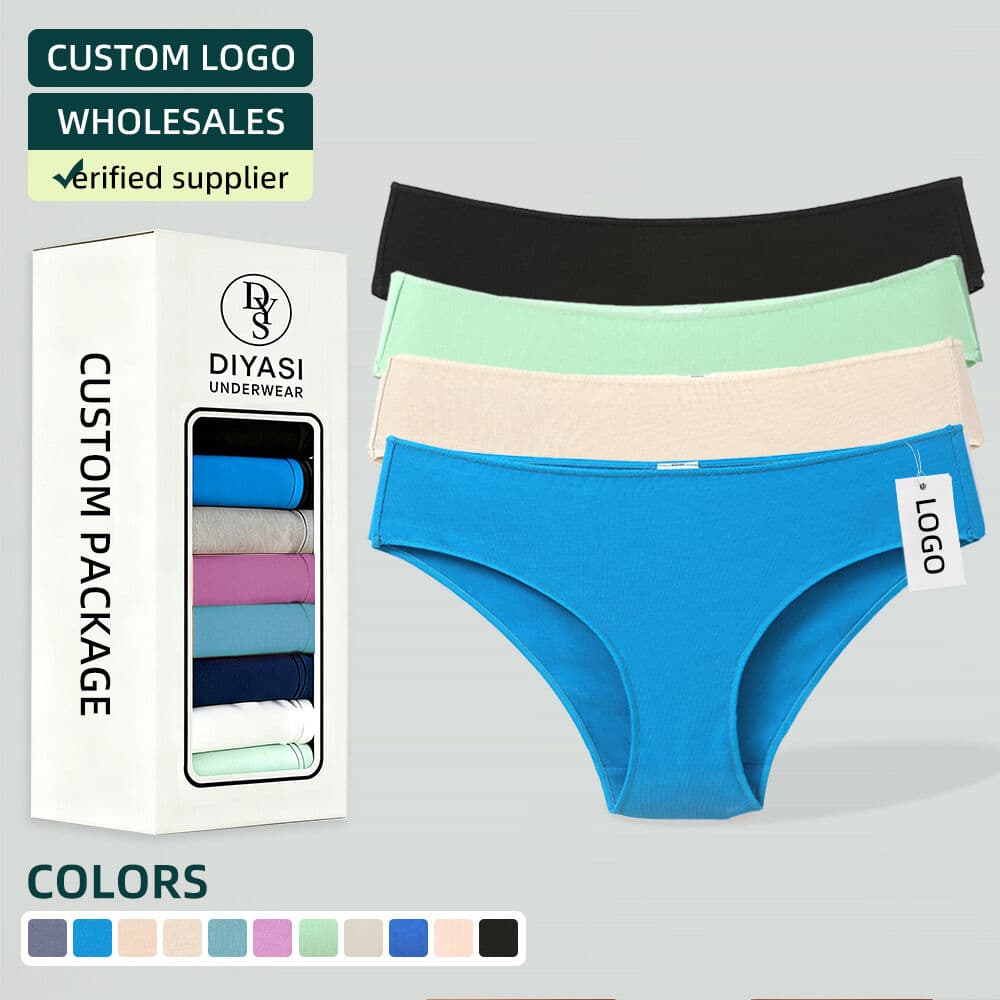
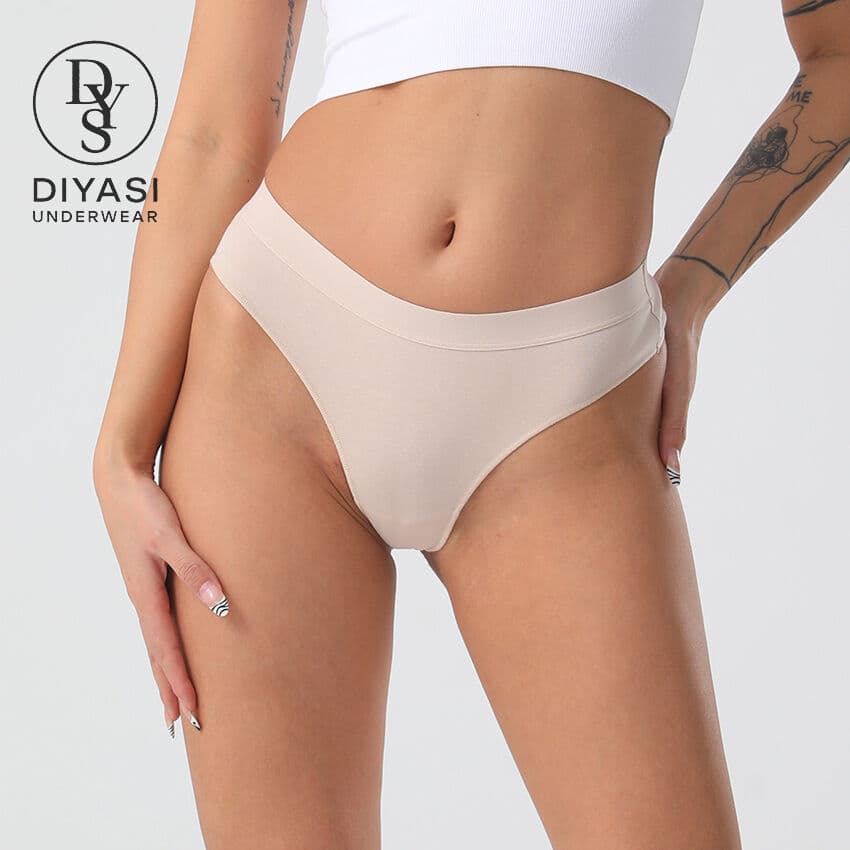
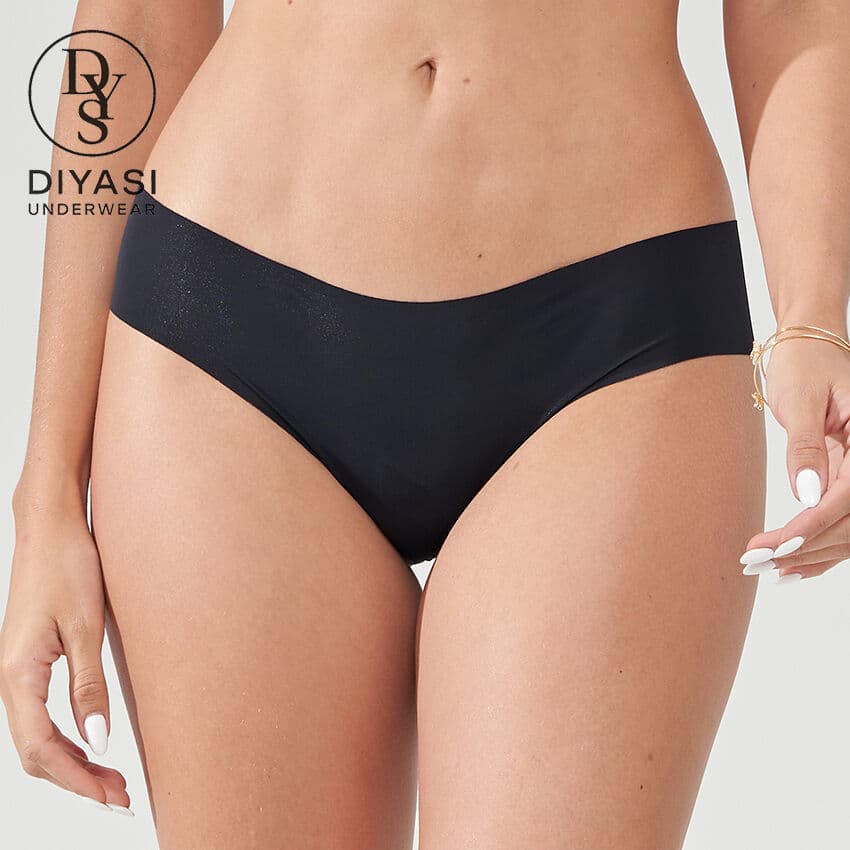
Pale trousers can make an underwear line or color contrast more noticeable, which is why shopper questions about invisible underwear cannot be answered from a flat product image. The best result depends on the outer fabric, lighting, skin tone, underwear shade and fit. DIYASI's DYS311 and DYS323 provide polyamide-spandex seamless references with cotton gussets; DYS201 is a cotton-spandex bikini. Use these as sample choices, then test the actual outfit before writing a no-show claim.
Choose the outer garment first
Use the intended white or pale trouser fabric at the planned fit and thickness. Review the outfit in natural and indoor light, standing and moving. A color that is less noticeable under one pair of trousers may show under another. Record the wearer, underwear model, sample size, outer garment and lighting so a buyer can repeat the comparison.
Compare front, side and rear views with permission. Look separately for color show-through, a leg-edge line, waistband visibility and the effect of bunching or stretch. These are distinct findings. A change in underwear shade may help one issue but cannot correct an edge that folds or a waistband that sits in the wrong place.
| Observation | Possible comparison | Record |
|---|---|---|
| Color contrast | Several approved underwear shades | Outer fabric and lighting |
| Leg line | Bikini vs lower-profile edge | Front, side and rear views |
| Waistband line | Rise and top-edge construction | Standing and movement notes |
| Coverage | Brief vs thong preference | Wearer fit feedback |
Select samples without false material shortcuts
Seamless construction may reduce some visible edges, but it does not guarantee invisibility. DYS311 and DYS323 have different gusset attachment descriptions, and their body material differs from DYS201. Review the final size and colorway of each sample. Do not describe a cotton-gusset seamless style as an all-cotton brief.
Check the underwear's own opacity and fit as well as the outer garment. Fabric weight alone does not decide whether a pale outfit shows through; color and stretch matter too. If the brand changes fabric or dye, repeat the outfit check before relying on earlier photographs.
Turn the test into useful consumer guidance
A product page can tell customers which outfit conditions were actually reviewed and show the garment's rise and rear coverage. Avoid claims such as 'invisible under every white outfit'. If a recommendation varies by skin tone or trouser fabric, acknowledge that difference and offer clear color options instead of a universal answer.
Keep the test images, sample version and approved product copy linked to the SKU. For a wholesale buyer, the test also helps decide which styles deserve a place in a pale-outfit capsule and which need another sample or color.
Common buyer questions
Is white underwear always best under white pants? Visibility depends on the outer fabric, contrast and wearer; test alternatives.
Does seamless guarantee no lines? No. Inspect the full outfit and movement.
What should the brand document? Record outer fabric, lighting, size, shade, sample version and the exact outcome observed.
Put your research to work
Browse seamless underwear ↗Compare fabric opacity ↗Review leggings testing ↗Ask for color samples ↗Product sources
Product examples refer to the linked DIYASI source specifications. Confirm the final materials, measurements and availability for your selected sample.
DYS311 original product specification ↗DYS323 original product specification ↗DYS201 original product specification ↗A starting point for your collection.
Share your selected model numbers, intended market and sample requirements with the DIYASI team.
Discuss your collection ↗