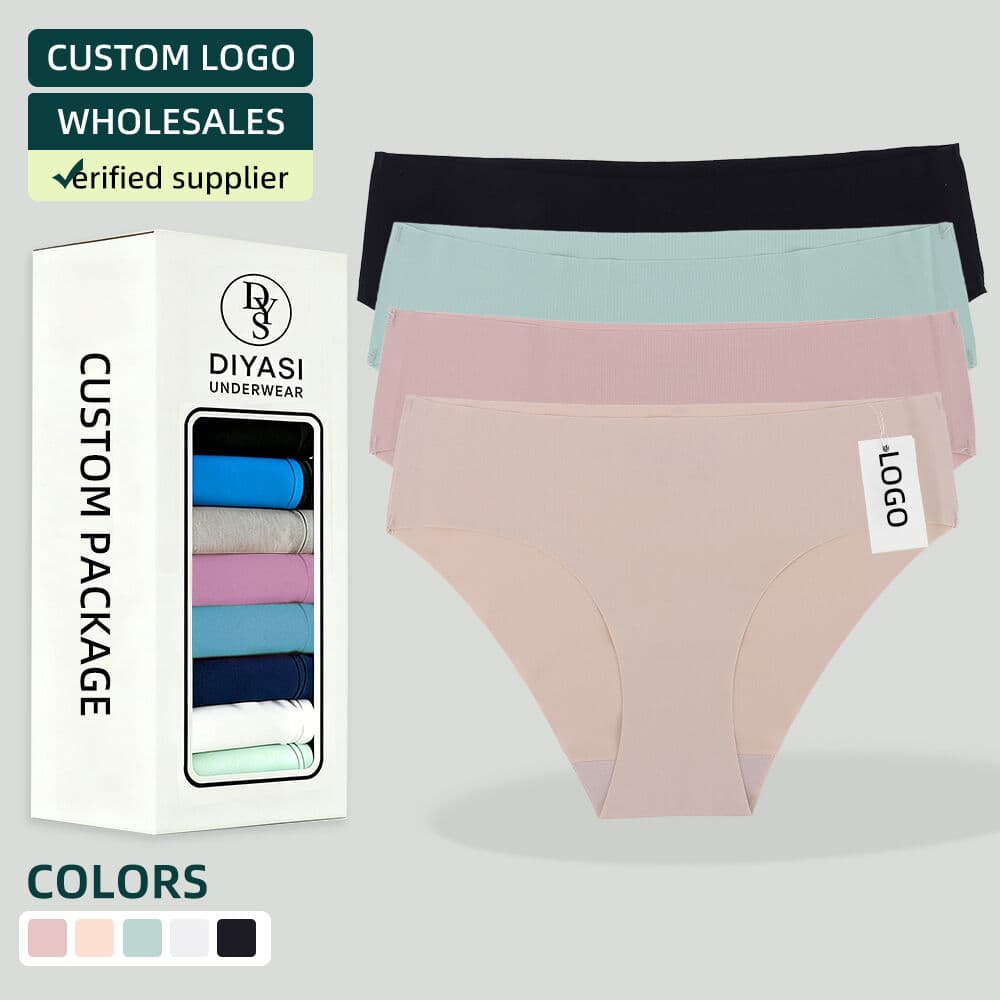
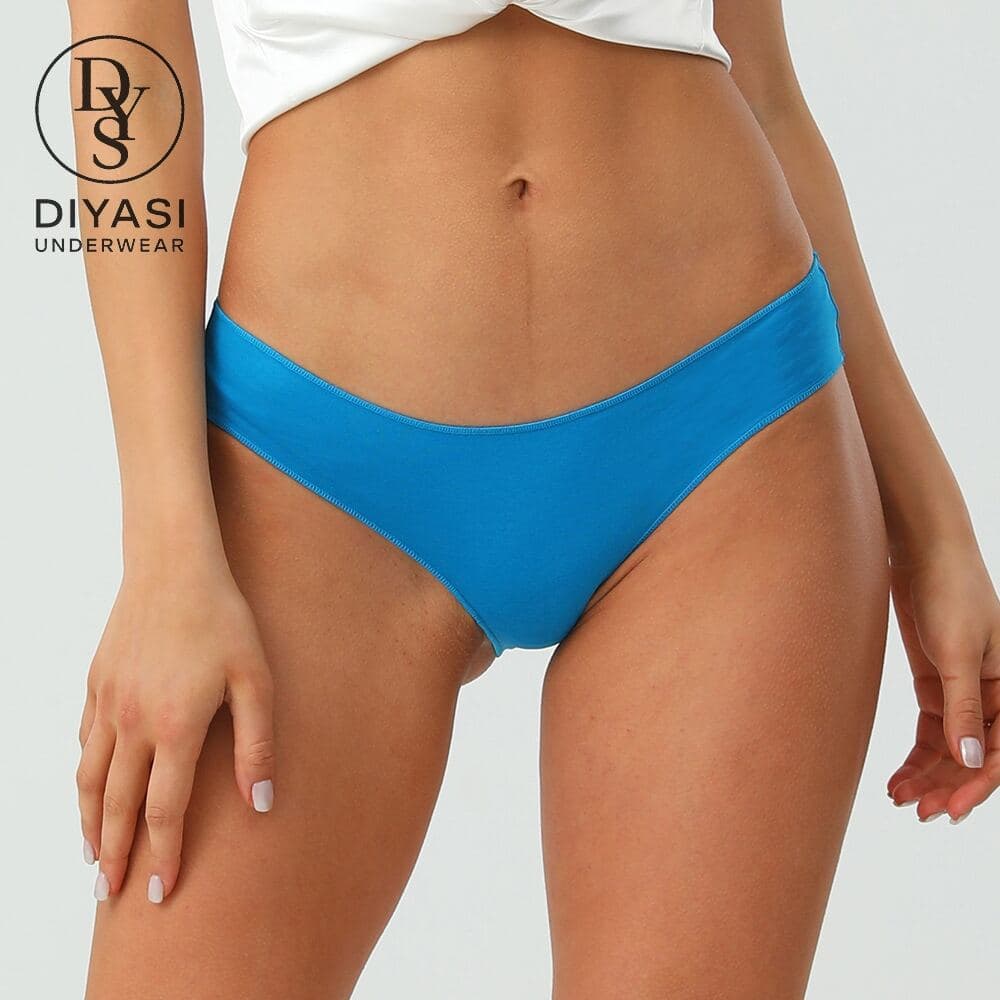
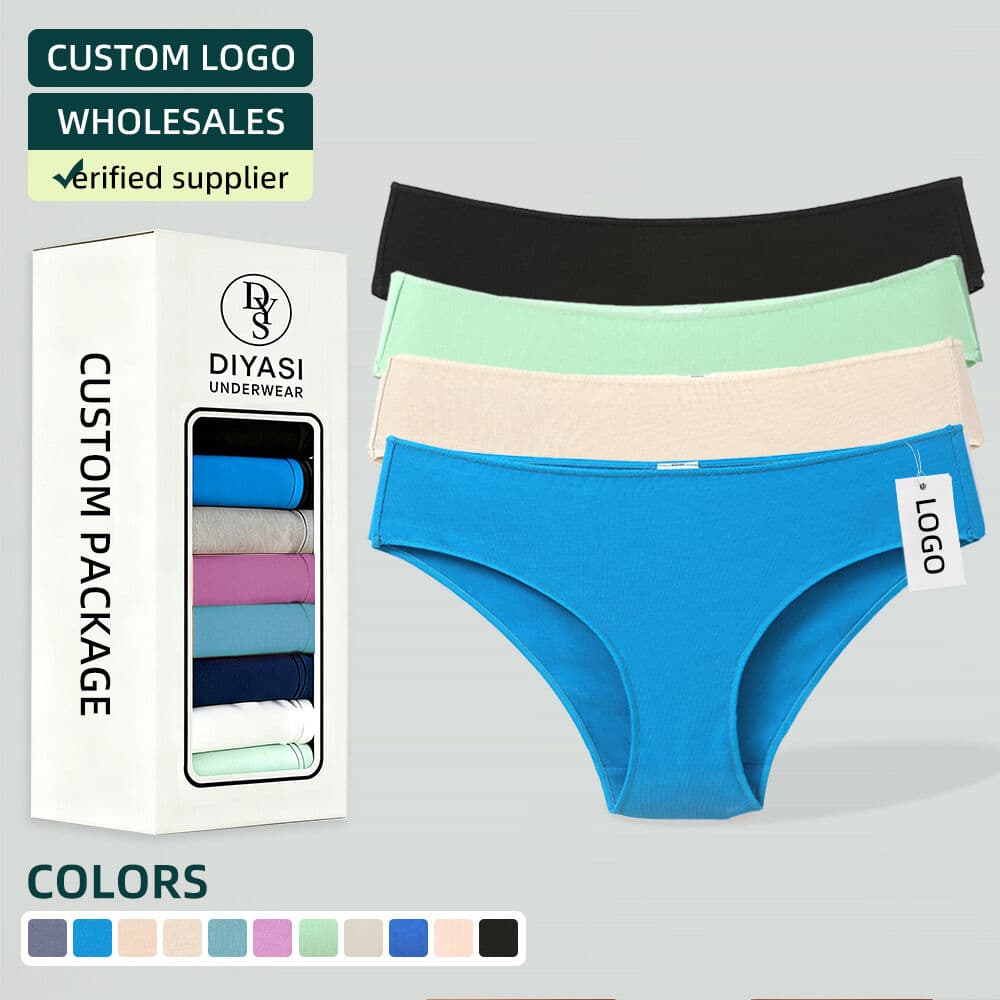
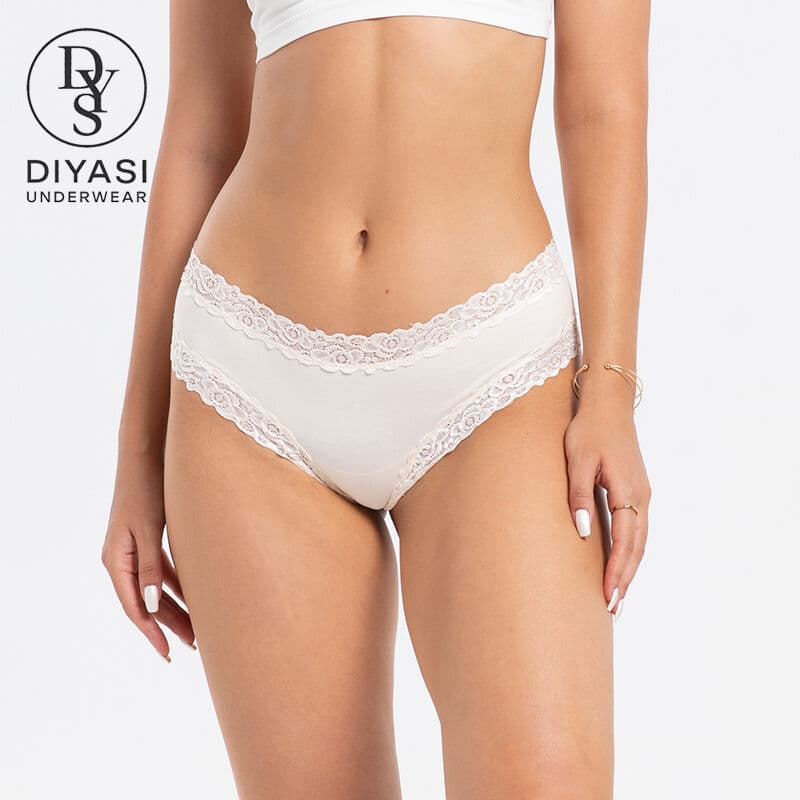
GSM means grams per square metre: the mass of a defined area of fabric. It helps describe material weight, but it is not a direct measurement of thickness, opacity, softness or finished-garment quality. For underwear sourcing, record GSM alongside fibre composition, construction, finish and sample observations. The public specifications for DIYASI's DYS323, DYS201 and LS006 do not state GSM, so buyers should request the actual material data instead of estimating it from photographs.
Keep weight, thickness and opacity as separate requirements
Two fabrics with similar GSM can have different thicknesses because their yarns, structures and finishes differ. Colour, fabric openness and stretching can also change how much light passes through a garment. A heavier specification alone is therefore an incomplete way to request more coverage.
For a useful comparison, label swatches with the fabric reference, composition, colour and finishing state. Ask whether the quoted weight is for the finished material that will be used in production, and agree how variation will be measured and assessed.
| Property | What it describes | Evidence to request |
|---|---|---|
| GSM | Fabric mass per unit area | Material record and agreed measurement method |
| Thickness | Distance through the fabric under defined conditions | Measurement with stated method and pressure |
| Opacity | How much underlying colour or detail is visible | Physical review under controlled lighting and stretch |
| Recovery | Return after an agreed extension | Defined test conditions and recorded results |
Compare the same component and finishing state
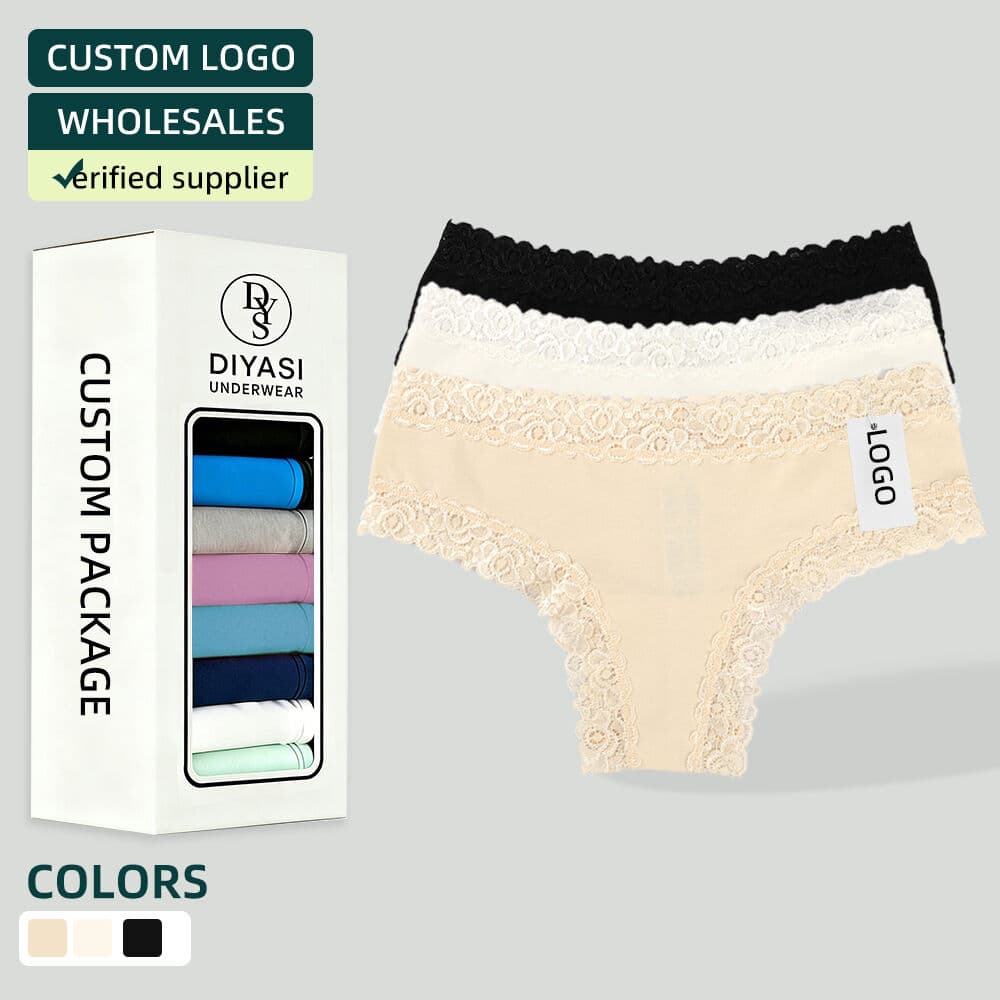
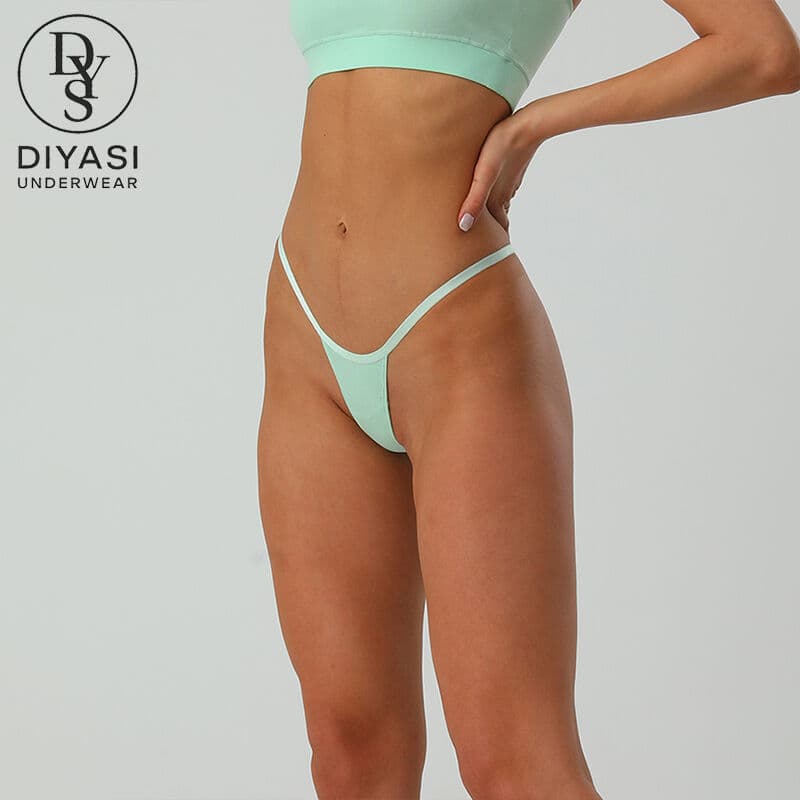
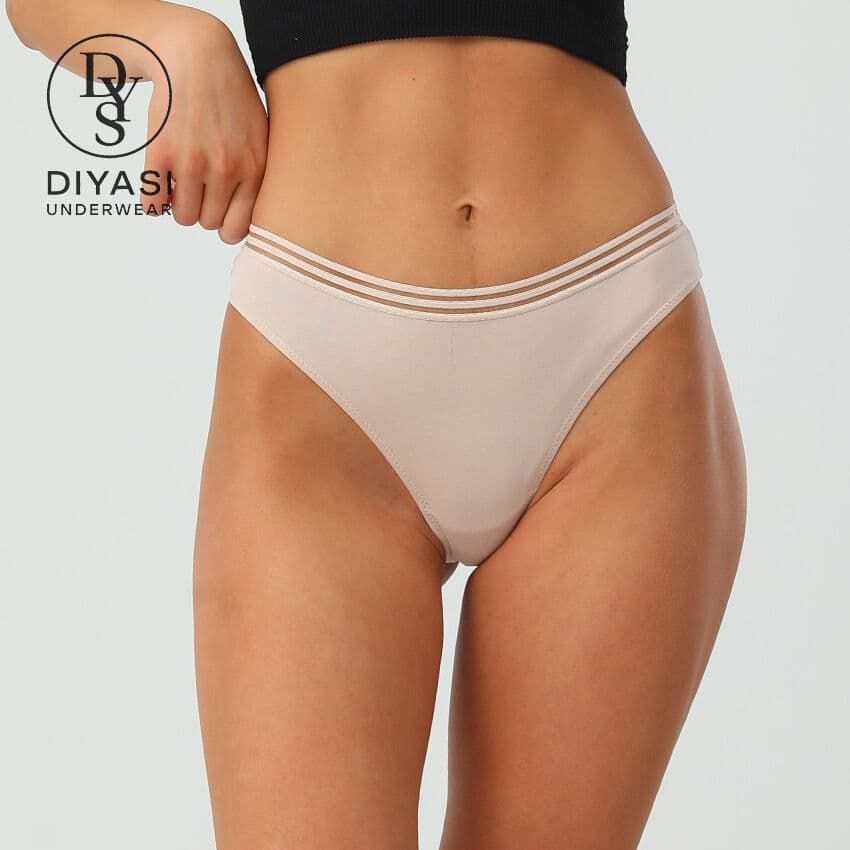
DYS201 lists a 95% cotton and 5% spandex body. DYS323 lists an 80% polyamide and 20% spandex body with a cotton gusset. LS006 combines a cotton-spandex body with polyamide-spandex lace. Request information for the specific component being compared, rather than a single unexplained weight for the whole garment.
Garment weight includes its pattern area, trims and multiple components, so weighing a finished brief does not directly give the body's GSM. If the supplier measures a fabric specimen, record its area, preparation and method. Use a qualified laboratory when the purchasing requirement calls for standardised verification.
Build an opacity review around intended use
Compare physical samples against the same background and lighting at the intended fit or an agreed extension. Include relevant light and dark colourways; a result from one colour is not automatically representative of the range. Record whether the concern is body transparency, a visible lining boundary or the garment showing through outer clothing.
These are different observations. A garment can be opaque while its seam is visible under trousers, and a smooth edge can still belong to a translucent body fabric. Describe the requirement precisely so the factory can consider material and construction changes separately.
Approve the material before treating GSM as a buying rule
Choose a physical reference that meets the intended balance of coverage, handle and fit, then document its material specification. If the fabric changes, review the affected pattern and finishing details instead of assuming the previous sample approval still applies.
Include the agreed weight requirement and tolerance in the material record, with the relevant test method where needed. Do not set a universal minimum GSM for all cotton, lace and polyamide underwear: each construction has different requirements and needs its own evidence.
Fabric-weight questions
Does higher GSM mean better underwear? Not by itself. The required coverage, fit, feel and durability determine whether a material is suitable.
Can GSM prove breathability? No. Mass per area does not measure airflow or moisture performance. Define and verify those requirements separately.
Can I request the same blend at another weight? Discuss it as a material change with the supplier. Availability, minimum quantities, pattern behaviour and sample work may all change.
Put your research to work
Compare cotton and polyamide materials ↗Review colour and material approval ↗Plan a documented wash review ↗Explore fabric directions ↗Product sources
Product examples refer to the linked DIYASI source specifications. Confirm the final materials, measurements and availability for your selected sample.
DYS323 original product specification ↗DYS201 original product specification ↗LS006 original product specification ↗A starting point for your collection.
Share your selected model numbers, intended market and sample requirements with the DIYASI team.
Discuss your collection ↗