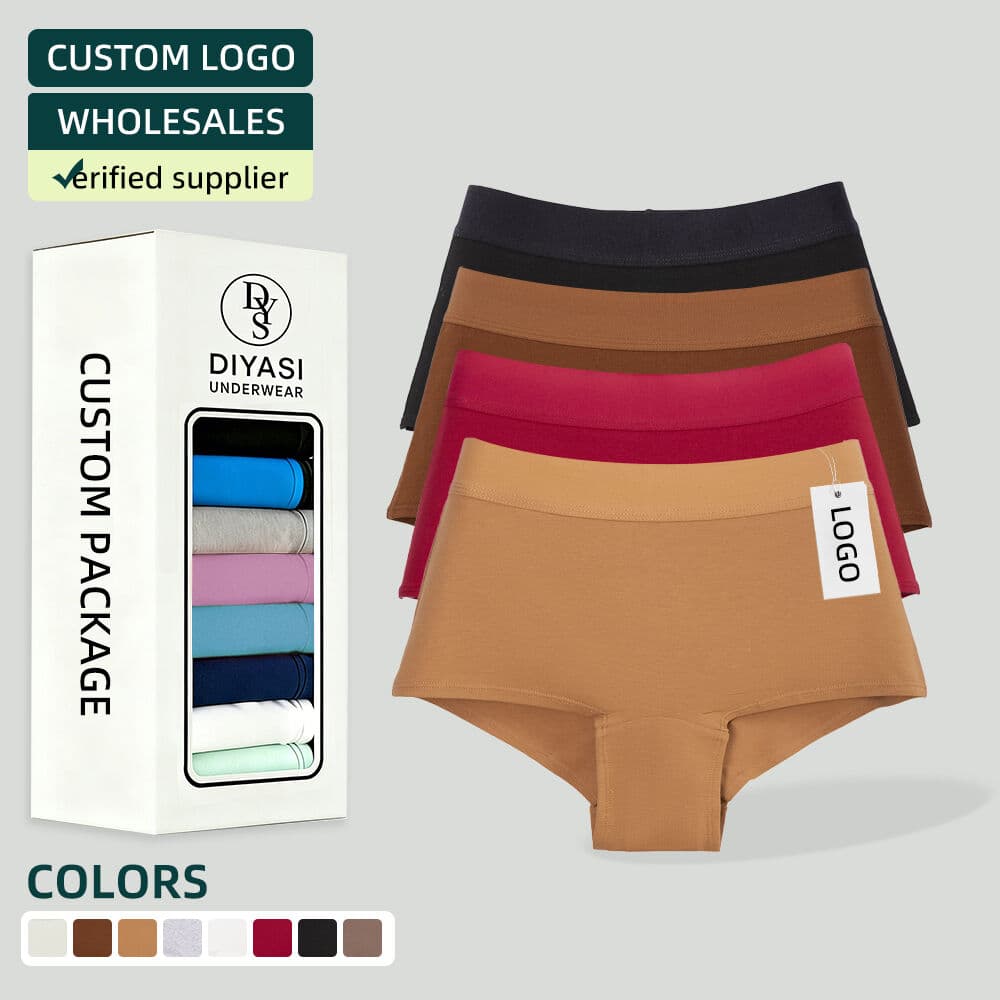
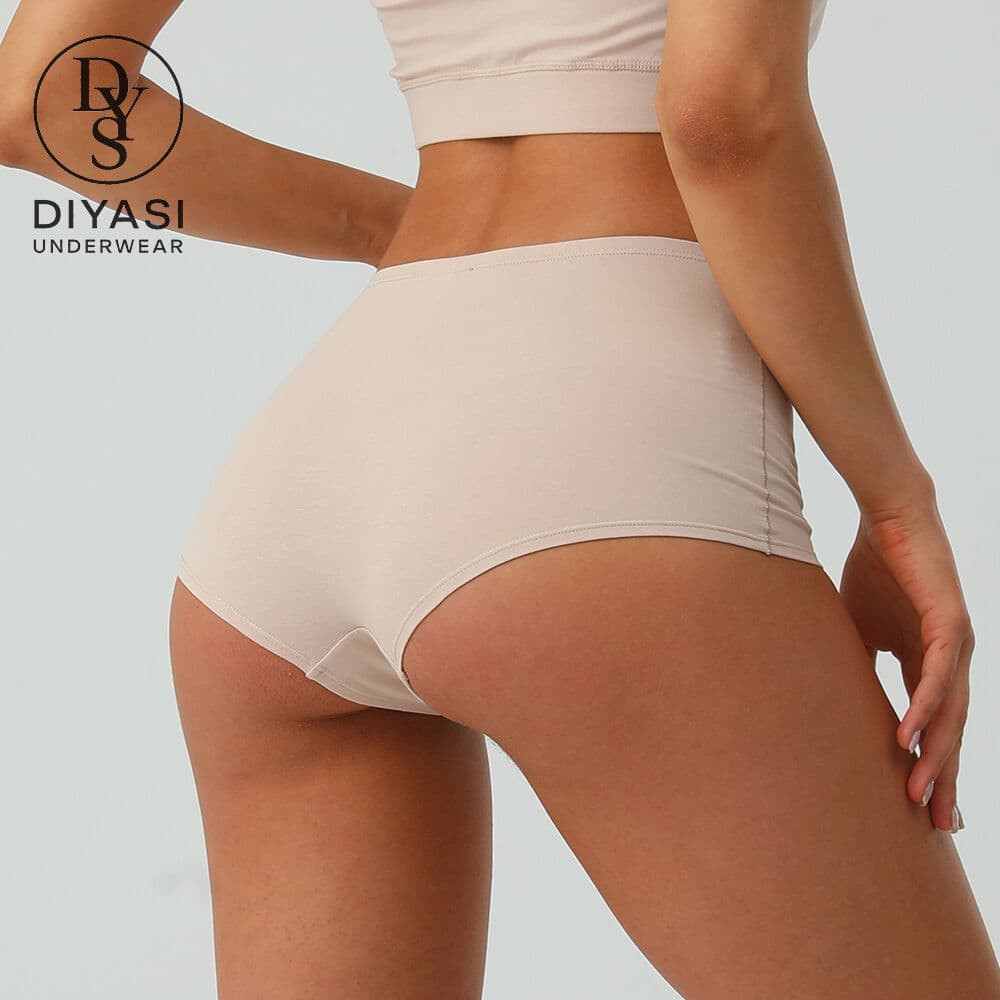
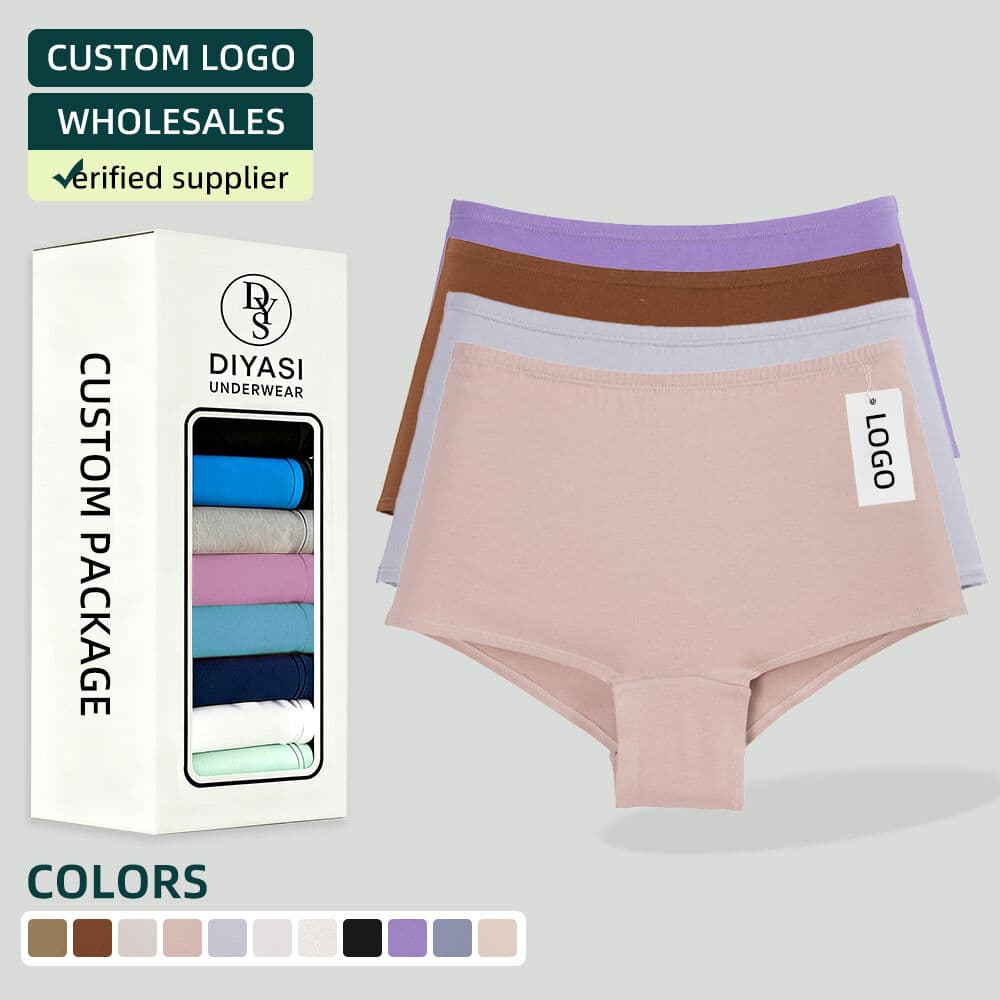
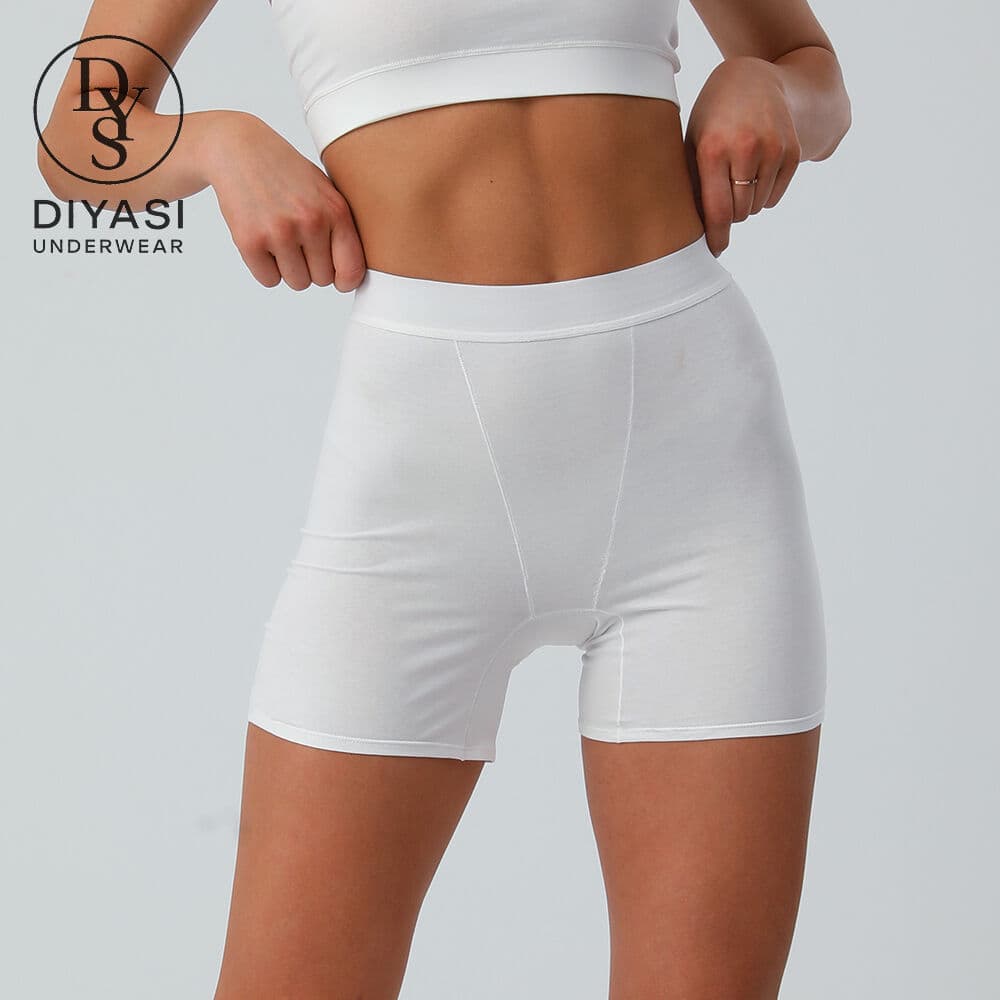
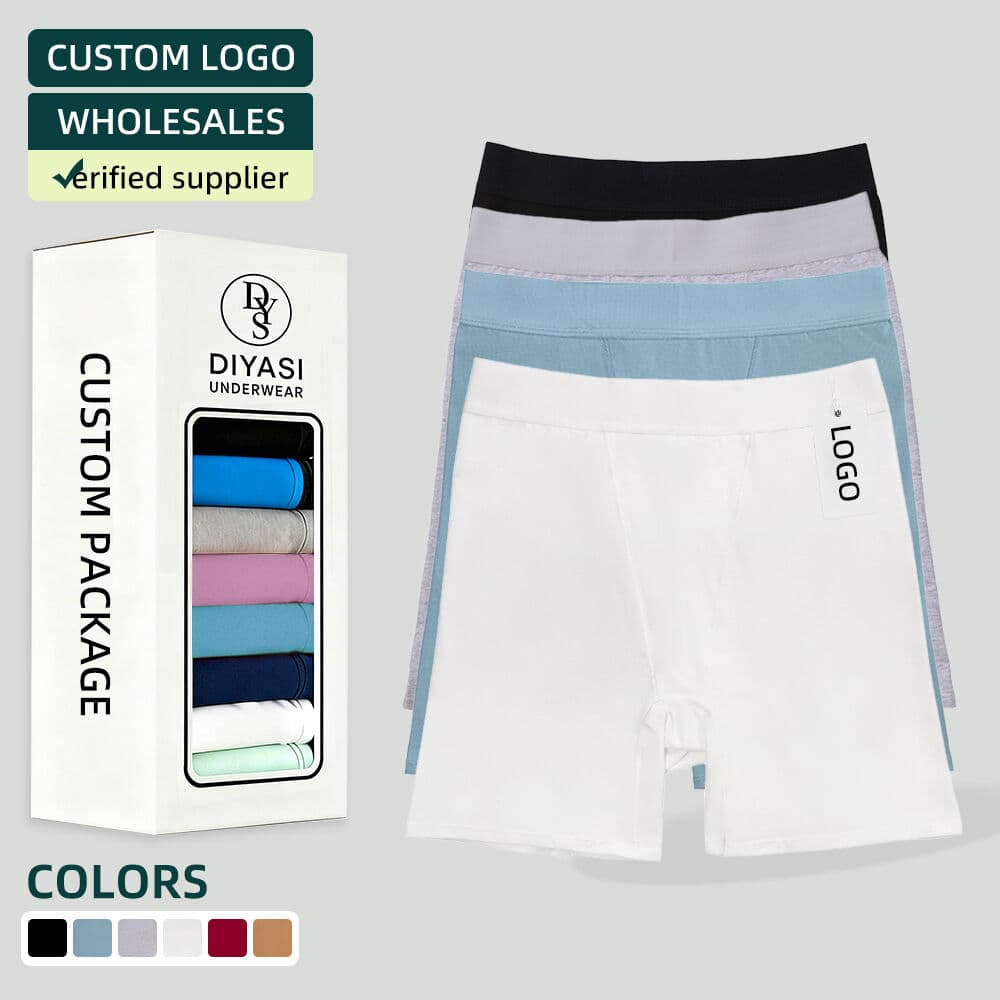
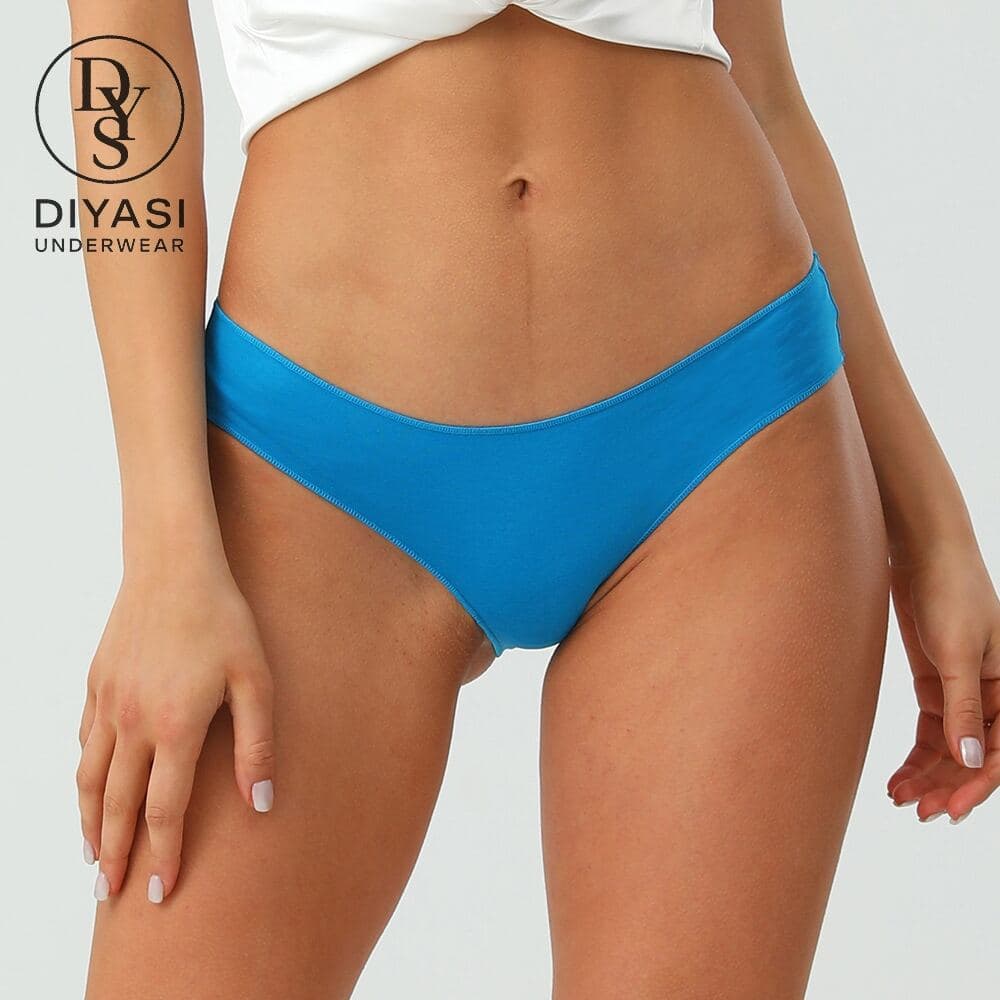
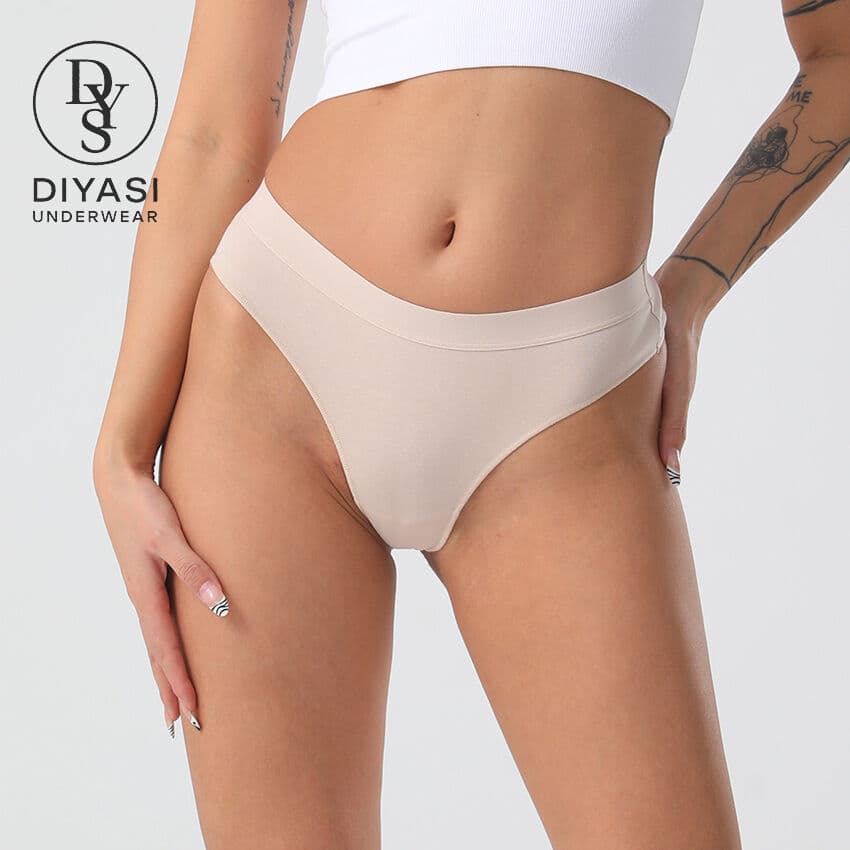
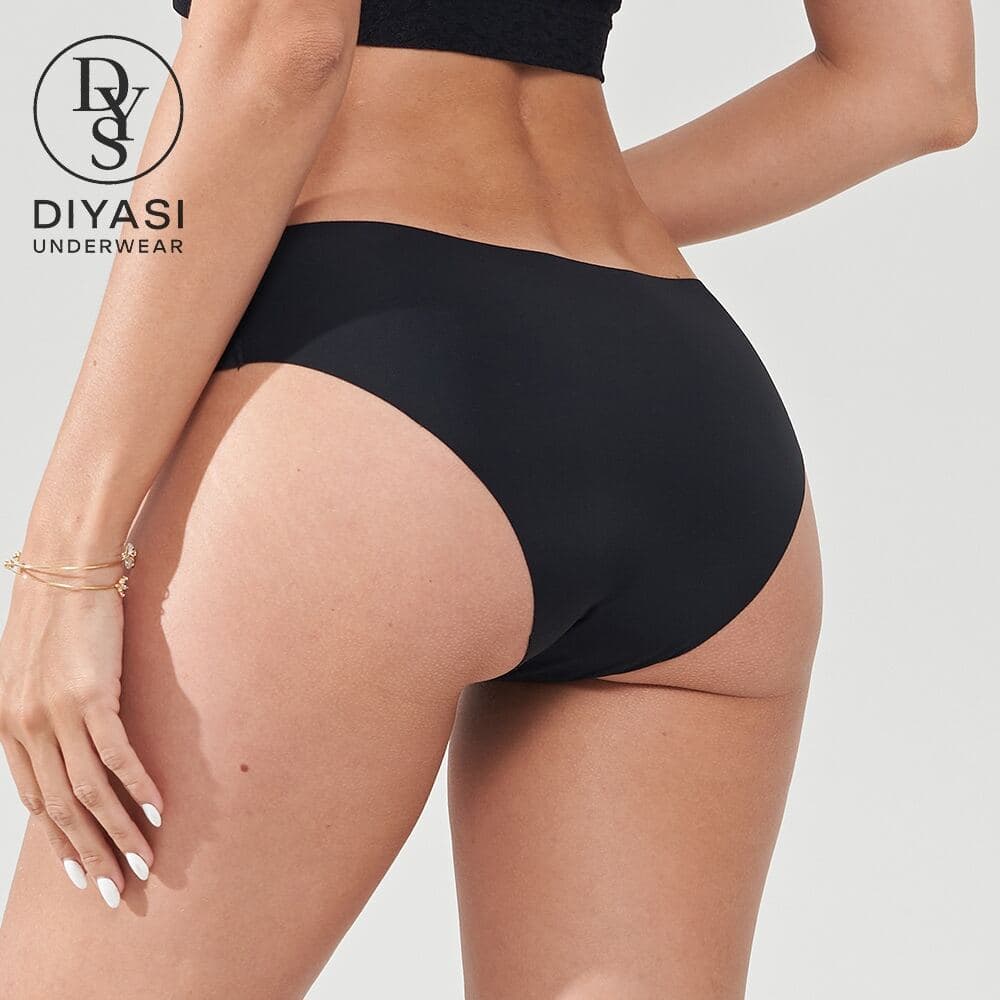
Boyshort and women's boxer are familiar search terms, but brands do not always use them for the same leg length or coverage. That makes the actual product more important than a category name. DIYASI lists DYS215 as a wide-waistband cotton boxer, DYS214 as an everyday cotton boyshort and DYS210 as a long-leg high-waist brief. These three references let a buyer build a clear range only after measuring rise, inseam, leg opening and rear coverage on the selected sizes.
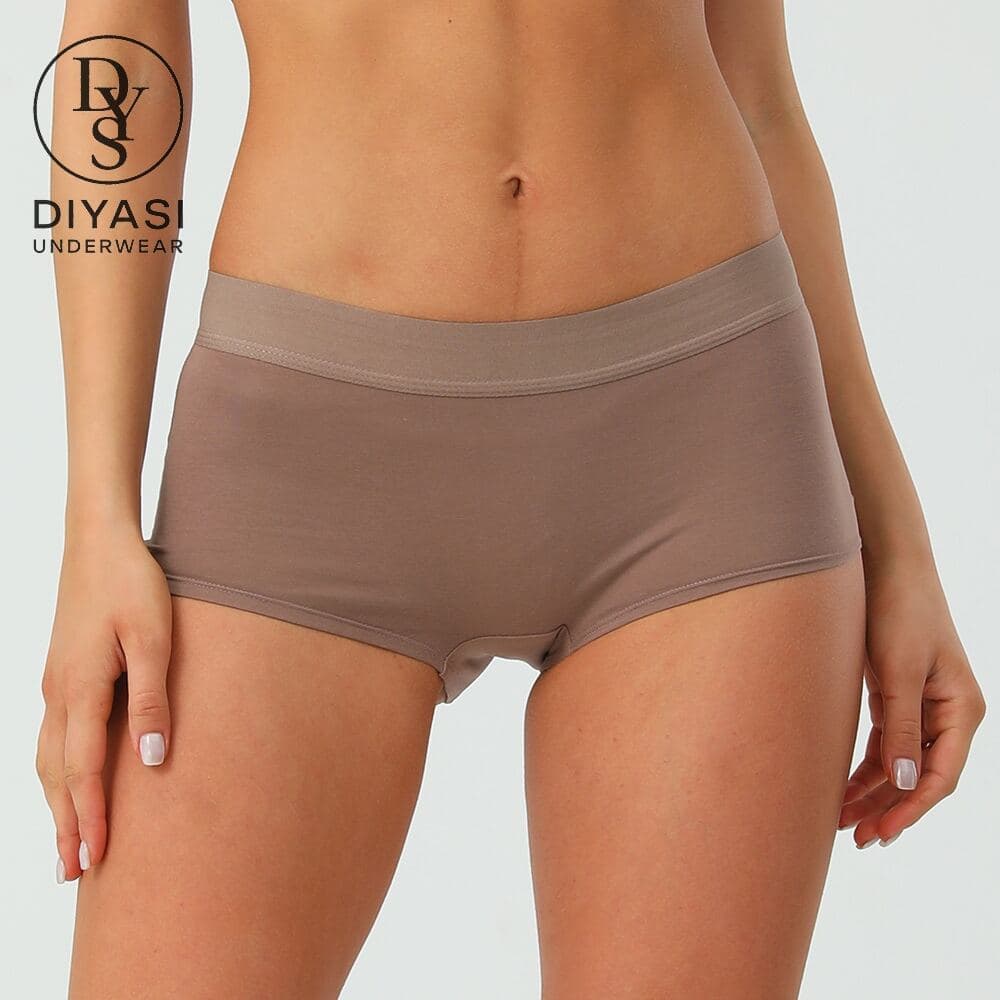
Describe the silhouette in measurements and views
Request front, side and back photos plus finished waist, rise, inseam and leg-opening measurements. Some retail sites use 'boxer' for a more relaxed or longer shape; others use it for a close-fitting brief. Do not promise a loose fit from the name alone. Specify whether the intended garment is close to the body and where the leg should end.
DYS215 and DYS214 are both cotton-spandex references, but the source titles describe different styles. DYS210 adds a long leg and high rise. Ask for the actual pattern and measurement sheet for each model; a shared fibre description is not a shared fit block.
| Model | Source name | Buyer comparison |
|---|---|---|
| DYS215 | Wide-waistband cotton boxer | Waistband and leg shape |
| DYS214 | Everyday cotton boyshort | Rear coverage and leg opening |
| DYS210 | Long-leg high-waist brief | Rise and finished inseam |
| All styles | Cotton-spandex fabric reference | Order-specific components |
Look for movement rather than a static pose
Check the leg after sitting, walking and bending. Record whether it stays in place or rides upward and whether the waistband changes position. A longer leg is not automatically more stable; fabric recovery, opening size and the wearer's proportions matter. Use the same trial method after any revision.
Review the smallest and largest planned sizes as part of grading. If a customer complaint is expected around the leg edge, define a sample acceptance question before production. Do not turn one wearer's comment into a universal comfort promise.
Make shopping filters and wholesale sheets agree
Choose a public category system and apply it consistently across menu filters, line sheets, product titles and SKU data. A shopper should see the leg length and coverage even if the market uses a different word for the cut. Exact model numbers prevent confusion when a retail buyer requests repeat orders. Show those differences before asking shoppers to interpret the category label.
Confirm color, size and quantity options for each chosen style. Similar-looking cotton garments can require different pattern work or packaging layouts. Price and delivery terms belong to the written quotation, not a general trend article.
Common buyer questions
Is a women's boxer always longer than a boyshort? Not by a universal rule; compare the finished garment measurements.
Can one product appear under both search filters? Only if the retailer's filter definitions remain clear and the product details prevent confusion.
What should a sample brief include? List intended rise, leg length, coverage, body fit, sizes and the catalogue model used as a reference.
Put your research to work
Browse women's panties ↗Compare boyshort and long leg ↗Review leg-opening fit ↗Ask for silhouette samples ↗Product sources
Product examples refer to the linked DIYASI source specifications. Confirm the final materials, measurements and availability for your selected sample.
DYS215 original product specification ↗DYS214 original product specification ↗DYS210 original product specification ↗A starting point for your collection.
Share your selected model numbers, intended market and sample requirements with the DIYASI team.
Discuss your collection ↗